The Pros and Cons of Artificial Stone Countertops: A Comprehensive Overview
In the ever-evolving world of home renovation and design, artificial stone countertops have emerged as a popular choice for homeowners seeking durability, aesthetic appeal, and cost-effectiveness. However, like any material, they come with their own set of advantages and disadvantages. This article will explore the compelling benefits and notable drawbacks of artificial stone countertops, providing a thorough understanding to help you make an informed decision for your next kitchen or bathroom remodeling project.
Durability and Strength
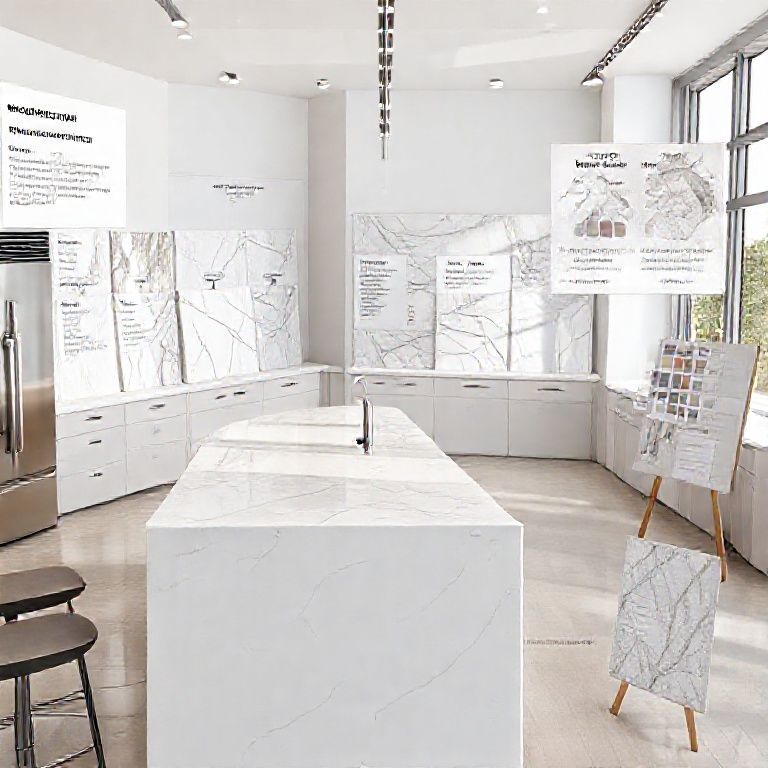
One of the most significant advantages of artificial stone countertops is their exceptional durability. Crafted from a blend of natural stone, resins, and pigments, these countertops offer remarkable strength and resistance to scratches, chips, and impact. Unlike traditional granite or marble, artificial stone does not suffer from the same issues of water absorption, making it a superior choice for high-traffic areas like kitchens and dining rooms.
Artificial stone countertops are also resistant to staining from everyday spills and stains, including coffee, wine, and grease. This resilience ensures that your countertops maintain their pristine appearance with minimal maintenance, giving you peace of mind and saving you the hassle of frequent cleaning.
Cost-Effectiveness
Another major benefit of artificial stone countertops is their cost-effectiveness. Generally, artificial stone is more affordable than natural stone options, such as granite, marble, or quartz. This affordability extends to installation costs as well, since the material is easier to work with and requires less specialized tools and labor. For homeowners on a budget, artificial stone provides a luxurious yet accessible alternative to natural stone, allowing them to achieve a high-end look without breaking the bank.
Customizability and Design Flexibility
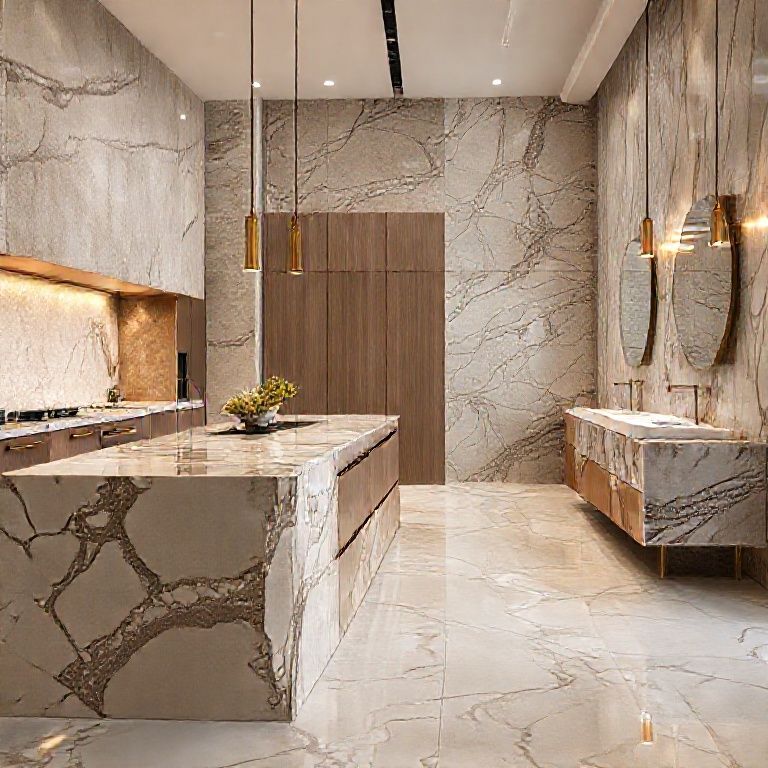
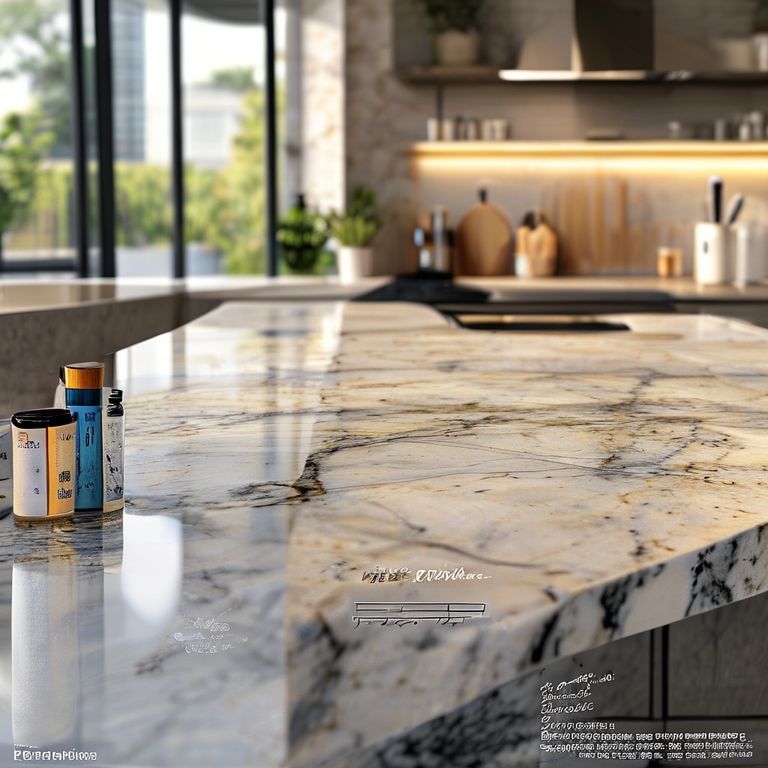
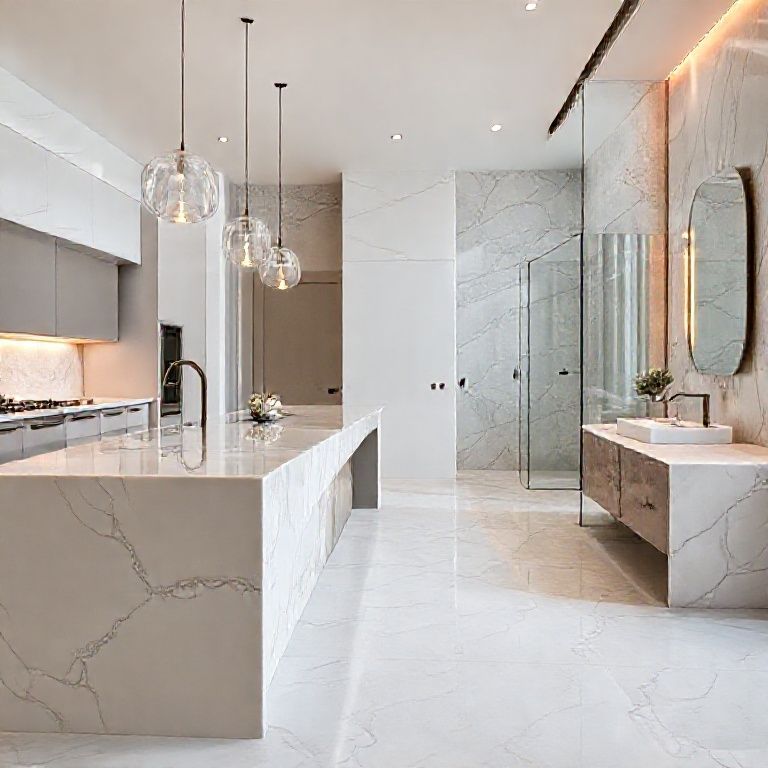
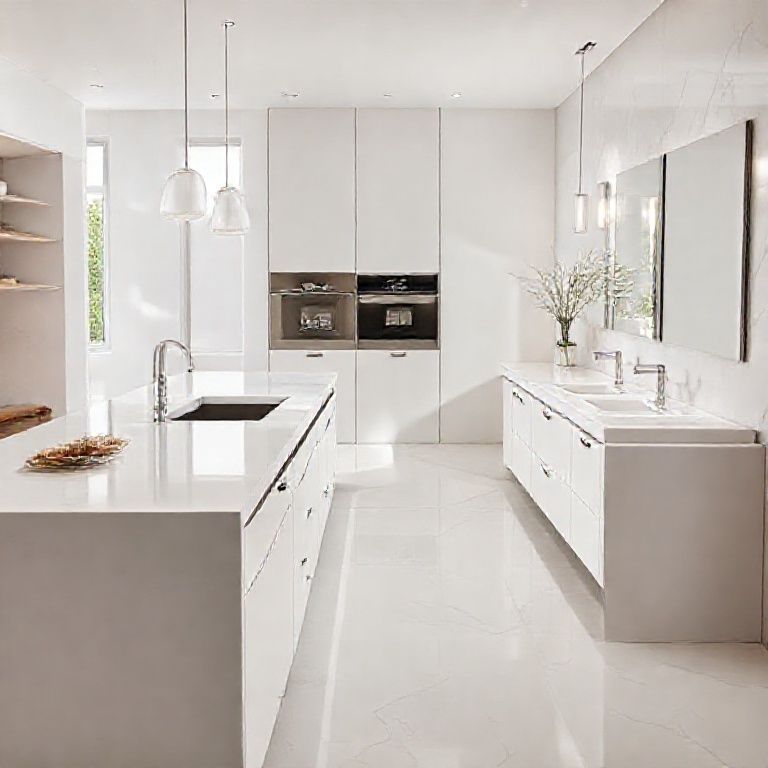
Artificial stone countertops offer a unique level of customizability that rivals even natural stone. Manufacturers can create a virtually limitless range of colors, patterns, and textures, allowing you to match or exceed the design of natural stone. Whether you prefer a rustic look or a sleek, modern finish, artificial stone can be engineered to meet your specific aesthetic needs. This flexibility makes it an excellent choice for homeowners who want to express their personal style and creativity in their kitchen or bathroom design.
Low Maintenance
Maintaining artificial stone countertops is straightforward compared to natural stone options. Since they do not absorb water or stains, simple wiping with a damp cloth and mild soap is usually sufficient to keep them looking new. Unlike natural stone, which often requires sealing and resealing to maintain its protective properties, artificial stone does not need such upkeep. This low-maintenance feature is particularly appealing to busy homeowners who value convenience and efficiency in their daily routines.
Environmental Considerations
Artificial stone countertops also align well with modern environmental considerations. Since they are made from a combination of natural stone, resins, and other materials, they often contain fewer synthetic chemicals than some other countertop materials. This aspect is particularly relevant for environmentally conscious consumers who want to minimize their ecological footprint while still enjoying high-quality, stylish surfaces.
Conclusion
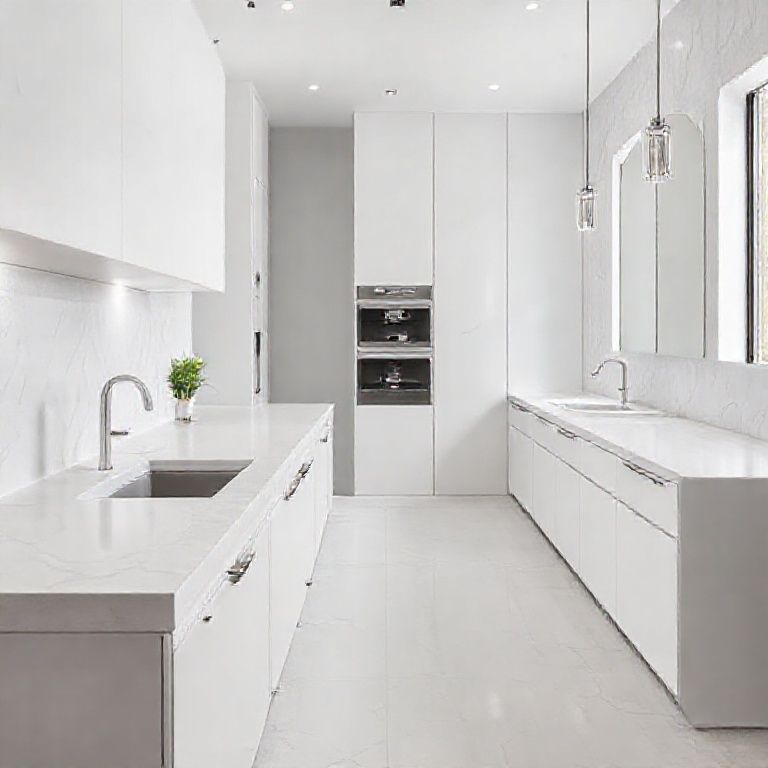
In summary, artificial stone countertops offer a compelling mix of durability, strength, cost-effectiveness, design flexibility, low maintenance, and environmental friendliness. These factors make them an excellent choice for many homeowners looking to upgrade their kitchen or bathroom with a modern, resilient, and aesthetically pleasing surface. In the next part of this article, we will delve into the potential drawbacks and considerations to keep in mind when choosing artificial stone countertops.
The Pros and Cons of Artificial Stone Countertops: A Comprehensive Overview
The Drawbacks of Artificial Stone Countertops
While artificial stone countertops come with a host of benefits, it’s essential to consider their potential drawbacks to ensure they are the right choice for your home renovation project. This article will discuss the limitations and considerations associated with artificial stone, providing a balanced view to help you make an informed decision.
Aesthetic Limitations
One of the primary drawbacks of artificial stone countertops is their aesthetic limitation compared to natural stone. Although manufacturers have made significant strides in creating realistic patterns and colors, artificial stone still cannot fully replicate the unique beauty and natural veining found in natural stone materials like granite, marble, or quartz. For homeowners who prioritize the natural beauty of stone and are willing to pay a premium for it, artificial stone may fall short in terms of authenticity.
Heat Sensitivity
Artificial stone countertops are not as heat-resistant as natural stone options. While they can withstand moderate heat, prolonged exposure to high temperatures can cause them to discolor or even crack. This limitation makes them less suitable for areas where hot pots and pans are frequently placed directly on the surface. Homeowners who love cooking or have multiple stovetops in their kitchen may need to consider this factor carefully.
Weight and Installation
Artificial stone countertops are generally heavier than other modern alternatives like quartz or granite, which can complicate the installation process. The added weight may require more robust cabinetry and support structures, which could add to the overall cost and complexity of the project. Additionally, the heavier weight might pose challenges for those with limited mobility or who prefer a lighter, more modern countertop material.
Environmental Impact
Although artificial stone is often seen as a more environmentally friendly alternative to natural stone, it still has some environmental considerations. The production process for artificial stone involves the use of resins, pigments, and other chemicals, which could raise concerns about environmental impact and indoor air quality. While these materials are typically less harmful than those used in traditional manufacturing processes, it’s essential to choose products that are certified for low emissions and to ensure proper ventilation during installation.
Warranty and Longevity
While artificial stone countertops are known for their durability, they typically come with warranties that are shorter than those for natural stone. The lifespan of artificial stone can vary depending on the quality of the material and the manufacturing process, but generally, they do not match the longevity of high-quality natural stone. It’s important to review the warranty details carefully to understand the coverage and any limitations before making a purchase.
Cost Fluctuations
The cost of artificial stone countertops can fluctuate based on the specific design, quality, and complexity of the finish. While they are generally more affordable than natural stone, the price can vary widely depending on the manufacturer and the customization required. This variability can make it challenging to predict the overall cost of the project accurately.
Conclusion
In conclusion, while artificial stone countertops offer numerous advantages in terms of durability, cost-effectiveness, design flexibility, and low maintenance, there are also some limitations to consider. Aesthetic limitations, heat sensitivity, weight, environmental impact, warranty, and cost fluctuations are all factors that homeowners should weigh carefully when deciding if artificial stone is the right choice for their renovation project.
Final Thoughts
When it comes to selecting countertops for your kitchen or bathroom, it’s essential to consider your specific needs, preferences, and budget. Artificial stone provides a compelling alternative to natural stone with many benefits, but it’s not without its drawbacks. By understanding both the pros and cons, you can make a well-informed decision that best suits your lifestyle and design goals.
Ultimately, whether you choose artificial stone or another type of countertop material, the key is to select a surface that not only looks great but also meets your functional requirements and stands the test of time. By carefully evaluating your options and consulting with professionals, you can achieve a beautiful, practical, and enduring renovation that you’ll love for years to come.