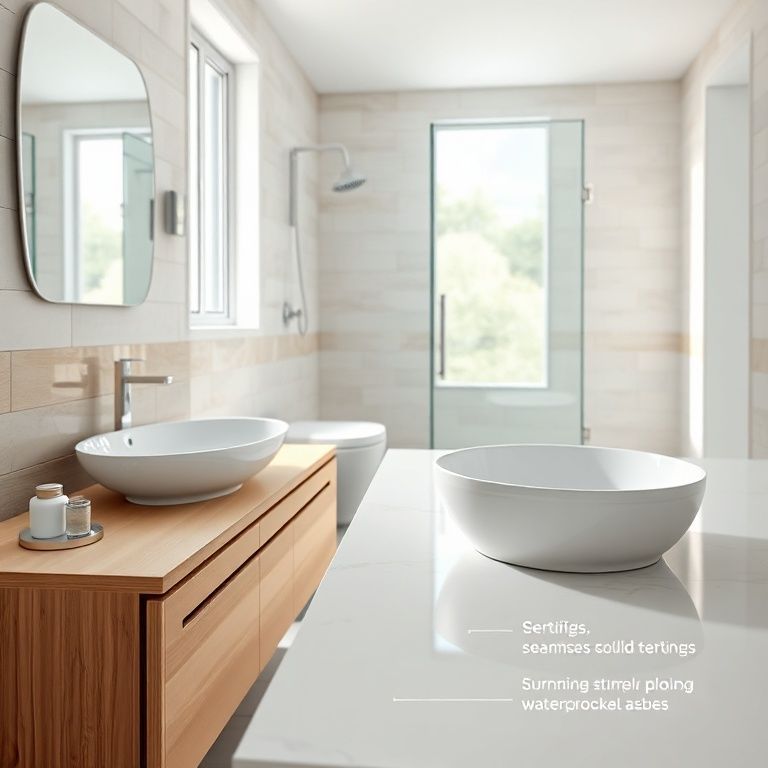
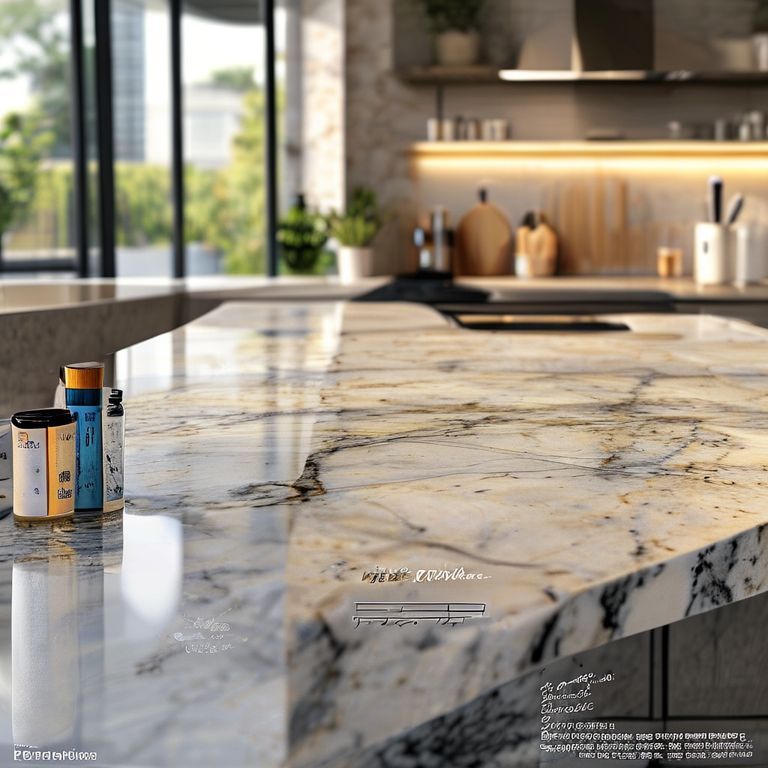
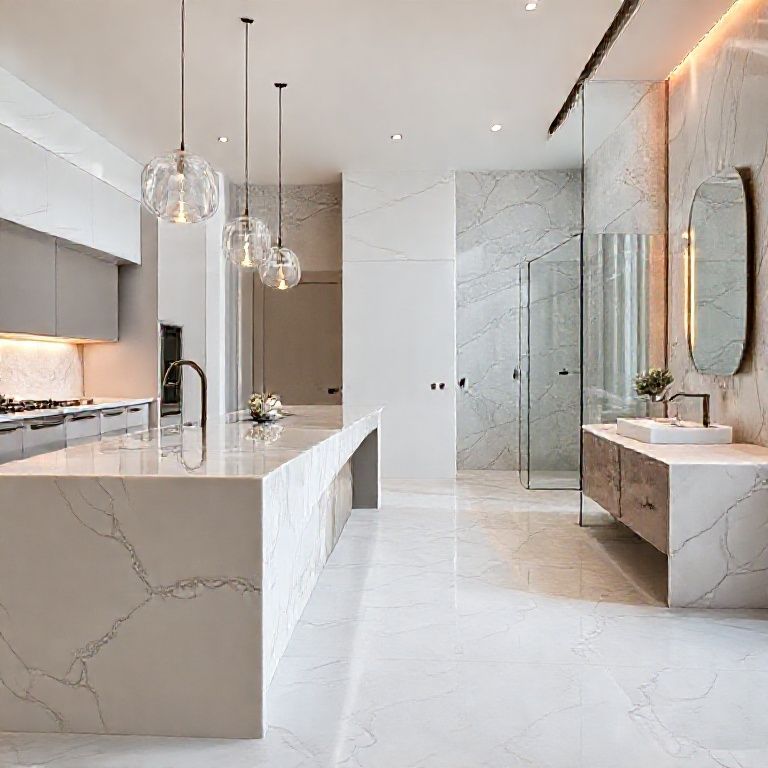
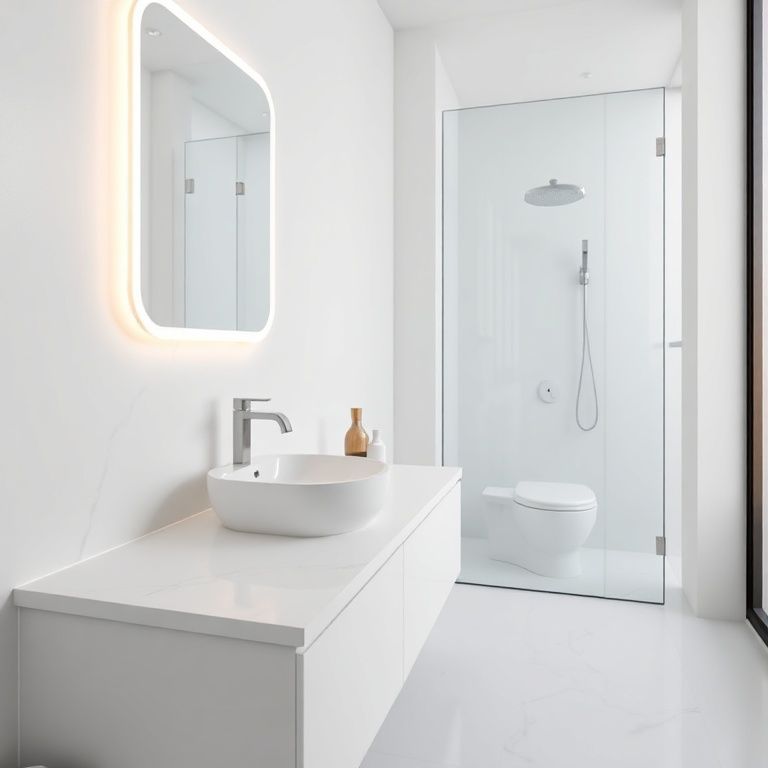
Dive deep into the world of artificial stone countertops, examining their myriad benefits and the less-discussed drawbacks. This article provides a comprehensive look at why artificial stone might not be the perfect choice for everyone, highlighting the intricacies that come with choosing modern kitchen and bathroom surfaces.
artificial stone countertops, pros and cons, disadvantages, kitchen countertops, bathroom countertops, durability, maintenance, cost, installation, long-term wear
The Pros and Cons of Artificial Stone Countertops
The Pros of Artificial Stone Countertops
Artificial stone countertops have been revolutionizing kitchen and bathroom design for several years. These modern surfaces offer a host of benefits that appeal to many homeowners and designers alike. Let’s explore the primary advantages of artificial stone countertops:
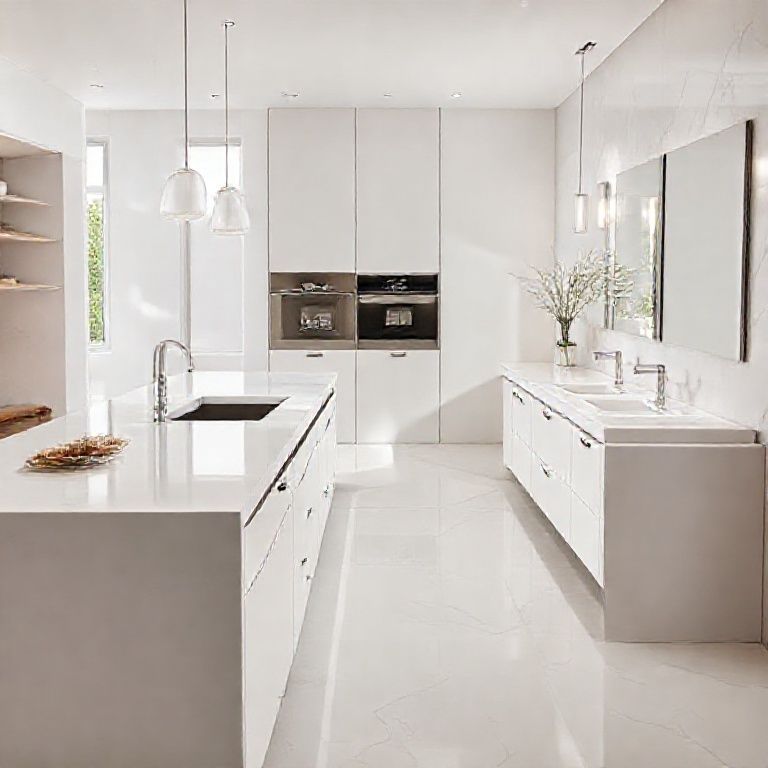
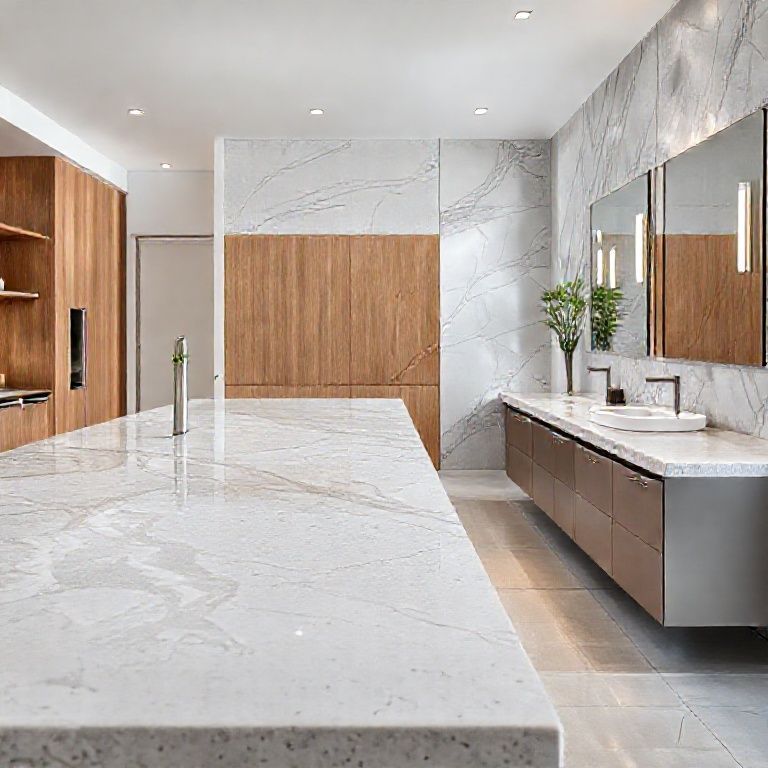
Aesthetic Appeal and Variety: Artificial stone countertops come in a variety of colors, textures, and patterns that mimic natural stone, marble, and even wood. This versatility allows designers to create unique and visually stunning surfaces that can match almost any decor style. Whether you’re looking for a sleek, modern look or a rustic, natural feel, artificial stone can be tailored to fit your vision.
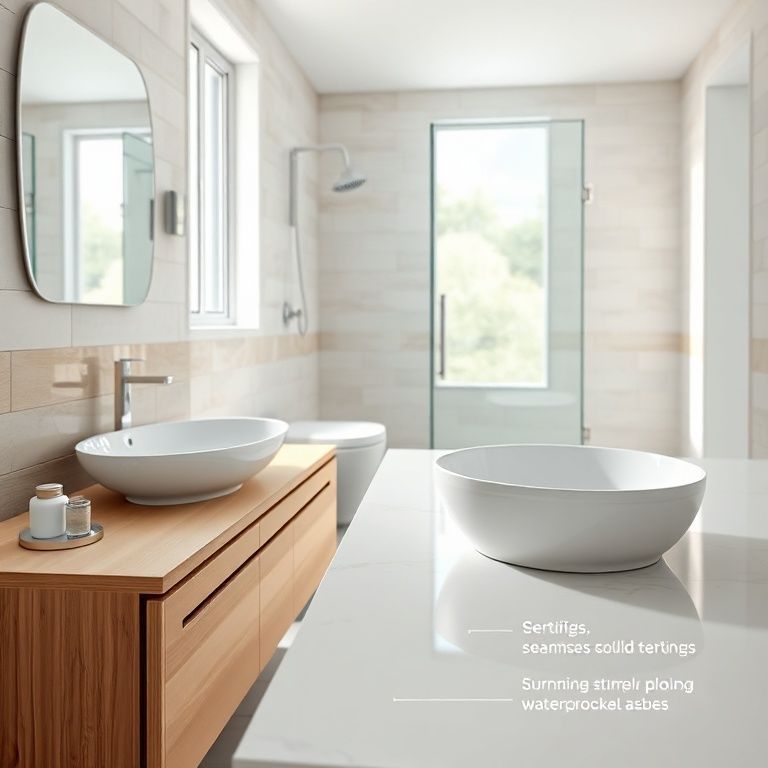
Durability: One of the standout benefits of artificial stone is its durability. Unlike natural stone, which can be prone to scratches, chips, and stains, artificial stone is highly resistant to these issues. It is also less likely to absorb liquids, making it easier to clean and maintain. This durability translates to a longer lifespan for the countertop, reducing the need for frequent replacements or repairs.
Cost-Effectiveness: Artificial stone countertops are generally more affordable than their natural stone counterparts. The production process for artificial stone is less labor-intensive, which translates to lower costs for consumers. This makes it an attractive option for those looking to invest in high-quality countertops without breaking the bank.
Low Maintenance: Artificial stone requires minimal upkeep. Unlike natural stone, which needs sealing periodically to maintain its protective finish, artificial stone does not require such extensive maintenance routines. Simply wiping it down with a mild cleaner is usually sufficient to keep it looking pristine.
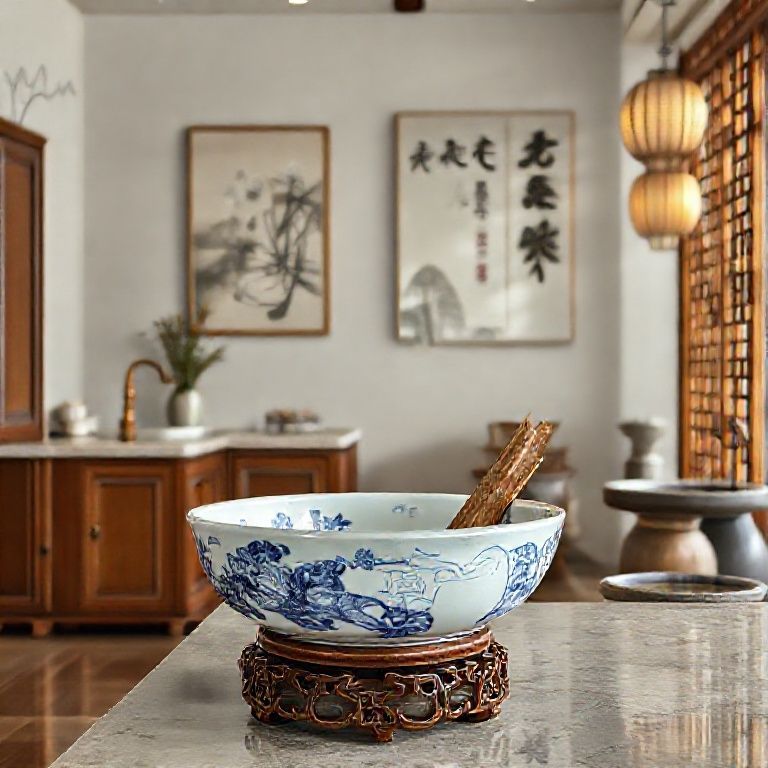
Weight and Installation: Artificial stone is significantly lighter than natural stone, making it easier to install. This lighter weight reduces the load on the underlying structure, which is particularly beneficial for older homes with less robust frameworks. Additionally, the installation process is straightforward and can often be completed by a DIY enthusiast or a professional installer in a fraction of the time it would take for natural stone.
The Cons of Artificial Stone Countertops
While artificial stone countertops offer many benefits, they also come with certain drawbacks that are worth considering:
Heat Sensitivity: One of the primary limitations of artificial stone is its sensitivity to heat. Unlike natural stone, which can withstand high temperatures, artificial stone can warp or crack when exposed to extreme heat. This makes it less suitable for areas where pots, pans, or other heat sources are frequently placed directly on the countertop.
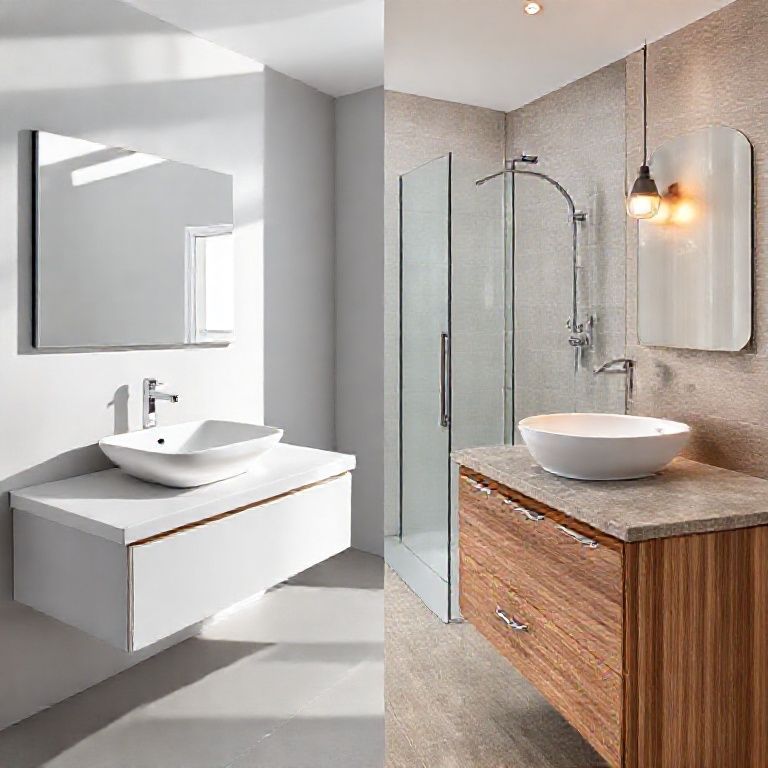
Aging and Fading: Although artificial stone is highly resistant to staining, it can still show signs of aging over time. Extended exposure to direct sunlight can cause the colors and patterns to fade, which might diminish the aesthetic appeal of the countertop. This fading effect is more pronounced in lighter shades and can impact the overall look of your kitchen or bathroom.
Limited Texture and Feel: While artificial stone can mimic the appearance of natural stone quite convincingly, it often lacks the unique texture and tactile experience that natural stone provides. For some users, the feel of natural stone is an integral part of the aesthetic appeal, and artificial stone might not fully satisfy this sensory aspect.
Environmental Impact: The production of artificial stone involves synthetic materials that may not be as environmentally friendly as natural stone. The manufacturing process can release chemicals and pollutants, raising concerns about the environmental impact of these materials. Additionally, natural stone is a renewable resource, whereas the synthetic components of artificial stone are not.
Repairability: In the event of a crack or significant damage, repairing artificial stone countertops can be challenging. Unlike natural stone, which can often be repaired with specialized treatments, artificial stone typically requires replacement of the entire piece rather than a localized repair. This can be inconvenient and costly, especially for larger installations.
Cost Over Time: Although artificial stone is generally more affordable upfront, the long-term costs can sometimes be deceptive. The durability that makes it a cost-effective choice in the short term might lead to fewer repairs and replacements, but other factors like potential fading and the need for specialized cleaning products can add up over time.
Conclusion
Artificial stone countertops present a compelling blend of aesthetics, durability, and cost-effectiveness that makes them a popular choice for many homeowners and designers. However, it’s essential to weigh these benefits against the potential drawbacks, including heat sensitivity, aging, and environmental concerns. By understanding the full spectrum of pros and cons, you can make a more informed decision that best suits your specific needs and preferences.
The Long-Term Considerations and Alternatives to Artificial Stone Countertops
Long-Term Considerations of Artificial Stone Countertops
When evaluating the long-term viability of artificial stone countertops, several factors come into play that can significantly influence your decision-making process. Understanding these aspects can help you make a more informed choice that aligns with your lifestyle and future plans.
Heat Management: The heat sensitivity of artificial stone is a critical long-term consideration. As mentioned earlier, extreme heat can cause the material to warp or crack, leading to potential damage and aesthetic issues. To mitigate this risk, it’s essential to use heat-resistant trivets or pot holders when cooking with hot items. Additionally, consider the layout of your kitchen to minimize direct heat exposure on the countertop.
Color Fading: Prolonged exposure to sunlight can cause artificial stone to fade, especially in lighter shades. To prevent this, consider installing shades or blinds to reduce direct sunlight on the countertop. Regular cleaning with appropriate products can also help maintain the color and appearance of the surface over time.
Maintenance Routines: While artificial stone is low-maintenance, it still requires regular cleaning to maintain its appearance. Using a mild, non-abrasive cleaner and a soft cloth can help keep the surface looking pristine. Avoid using harsh chemicals or cleaning tools that could scratch or damage the surface.
Repairability and Replacement: The repairability of artificial stone can be a significant long-term consideration. In the event of a crack or significant damage, replacing the entire piece might be more practical than attempting repairs. This can add up in costs over time, especially for larger installations. Plan for potential future replacements and factor in the costs when budgeting for your countertop.
Environmental Impact: The environmental impact of artificial stone should not be overlooked. The production of synthetic materials can release pollutants and chemicals, raising concerns about sustainability. Consider looking into eco-friendly options or manufacturers that prioritize sustainable practices to mitigate these environmental impacts.
Aesthetic Evolution: Over time, your tastes and design trends might evolve, potentially making your current countertop look outdated. Artificial stone can be more flexible in terms of design changes, but it might still require replacement if the aesthetic no longer meets your preferences.
Alternatives to Artificial Stone Countertops
While artificial stone offers many benefits, it might not be the perfect fit for everyone. Exploring alternative materials can provide additional options that better suit your specific needs and preferences. Here are some alternatives to consider:
Natural Stone: Natural stone countertops, such as granite, marble, and quartzite, offer unmatched durability, beauty, and uniqueness. While they come with higher costs and maintenance requirements, their natural appearance and longevity make them a popular choice for many. Natural stone also typically requires less maintenance than artificial stone, as it is often more resistant to stains and scratches.
Quartz Countertops: Quartz is a synthetic stone that combines the best qualities of natural stone with modern technology. It is highly durable, stain-resistant, and available in a wide range of colors and patterns. Quartz countertops are low-maintenance and offer excellent longevity, making them a versatile and attractive option.
Corian Countertops: Corian is a high-performance, solid surface made from acrylic resin. It is highly durable, scratch-resistant, and available in a wide variety of colors and finishes. Corian is also easy to clean and maintain, making it an excellent choice for high-traffic areas. However, it can be more expensive than some other synthetic options.
Slate: Slate is a natural stone that offers a unique and rustic aesthetic. While it can be prone to staining and requires regular sealing, its natural beauty and durability make it a compelling option for those who prioritize a natural look. Slate countertops can add character and charm to any space.
Laminate: Laminate countertops are made from layers of wood or other materials bonded together under heat and pressure. They offer a wide range of colors and patterns and are generally more affordable than natural stone. However, laminate can be more prone to scratches and stains, requiring more frequent maintenance.
Conclusion
Artificial stone countertops provide a compelling blend of aesthetics, durability, and cost-effectiveness that makes them an attractive option for many homeowners. However, it’s essential to consider the long-term implications, including heat sensitivity, color fading, and环境影响, 以及探索其他替代材料。
了解这些长期考虑和替代选项可以帮助你做出更加明智的决定,确保你的选择能够满足你的需求并适应未来的变化。
综合评估你的生活方式和需求: 高温厨房: 如果你经常在厨房使用热源,如炉灶和微波炉,需要特别注意人造石的耐热性。考虑使用防热垫或其他防热措施。 家庭成员和客人: 如果你有小孩或经常接待客人,耐污性和易清洁性将是重要考虑因素。人造石在这方面表现良好。
审美偏好: 如果你更喜欢自然石材的独特纹理和色彩,自然石或其他天然材料可能更适合你。 环保和可持续性: 如果环保是你的主要考虑因素,可以研究生产人造石和天然石的环境影响。尽量选择那些在生产过程中采用环保技术和材料的品牌。 考虑材料的耐久性和生命周期,这样可以减少未来的更换和维修需求,从而降低总体环境负担。
预算和未来成本: 虽然人造石在初始成本上可能比天然石材便宜,但长期来看,如果它需要更频繁的维护或更换,这可能会增加总体成本。 确定你的预算范围,并包括可能的未来维护和维修费用在内,以便做出更全面的比较。 专业建议: 在做出最终决定前,咨询专业人士或装修设计师。
他们可以提供关于材料适用性、维护需求和长期性能的专业意见。 不同品牌和型号的人造石可能有不同的特性,专家的建议可以帮助你选择最适合你家庭的产品。 试用和样品: 如果可能,在决定之前,尝试触摸和观察不同材料的样品。这可以帮助你更好地理解每种材料的质感和外观。
在你的家中进行小范围的试用,以观察不同材料在你家庭环境中的表现。
通过综合考虑以上因素,你可以更好地评估人造石台面是否适合你的家庭,并在必要时探索其他材料,以找到最适合你的解决方案。