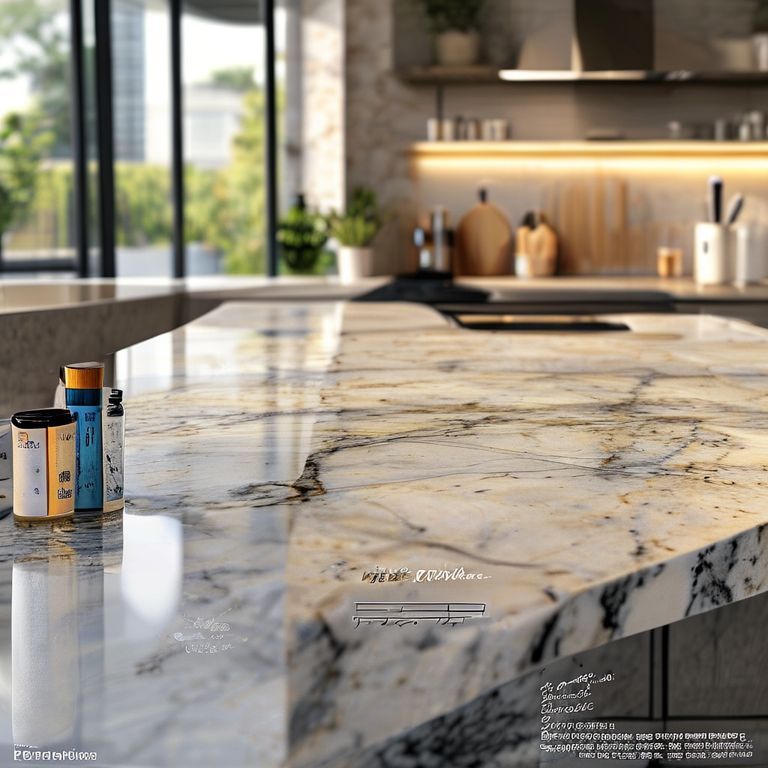
The Pros and Cons of Quartz Countertops: A Comprehensive Guide
In the ever-evolving world of home improvement, countertops play a pivotal role in shaping the look and functionality of kitchens and bathrooms. Among the myriad of options available, quartz countertops have surged in popularity over recent years. Known for their remarkable blend of style, durability, and practicality, quartz countertops have become a go-to choice for many homeowners. However, like any material, they come with their own set of advantages and disadvantages. In this first part of our exploration, we’ll delve into the myriad benefits of quartz countertops, highlighting why they are considered a top choice for many.
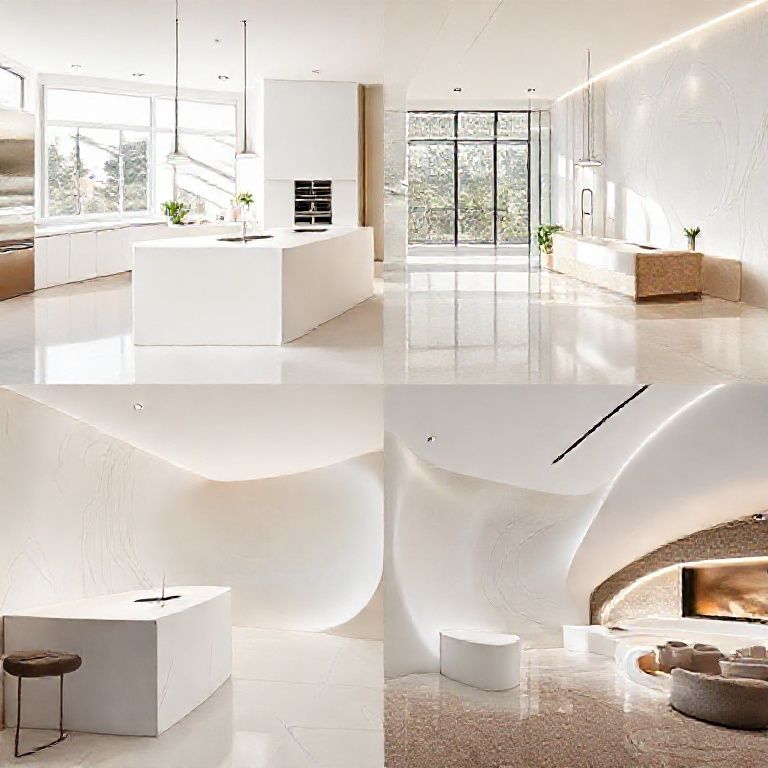
1. Unmatched Durability
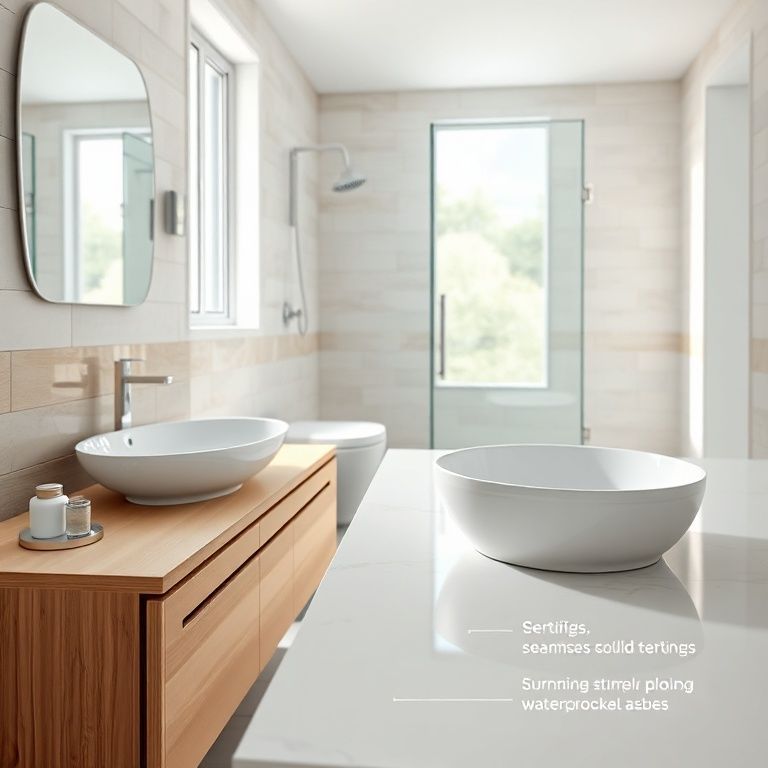
One of the standout features of quartz countertops is their exceptional durability. Quartz is a naturally occurring mineral, and when manufactured into countertops, it is fused into a monolithic solid surface. This means there are no seams or joints, which makes it highly resistant to scratches, chips, and dents. Unlike composite materials such as granite, which can have weak points at its seams, quartz offers a seamless, durable surface that can withstand the rigors of daily use.
2. Resistance to Stains and Stains
Quartz countertops are incredibly resistant to stains and scratches, making them an ideal choice for homes with children, pets, or those who entertain frequently. The material’s non-porous nature means that liquids do not penetrate the surface, preventing stains from seeping in. This makes cleaning up spills and splatters a breeze, as a simple wipe with a damp cloth is usually sufficient to restore the countertop to its pristine condition.
3. Versatile Aesthetic Appeal
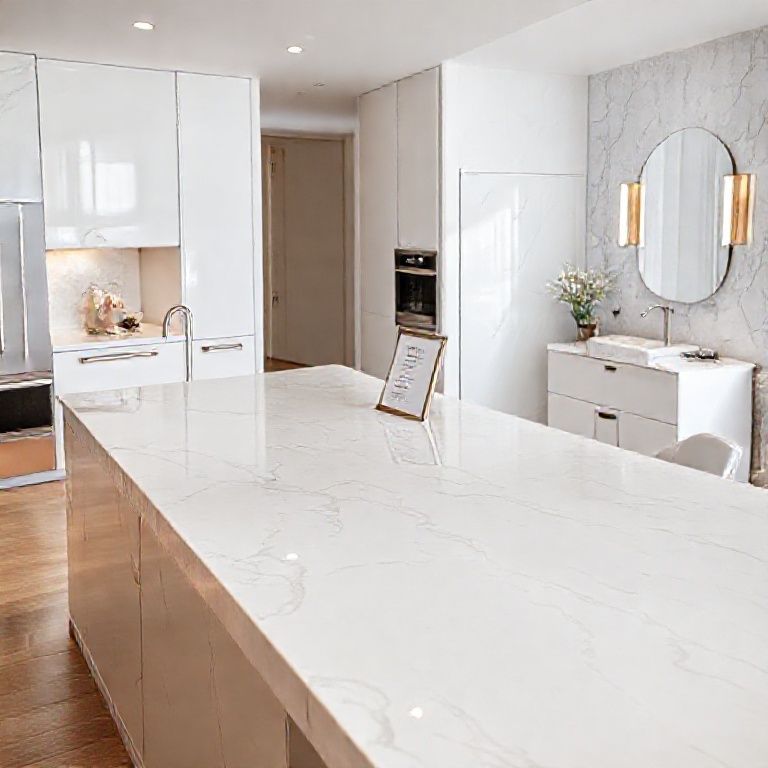
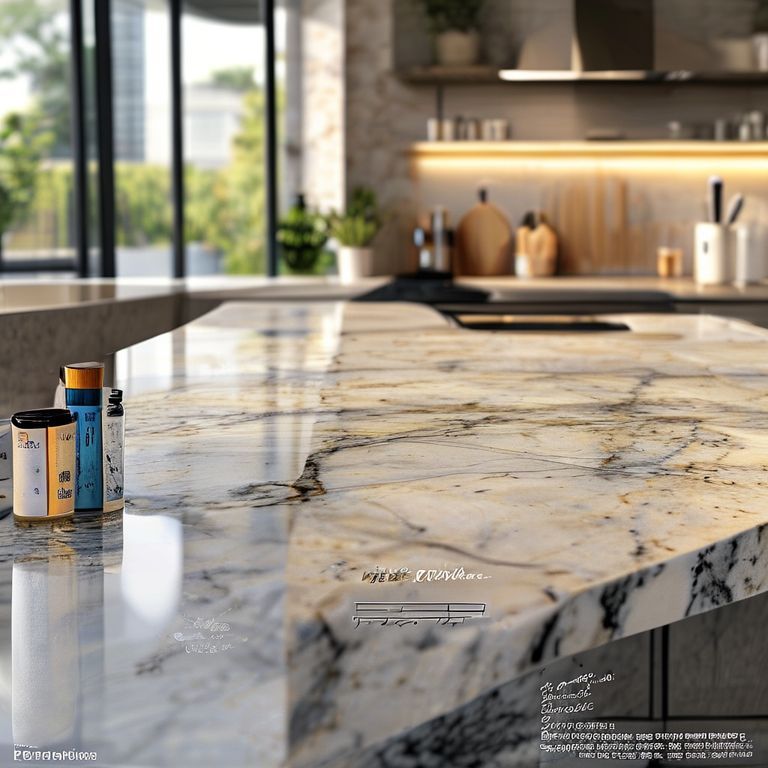
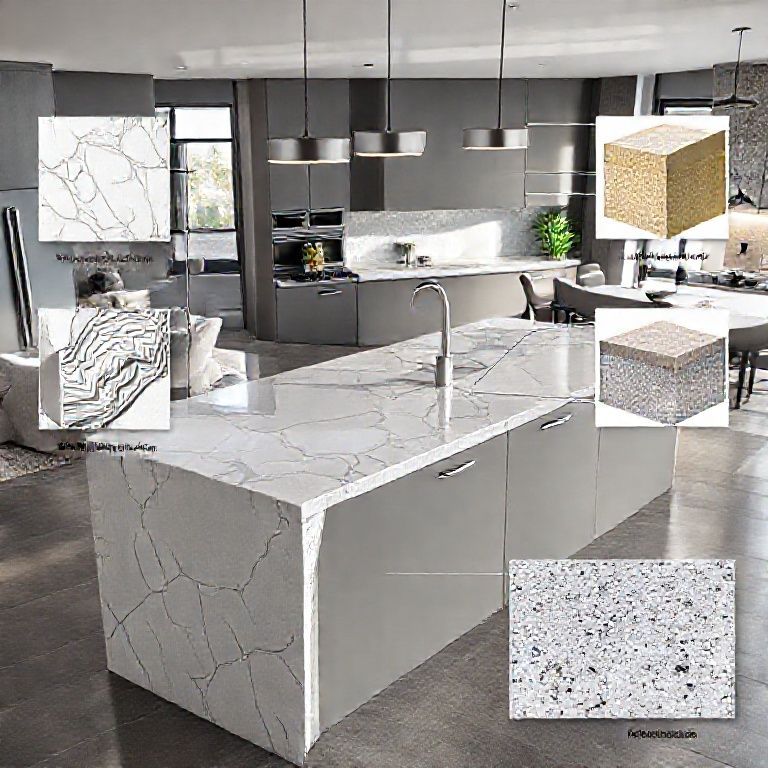
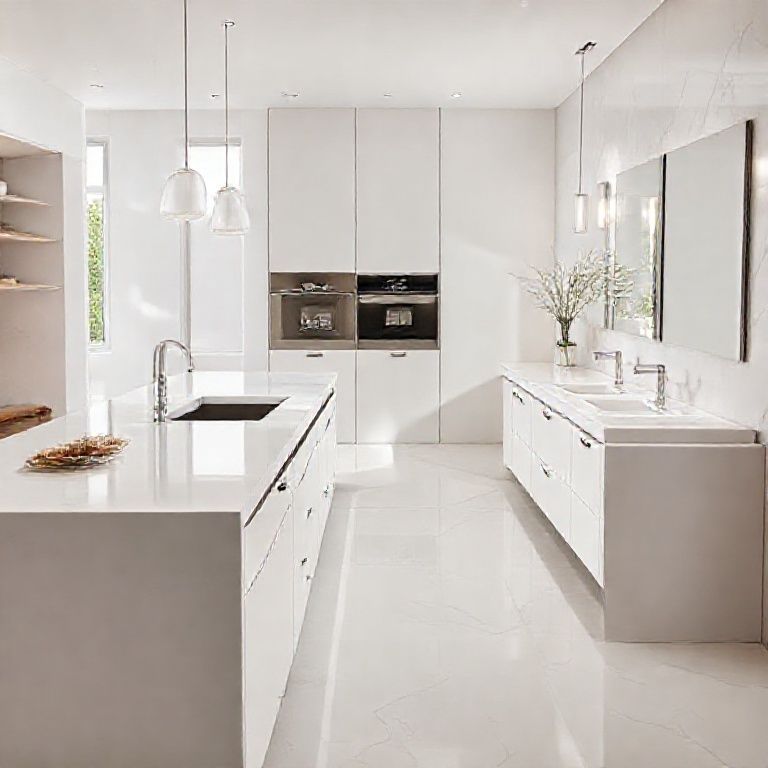
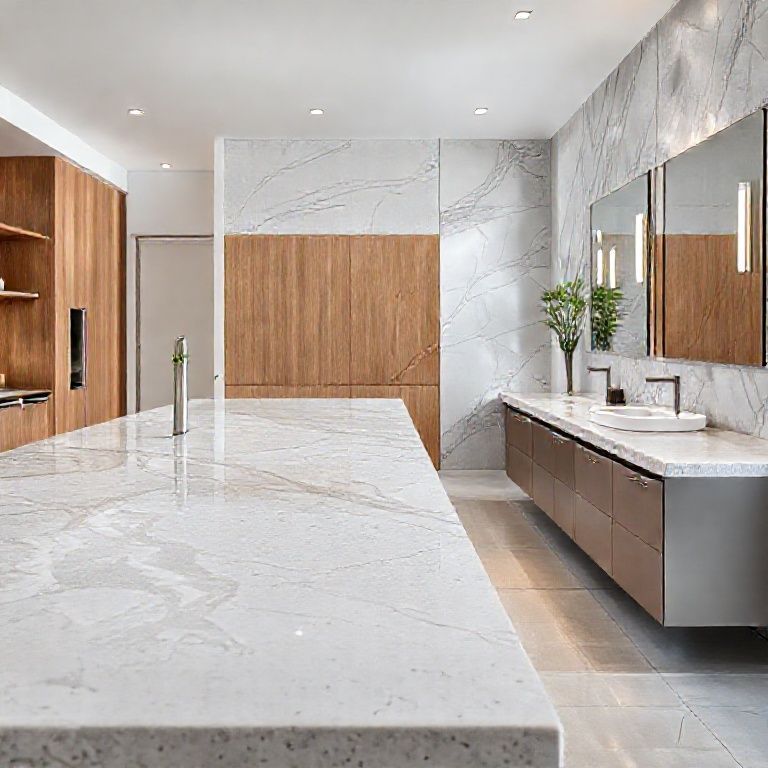
Quartz countertops come in a wide array of colors, patterns, and finishes, allowing for endless customization possibilities. Whether you desire a sleek, modern look or a more traditional style, quartz can be tailored to match your aesthetic preferences. The material’s ability to mimic various natural stones like marble and granite without the high cost or maintenance issues makes it a versatile choice for any design.
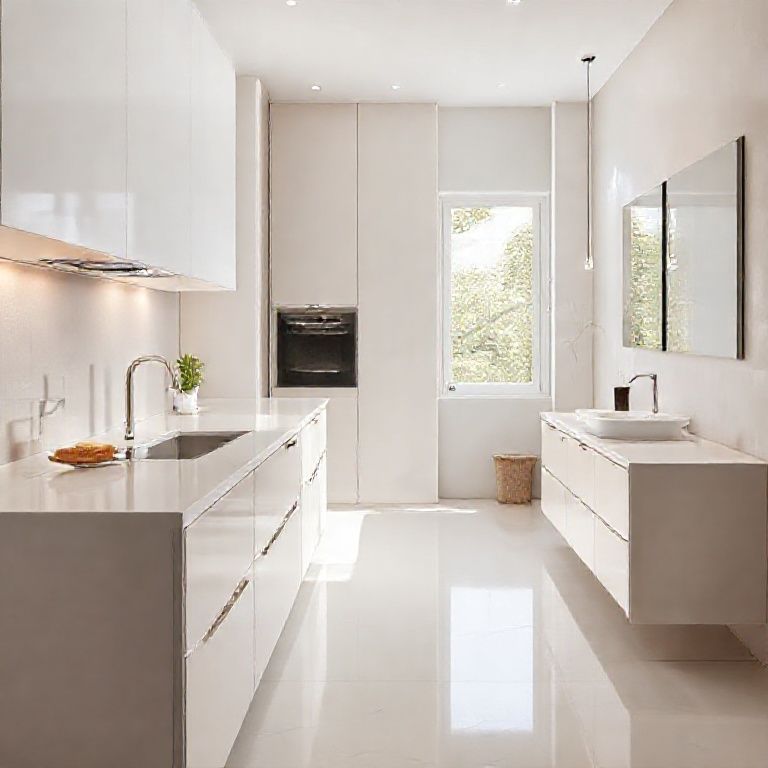
4. Low Maintenance
Another significant advantage of quartz countertops is their low maintenance requirements. Unlike natural stone countertops such as granite or marble, which need sealing and regular maintenance to maintain their beauty and functionality, quartz requires minimal upkeep. Simply wiping down the surface with a mild detergent and water will keep it looking new for years.
5. Heat Resistance
Quartz countertops are also highly resistant to heat. Unlike some other materials that can crack or discolor under prolonged exposure to high temperatures, quartz can withstand the heat from pots, pans, and cooking appliances. This makes it a practical choice for kitchens where cooking is a daily affair.
6. Eco-Friendly and Sustainable
Quartz is made from natural quartz crystals combined with other minerals, making it a more sustainable choice compared to other synthetic materials. It does not require any additional chemicals for its production, which means it’s a more environmentally friendly option. Additionally, it does not contain any harmful substances like formaldehyde, making it safe for indoor air quality.
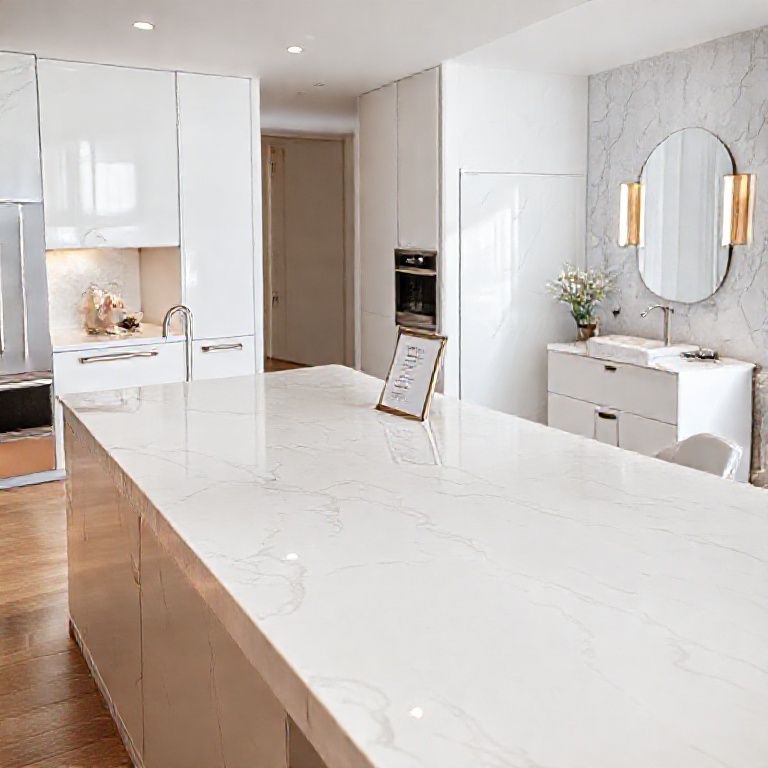
7. Cost-Effective
While the initial cost of quartz countertops can be higher than some other options, they offer excellent value for money in the long run. Their durability and low maintenance requirements mean that you’ll likely save on repairs and upkeep, making them a cost-effective choice over time.
In the next part of our exploration, we’ll delve into the potential drawbacks of quartz countertops, providing a balanced view to help you make an informed decision.
The Pros and Cons of Quartz Countertops: A Comprehensive Guide
Continuing our detailed examination of quartz countertops, this second part will focus on the potential drawbacks of this popular material. While quartz offers numerous advantages, it is essential to weigh these against any limitations to make a well-rounded decision. Here, we explore the potential downsides and considerations you should keep in mind.
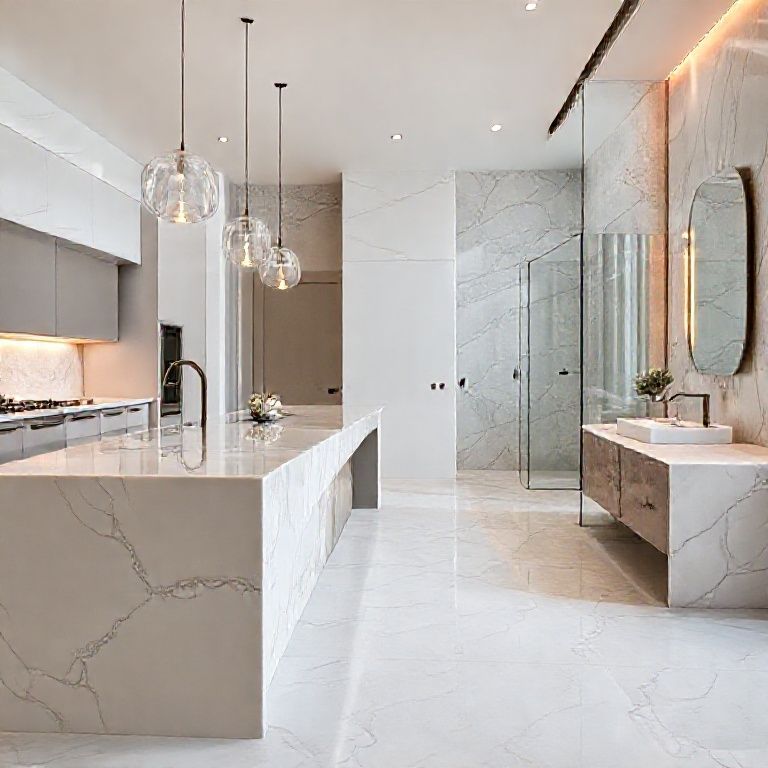
1. Initial Cost
One of the most significant drawbacks of quartz countertops is their initial cost. Due to the high-quality material and manufacturing process, quartz countertops generally come at a premium price compared to other countertop options like composite materials or even some natural stone choices. While the durability and low maintenance can offset this in the long run, the upfront investment might be a deterrent for some homeowners on a tight budget.
2. Installation Challenges
Although quartz is a durable material, its installation can be more complex compared to other countertop options. The process typically requires specialized tools and expertise to cut, install, and seal the countertops properly. This can result in higher labor costs and may necessitate hiring professional installers to ensure the best results. For DIY enthusiasts, this can be a significant hurdle.
3. Weight
Quartz countertops are heavier than many other countertop materials, which can pose challenges during installation, especially in areas where the existing cabinetry or structure may not be designed to support additional weight. This means that additional reinforcements might be required during installation, adding to both the time and cost of the project.
4. Limited Color Options
While quartz offers a vast array of colors and patterns, the range of natural stone-like finishes can be somewhat limited. Although quartz can mimic various stones, it might not perfectly replicate the unique veining and texture found in natural stone. This means that for some homeowners looking for a very specific aesthetic, quartz might not meet their exact needs.
5. Breakability
Despite its durability, quartz is not completely invulnerable. While it is highly resistant to scratches, chips, and dents, it can still break under extreme force. For example, a heavy object falling directly on a quartz countertop can cause it to shatter. While this is relatively rare, it is a consideration worth noting.
6. Heating Issues
Although quartz is heat-resistant, prolonged exposure to very high heat can cause the surface to become discolored or warped over time. While this is less common with modern quartz formulations, it is something to be aware of when considering the material for high-heat kitchen areas.
7. Limited Warranty
While many manufacturers offer warranties for their quartz countertops, these can sometimes be less comprehensive than those offered for other materials. The warranty length and coverage can vary widely, so it’s important to review the details carefully before making a decision. Some warranties may exclude certain types of damage or require specific maintenance practices to remain valid.
Conclusion
In conclusion, quartz countertops present a compelling mix of advantages and potential drawbacks. Their unmatched durability, resistance to stains, versatile aesthetics, low maintenance, heat resistance, eco-friendliness, and cost-effectiveness make them a popular choice for many homeowners. However, the higher initial cost, installation complexities, weight, limited color options, potential for breakage, heating issues, and varying warranty terms are factors that should be carefully considered.
When deciding whether quartz countertops are the right choice for your home, it’s crucial to weigh these pros and cons in the context of your specific needs and preferences. By doing so, you can make an informed decision that will enhance the beauty, functionality, and longevity of your kitchen or bathroom.
This comprehensive guide provides a balanced view of quartz countertops, offering insights into both their strengths and weaknesses. Whether you are a homeowner, a contractor, or simply curious about this popular material, this detailed analysis should help you make a well-informed choice.