${part1}
In the ever-evolving world of kitchen and bathroom design, quartz countertops have emerged as a leading choice for their impressive blend of durability, beauty, and low maintenance. Here are some of the primary advantages that make quartz a top contender:
Unmatched Durability
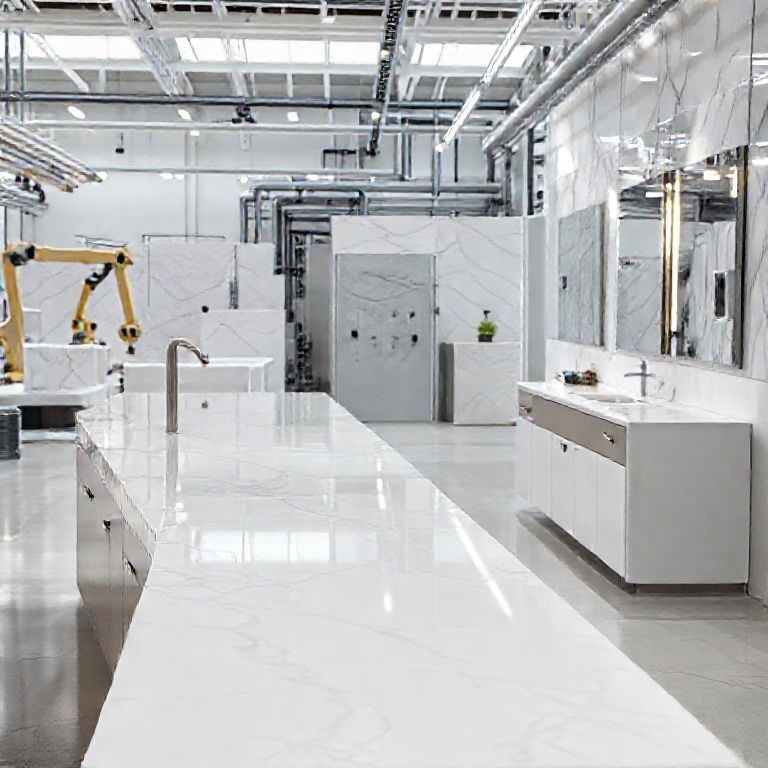
One of the most compelling reasons for choosing quartz countertops is their exceptional durability. Quartz is a type of engineered stone made from 93% natural quartz, which makes it extremely hard and resistant to scratches, stains, and dents. This inherent strength means that quartz countertops can withstand the rigors of daily use in both residential and commercial settings. Unlike traditional granite, which can be prone to staining and requires sealing, quartz offers a virtually seamless, stain-resistant surface.
Aesthetic Versatility
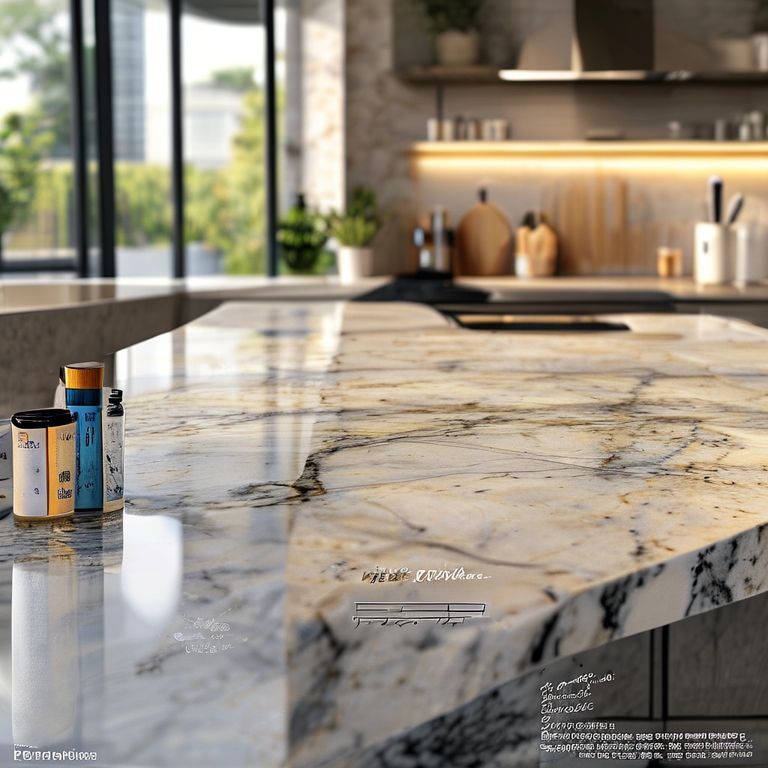
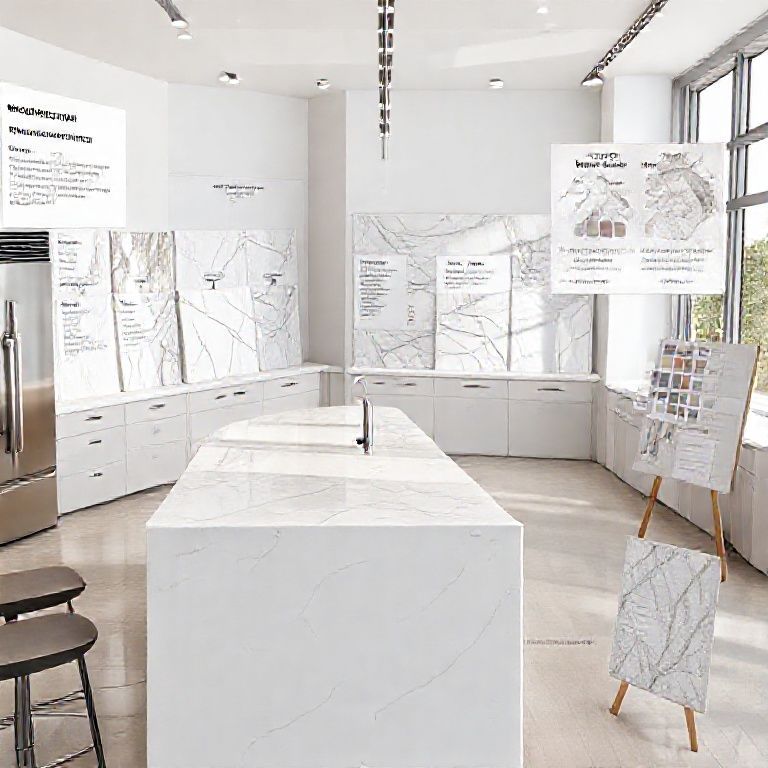
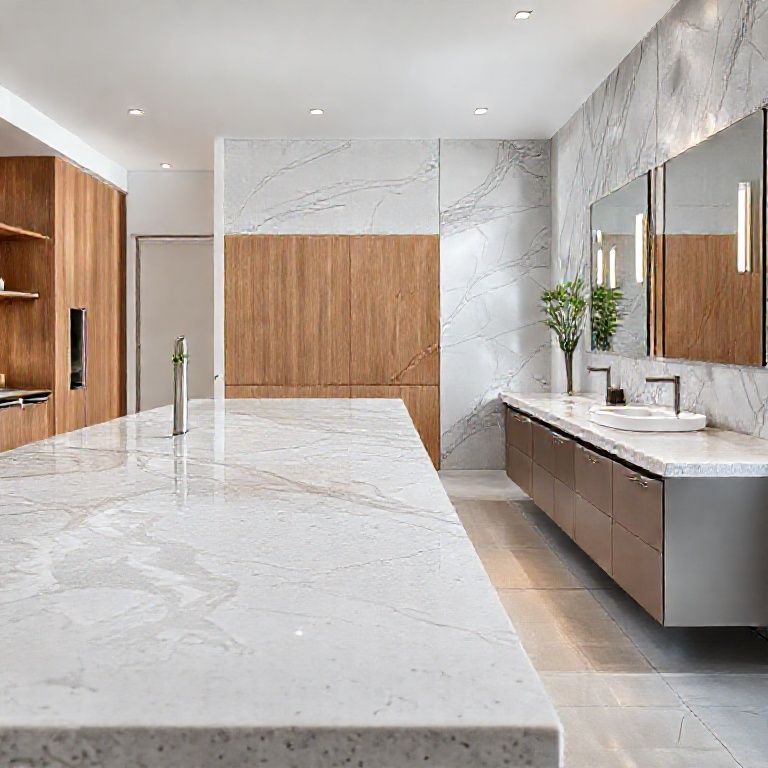
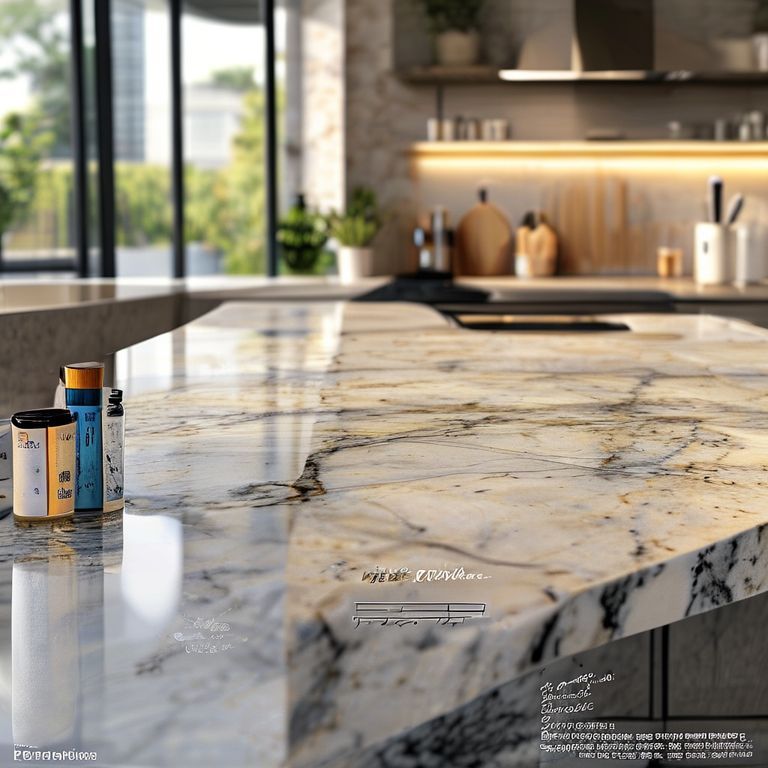
Quartz countertops come in an impressive array of colors, patterns, and finishes, offering virtually limitless design possibilities. From sleek, monochromatic shades to intricate, nature-inspired patterns that mimic everything from marble to wood, quartz allows homeowners and designers to create custom, eye-catching designs. The variety of options means that quartz can complement any style, from modern minimalism to rustic charm.
Low Maintenance
Maintenance is a significant consideration for any countertop material, but quartz stands out in this regard. Unlike natural stone options such as granite or marble, which require periodic sealing to prevent staining, quartz does not need to be sealed. Its non-porous surface means that spills and stains simply wipe off with minimal effort, making cleaning a breeze. This low-maintenance characteristic is particularly appealing for busy households and commercial kitchens where cleanliness is paramount.
Chemical Resistance
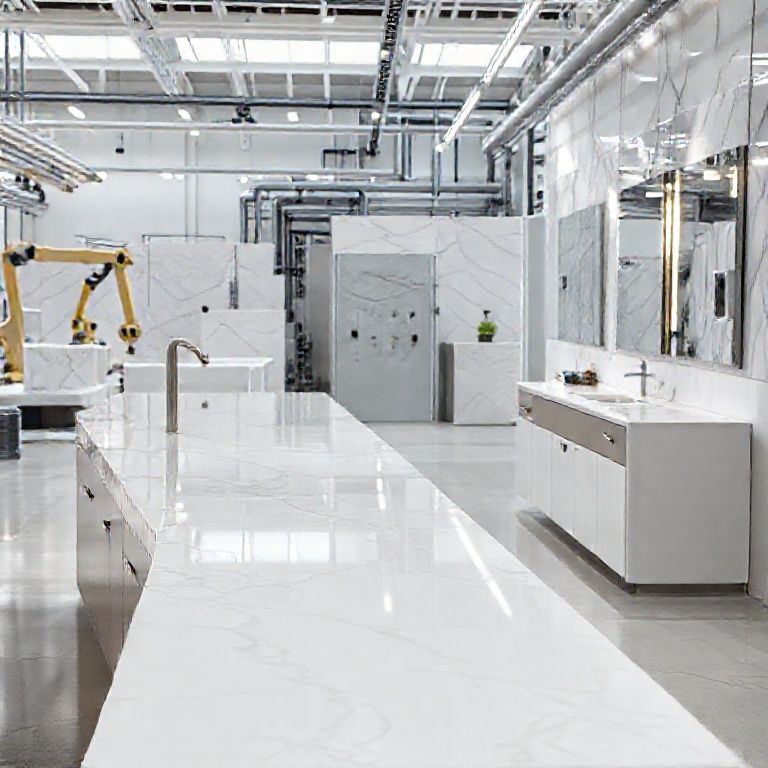
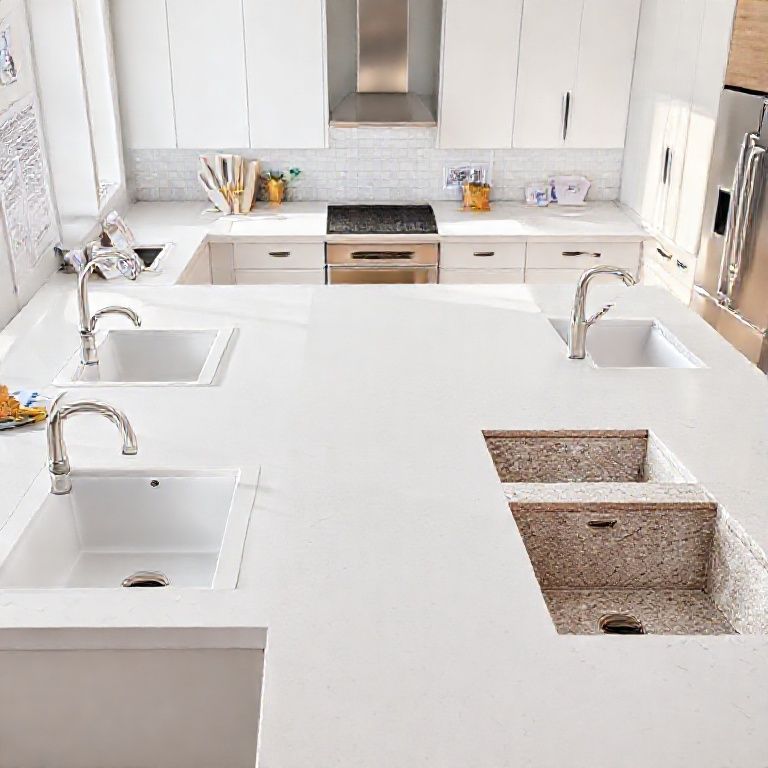
Another standout feature of quartz countertops is their resistance to chemicals, which makes them ideal for both kitchens and laboratories. Whether it’s the harsh detergents used in commercial kitchens or the household cleaners that might be accidentally splashed on kitchen countertops, quartz can handle it all without reacting or degrading. This resistance extends to other elements, such as heat, which makes quartz suitable for areas where hot pots and pans are frequently used.
Affordable Luxury
While quartz may not be the cheapest countertop material, its price point is often more accessible than other luxury options like marble or high-end granite. The cost-effectiveness of quartz, combined with its high-end look and performance, makes it an attractive choice for those who want luxury without breaking the bank.
Environmental Considerations
In an era where sustainability is a key concern, quartz offers a relatively eco-friendly option. Since it is an engineered product, it can be produced with a controlled manufacturing process that often results in less waste. Additionally, because quartz countertops are not sourced from natural quarries, they do not contribute to the environmental impact associated with the extraction and transportation of natural stone.
Instant Installation
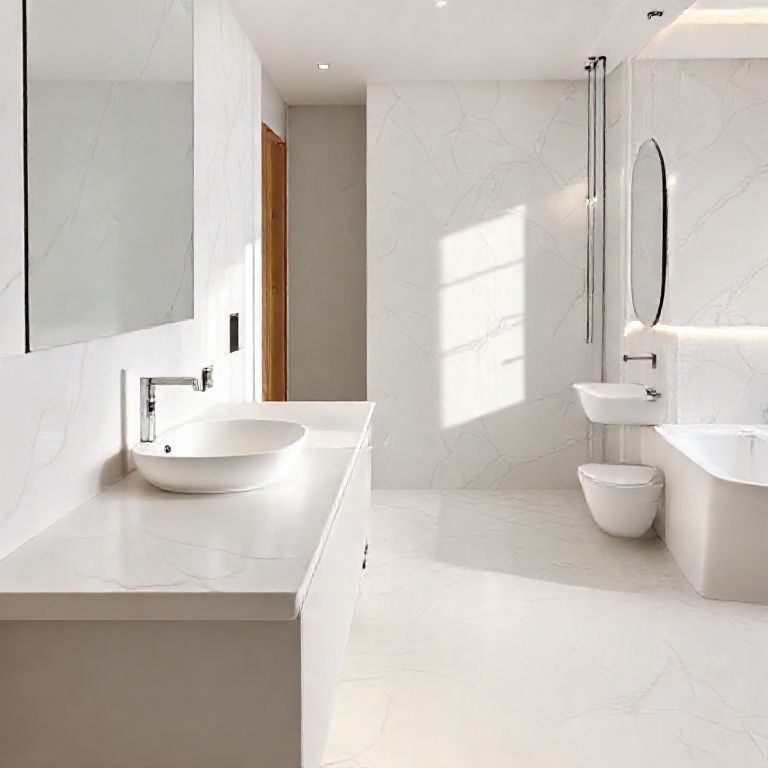
Quartz countertops are known for their ease of installation. Unlike natural stone, which can require precise cutting and fitting, quartz slabs can often be installed with minimal preparation. This simplicity translates to quicker installation times and can reduce overall costs for both DIY enthusiasts and professional installers.
Longevity
Given their durability and resistance to wear and tear, quartz countertops are built to last. With proper care, a quartz countertop can last for decades, making it a long-term investment. This longevity is another factor that adds value, as it means fewer replacements and lower long-term maintenance costs.
In conclusion, the pros of quartz countertops are numerous and compelling. From their unmatched durability and aesthetic versatility to their low maintenance and chemical resistance, quartz offers a powerful combination of performance and style that makes it an excellent choice for many.
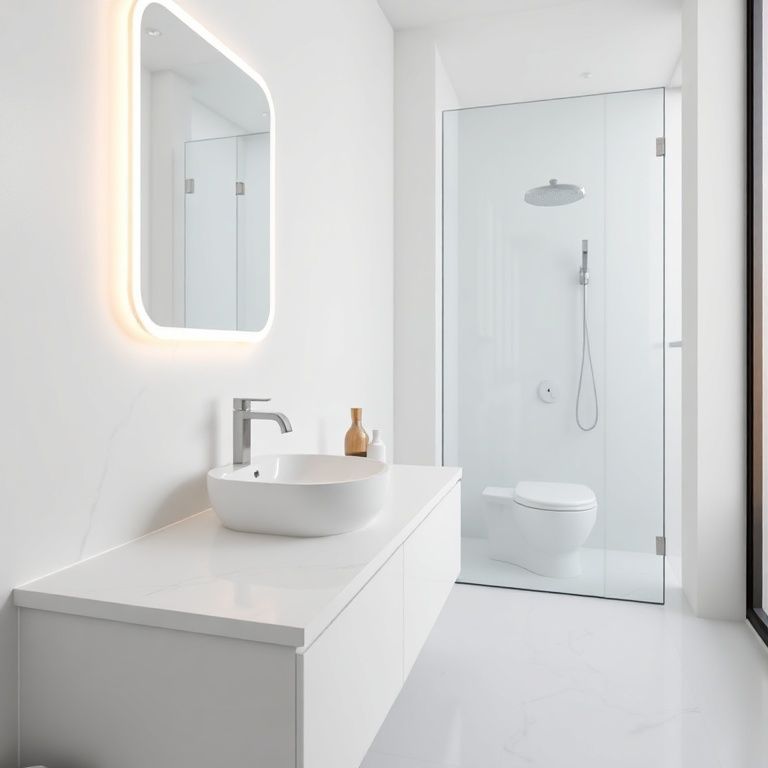
${part2}
${part2}
Despite their many advantages, quartz countertops are not without limitations. Understanding these potential drawbacks can help you make a well-informed decision when selecting the perfect countertop for your space. Here are some of the primary cons associated with quartz countertops:
Initial Cost
While quartz is generally more affordable than high-end natural stone options like marble or some types of granite, the initial cost can still be higher than some other countertop materials. The price difference can vary depending on the specific type and design of the quartz, but it’s important to factor in the upfront cost when planning your budget.
Installation Issues
Although quartz is relatively easy to install, there are still some considerations to keep in mind. Quartz slabs are solid pieces that need to be precisely cut to fit into the space. This means that while the installation process itself is straightforward, achieving a perfect fit can sometimes be challenging. Additionally, if you choose to install the quartz yourself, you’ll need to ensure you have the right tools and expertise to make clean cuts and ensure a secure fit.
Heat Resistance
While quartz is highly resistant to chemicals and stains, its heat resistance is not as impressive as some might expect. Although quartz can withstand high temperatures, prolonged exposure to intense heat can cause the surface to weaken over time. This makes quartz less ideal for areas where extremely hot pots and pans are frequently used, unless they are placed on trivets or other heat-resistant pads.
Limited Texture Options
One of the main drawbacks of quartz countertops is the limited range of textures and finishes. While quartz offers a wide array of colors and patterns, the surface texture options are somewhat limited compared to natural stone materials like granite or marble. This means that if you are looking for a countertop with a unique, tactile surface, quartz might not be the best choice.
Environmental Impact
Although quartz is produced in a controlled manufacturing process, it’s still an engineered product that involves energy consumption and potentially harmful emissions during its production. While the environmental impact is generally less than that of natural stone extraction, it’s still something to consider, especially for environmentally-conscious consumers.
Breakability
While quartz is incredibly durable and resistant to scratches and stains, it is not entirely indestructible. Quartz can still break if subjected to extreme impacts, such as a heavy object falling onto it. While this is relatively rare, it’s a potential risk factor to consider, particularly in spaces where heavy items are frequently moved.
Warranty Limitations
While most manufacturers offer warranties for their quartz countertops, these warranties often have limitations. For example, they may not cover damage caused by extreme impacts, chemical spills, or improper installation. It’s important to read the warranty carefully and understand what is and isn’t covered to ensure you are protected against potential issues.
Aesthetic Limitations
While quartz offers a wide range of colors and patterns, the aesthetic options are still somewhat limited compared to natural stone. Natural stone materials like granite and marble offer a more organic, varied appearance that can add unique character to a space. Quartz, on the other hand, tends to offer a more uniform, polished look that might not appeal to everyone.
Maintenance of Embedded Objects
Quartz countertops are known for their seamless, non-porous surface, which makes them easy to clean. However, this same characteristic can sometimes make it difficult to remove embedded objects, such as food particles or small debris that might get stuck in the surface. While this is generally not a major issue, it’s something to be aware of, particularly if you have pets or small children.
In conclusion, while quartz countertops offer numerous benefits, it’s important to consider their potential drawbacks as well. By understanding both the pros and cons, you can make a well-informed decision that best suits your needs and preferences.
By weighing the pros and cons of quartz countertops, you can make a more informed decision about whether this popular material is the right choice for your kitchen or bathroom. Whether you are drawn to its durability, low maintenance, and aesthetic versatility, or need to consider its potential limitations, this comprehensive guide provides the insights you need to make a confident choice.