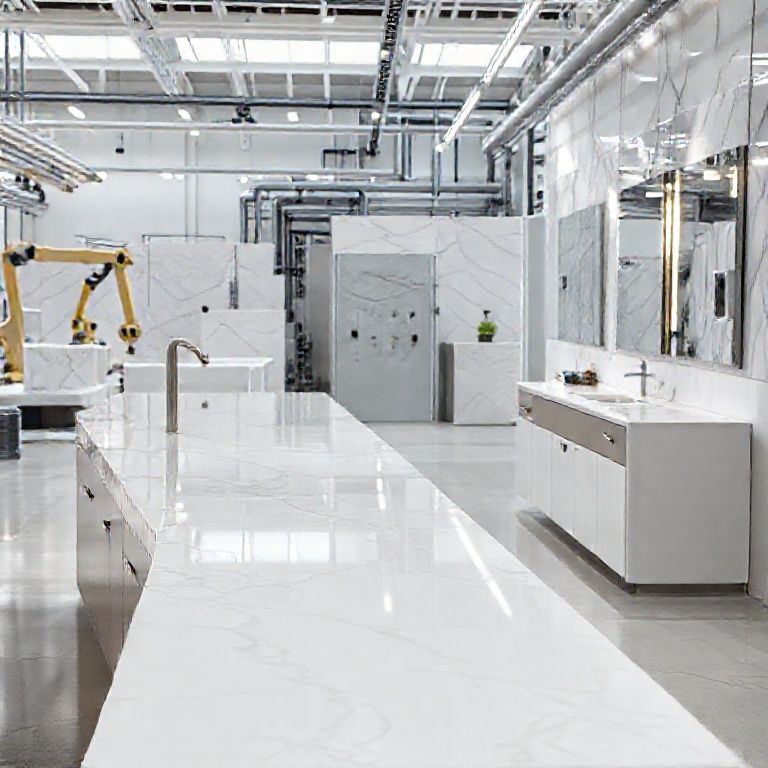
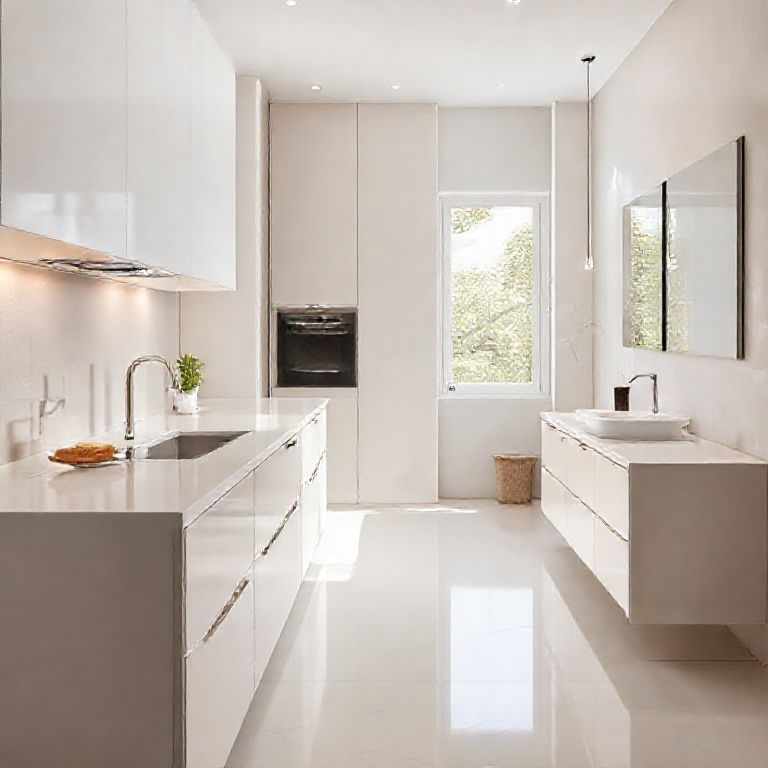
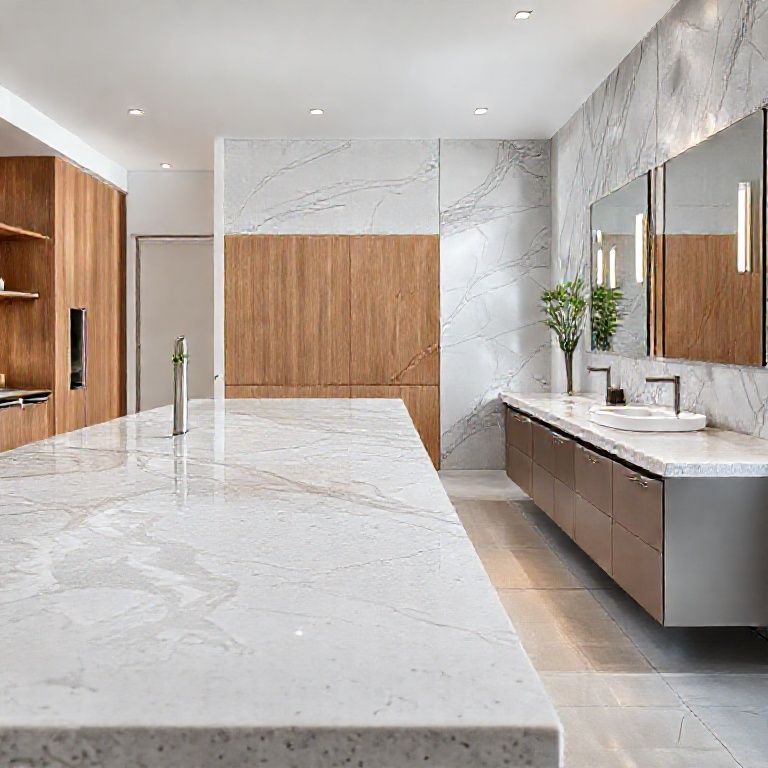
In this detailed and engaging exploration, we delve into the world of synthetic stone countertops. We’ll examine their advantages and disadvantages, providing a comprehensive overview that will help you make an informed decision about whether this modern material is right for your home. Join us as we uncover the secrets behind synthetic stone countertops and explore their myriad uses in contemporary kitchen and bathroom design.

The Pros and Cons of Synthetic Stone Countertops: A Comprehensive Guide
Synthetic stone countertops have revolutionized the way we think about kitchen and bathroom surfaces. Combining the aesthetic appeal of natural stone with the durability and low maintenance of composite materials, these surfaces have become increasingly popular. In this first part of our detailed exploration, we’ll dive into the numerous advantages of synthetic stone countertops, examining why they have captured the hearts (and countertops) of many homeowners.
Durability and Strength
One of the standout features of synthetic stone countertops is their incredible durability. Composed of a blend of natural stone aggregates and resins, these countertops are designed to withstand heavy use. Unlike natural stone, synthetic stone does not suffer from the same issues of cracking or splitting under pressure. This makes it an excellent choice for high-traffic areas such as kitchens, where the constant use of knives, pots, and pans can be a concern.
Affordability
Synthetic stone countertops offer a cost-effective alternative to traditional natural stone. The production process for synthetic stone is more economical, allowing manufacturers to offer these countertops at a fraction of the cost. This affordability extends to installation as well. Synthetic stone is often easier to install than natural stone, which can be a labor-intensive process. This means that homeowners can achieve a professional-looking finish without the hefty price tag.

Design Versatility
The design possibilities with synthetic stone are nearly limitless. Manufacturers can create a wide range of colors, patterns, and textures that mimic natural stone while offering unique designs that are not possible with traditional materials. This versatility means that synthetic stone countertops can be customized to fit any aesthetic, from rustic to ultra-modern. Homeowners can choose from a plethora of styles that align with their personal taste and design vision.
Low Maintenance
One of the most appealing aspects of synthetic stone countertops is their low maintenance. Unlike natural stone, which requires sealing and periodic re-application of oils to maintain its beauty and protect it from stains, synthetic stone is inherently more resistant to staining and scratching. This means less time spent on upkeep and more time enjoying your kitchen or bathroom.
Chemical Resistance
Synthetic stone countertops are highly resistant to a variety of chemicals, including bleach, wine, and coffee. This makes them ideal for kitchens where cleaning products and cooking spills are common. The resistance to chemical damage ensures that your countertop will maintain its appearance and integrity over time.

Environmental Considerations
Another significant advantage of synthetic stone countertops is their environmental benefits. The production process for synthetic stone typically involves fewer environmental pollutants compared to natural stone quarrying. Additionally, synthetic stone does not require the use of additional materials like glues or sealants, which can sometimes contain volatile organic compounds (VOCs). This makes synthetic stone a more eco-friendly option.
In the next part of our series, we will explore the potential drawbacks of synthetic stone countertops, providing a balanced view of this popular material. Stay tuned to learn more about what you should consider before making your choice.
The Pros and Cons of Synthetic Stone Countertops: A Comprehensive Guide
Having explored the many advantages of synthetic stone countertops in the first part of this series, we now turn our attention to the potential drawbacks. While synthetic stone offers numerous benefits, it is important to understand any limitations to make a fully informed decision. In this second part, we will discuss the potential downsides of synthetic stone countertops, providing a balanced perspective to help you weigh the pros and cons.
Weight and Installation Challenges
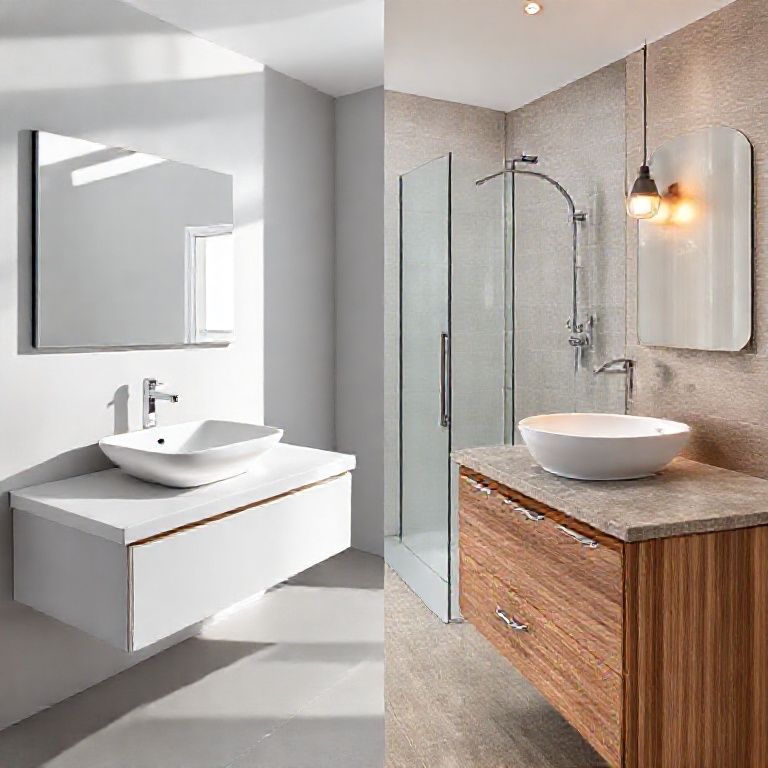
One of the primary drawbacks of synthetic stone countertops is their weight. Unlike natural stone, which can often be light and easily handled, synthetic stone is much heavier. This can make installation more challenging and labor-intensive, potentially requiring the use of additional supports or assistance from professionals. The weight can also make moving or replacing the countertops more difficult if you ever need to do so in the future.
Heat Resistance
While synthetic stone is durable and resistant to many chemicals, it is not as heat-resistant as natural stone. High heat sources, such as hot pots or pans, can cause synthetic stone to discolor or warp over time. Although this is less likely to happen than with natural stone, it is something to keep in mind if you frequently use your countertops for cooking or have a habit of placing hot items directly on the surface.
Aesthetic Limitations
While synthetic stone offers a wide range of designs, it still cannot perfectly replicate the unique beauty of natural stone. The patterns and textures of natural stone are often more intricate and varied, offering a level of uniqueness that synthetic stone can sometimes struggle to match. This can be a significant consideration for homeowners who place a high value on the natural aesthetic of stone.
Cost of Repairs
Although synthetic stone countertops are low maintenance, they are not entirely impervious to damage. If your countertop does get scratched or cracked, repairing it can be more complex than with natural stone. Some types of synthetic stone may require professional repair services, which can be costly. Additionally, warranty issues can arise, and not all synthetic stone countertops come with comprehensive warranties.
Environmental Concerns
While synthetic stone is generally more environmentally friendly than natural stone in terms of production, there are still some concerns. The resins and other materials used in synthetic stone production can sometimes be made from petrochemicals, which may raise questions about their environmental impact. Additionally, the disposal of synthetic stone at the end of its life cycle can pose challenges, as it may not be as easily recyclable as other materials.
Initial Cost and Budget Considerations
Although synthetic stone is generally more affordable than natural stone, the initial cost can still be a consideration for some homeowners. Depending on the design and quality of the countertop, the price can sometimes be close to that of high-end natural stone. It is important to factor in these costs when planning your budget, especially if you are comparing synthetic stone to natural stone alternatives.
In conclusion, while synthetic stone countertops offer numerous advantages such as durability, affordability, and low maintenance, they also have some potential drawbacks that are worth considering. By weighing both the pros and cons, you can make a well-informed decision that aligns with your needs and preferences. Whether you choose synthetic stone or another material, the key is to select a countertop that not only enhances the beauty of your space but also meets your functional requirements.
For further information and to explore your options, consult with professionals in your area who can provide expert advice tailored to your specific needs.