The Pros and Cons of Synthetic Stone Countertops: An In-Depth Exploration
When it comes to home renovation, one of the most critical choices is selecting the right material for your kitchen and bathroom countertops. Synthetic stone countertops have surged in popularity due to their impressive qualities and versatility. This guide will delve into the numerous benefits and potential drawbacks of synthetic stone, supported by high-quality images to help you make an informed decision.
Durability and Strength
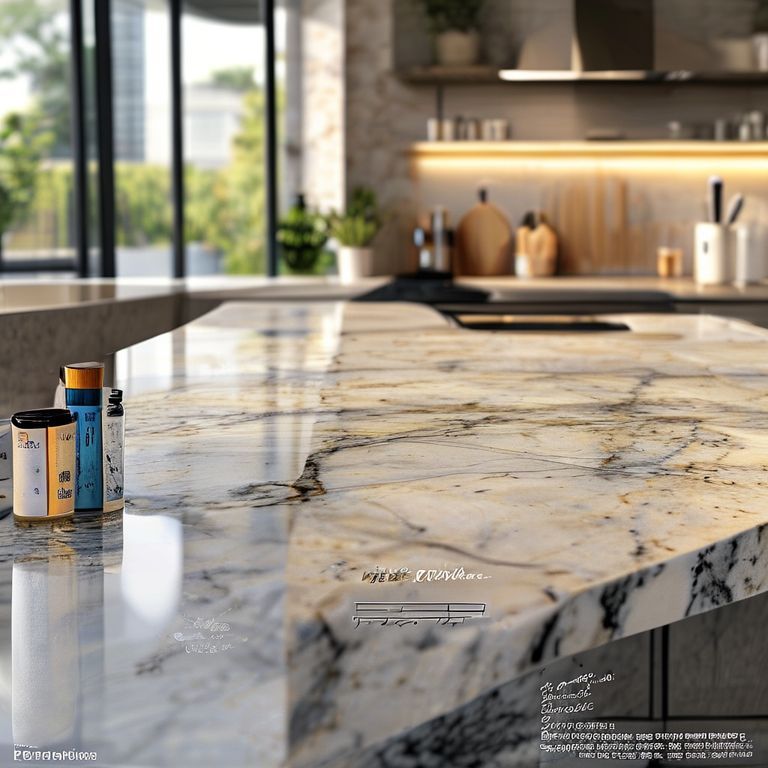
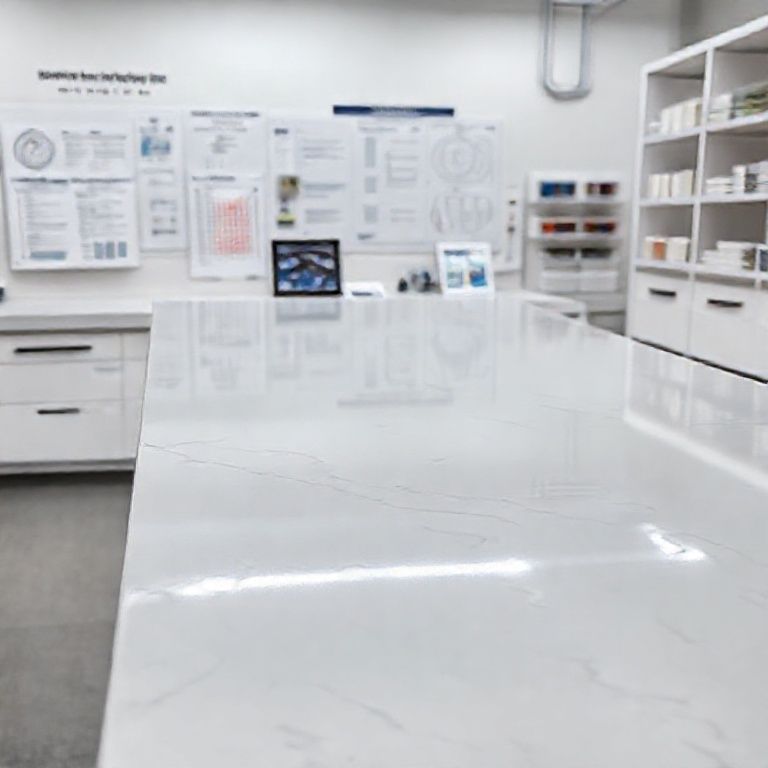
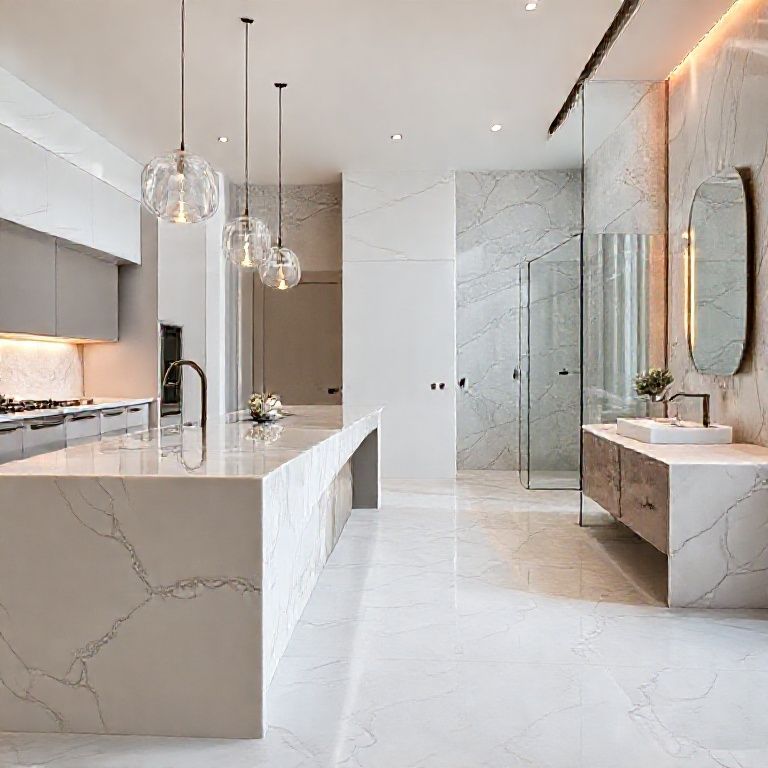
One of the most significant advantages of synthetic stone countertops is their unparalleled durability. These countertops are designed to mimic the appearance of natural stone while offering superior strength. They are highly resistant to scratches, chips, and stains, which makes them an excellent choice for high-traffic areas. Unlike natural stone, synthetic stone does not suffer from the inherent issues of natural stone such as cracks and chips, providing a consistent and long-lasting surface.
[Image 1: Durable Synthetic Stone Countertop in a Kitchen]
Affordability
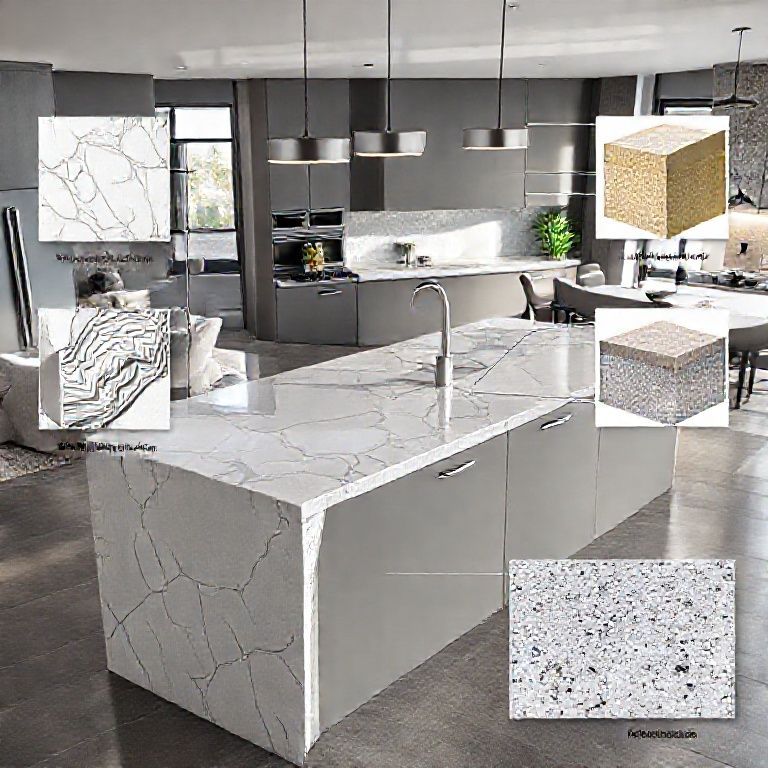
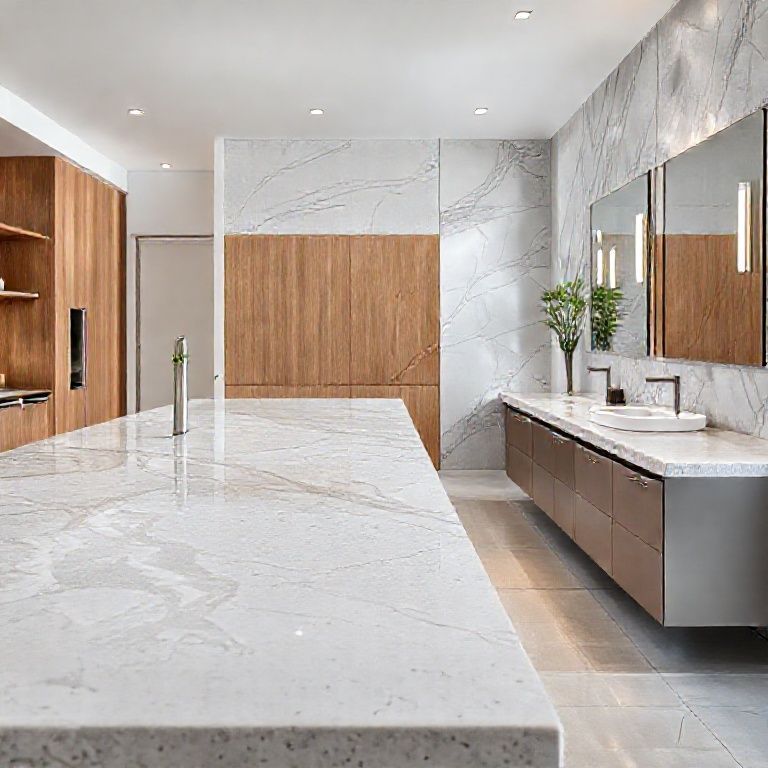
Another major advantage of synthetic stone is its affordability. Generally, synthetic stone countertops are less expensive than natural stone options. This cost-effectiveness makes them an ideal choice for homeowners who are looking to renovate without breaking the bank. Additionally, synthetic stone is available in a wide range of colors and styles, allowing for significant customization without the premium price tag of natural stone.
[Image 2: Affordable Synthetic Stone Countertop in a Budget-Friendly Kitchen]
Maintenance-Free Surfaces
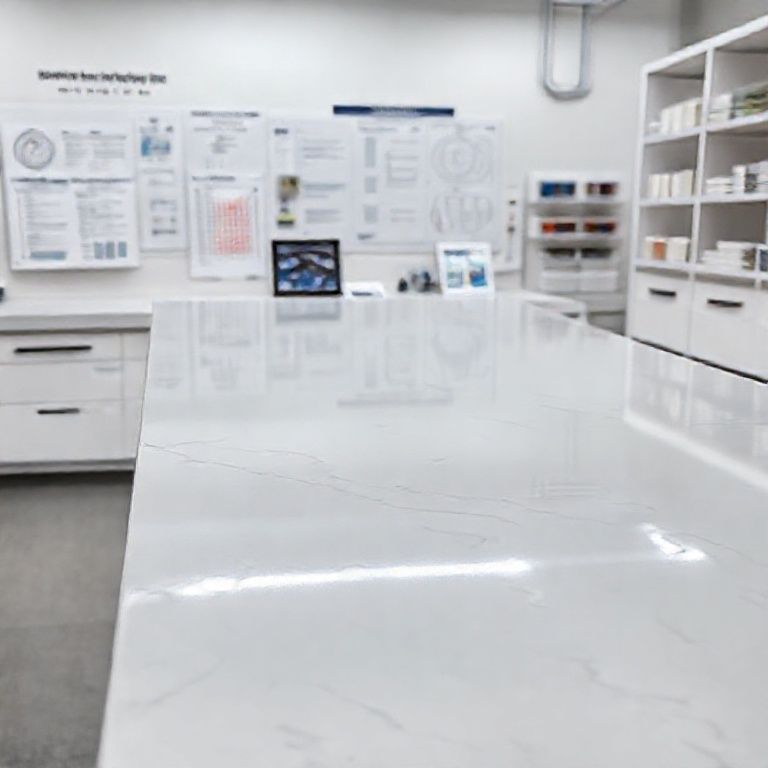
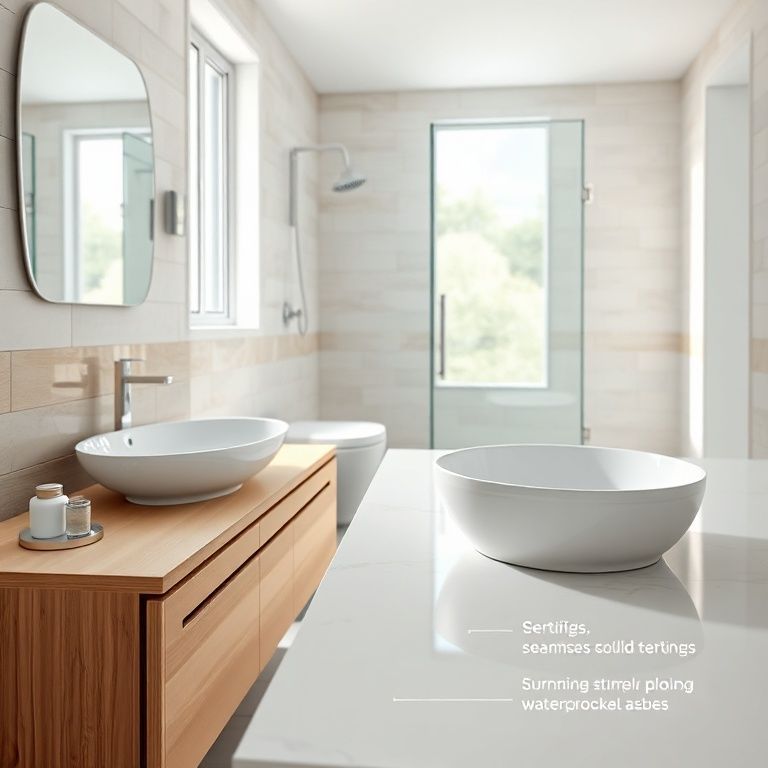
Maintaining synthetic stone countertops is a breeze. Unlike natural stone, which often requires sealing and regular maintenance to prevent stains and maintain its appearance, synthetic stone requires minimal upkeep. This is particularly advantageous for busy households or those who prefer a hassle-free cleaning routine. The non-porous nature of synthetic stone ensures that liquids do not penetrate the surface, reducing the likelihood of stains and making cleaning easier.
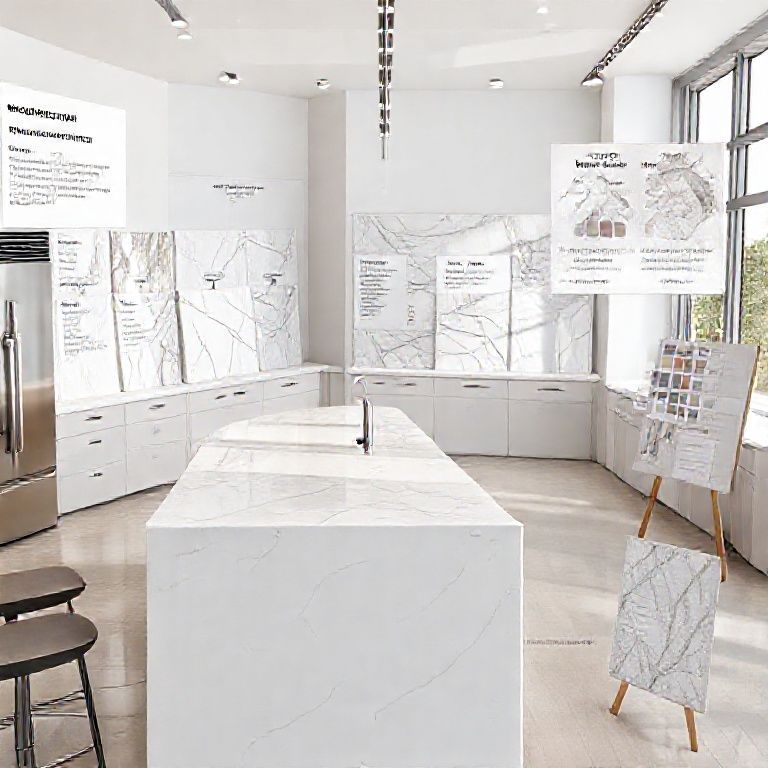
[Image 3: Easy-to-Clean Synthetic Stone Countertop in a Modern Kitchen]
Customization and Versatility
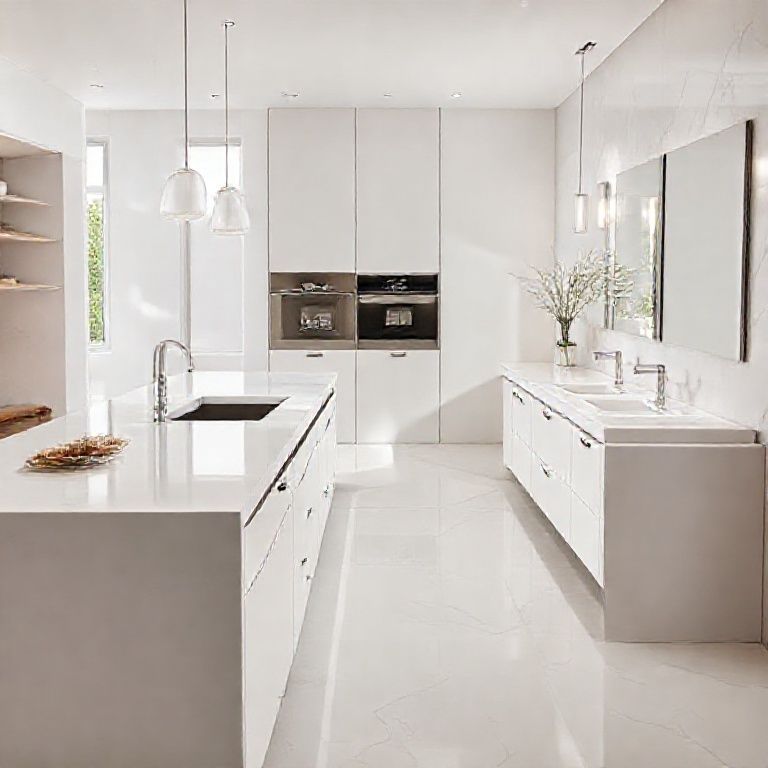
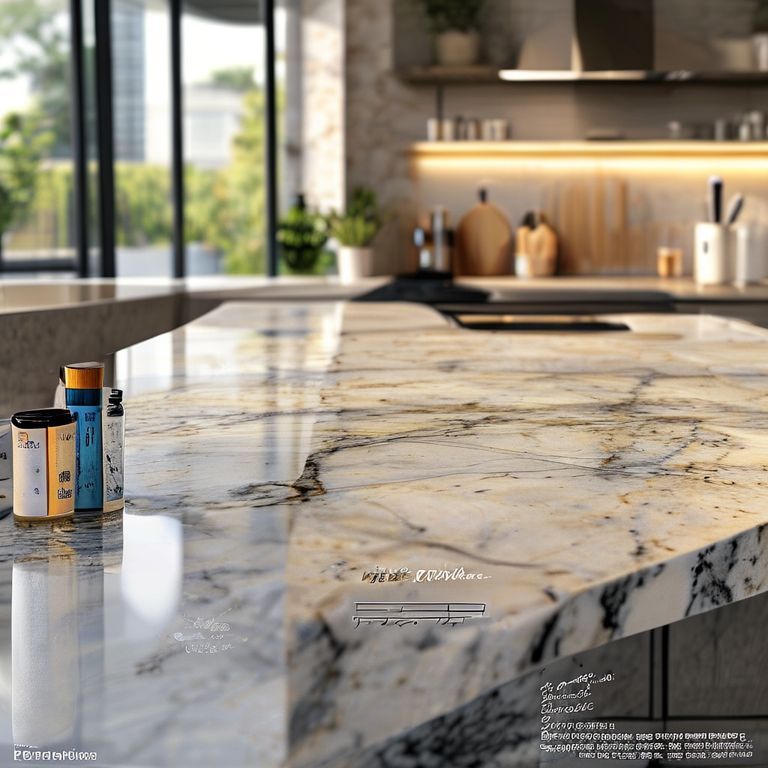
Synthetic stone countertops offer an exceptional level of customization. Manufacturers can create a virtually limitless array of patterns and finishes, allowing homeowners to choose designs that match their aesthetic preferences perfectly. Whether you want a traditional marble look or a contemporary granite finish, synthetic stone can be engineered to fit the desired style. This versatility extends beyond kitchen and bathroom use; synthetic stone is also suitable for bars, dining tables, and other areas where durability and appearance are crucial.
[Image 4: Custom-Designed Synthetic Stone Countertop with Unique Pattern]
Environmental Considerations
In today’s environmentally-conscious world, synthetic stone is often a preferred choice for its sustainability. The production of synthetic stone typically involves fewer environmental impacts compared to the extraction and transportation of natural stone. Additionally, synthetic stone countertops are often made from recycled materials, contributing to a lower carbon footprint. This makes synthetic stone a more eco-friendly option for environmentally-aware homeowners.
[Image 5: Eco-Friendly Synthetic Stone Countertops Made from Recycled Materials]
Water Resistance
Water resistance is another critical feature of synthetic stone countertops. The non-porous nature of synthetic stone ensures that water does not seep into the material, reducing the risk of water damage and making it an excellent choice for both kitchen and bathroom applications. This feature is particularly beneficial in areas where water exposure is common, such as under sinks or near showers.
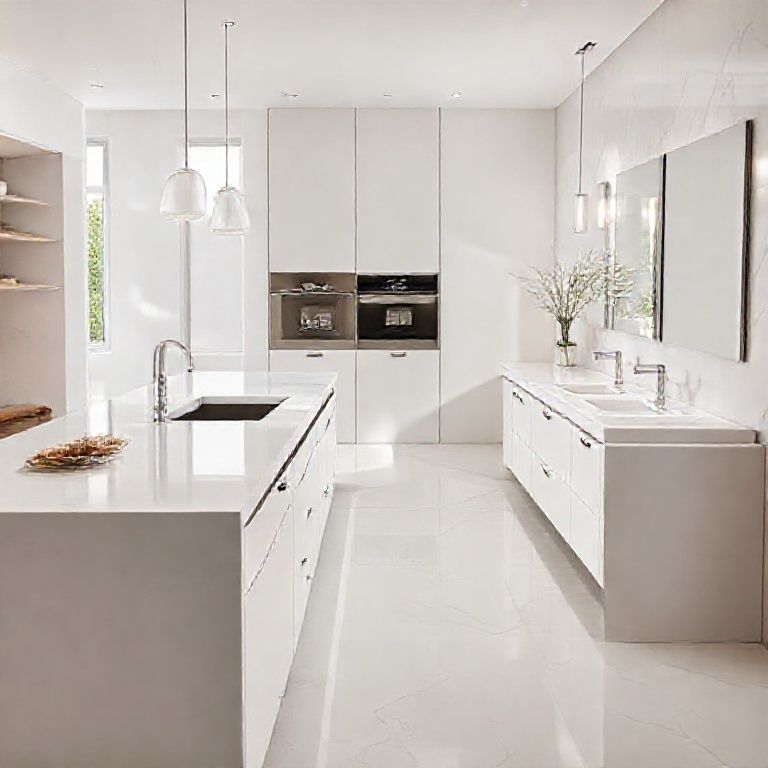
[Image 6: Water-Resistant Synthetic Stone Countertop Near a Kitchen Sink]
Conclusion
Synthetic stone countertops bring numerous benefits to modern home renovation projects. From their exceptional durability and affordability to their low maintenance requirements and customizable designs, these countertops offer a compelling alternative to traditional materials. With a focus on sustainability and water resistance, synthetic stone stands out as a practical and stylish choice for those looking to enhance their kitchen and bathroom spaces.
The Pros and Cons of Synthetic Stone Countertops: An In-Depth Exploration
Continuing our detailed exploration of synthetic stone countertops, we now address some of the potential drawbacks of these popular kitchen and bathroom surfaces. While synthetic stone offers many advantages, it’s important to understand any limitations that may come into play during your renovation project.
Appearance and Realism
While synthetic stone can closely mimic the appearance of natural stone, there are some differences that might be noticeable to discerning eyes. The most significant drawback in this area is the lack of true realism. Synthetic stone, no matter how expertly crafted, will never perfectly replicate the unique and natural imperfections found in real stone. This can be a deal-breaker for those who prefer the authentic look of natural stone.
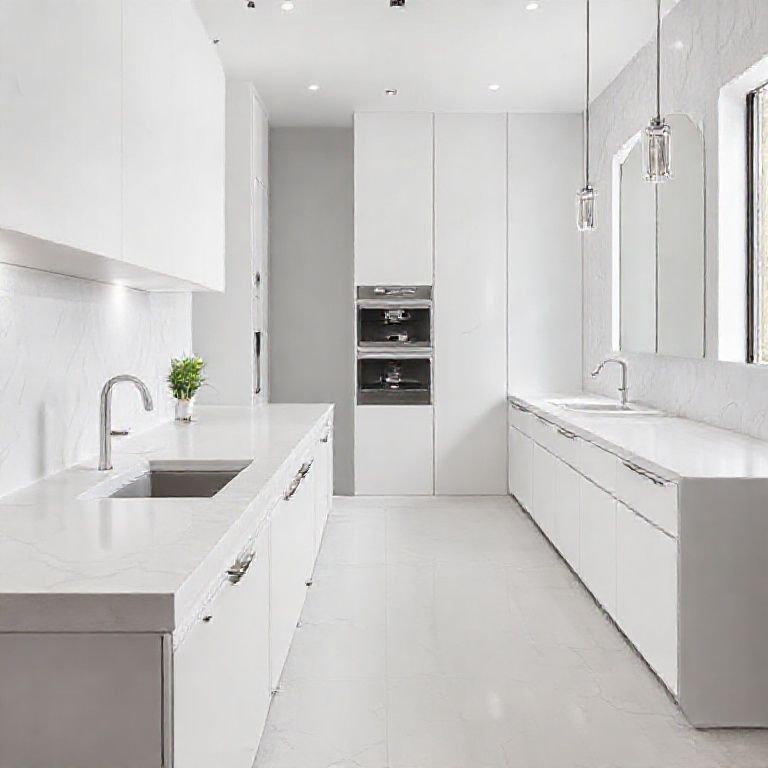
[Image 7: Synthetic Stone Countertop with Noticeable Differences Compared to Natural Stone]
Installation Complexity
Another potential downside of synthetic stone countertops is the installation process. Unlike natural stone, which can often be set directly onto a substrate, synthetic stone typically requires a more complex installation. This often involves adhesives and additional support structures, which can add time and cost to the installation process. Additionally, professional installation is often recommended to ensure the best results, which can further increase the overall cost.
[Image 8: Complex Installation Process for Synthetic Stone Countertops]
Heat Resistance
While synthetic stone is durable and resistant to many types of damage, it is not as heat-resistant as some other materials. High temperatures can cause synthetic stone to become discolored or damaged, especially if it’s not properly sealed. This means that synthetic stone may not be the best choice for areas where high heat is a concern, such as near stoves or ovens. However, there are heat-resistant formulations available that can mitigate this issue to some extent.
[Image 9: Synthetic Stone Countertop Showing Discoloration Due to High Heat]
Chemical Resistance
While synthetic stone is generally resistant to many chemicals, it is not entirely impervious. Strong acids and some cleaning agents can potentially damage synthetic stone over time, leading to discoloration or other forms of degradation. This means that special care must be taken when using harsh chemicals around synthetic stone countertops. Homeowners should always check the manufacturer’s guidelines for recommended cleaning products and practices.
[Image 10: Synthetic Stone Countertop Damaged by Strong Chemicals]
Weight and Installation
Synthetic stone countertops can be heavier than expected, especially when compared to other modern materials like quartz or Corian. This added weight can complicate the installation process, requiring more robust support structures and potentially increasing the weight of cabinetry and other fixtures. Homeowners need to consider these factors when planning the installation of synthetic stone countertops.
[Image 11: Heavy Synthetic Stone Countertop Requiring Additional Installation Support]
Environmental Concerns
While synthetic stone can be made from recycled materials, the production process still involves the use of chemicals and manufacturing processes that can have environmental impacts. The extraction of raw materials for natural stone, while having its own set of environmental concerns, typically involves less chemical use than the production of synthetic stone. This is something to consider when evaluating the overall environmental footprint of your renovation project.
[Image 12: Environmental Concerns Related to the Production of Synthetic Stone]
Cost Over Time
Although synthetic stone is generally more affordable upfront compared to natural stone, the cost savings may not always hold true over the long term. The durability of synthetic stone is one of its major selling points, but it’s essential to consider potential costs related to repairs, replacements, or additional installations. While synthetic stone typically requires less maintenance, unforeseen issues can still arise that may necessitate professional intervention.
[Image 13: Potential Long-Term Costs Associated with Synthetic Stone Countertops]
Conclusion
While synthetic stone countertops offer numerous benefits, it’s essential to weigh these against their potential drawbacks. From their realistic appearance issues to installation complexities and chemical resistance concerns, there are several factors to consider. However, with proper selection, installation, and care, synthetic stone can provide a durable, stylish, and low-maintenance option for your kitchen and bathroom renovation.
By understanding both the advantages and disadvantages of synthetic stone countertops, you can make an informed decision that best suits your needs and preferences. Whether you prioritize durability, affordability, or low maintenance, synthetic stone is a versatile option worth considering in your next home renovation project.