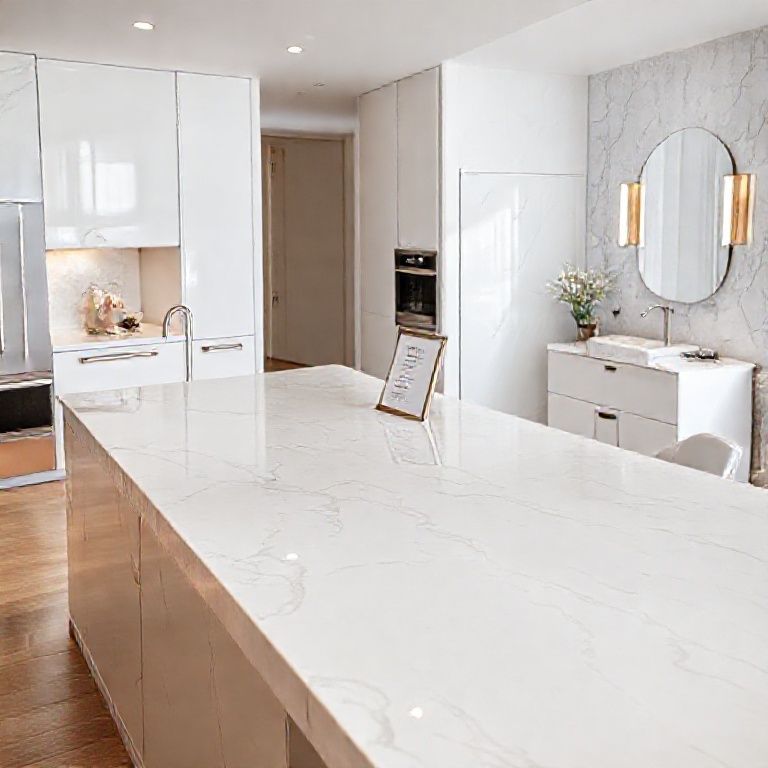
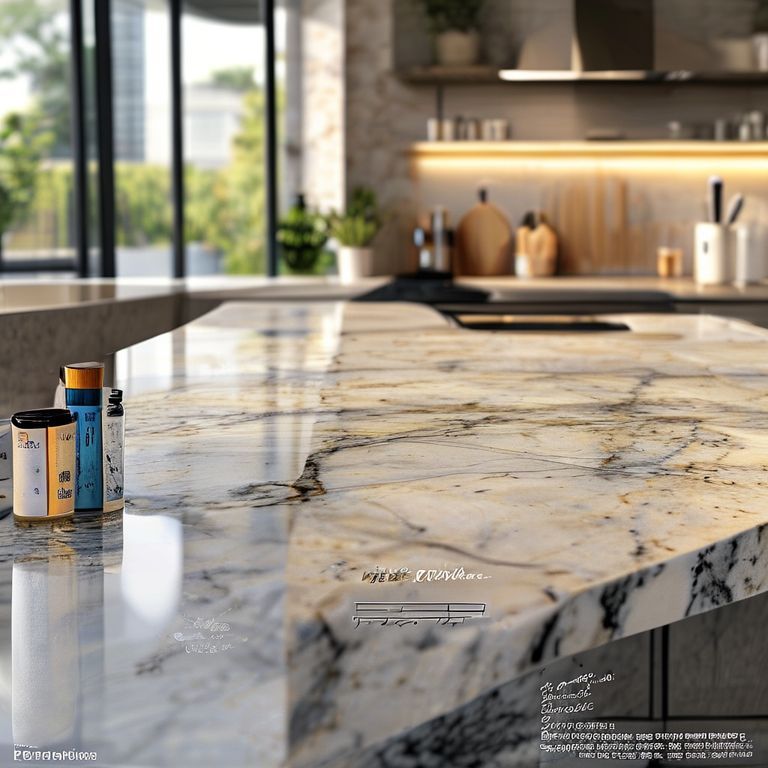
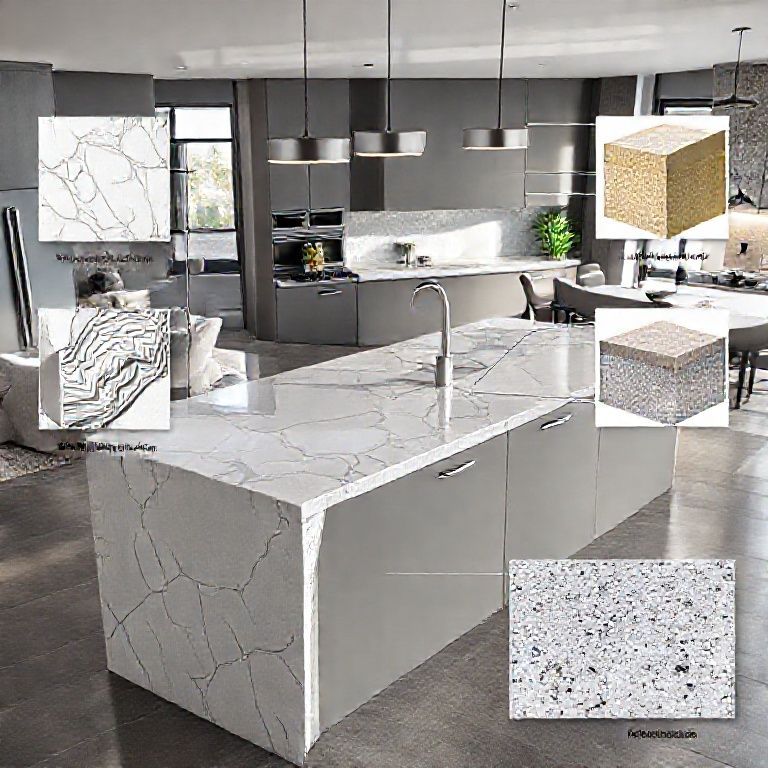
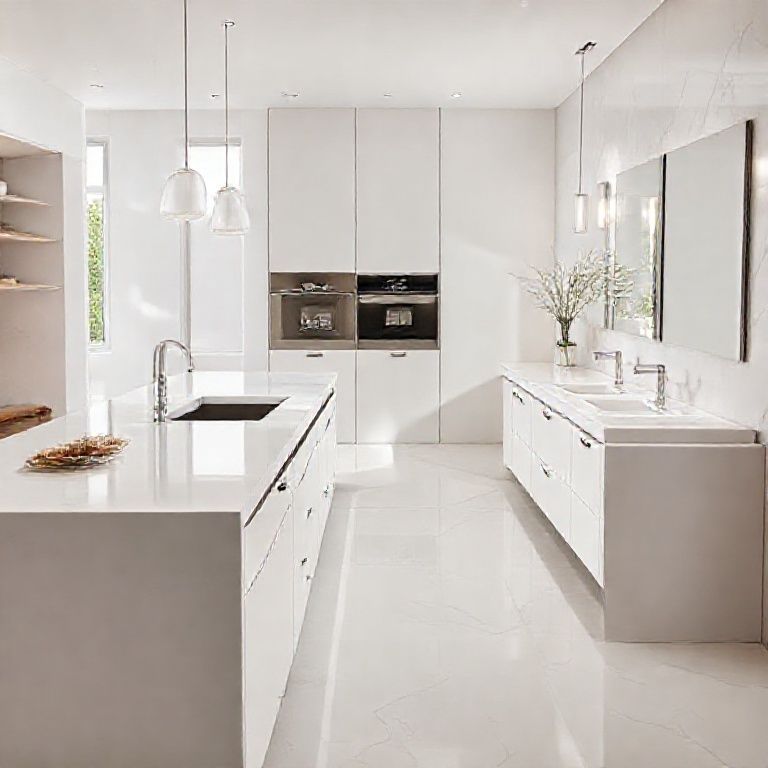
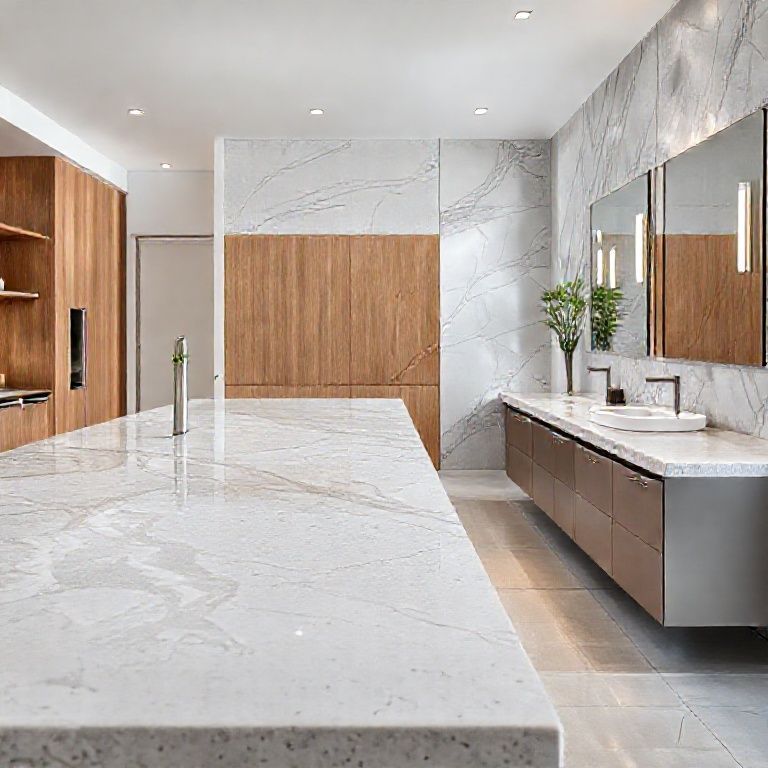
The quality of artificial stone countertops has become a significant consideration for homeowners and professionals alike, especially as these surfaces have gained immense popularity in kitchen and bathroom design. Artificial stone, often referred to as cultured stone, offers a luxurious look that rivals natural stone while providing unmatched durability and versatility. However, not all artificial stone countertops are created equal. To help you navigate this modern material, we’ll delve into the key factors that determine the quality of these beautiful surfaces.
Material Composition
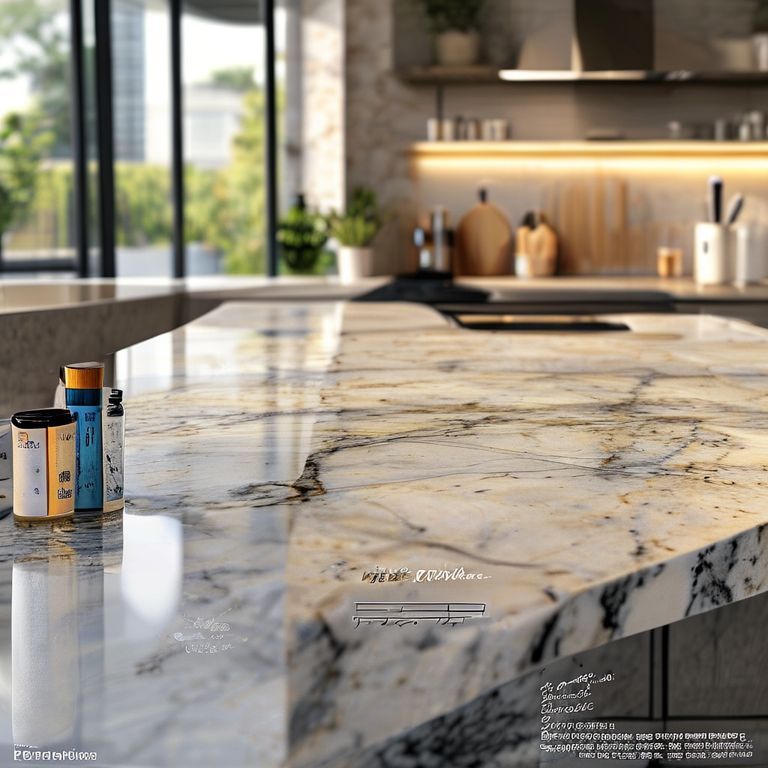
At the heart of any high-quality artificial stone countertop is its material composition. Unlike natural stone, which is a single material, artificial stone is a composite material made from a blend of natural stone powders, resins, and pigments. The quality of these components plays a crucial role in the final product’s appearance and durability.
Stone Powder Quality: The type and quality of stone powder used in artificial stone significantly affect its strength and appearance. Higher-quality stone powders, such as those derived from marble or granite, contribute to a more refined and aesthetically pleasing finish. These powders also enhance the countertop’s scratch and stain resistance.
Resins and Pigments: The resins used in artificial stone provide the binding agent that holds the stone powder together, while pigments give the countertop its vibrant color. Premium resins ensure better adhesion and durability, while high-quality pigments create long-lasting, vivid colors that remain vibrant over time.
Manufacturing Process
The manufacturing process of artificial stone countertops is another critical factor in determining their quality. The way these materials are combined and processed can significantly impact the final product’s characteristics.
Molding Techniques: Advanced molding techniques, such as compression molding, are essential for creating a smooth, even surface with minimal defects. Proper curing under controlled temperature and pressure conditions ensures that the stone powder is thoroughly bonded, resulting in a robust and uniform countertop.
Quality Control: Rigorous quality control measures are vital to ensure consistency and reliability. Manufacturers that employ strict quality control protocols can produce countertops that meet specific standards for thickness, color uniformity, and edge finishes.
Durability and Maintenance
Durability is one of the most compelling reasons for choosing artificial stone countertops. Understanding what makes these surfaces durable and how to maintain them properly is essential for longevity.
Scratch and Stain Resistance: One of the standout features of high-quality artificial stone is its resistance to scratches and stains. This is largely due to the quality of the stone powder and the resin used. A countertop with superior scratch and stain resistance will maintain its appearance and integrity over many years, even with regular use.
Water Resistance: Artificial stone countertops are inherently water-resistant, making them an excellent choice for kitchen and bathroom environments. However, their resistance can vary based on the specific formulation and manufacturing process. It’s essential to choose a countertop that offers high water resistance to prevent water spots and long-term damage.
Easy Maintenance: The ease of maintenance is another significant advantage of artificial stone. These countertops can be cleaned with common household cleaning agents and do not require the special care needed for natural stone. Regular maintenance will ensure that your countertop remains pristine and functional.
Aesthetic Appeal
The aesthetic appeal of artificial stone countertops is often what draws people to them in the first place. The ability to mimic natural stone while offering endless design possibilities is a game-changer for modern design.
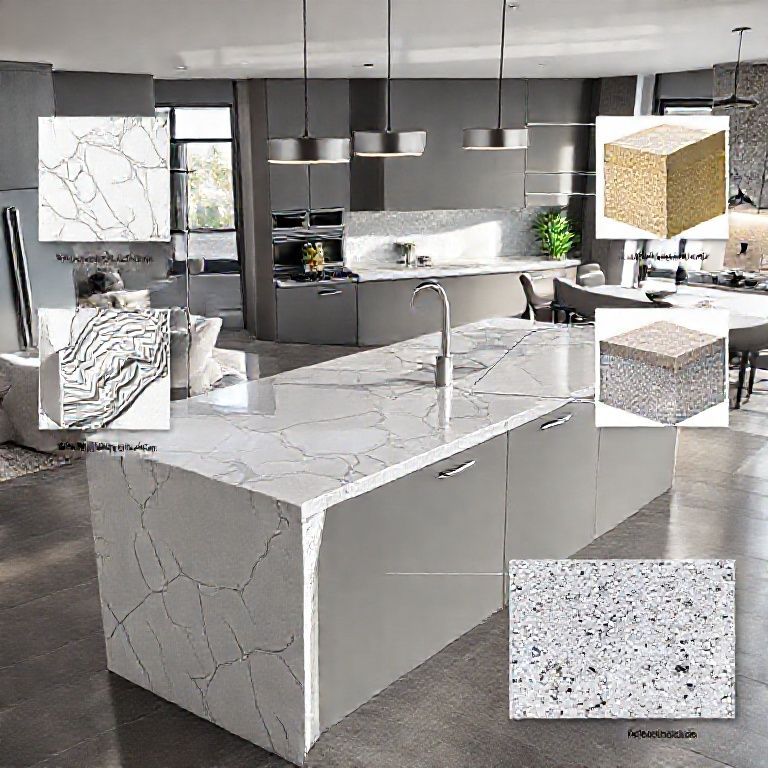
Color and Finish Variations: High-quality artificial stone countertops come in a wide array of colors and finishes, from traditional marble to bold, contemporary designs. The pigments used in premium products ensure that these colors are vibrant and long-lasting, offering a variety of options to suit any design preference.
Customization: The ability to customize artificial stone countertops to fit specific design needs is another major advantage. Whether you want a unique pattern or a bespoke color, reputable manufacturers can create a countertop that perfectly matches your vision.
Cost-Effectiveness
When compared to natural stone, artificial stone countertops offer excellent value for money. While natural stone can be prohibitively expensive due to its rarity and the cost of quarrying and processing, artificial stone provides a similar aesthetic at a fraction of the cost.
Installation Costs: The installation of artificial stone countertops is often less complex and therefore less costly than natural stone. This can lead to significant savings in both materials and labor, making artificial stone an attractive option for budget-conscious homeowners.
Longevity and Replacement Costs: Over time, the durability and low maintenance requirements of artificial stone mean that replacement costs are minimal. In contrast, natural stone countertops may require more frequent repairs or replacements due to their susceptibility to scratches, stains, and water damage.
As we continue our exploration of what determines the quality of artificial stone countertops, we’ll look at additional factors that play a role in ensuring these surfaces are not only beautiful but also functional and long-lasting.
Design Versatility
Artificial stone countertops offer unparalleled design versatility, making them suitable for a wide range of applications.
Unique Patterns: Unlike natural stone, which has limited patterns and designs, artificial stone can be engineered to mimic virtually any pattern or texture. This versatility allows designers and homeowners to create unique, customized designs that reflect their personal style.
Edge Finishes: The edge finishes of artificial stone countertops can be customized to suit various design needs. Whether you prefer a clean, straight edge or a more intricate, decorative finish, high-quality artificial stone can be produced to meet specific requirements.
Environmental Impact
The environmental impact of artificial stone countertops is another important consideration. While natural stone mining has significant environmental implications, including land disruption and water usage, artificial stone offers a more sustainable alternative.
Recyclability: Artificial stone countertops are often made from recycled materials, which reduces the demand for virgin resources. This makes the manufacturing process more environmentally friendly compared to natural stone.
Low Emissions: The production of artificial stone typically involves lower emissions compared to the quarrying and processing of natural stone. This is another reason why artificial stone is a more sustainable choice for eco-conscious consumers.
Installation and Compatibility
The ease of installation and compatibility with various settings are additional factors that influence the quality of artificial stone countertops.
Ease of Installation: Artificial stone countertops are generally easier to install than natural stone, which often requires skilled labor and specialized tools. This simplicity not only reduces installation costs but also allows for more straightforward renovation projects.
Compatibility with Fixtures: Artificial stone is highly compatible with a wide range of kitchen and bathroom fixtures. It can be seamlessly integrated with different styles of cabinetry, sink bases, and other elements, ensuring a cohesive and harmonious design.
Longevity and Warranty
Longevity and warranty are critical aspects that determine the long-term value of artificial stone countertops.
Longevity: High-quality artificial stone countertops are designed to last for many years, often exceeding the lifespan of natural stone counterparts. Their durability, coupled with low maintenance requirements, ensures that they remain functional and attractive over time.
Warranty Coverage: Reputable manufacturers typically offer warranties that cover defects in material and workmanship. This provides homeowners and contractors with peace of mind, knowing that they are investing in a product that is backed by the manufacturer’s confidence in its quality.
Health and Safety
The health and safety of users are paramount considerations in any material choice, including artificial stone countertops.
Non-Toxic Materials: High-quality artificial stone is made from non-toxic materials, ensuring that it is safe for use in food preparation areas. This is particularly important for kitchen countertops, where direct contact with food occurs frequently.
Hypoallergenic Properties: Artificial stone countertops are generally hypoallergenic, reducing the risk of allergic reactions. This makes them a suitable choice for households with members who have allergies or respiratory issues.
Conclusion
The quality of artificial stone countertops hinges on several critical factors, from material composition and manufacturing processes to durability, aesthetic appeal, and environmental impact. By understanding these elements, homeowners and professionals can make informed decisions that ensure they achieve the perfect blend of beauty, functionality, and longevity for their kitchen or bathroom designs.
When considering artificial stone countertops, it’s essential to look for products that prioritize high-quality materials, advanced manufacturing techniques, and long-term durability. With the right choice, you can enjoy a stunning, low-maintenance countertop that enhances your living space for years to come.