
The heart of any home often beats strongest in the kitchen. It’s where culinary creations come to life, where families gather for meals and conversations, and where memories are made. Central to this bustling hub is the countertop – a surface that’s as much a workhorse as it is a style statement. When it comes to modern kitchen design, quartz has emerged as a superstar material, celebrated for its durability, low maintenance, and stunning aesthetic versatility. But as you embark on the exciting journey of selecting quartz for your kitchen, you’ll quickly encounter a crucial decision point: thickness. Specifically, should you opt for a sleeker 1.5cm (approximately 5/8 inch) slab, or a more substantial 2.0cm (approximately 3/4 inch) one? This seemingly simple measurement can significantly impact the look, feel, and even the long-term performance of your kitchen. Let’s dive deep into this fascinating dichotomy, exploring the nuances that make each thickness a compelling choice.

The allure of the 1.5cm quartz countertop lies in its minimalist elegance. This thinner profile lends itself beautifully to contemporary and modern kitchen designs, where clean lines and understated sophistication are paramount. Imagine a sleek, waterfall edge cascading down the side of an island, or a seamless, uncluttered look that allows your cabinetry and backsplash to truly shine. The 1.5cm option can create a sense of lightness and airiness, making smaller kitchens feel more spacious and open. Its reduced visual weight can be particularly advantageous if you’re aiming for a streamlined, Scandi-chic aesthetic or a minimalist masterpiece.
Beyond aesthetics, there are practical considerations that often tip the scales for 1.5cm. For one, it’s generally more lightweight than its thicker counterpart. This can translate to easier installation, potentially reducing labor costs. In some cases, especially with modular or prefabricated cabinetry, a thinner countertop might fit more readily without requiring extensive modifications. Furthermore, for those who appreciate the subtle elegance of a more delicate edge profile, the 1.5cm thickness allows for finer detailing. Think of a refined eased edge or a slim bevel that adds a touch of sophistication without the visual bulk of a thicker slab. This can be especially appealing in kitchens where the countertop is meant to complement rather than dominate the overall design.
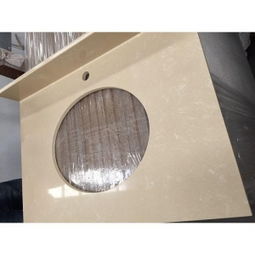
However, the slender nature of 1.5cm quartz does come with certain trade-offs. While quartz is inherently strong and non-porous, its structural integrity is, to some extent, dependent on its thickness and the support system beneath it. For areas that experience heavy-duty use, such as a primary food preparation zone or an island that doubles as a casual dining spot, the 1.5cm thickness might require more careful consideration regarding support. While it’s certainly durable enough for most everyday kitchen tasks, extremely heavy impacts or concentrated weight in unsupported areas could, in rare instances, pose a slightly higher risk of chipping or cracking compared to a thicker slab. This is not to say 1.5cm is fragile, but rather that its resilience is optimized when paired with robust cabinet construction and appropriate support.
The installation of 1.5cm countertops often involves reinforcing the underlying cabinetry. This might mean adding extra support beams or ensuring that the cabinets themselves are sturdy enough to bear the load, especially for longer spans or islands. While this added support can enhance the overall longevity of the countertop, it’s an aspect that should be factored into the project’s budget and planning. The perception of fragility, even if not always the reality, can also be a concern for some homeowners who envision their countertops as an almost indestructible surface. For those who frequently chop directly on their counters (a practice not recommended for any countertop material, but a reality for some), or who might inadvertently place very hot pots directly on the surface, the added mass of a 2.0cm slab can offer a greater sense of security.
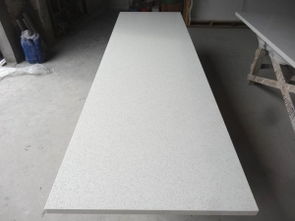
Moreover, the visual impact of edge profiles can differ significantly between thicknesses. A bullnose or ogee edge, for example, will appear more pronounced and substantial on a 2.0cm slab, contributing to a more traditional or opulent feel. On a 1.5cm slab, these more elaborate edge profiles might look less impactful or even a bit disproportionate. This is why 1.5cm often shines with simpler, cleaner edge treatments that emphasize its slim profile. Ultimately, the choice between 1.5cm and 2.0cm is a nuanced one, balancing aesthetic preferences with functional requirements and installation considerations. Understanding the strengths and potential limitations of each will empower you to make a decision that perfectly aligns with your vision for your dream kitchen.
Moving on to the more robust contender, the 2.0cm (approximately 3/4 inch) quartz countertop, we enter a realm of enhanced visual presence and, for many, a greater sense of inherent strength. This thicker slab offers a more substantial look and feel, making a bolder statement in your kitchen design. For kitchens that lean towards traditional, transitional, or even farmhouse styles, the 2.0cm thickness can provide a sense of permanence and solidity that complements richer wood tones, detailed cabinetry, and a more classic aesthetic. When paired with a prominent edge profile, such as a half-bullnose, a bevel, or even a more intricate ogee, the 2.0cm slab truly comes into its own, creating a luxurious and grounded focal point.
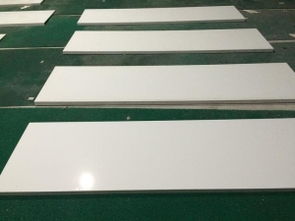
One of the most frequently cited advantages of 2.0cm quartz is its perceived and actual structural resilience. The increased thickness provides greater inherent strength, making it more resistant to chipping, cracking, and impact, especially in unsupported areas. This can be a significant factor for homeowners who are looking for a countertop that can withstand the rigors of heavy daily use without constant worry. If your kitchen is a high-traffic zone where enthusiastic cooks, busy families, or frequent entertainers are the norm, the added thickness of 2.0cm can offer a comforting layer of durability and peace of mind. The wider expanse of material inherently distributes weight and stress more effectively.
From an installation perspective, 2.0cm quartz countertops often require less supplementary support than their 1.5cm counterparts. While all countertops benefit from sturdy cabinetry, a 2.0cm slab can often span longer distances between cabinet supports without the need for additional bracing. This can sometimes simplify the installation process and may even translate to cost savings in terms of labor and materials for the support structure, especially for large islands or long runs of countertop. The uniformity of this thickness also makes it a standard choice for many fabricators, ensuring a consistent and reliable installation.

The visual impact of a 2.0cm edge profile is another area where this thickness excels. As mentioned, more elaborate edge treatments truly shine with the added depth of a 2.0cm slab. This allows for a greater range of design possibilities, enabling you to tailor the countertop’s edge to perfectly match the desired style of your kitchen. Whether you’re aiming for a bold, statement-making island edge or a refined, classic finish on your perimeter counters, the 2.0cm thickness provides the ideal canvas for showcasing intricate edge detailing. This tactile and visual dimension can elevate the entire kitchen, adding a touch of bespoke craftsmanship.
However, the substantiality of 2.0cm quartz also brings its own set of considerations. The most obvious is weight. These slabs are considerably heavier than 1.5cm ones, which can impact transportation and installation costs. More specialized equipment and a larger installation crew might be necessary, potentially increasing the overall project expense. While the countertop material itself might be similarly priced per square foot regardless of thickness, the increased labor and logistical requirements for 2.0cm can add up.
Furthermore, for very minimalist or ultra-modern designs, the visual heft of a 2.0cm countertop might be seen as too overpowering. In kitchens with a strong emphasis on a light, airy, and uncluttered aesthetic, the 1.5cm option might better achieve the desired effect. The 2.0cm thickness can sometimes make cabinetry appear more compact or can contribute to a feeling of visual density that might not be suitable for every space. It’s a matter of proportion and style – what looks balanced and sophisticated in one kitchen might feel heavy or bulky in another.
Ultimately, the choice between 1.5cm and 2.0cm quartz countertops boils down to a thoughtful assessment of your kitchen’s intended use, your design aspirations, and your budget. If your priority is a sleek, contemporary look and you have a robust cabinetry structure in place, 1.5cm can offer elegant minimalism. If you desire a more substantial feel, enhanced perceived durability, and the ability to incorporate more elaborate edge profiles, 2.0cm is often the preferred choice. It’s a decision that impacts both the immediate aesthetic and the long-term performance of your kitchen, so take your time, consult with your designer or fabricator, and choose the thickness that will best serve as the foundation for countless happy moments in your culinary sanctuary.









