
Sure, I can help you with that! Here is a soft article about the price difference between 1.5cm and 2.0cm quartz countertops.

The allure of quartz countertops is undeniable. They boast a dazzling array of colors and patterns, exceptional durability, and low maintenance – qualities that make them a top choice for modern kitchens and bathrooms. But as you embark on your renovation journey, a seemingly small detail can become a significant point of consideration: thickness. You’ll likely encounter options for 1.5cm (roughly 5/8 inch) and 2.0cm (approximately 3/4 inch) quartz. At first glance, the difference might seem negligible, but it can translate into a noticeable price variation. The question then arises, is the extra cost for the thicker slab justified?
To truly understand the price difference, we need to unpack what goes into the manufacturing and installation of quartz countertops. Quartz is an engineered stone, a composite material made from crushed natural quartz crystals (typically around 90-95%) bound together with polymer resins and pigments. This manufacturing process itself is a significant factor in its cost. The quality of the natural quartz, the type and amount of resin used, and the precision of the manufacturing techniques all contribute to the final price tag.

When it comes to thickness, the difference between 1.5cm and 2.0cm is not just about aesthetics; it directly impacts the material cost and, consequently, the final price. A 2.0cm slab inherently uses more raw material than a 1.5cm slab of the same dimensions. This increased material consumption naturally leads to a higher base cost per square foot or square meter for the manufacturer, which is then passed on to the fabricator and ultimately to you, the consumer. Think of it like buying fabric: a wider or thicker bolt will always cost more than a narrower or thinner one.
Beyond the raw material, the fabrication process can also play a role. While both thicknesses undergo similar cutting, shaping, and polishing, the handling of thicker slabs might require slightly more robust equipment and potentially more labor-intensive maneuvers. However, this is usually a minor factor compared to the material cost itself.
The installation phase is where the thickness difference can become more pronounced in terms of labor and supporting structures. A 1.5cm quartz slab is lighter and more flexible than its 2.0cm counterpart. This can make it easier for installers to handle, transport, and position, potentially reducing installation time and associated labor costs. In some cases, especially for smaller projects or DIY installations, the ease of working with a thinner slab might be a welcome advantage.
Conversely, 2.0cm quartz is heavier and more rigid. While this rigidity is often seen as a positive attribute for durability, it demands a more secure and sometimes more substantial support structure. For standard cabinet installations, 2.0cm quartz might not require additional support beyond the cabinet frame itself. However, for island designs, overhangs, or areas where significant weight might be placed, the sturdier 2.0cm thickness provides a greater sense of security and can potentially reduce the need for extra support brackets. This can sometimes offset the higher material cost, as extensive custom support systems can become quite expensive.
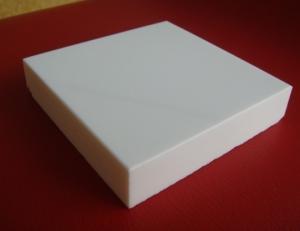
The perceived quality and aesthetic value also contribute to the price perception. A thicker countertop often exudes a sense of luxury and solidity. It can feel more substantial and robust, which many homeowners associate with higher quality and a more premium finish. This psychological aspect can influence pricing, as designers and manufacturers may position thicker quartz as a more high-end option. In the world of interior design, perceived value plays a significant role in material selection and, by extension, pricing. A thicker slab can contribute to a more impactful visual statement, especially in kitchens where countertops are a dominant design element.
Furthermore, consider the edge profiles. While many edge profiles can be achieved with both thicknesses, certain intricate or elaborate edge designs might be more structurally sound and visually appealing on a thicker slab. For instance, a mitered edge or a more complex decorative profile might be easier to execute and maintain its integrity on a 2.0cm slab. This ability to achieve a wider range of premium edge treatments on thicker quartz can also contribute to its higher price point, as specialized fabrication techniques are often involved.
The market dynamics and supply chain also influence the price difference. The availability of specific colors and patterns in different thicknesses can vary. If a particular design is more commonly produced in 2.0cm, its availability might be higher, potentially leading to more competitive pricing. Conversely, if a design is less frequently manufactured in 2.0cm, it might be a special order, incurring additional costs. The demand for each thickness also plays a role. If 2.0cm is the industry standard or more highly desired in a particular region, manufacturers might prioritize its production, and retailers may stock it more readily, potentially influencing its price relative to the less common 1.5cm option.
Finally, it’s important to remember that the price difference isn’t always a simple linear calculation. It can be influenced by the specific brand of quartz, the complexity of the desired countertop shape, the number of cutouts (for sinks, cooktops, etc.), and the prevailing labor rates in your area. However, as a general rule, you can expect the 2.0cm option to be more expensive than the 1.5cm option. The magnitude of this difference can range from a modest percentage to a more substantial jump, often depending on the overall cost of the project. Understanding these underlying factors is the first step in navigating the pricing landscape and determining if the extra investment for 2.0cm quartz aligns with your budget and design aspirations.
Now that we’ve explored the factors contributing to the price difference between 1.5cm and 2.0cm quartz, let’s delve deeper into the practical implications and how this thickness choice might affect your kitchen or bathroom. The decision isn’t just about the initial cost; it’s about long-term value, aesthetics, and functionality.
From an aesthetic standpoint, the visual impact of thickness is often subtle but significant. A 1.5cm countertop can offer a sleeker, more minimalist look. It integrates seamlessly with contemporary cabinet styles and can create a less imposing presence in smaller kitchens or bathrooms. This thinner profile might be particularly appealing if you’re aiming for a streamlined, modern design. For certain applications, like a bathroom vanity or a small workspace, the lighter visual weight of 1.5cm quartz can prevent the space from feeling overcrowded. It can also be a great choice if you want your cabinetry or backsplash to be the star of the show, allowing the countertop to complement rather than dominate the design.
On the other hand, the 2.0cm thickness provides a more substantial and grounded appearance. It lends a sense of gravitas and permanence to your kitchen or bathroom. This thicker profile is often favored in more traditional or transitional designs, where a more robust countertop can enhance the overall feel of luxury and quality. When you imagine a high-end kitchen, the image often includes countertops that look and feel solid, and 2.0cm quartz certainly delivers on that perception. For larger kitchens or islands, the visual weight of a 2.0cm slab can create a commanding focal point, making a statement of durability and sophisticated design. It’s the kind of thickness that whispers, “I’m built to last, and I look fantastic doing it.”
When it comes to durability and resilience, both thicknesses are exceptionally strong. Quartz, as an engineered stone, is inherently non-porous, resistant to stains, scratches, and heat. However, the difference in thickness can offer varying degrees of perceived and practical durability. A 2.0cm slab, being thicker and heavier, is generally considered more robust. It’s less prone to chipping or cracking, especially at the edges, which are the most vulnerable points. This increased resilience is a significant factor for busy households with active kitchens where accidental impacts or heavy use are common. If you have young children or entertain frequently, the added peace of mind that comes with a thicker, more robust countertop can be invaluable.
The choice of thickness can also influence the type of sink you can install. Undermount sinks, a popular choice for achieving a seamless look, are generally easier to install and can be more securely mounted on thicker countertops. While it’s certainly possible to install an undermount sink with 1.5cm quartz, a 2.0cm slab offers a more solid foundation for the mounting hardware, potentially leading to a more stable and secure installation over time. For drop-in sinks, the thickness difference is less critical, but it’s still a consideration for the overall visual balance of the countertop and sink.
Consider the longevity of your investment. While both thicknesses are built to last, the enhanced resilience of 2.0cm quartz might translate to a longer service life, particularly in high-traffic areas. The reduced risk of chipping or cracking means fewer potential repairs or replacements down the line. This is a crucial aspect to weigh when comparing the initial price difference. A higher upfront cost for 2.0cm might be offset by greater longevity and reduced maintenance over the lifespan of the countertop.
The decision between 1.5cm and 2.0cm quartz also hinges on the specific application. For a bathroom vanity, where the countertop typically experiences less rigorous use and smaller surface areas are common, 1.5cm might be perfectly adequate and a more budget-friendly option. The lighter visual presence can also enhance the feel of a smaller bathroom. However, for a kitchen island that serves as a central hub for food preparation, homework, and casual dining, the added strength and visual impact of 2.0cm might be more desirable.
Installation considerations are also worth revisiting. While 1.5cm might be slightly easier and cheaper to install due to its lighter weight, the difference in labor costs is often not as significant as the material cost difference. Reputable fabricators are well-equipped to handle both thicknesses efficiently. The key is to ensure that the chosen support structure, regardless of thickness, is adequate for the intended use, especially for significant overhangs or cantilevered sections.
Ultimately, the price difference between 1.5cm and 2.0cm quartz is a multifaceted consideration. It’s not just about the numbers on a quote; it’s about how that thickness aligns with your design vision, your lifestyle, and your expectations for durability and longevity. While 1.5cm offers a more budget-conscious and sleek option, 2.0cm provides a more substantial feel, enhanced resilience, and often a more luxurious aesthetic. As you weigh the pros and cons, think about the primary function of the space, the overall design theme, and how you want your countertops to perform and feel. A detailed discussion with your countertop supplier or fabricator will provide specific pricing for your chosen color and thickness, allowing you to make an informed decision that balances aesthetics, functionality, and your budget for years to come.









