
The gleaming surface of a quartz countertop is a beacon of modern elegance, promising durability and a low-maintenance sheen that transforms kitchens and bathrooms into sanctuaries of style. Yet, beneath the allure of this engineered marvel lies a subtle, yet significant, decision that can profoundly impact both the look and feel of your space: the choice of thickness. Specifically, the debate often boils down to two popular contenders: the sleeker 1.5cm (approximately 5/8 inch) and the more substantial 2cm (approximately 3/4 inch). This isn’t merely a matter of millimeters; it’s a decision that weaves through aesthetics, structural integrity, installation nuances, and even your budget.

Let’s embark on a journey to unravel the intricacies of these two thicknesses, empowering you to make an informed choice that perfectly aligns with your design vision and practical needs. Think of it as choosing the right frame for a cherished artwork – the frame doesn’t just hold the picture; it enhances its presence and dictates how it’s perceived. Similarly, the thickness of your quartz countertop plays a crucial role in its overall impact.
The 1.5cm option, with its more delicate profile, offers a contemporary and minimalist aesthetic. It lends itself beautifully to designs that favor clean lines and an airy feel. Imagine a sleek, modern kitchen where the countertops appear to float, creating an illusion of more space. This slimness can be particularly effective in smaller kitchens or bathrooms where a bulky countertop might feel overwhelming. It’s the choice for those who appreciate subtlety and understated sophistication. The edge profiles available for 1.5cm quartz can also contribute to this sense of lightness. A simple, straight edge or a refined bevel can accentuate the slimness, drawing attention to the material’s inherent beauty without unnecessary visual weight. This thickness is also often a more budget-friendly option, which can be a compelling factor for many homeowners. However, this slimmer profile does come with certain considerations. While quartz is incredibly strong, a thinner slab might be perceived as less robust by some, especially in high-traffic areas or situations where heavy objects are frequently placed on the surface. It’s crucial to understand that even at 1.5cm, quartz is still a remarkably durable material, far exceeding the strength and resilience of natural stone like granite in many respects. The manufacturing process for quartz involves binding natural quartz crystals with resins and pigments, creating a non-porous and incredibly hard surface. The thickness, therefore, primarily influences the perceived robustness and certain aesthetic outcomes.
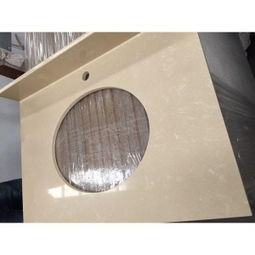
On the other hand, the 2cm thickness exudes a sense of gravitas and traditional luxury. It presents a more substantial, solid presence, often associated with a more classic or opulent kitchen design. A 2cm slab provides a visual weight that can anchor a space, making a bold statement of quality and permanence. This is the thickness that whispers of enduring craftsmanship and a kitchen built to last for generations. The edge profiles on 2cm quartz can be more dramatic and varied, allowing for intricate detailing like ogee or bullnose edges, further enhancing the countertop’s luxurious feel. For those who tend to place very heavy appliances or items on their countertops, or who simply prefer the reassuring solidity of a thicker material, 2cm offers that extra peace of mind. It’s also often the standard thickness offered by many fabricators, meaning a wider selection of edge profiles might be readily available. However, this increased thickness can also translate to a higher cost. The material itself is denser, and the fabrication and installation processes may require more specialized equipment and labor due to the added weight and bulk. In smaller spaces, a 2cm countertop might feel imposing, potentially making the room seem smaller than it is. It’s a visual consideration that should be weighed carefully against the desire for that substantial feel.
The decision between 1.5cm and 2cm isn’t just about how the countertop looks; it’s also about how it’s supported. For 1.5cm quartz, especially in longer spans or where there’s significant weight anticipated, adequate support is paramount. This might involve ensuring the cabinetry beneath is robust and well-constructed, and that there are no excessive unsupported overhangs. The fabrication process might also involve adding a laminated edge – where a second layer of quartz is adhered to the edge to create the illusion of a thicker slab, offering both aesthetic depth and increased edge strength. This is a common and effective technique that can bridge the perceived gap in thickness without the full cost and weight of solid 2cm.
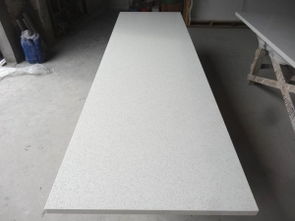
For 2cm quartz, the inherent thickness provides a greater degree of self-support. While good cabinetry is always essential for any countertop, 2cm slabs can often accommodate longer unsupported spans or larger overhangs with greater confidence. This can be a significant advantage in kitchen designs that feature islands with seating overhangs or elaborate peninsula layouts. The fabrication process for 2cm is generally more straightforward in terms of achieving the desired visual thickness, as it’s inherent in the slab itself.
When considering installation, weight is a primary factor. 2cm quartz slabs are considerably heavier than their 1.5cm counterparts. This means that the cabinetry must be exceptionally sturdy to bear the load, and the installation crew needs to be adequately equipped to handle the weight safely and efficiently. In some older homes or buildings with potentially less robust subflooring or cabinetry, this extra weight might necessitate reinforcement or a re-evaluation of the chosen thickness. Conversely, 1.5cm quartz is lighter, making it easier and potentially less labor-intensive to transport and install. This can sometimes translate into lower installation costs, though it’s always wise to get detailed quotes that break down material, fabrication, and installation charges.

Furthermore, the edge profile you desire can significantly influence the perceived thickness and the choice between 1.5cm and 2cm. A square, eased, or bevelled edge on a 1.5cm slab will maintain its slim profile. However, if you opt for a laminated edge on 1.5cm, you can achieve the visual appearance of a 2cm or even thicker slab. This technique involves bonding a second piece of quartz to the edge, creating a more substantial look and also adding strength to the vulnerable edge. This can be a fantastic compromise, offering the aesthetic of a thicker slab with the potential cost savings and lighter weight of 1.5cm. For 2cm slabs, the options for edge profiles are vast, and even a simple square edge will give a robust impression due to the inherent thickness of the material. More elaborate edges, like a bullnose or ogee, will further amplify the sense of depth and luxury.
Aesthetically, the choice hinges on the overall style of your kitchen or bathroom. If you’re aiming for a minimalist, modern, or Scandinavian-inspired design, the clean, slender lines of 1.5cm quartz will likely be your preference. It contributes to an uncluttered look and can make a smaller space feel more expansive. For a more traditional, transitional, or grandly luxurious aesthetic, the solid, commanding presence of 2cm quartz will likely resonate more. It provides a sense of established quality and can be the perfect foundation for a statement kitchen.
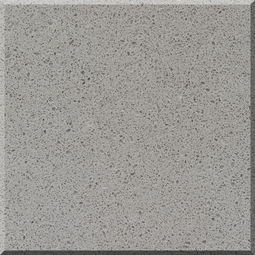
The practical implications also extend to everyday use. While both thicknesses are incredibly durable, some users find the added visual reassurance of 2cm quartz beneficial in kitchens where culinary experiments or family gatherings are frequent and potentially more boisterous. The ability to place hot pans directly on the surface (though trivets are always recommended for longevity) or to scrub away stubborn messes with less worry about damaging the material are often cited as benefits, regardless of thickness, due to quartz’s inherent properties. However, the perception of durability can be swayed by the visual thickness, with 2cm often feeling more forgiving to those who are less accustomed to engineered stone.
Ultimately, the choice between 1.5cm and 2cm quartz is a nuanced one, a harmonious blend of form and function. It’s about understanding how each thickness interacts with your design aspirations, the structural realities of your space, and your personal preferences for how your kitchen or bathroom should feel and perform.
Continuing our exploration into the world of quartz countertop thickness, we delve deeper into the practical considerations and aesthetic nuances that will guide you toward the perfect choice for your home. Having established the fundamental differences between the 1.5cm and 2cm options, let’s now refine our understanding by examining how these thicknesses influence specific design elements, installation practicalities, and long-term value.
One of the most tangible impacts of countertop thickness is on the overall visual weight and perceived scale of your kitchen or bathroom. A 1.5cm countertop offers a delicate, refined appearance. In contemporary, minimalist, or Scandinavian-inspired interiors, this slim profile complements clean lines and open spaces. It can make a galley kitchen feel more expansive or a small bathroom vanity appear less imposing. The edge detailing on a 1.5cm slab often follows suit, with simpler, more understated profiles like a straight edge, eased edge, or a subtle bevel. This is the choice for those who appreciate a subtle elegance, where the countertop is a sophisticated surface rather than a dominant feature. It’s about creating a sense of airiness and allowing other design elements – perhaps a statement backsplash or unique cabinetry hardware – to take center stage. Consider the interplay of light as well; a slimmer profile can sometimes refract light differently, contributing to a brighter, more luminous feel in the room.
In contrast, the 2cm thickness brings a more substantial, grounded presence. It evokes a sense of timelessness and traditional luxury, fitting seamlessly into classic, transitional, or even more opulent design schemes. A 2cm slab can anchor a large kitchen island, providing a solid foundation for entertaining and meal preparation. The increased thickness allows for a broader range of edge profiles, from classic bullnose and ogee to more complex stacked or mitered edges. These more elaborate edges can further enhance the countertop’s visual depth and create a focal point that exudes quality and craftsmanship. If your vision for your kitchen or bathroom leans towards a more robust, enduring aesthetic, where the countertops are a statement of enduring value, then 2cm is likely the path you’ll gravitate towards. It provides a reassuring solidity that many homeowners find appealing.
Beyond the visual, the structural implications are significant. While quartz is inherently strong and non-porous, the thickness does affect its load-bearing capabilities and how it interacts with cabinetry. For 1.5cm quartz, especially in configurations with longer unsupported spans, such as a large island or a cantilevered breakfast bar, careful consideration of cabinetry support is crucial. Fabricators often employ a technique called “laminating” for 1.5cm slabs. This involves bonding a second piece of quartz to the underside of the front edge, creating the illusion of a thicker slab, often appearing as 2cm or more. This not only enhances the visual thickness but also significantly reinforces the edge, making it more resistant to chipping and impact. This can be an excellent solution for achieving a desired aesthetic without the added cost and weight of solid 2cm material. It’s a clever way to get the best of both worlds, offering both stylistic flexibility and enhanced durability.
The 2cm thickness, by its very nature, offers greater inherent strength and rigidity. This means it can often accommodate longer unsupported spans and larger overhangs with less concern about sagging or requiring additional support structures. This can simplify the design process for complex island configurations or peninsula layouts, providing a more straightforward path to achieving a desired look. While robust cabinetry is always recommended for any countertop installation, 2cm quartz distributes weight more evenly, contributing to its reputation for exceptional durability in high-use environments. When considering a DIY installation, the lighter weight of 1.5cm might be more manageable, but for professional installations, the robustness of 2cm often simplifies the structural considerations.
The cost factor is an undeniable part of the decision-making process. Generally, 1.5cm quartz tends to be more budget-friendly than 2cm. This is due to several factors: less raw material is used, the slabs are lighter and easier to transport and handle (reducing shipping and labor costs), and sometimes fabrication processes, especially with lamination, can be more streamlined. If budget is a primary concern, 1.5cm quartz, perhaps with a laminated edge to achieve a thicker look, can be a very cost-effective way to achieve a high-end appearance.
Conversely, 2cm quartz typically carries a higher price tag. This reflects the greater quantity of material, the increased weight impacting shipping and installation logistics, and potentially more involved fabrication for complex edge profiles. However, it’s important to view this as an investment. The perceived solidity, the wider range of aesthetic possibilities with edge treatments, and the inherent structural advantages can contribute to a sense of lasting value and a more luxurious feel that might justify the additional cost for some homeowners. Always obtain detailed quotes that specify material cost, fabrication charges (including edge profiling and any lamination), and installation fees, as these can vary significantly between fabricators and regions.
Consider the practicality of everyday use. For kitchens that are the heart of a busy household, with constant activity, potential spills, and the occasional dropped utensil, the reassuring solidity of 2cm quartz is often preferred. While 1.5cm quartz is still remarkably resilient and non-porous, the visual perception of thickness can influence how confidently users interact with their countertops. Many homeowners appreciate the robust feel of a thicker slab when placing heavy appliances or cookware, or when engaging in more vigorous cleaning. The edge of the countertop is often the most vulnerable area for chipping. A thicker slab, or a well-executed laminated edge on a thinner slab, provides greater resistance to such damage.
The installation process itself is also a point of differentiation. The lighter weight of 1.5cm quartz makes it easier to maneuver into place, potentially requiring less manpower and specialized lifting equipment. This can sometimes translate into lower installation costs. For homeowners undertaking renovations in older properties, or in situations where cabinetry might not be as robust as in new builds, the reduced weight of 1.5cm can be a significant advantage, potentially negating the need for costly structural reinforcements.
On the other hand, the installation of 2cm quartz demands a higher level of preparedness. The cabinetry must be exceptionally strong and level to support the considerable weight. The installation crew will likely need more personnel and more robust tools to safely and precisely position the slabs. While this might lead to slightly higher installation costs, it ensures a secure and stable fit, contributing to the long-term integrity of the countertop. Many fabricators consider 2cm the standard for a reason – it offers a reliable balance of aesthetics and structural performance that suits a wide range of applications.
When making your final decision, visualize the scale and style of your space. For a compact bathroom vanity where a sleek, modern look is desired, 1.5cm might be the perfect fit, creating an illusion of more space. For a grand kitchen island that will be the centerpiece of your home, 2cm might offer the commanding presence and visual weight you’re seeking. Don’t underestimate the impact of edge profiles in bridging the gap between thicknesses. A beautifully laminated edge on a 1.5cm slab can offer the sophisticated look of a thicker material, while a simple square edge on a 2cm slab provides a clean, contemporary finish with inherent substance.
Ultimately, the choice between 1.5cm and 2cm quartz is a deeply personal one, influenced by your aesthetic preferences, functional needs, and budget. It’s about understanding how each thickness contributes to the overall character and performance of your kitchen or bathroom. By carefully considering these factors – the visual impact, structural support, cost implications, and installation practicalities – you can confidently select the quartz thickness that will not only grace your home with enduring beauty but also serve you faithfully for years to come. This thoughtful consideration ensures that your chosen countertop is not just a surface, but a seamless integration into the narrative of your home.









