
The heart of any home often beats strongest in the kitchen. It’s where culinary creations come to life, where stories are shared over morning coffee, and where the very essence of daily living unfolds. When it comes to designing or renovating this central hub, the countertop plays a starring role, dictating much of the space’s overall aesthetic and functionality. Among the plethora of materials available, quartz has emerged as a champion, celebrated for its durability, low maintenance, and stunning visual versatility. Yet, within the realm of quartz, a fundamental decision often arises: should you opt for a pure, solid hue, or embrace the textured charm of a speckled or patterned design? This choice, seemingly simple, can profoundly impact the feel and flow of your kitchen.

Let’s begin by exploring the allure of solid-colored quartz. Imagine a pristine expanse of pure white, a deep, velvety black, or a sophisticated, calming grey. Solid quartz countertops exude an air of modern elegance and minimalist chic. Their seamless appearance creates a visually uncluttered canvas, allowing other elements of your kitchen – cabinetry, backsplash, and decor – to truly shine. This is particularly effective in smaller kitchens, where a solid, lighter shade can visually expand the space, creating an illusion of greater openness and light. The uniformity of a solid color also lends itself beautifully to contemporary and Scandinavian-inspired designs, where clean lines and a sense of order are paramount.
Beyond the aesthetic, solid quartz offers a particular kind of visual tranquility. In a busy household, the kitchen often becomes a nexus of activity. A countertop that doesn’t compete for attention can provide a welcome sense of calm. Think of it as a blank page, ready for your culinary adventures and decorative touches. Whether you’re a seasoned chef who loves to spread out ingredients or someone who prefers a tidier workspace, a solid surface can accommodate both preferences. It’s a backdrop that allows your meticulously chosen appliances, your vibrant fruit bowls, or your carefully curated collection of cookbooks to take center stage.
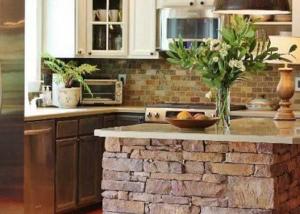
However, the pristine nature of solid colors, particularly lighter shades, can also present certain considerations. While quartz is inherently non-porous and highly resistant to stains, the absence of any visual distraction means that spills, even minor ones, can be more noticeable. This isn’t to say they are harder to clean – in fact, quartz is remarkably easy to maintain. A simple wipe-down with soap and water or a mild household cleaner is usually sufficient. The point is more about visual perception. For those who demand an immaculate appearance at all times, or who are concerned about potential etching or faint discoloration from harsh chemicals (though rare with quality quartz), a solid color might require a slightly more vigilant approach to immediate cleanup.
Furthermore, the sheer simplicity of a solid color can sometimes feel a touch too stark for certain design sensibilities. If your kitchen already features a lot of strong lines or is leaning heavily into a minimalist aesthetic, a solid countertop might contribute to an overly rigid or even sterile atmosphere. In such cases, introducing a subtle pattern or texture can provide a much-needed dose of visual interest and warmth, breaking up the uniformity and adding a layer of depth to the overall design.
When considering a solid hue, it’s also worth thinking about the long-term visual appeal. Trends in interior design ebb and flow. While classic whites, greys, and blacks tend to remain timeless, bolder solid colors, while certainly making a statement, might carry a greater risk of dating your kitchen design over time. This is a personal preference, of course, and if a vibrant solid color speaks to your soul and perfectly complements your vision, then that’s precisely what you should go for. The key is to weigh the immediate impact against the enduring appeal.
The manufacturing process for solid-colored quartz involves blending quartz crystals with resins and pigments. Achieving a completely uniform color requires precise control over these elements. Reputable manufacturers invest heavily in ensuring consistency, but minor variations can sometimes occur, especially between different batches. When ordering, it’s always a good idea to review a larger sample or even view installed slabs if possible to ensure the color is exactly as you envision. This is also true for speckled designs, but the inherent nature of those patterns can often camouflage minor inconsistencies more effectively.
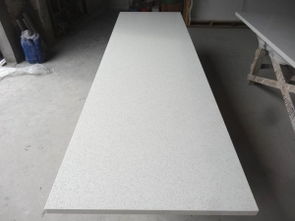
Ultimately, the decision between solid and speckled quartz boils down to a blend of personal taste, the desired ambiance of your kitchen, and your practical lifestyle. Solid quartz offers a sleek, modern, and often spacious feel, providing a refined backdrop for your kitchen’s narrative. It’s a choice that speaks of sophistication and a deliberate design approach. It’s about creating a clean, uninterrupted surface that enhances the sense of order and calm within your culinary sanctuary. The uninterrupted flow of a single color can be incredibly impactful, drawing the eye and creating a sense of spaciousness that is hard to achieve with other materials or patterns. It’s a canvas that allows for bold accents elsewhere, or a statement in its own right, depending on the chosen shade. The decision is not just about color, but about the entire visual and tactile experience it brings to the most important room in your home.
Transitioning from the pristine simplicity of solid hues, we now turn our attention to the captivating world of speckled, veined, and patterned quartz. This category encompasses a vast spectrum of designs, from subtle flecks of contrasting color to bold, marble-like veining and intricate, abstract patterns. If solid quartz offers a blank canvas, then speckled and patterned quartz provides a rich tapestry, adding depth, character, and visual intrigue to your kitchen.

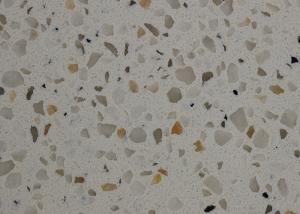
The primary advantage of speckled or patterned quartz lies in its ability to mask minor imperfections and daily wear. In a high-traffic area like the kitchen, spills, crumbs, and even the occasional accidental scratch are almost inevitable. The inherent variation in color and texture within these designs acts as a brilliant camouflage. A rogue coffee drip or a smear of sauce might be virtually invisible against a background speckled with black, white, and grey, whereas on a pure white solid surface, it would stand out starkly. This can be a significant psychological relief for many homeowners, offering a more forgiving and relaxed approach to kitchen maintenance. You can enjoy your cooking and entertaining without the constant worry of maintaining a flawless appearance.
Beyond practicality, speckled and patterned quartz offers unparalleled aesthetic diversity. These designs can mimic the natural beauty of stone, such as the dramatic veining of marble or the earthy tones of granite, but with the superior performance characteristics of quartz. Whether you’re aiming for a classic, timeless look with subtle grey veining on a white background, a more contemporary feel with bold, abstract patterns, or a rustic charm with earthy, flecked tones, there’s a quartz design to match. The intricate details within these patterns can add a significant layer of sophistication and visual interest, preventing the kitchen from feeling monotonous. They can serve as a focal point, a conversation starter, or a harmonious complement to other design elements.
For kitchens that might otherwise feel a bit too plain or boxy, a patterned quartz countertop can introduce a much-needed sense of dynamism and dimension. The interplay of colors and textures can create an illusion of depth, making the space feel more engaging and alive. This is particularly effective when paired with simpler cabinetry. For example, a kitchen with sleek, flat-panelled cabinets in a neutral color can be dramatically elevated by a countertop featuring striking veining or a bold pattern. Conversely, if your cabinetry already boasts a strong design or color, a more subtly speckled quartz can provide a balanced visual harmony.
The choice between different types of patterns is also significant. A subtle, finely speckled design offers a touch of texture without overwhelming the senses, maintaining a sense of spaciousness while still providing some forgiving qualities. This is often a safe and stylish bet for those who want a bit more character than a solid color but aren’t ready for dramatic veining. Moving up in intensity, larger speckles or a mix of different-sized flecks can create a more pronounced visual effect, adding a bolder statement. Then there are the truly striking designs that mimic natural stone, featuring flowing veins that can be linear and sharp or soft and organic. These are ideal for creating a focal point and can lend a sense of luxury and opulence to a kitchen.
When selecting a speckled or patterned quartz, it’s important to consider the scale of the pattern in relation to the size of your kitchen. A very large, busy pattern in a small kitchen can sometimes feel overwhelming, making the space appear smaller. Conversely, a subtle pattern might get lost in a vast, expansive kitchen. Viewing a larger slab or a physical sample is crucial to understanding how the pattern will repeat and how it will look in the actual installed space. Manufacturers often have digital tools that can help visualize this, but nothing beats seeing the real material under good lighting.
Maintenance, as mentioned, is generally less of a concern for visual appearance with patterned quartz, but the cleaning process remains the same as with solid quartz. It’s still non-porous, stain-resistant, and easy to wipe clean. However, some very deeply textured patterns might, in theory, trap slightly more debris in crevices, but this is typically negligible and easily addressed with regular cleaning. The inherent durability and low maintenance are hallmarks of quartz, regardless of its visual design.
In conclusion, while solid-colored quartz offers a sleek and minimalist aesthetic, speckled and patterned quartz opens up a world of design possibilities, bringing character, depth, and forgiving practicality to your kitchen. The choice between them is deeply personal and depends on the overall vision you have for your kitchen. If you crave a sophisticated, uncluttered look and appreciate the beauty of a uniform surface, solid quartz is an excellent choice. However, if you desire a countertop that adds visual interest, offers a more relaxed approach to maintenance, and allows for a wider range of stylistic expressions, then the diverse and captivating world of speckled and patterned quartz is likely where your perfect countertop awaits. It’s about finding that sweet spot where beauty meets brains, where form dances with function, and where your kitchen truly reflects your personal style and lifestyle.









