
The allure of a pristine, durable, and aesthetically pleasing kitchen countertop is undeniable. For years, quartz has been a frontrunner in this pursuit, lauded for its resilience and beauty. Yet, as many homeowners embark on their renovation journeys, a peculiar phrase often surfaces: “quartz stone 1.8.” This number, seemingly arbitrary, can spark confusion and even anxiety. What exactly does “1.8” signify? Is it a benchmark of superior quality, a specific type of resin content, or perhaps a subtly employed marketing tactic? Unraveling this “quartz conundrum” is key to making an informed decision that will grace your kitchen for years to come.

At its core, engineered quartz is a composite material, born from a blend of natural quartz crystals and synthetic resins, along with pigments. The natural quartz, typically comprising around 90-95% of the material, provides its inherent strength and hardness. The resins, on the other hand, act as the binder, holding the quartz particles together and imbuing the surface with its non-porous characteristics, which translate to resistance against stains and bacteria. The remaining percentage is made up of pigments for color and other additives that can enhance UV resistance or other properties. So, where does “1.8” fit into this composition? The most common interpretation of “1.8” in the context of quartz countertops refers to the specific gravity or density of the material. Specific gravity is a dimensionless quantity defined as the ratio of the density of a substance to the density of a reference substance, usually water. For quartz countertops, a specific gravity of approximately 1.8 grams per cubic centimeter (g/cm³) is often cited as a desirable, or even standard, characteristic.
This “1.8” density is a testament to the high concentration of natural quartz within the engineered stone. Materials with higher quartz content generally possess superior hardness, scratch resistance, and overall durability. Think of it like building with pure diamond versus building with a mix of diamond dust and filler. The purer the quartz, the more robust the final product. Manufacturers and fabricators often use this density measurement as an indicator of quality, suggesting that a slab with a specific gravity close to 1.8 is likely to be made with a higher proportion of high-quality quartz and a well-formulated resin system. This means fewer voids, greater structural integrity, and a surface that can withstand the rigors of a busy kitchen environment, from chopping and slicing to the accidental spill of red wine or coffee.

However, it’s crucial to approach this “1.8” figure with a discerning eye. While density is a significant indicator of quality, it’s not the sole determinant of a countertop’s performance or longevity. Several factors contribute to the overall excellence of a quartz slab. The quality of the quartz crystals themselves plays a role – are they uniformly sized and free from impurities? The type and amount of resin used are also critical. A high-quality resin system will ensure proper bonding, prevent discoloration over time, and contribute to the material’s overall resilience. Furthermore, the manufacturing process itself – the vibration, compression, and curing stages – can significantly impact the final density and homogeneity of the slab. A poorly manufactured slab, even if it theoretically has a high quartz content, might still be prone to issues like chipping or cracking.
The “1.8” can also become a bit of a buzzword in the marketplace, sometimes used loosely by less scrupulous vendors. A seller might claim their quartz is “1.8” to imply premium quality without necessarily being able to substantiate it with precise measurements or certifications. This is where due diligence becomes paramount for the discerning homeowner. Don’t just take the number at face value. Ask questions. Inquire about the manufacturer, the specific composition of the slab, and any certifications the product might hold. Reputable manufacturers will often provide detailed specifications and quality control reports for their products. They might also offer warranties that speak to the material’s durability and performance.

Moreover, the “1.8” designation, while informative, doesn’t directly address the aesthetic aspects of quartz. While the density contributes to the material’s intrinsic qualities, the visual appeal is a separate, albeit equally important, consideration. Quartz comes in an astonishing array of colors, patterns, and finishes, from solid whites and grays to intricate marble and granite imitations. The resin and pigment content, while contributing to density, also dictate the vibrancy and depth of these colors and patterns. A perfectly dense slab that doesn’t align with your kitchen’s design vision is ultimately not the right choice. Therefore, while understanding the significance of “1.8” is beneficial, it should be integrated into a holistic evaluation that includes aesthetics, fabrication suitability, and the reputation of the supplier.
The practical implications of this density are far-reaching. A denser quartz slab is less likely to absorb liquids, which means it’s highly resistant to staining. This is a major advantage over natural stones like granite or marble, which, if not properly sealed, can become marred by spills. The non-porous nature also makes quartz incredibly hygienic, as it doesn’t provide a breeding ground for bacteria. Furthermore, the hardness associated with higher quartz content translates to excellent scratch and heat resistance. While it’s always advisable to use trivets for hot pots and pans and cutting boards for food preparation, quartz can generally withstand higher temperatures and resist scratching better than many other countertop materials. This translates to a countertop that not only looks good but also performs exceptionally well under daily use, maintaining its luster and integrity for years to come.
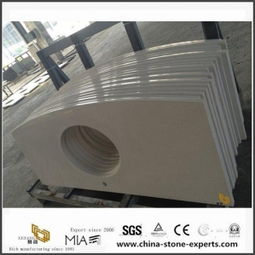
Continuing our exploration of the “1.8” in quartz countertops, we’ve established that it primarily refers to the material’s specific gravity, a key indicator of its density and, by extension, its quality. A specific gravity of approximately 1.8 g/cm³ suggests a high concentration of natural quartz, which in turn promises enhanced durability, stain resistance, and overall resilience. However, as we move from the theoretical to the practical, understanding how this density impacts fabrication, long-term maintenance, and even the pricing of your chosen countertop becomes crucial for any homeowner making a significant investment in their kitchen.
The fabrication process for quartz countertops is directly influenced by the material’s density and composition. Because quartz is an engineered product, it’s manufactured in large slabs, typically around 120 inches by 55 inches, with varying thicknesses (commonly 2 cm or 3 cm). Slabs with a higher quartz content, and thus a higher density (closer to 1.8), are generally easier to cut and fabricate without chipping or cracking. This is because the resin acts as a robust binder for the tightly packed quartz particles. Skilled fabricators can cut, polish, and shape these dense slabs into complex designs, including intricate edge profiles, integrated sinks, and waterfall features, with a greater degree of confidence. This ease of fabrication can sometimes translate into more competitive fabrication costs, as the risk of material waste due to breakage is reduced.
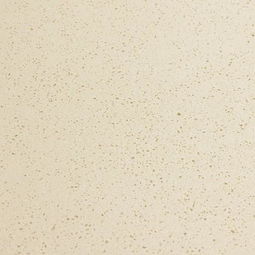
Conversely, lower-quality quartz, which might have a lower quartz-to-resin ratio and thus a lower density, can be more prone to chipping during fabrication and installation. This can lead to increased labor costs as fabricators may need to take extra precautions, or even necessitate the replacement of a damaged section. Therefore, while the “1.8” isn’t a direct cost factor for the consumer in terms of raw material price per square foot, it indirectly influences the overall project cost through fabrication efficiency and potential for material loss. When discussing prices with fabricators, understanding the quality of the quartz they are working with can provide valuable insight into why some quotes might be higher than others.
The long-term maintenance of quartz countertops is another area where the significance of density, and by extension “1.8,” becomes apparent. As mentioned, a higher density means a less porous surface. This inherent quality is quartz’s superpower when it comes to day-to-day upkeep. Spills from wine, coffee, juice, or oil are unlikely to penetrate the surface, preventing permanent stains. A simple wipe-down with a damp cloth and mild soap is usually sufficient to keep the countertop looking pristine. This low-maintenance aspect is a major selling point for busy households. Unlike natural stones that often require regular sealing to maintain their stain resistance, quartz, particularly denser varieties, generally does not need sealing. This saves homeowners time and the expense of purchasing and applying sealants.
However, it’s important to temper expectations regarding heat resistance. While quartz is heat-resistant, it’s not heat-proof. The resins used in its composition can be damaged by prolonged exposure to high temperatures. This can manifest as discoloration, scorching, or even cracking. Therefore, even with a dense, high-quality quartz, using trivets and hot pads for hot cookware is always recommended. The “1.8” density indicates a robust material, but it doesn’t grant immunity from extreme heat. Similarly, while quartz is highly scratch-resistant, it’s not entirely impervious to scratches. Aggressive cutting directly on the surface or dragging heavy, rough-bottomed cookware can still leave marks. Again, using cutting boards and being mindful of your movements will help preserve the pristine surface.
The “1.8” designation, while often used as an indicator of quality, can also be a point of confusion due to variations in manufacturing standards and marketing practices globally. In some regions or from certain manufacturers, the density might be described differently, or the focus might be on other quality metrics like tensile strength or flexural modulus. It’s also worth noting that the resin system itself is a complex chemical formulation. The type and quality of the polymers used can significantly impact the overall performance of the quartz, independent of density alone. Some advanced resin systems offer improved UV stability, enhanced flexibility, and even antimicrobial properties, which are not directly reflected by a simple density measurement.
Therefore, when evaluating quartz countertops, it’s beneficial to look beyond just the “1.8” number. Consider the brand reputation of the manufacturer. Established brands often have rigorous quality control processes in place to ensure consistency and performance. Look for certifications from reputable industry organizations, which can attest to the material’s durability, safety, and environmental standards. Don’t hesitate to ask your fabricator or supplier for detailed specifications of the quartz you are considering. Understanding the percentage of quartz content, the type of resin used, and the warranty offered can provide a more complete picture of the material’s quality and suitability for your needs.
Ultimately, the “1.8” in “quartz stone 1.8” serves as a valuable shorthand for a denser, likely higher-quality engineered stone. It points towards a material that will offer superior performance in terms of stain resistance, durability, and ease of maintenance. However, it’s not the entire story. A successful kitchen renovation hinges on a comprehensive understanding of all the factors involved – from the intrinsic material properties indicated by density, to the aesthetic appeal, the expertise of the fabricator, and the trustworthiness of the supplier. By arming yourself with knowledge and asking the right questions, you can confidently navigate the world of quartz and choose a countertop that will not only transform your kitchen’s look but also stand the test of time.









