
The kitchen, often hailed as the heart of the home, is a space that demands both functionality and flair. When it comes to selecting surfaces that can withstand the daily onslaught of culinary adventures and double as a canvas for your interior design dreams, countertops are paramount. Among the myriad of choices, quartz has ascended to a level of undeniable popularity. Its non-porous nature, remarkable durability, and stunning aesthetic appeal have made it a darling of homeowners and designers alike. However, the world of quartz isn’t as monolithic as it might initially appear. A subtle yet significant variable that can impact both the look and, more importantly, the cost of your quartz countertop is its thickness. Specifically, the question often arises: “How much more does 2cm thick quartz cost than 1.5cm thick quartz?” This isn’t just a simple arithmetic problem; it’s a gateway to understanding the intricate interplay of materials, manufacturing, and market forces that shape the price tag of this beloved material.

At its core, quartz countertops are engineered surfaces, a sophisticated blend of natural quartz crystals (typically around 90-95%) bound together with polymer resins and pigments. This composition is what grants quartz its formidable strengths – resistance to stains, scratches, and heat, far surpassing that of natural stone in many regards. When we talk about thickness, we’re referring to the slab’s dimension perpendicular to its visible surface. The most common thicknesses encountered in the market are 2cm (approximately 3/4 inch) and 1.5cm (approximately 5/8 inch). While the difference might seem minor on paper – a mere half centimeter – it translates into tangible differences in perceived quality, structural integrity, and ultimately, cost.
One of the primary drivers behind the price disparity is the sheer volume of material. It’s a fundamental principle of manufacturing: more material generally equates to a higher cost. A 2cm slab, by definition, contains more quartz particles, more resin binder, and more pigment per square foot than a 1.5cm slab. This increased quantity directly impacts the raw material expenditure for manufacturers. The extraction and processing of quartz crystals, the procurement of high-quality resins and pigments – these are all significant cost centers. When you opt for a thicker slab, you’re essentially purchasing a greater quantity of these components, and that increased consumption is reflected in the wholesale price.

Beyond the raw materials, the manufacturing process itself can contribute to the cost differential. Producing a uniform and dense quartz slab requires sophisticated machinery and precise control over the fabrication process. Thicker slabs may demand more rigorous compaction during the manufacturing stage to ensure consistent density and minimize voids. This could translate to longer press cycles or the need for more robust equipment, both of which add to the overhead costs for the manufacturer. Furthermore, the curing process for thicker slabs might also require more time or specific conditions to ensure the resin fully binds the quartz particles, leading to potential increases in energy consumption or specialized curing facilities. These manufacturing nuances, while not always explicitly detailed to the end consumer, are factored into the overall cost of production.
The structural implications of thickness are also a crucial element. A 2cm thick slab offers inherently greater rigidity and stability compared to a 1.5cm slab. This enhanced structural integrity is particularly important for countertops, which need to bear the weight of appliances, act as a stable surface for food preparation, and withstand the occasional bump or impact. For longer spans or areas where extra support might be limited, the 2cm thickness provides a greater sense of security and longevity. This increased robustness can sometimes translate to fewer support requirements during installation, potentially saving on labor costs in certain scenarios. However, the inherent strength of the thicker material is a primary selling point and justifies a higher perceived value, which manufacturers and fabricators leverage in their pricing.

Moreover, the visual and tactile experience of a thicker countertop often aligns with a more premium perception. A 2cm slab presents a more substantial and luxurious presence in a kitchen. It can create a more defined edge profile and contribute to a feeling of solidity and quality that many homeowners desire. While 1.5cm can still look elegant, especially with well-chosen edge profiles, the visual weight of 2cm is often associated with higher-end finishes. This aesthetic preference plays a significant role in consumer demand. When a consumer perceives a product as more luxurious or higher quality, they are often willing to pay a premium for it. Fabricators and retailers, understanding this consumer psychology, price the 2cm option accordingly, reflecting its enhanced visual appeal and the associated desirability.
Finally, the market dynamics and supply chain also play a part. While both 1.5cm and 2cm quartz are widely available, there might be variations in manufacturing scale and demand for each thickness. Manufacturers might produce 2cm slabs in larger quantities due to its popularity in certain markets or for specific product lines, potentially leading to economies of scale. Conversely, if 1.5cm is considered a more budget-friendly option, its production might be geared towards different market segments. The cost of transportation and handling can also be influenced by thickness; heavier, thicker slabs might incur slightly higher shipping costs, which are often passed on to the consumer. In essence, the price difference isn’t a single, isolated factor but a confluence of material quantity, manufacturing intricacies, structural benefits, aesthetic appeal, and market forces that collectively contribute to why 2cm quartz often carries a higher price tag than its 1.5cm counterpart.
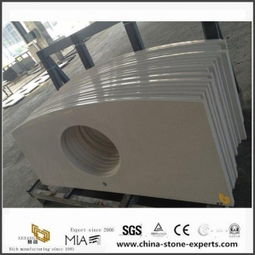
Continuing our exploration into the fascinating world of quartz countertops, we’ve established that the difference in thickness between 2cm and 1.5cm is more than just a superficial detail. It’s a critical factor influencing material quantity, manufacturing processes, structural integrity, aesthetic perception, and market positioning, all of which contribute to the price disparity. Now, let’s delve deeper into how these factors translate into tangible costs and what homeowners can expect when making their selection.
When considering the direct cost, the difference can range significantly depending on the specific quartz brand, pattern, and the fabricator you choose. However, as a general rule of thumb, you can anticipate that 2cm quartz will be approximately 10% to 25% more expensive per square foot than comparable 1.5cm quartz. This percentage might seem modest at first glance, but when dealing with the substantial surface area of kitchen countertops, the cumulative cost can become quite noticeable. For a standard-sized kitchen, this could translate into hundreds, or even over a thousand, dollars difference. This is why understanding the “why” behind the price is so crucial for making an informed renovation budget.
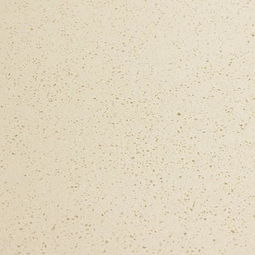
Let’s revisit the material aspect. Imagine a single slab of quartz. The 2cm slab, being thicker, requires a significantly larger quantity of the raw quartz aggregate. This aggregate is the primary component that gives quartz its hardness and durability. While the percentage of quartz content is usually consistent between thicknesses, the absolute volume increases with thickness. The binding resins, which are petrochemical-based, also contribute to the cost. Producing these resins and ensuring they uniformly encapsulate the quartz particles requires advanced chemical engineering. A thicker slab means more resin is needed to achieve the desired density and bonding strength, further increasing the material cost. It’s a direct correlation: more mass equals more input cost.
The manufacturing process, as touched upon earlier, also presents cost implications. The creation of quartz slabs involves a highly automated and precise process. Quartz aggregates are mixed with resins and pigments, then poured into a mold and subjected to intense vibration and vacuum to remove air pockets, followed by a high-pressure press and a heat curing process. For 2cm slabs, the press might need to exert greater force or for a longer duration to achieve optimal compaction and density across the entire thickness. The curing process, essential for the resin to harden and bind the materials, might also require more energy or specialized kilns for thicker slabs to ensure the heat penetrates evenly and cures the material thoroughly. These operational costs for manufacturers, including energy, machinery wear and tear, and labor for quality control, are inherently higher for producing thicker slabs.
The structural advantages of 2cm quartz, while a benefit to the homeowner in terms of longevity and peace of mind, also contribute to its higher price point. A 1.5cm slab, while perfectly adequate for many applications, might require additional support structures underneath, especially for islands or countertops with significant overhangs. This could involve reinforcing the cabinetry or adding supplementary support beams. While this might save on the initial material cost of the countertop itself, it could introduce additional labor and material costs for the support system. In contrast, the inherent rigidity of 2cm quartz often minimizes the need for such extensive extra support, making the installation itself potentially simpler and requiring fewer additional components. This inherent strength is a premium feature that fabricators price into their offerings.
Consider the edge profiles. While both 1.5cm and 2cm quartz can be fabricated with a variety of edge profiles, certain finishes appear more substantial and luxurious on a thicker slab. An eased edge or a bullnose on a 2cm countertop inherently looks more robust and visually impactful than on a 1.5cm slab. More intricate edge profiles, such as ogee or custom designs, often require more material to be removed and more skilled craftsmanship. These labor-intensive edge treatments are typically priced higher regardless of thickness, but their aesthetic impact is often amplified on thicker slabs, leading homeowners to perceive the 2cm option as the more desirable choice for these premium finishes.
Furthermore, the distribution and logistics of quartz slabs also factor into the equation. Thicker and heavier slabs require more robust packaging to prevent damage during transit. They might also necessitate specialized handling equipment at various points in the supply chain, from the manufacturer to the fabricator and ultimately to your home. Freight costs are often calculated based on weight and volume. Therefore, transporting 2cm slabs can incur slightly higher shipping charges compared to 1.5cm slabs, and these costs are invariably passed on to the consumer.
Finally, market perception and demand play a significant role. In many regions and for many high-end brands, 2cm quartz has become the standard for premium kitchens. This established market expectation means that fabricators and retailers often stock and promote 2cm slabs as their primary offering for discerning clients. The perceived value of a thicker, more substantial countertop often aligns with a higher price point, and consumers are frequently willing to pay this premium for what they view as a superior product. This dynamic reinforces the pricing structure where 2cm quartz is positioned as the more luxurious, durable, and ultimately, more expensive option. While 1.5cm quartz offers a compelling value proposition and can be an excellent choice for many projects, the allure and inherent advantages of 2cm thickness justify its higher cost, making it a decision that balances budget with desired aesthetics and long-term performance.









