
The allure of quartz countertops in modern interior design is undeniable. Their seamless blend of natural beauty and engineered resilience has made them a go-to choice for kitchens and bathrooms seeking both style and substance. But as you embark on the exciting process of selecting the perfect countertop, a seemingly simple question arises, one that can spark surprisingly vigorous debate among homeowners and designers alike: “Which thickness is best – 1.5cm or 2.0cm?” This isn’t just a matter of millimeters; it’s a decision that influences everything from the visual impact of your space to the long-term performance of your investment.

Let’s begin by understanding what these numbers actually represent. When we talk about 1.5cm or 2.0cm quartz, we’re referring to the thickness of the slab before it’s fabricated and installed. Think of it as the raw material’s foundation. While the difference might seem slight on paper, in the realm of kitchen and bathroom design, it can manifest in significant ways.
The 1.5cm (often referred to as 0.6 inches) option is generally the slimmer profile. Its primary appeal lies in its potential for a more delicate and contemporary aesthetic. For spaces where a sleek, minimalist look is paramount, a 1.5cm countertop can offer a refined elegance. It presents a less imposing presence, allowing other design elements to take center stage. Imagine a modern kitchen with clean lines and a waterfall edge that appears to effortlessly cascade down the cabinetry – a 1.5cm slab can achieve this look with a lighter, more understated feel. It can also be a more budget-friendly option, as less material is used in its production. This can be a significant factor for homeowners working with a tighter renovation budget, allowing them to achieve the desired quartz look without stretching their finances too thin. Furthermore, the lighter weight of 1.5cm slabs can sometimes translate to easier handling and installation, potentially reducing labor costs. This is particularly relevant for smaller projects or in situations where access to the installation site might be challenging.

However, the story doesn’t end with aesthetics and cost. The question of durability and structural integrity inevitably surfaces. A thicker slab, like the 2.0cm (approximately 0.8 inches), inherently possesses more mass. This greater density can translate to enhanced resistance against impacts, chips, and cracks. For a high-traffic kitchen where pots and pans are frequently moved and dropped, or for a busy family bathroom where durability is a non-negotiable, the added thickness of a 2.0cm countertop can provide invaluable peace of mind. It offers a robust foundation that can withstand the rigors of daily life with greater confidence.
The visual impact of 2.0cm quartz is also distinct. It presents a more substantial, luxurious feel. The thicker edge profile can create a bolder statement, exuding a sense of permanence and high-end craftsmanship. If you envision a kitchen with a more traditional or classic aesthetic, or if you simply prefer a countertop that feels more weighty and grounded, the 2.0cm option might be your perfect match. The perceived value and quality can be amplified by this heftier presence. Consider the way light interacts with a thicker edge – it can create a more pronounced shadow line, adding depth and dimension to the overall design. This can be particularly effective when paired with certain edge profiles, like a bullnose or ogee, where the increased material thickness allows for more intricate detailing.

Installation is another critical area where thickness plays a role. While 1.5cm slabs are lighter and potentially easier to maneuver, they often require additional support. This means that the cabinetry beneath might need to be reinforced, or a plywood sub-top might be necessary to ensure the countertop is adequately supported and doesn’t flex or sag over time. This can add to the overall cost and complexity of the installation process, potentially offsetting some of the initial savings on the material itself. In contrast, 2.0cm quartz, with its inherent strength, often requires less extensive support. It can sometimes be installed directly onto standard cabinetry without the need for additional reinforcement, simplifying the installation process and potentially reducing labor expenses. However, it’s crucial to remember that the specific requirements for support can vary depending on the manufacturer, the specific design of the countertop (e.g., island size, overhangs), and local building codes. Always consult with your fabricator and installer to understand the specific support needs for your chosen quartz thickness.
Edge profiles also behave differently depending on the slab thickness. Thinner edges on 1.5cm countertops can appear more delicate, but they might also be more prone to chipping if not treated with care. Conversely, thicker edges on 2.0cm slabs allow for a wider range of edge profiles, from the classic bullnose to more complex ogee or custom designs. This increased material thickness provides more “meat” for the fabricator to work with, enabling them to create more elaborate and visually striking edge treatments that can further enhance the countertop’s overall aesthetic and perceived value. The choice of edge profile can significantly impact the final look and feel of your countertop, and the thickness of the slab directly influences the possibilities available to you.

When contemplating the choice between 1.5cm and 2.0cm quartz, it’s not simply a matter of picking the “better” option. It’s about understanding the unique advantages and considerations of each and aligning them with your specific needs, your design vision, and your practical requirements. The journey to the perfect countertop is a tapestry woven with threads of aesthetics, durability, budget, and installation, and thickness is a fundamental strand in that intricate pattern.
Continuing our exploration of the quartz conundrum, let’s delve deeper into the practical implications of choosing between 1.5cm and 2.0cm thickness, moving beyond the initial aesthetic and structural considerations. One of the most significant factors influencing this decision is the intended use of the space. Is this for a high-traffic commercial kitchen, a bustling family hub, or a serene, rarely-used guest bathroom? The answer to this question can often steer you towards the most appropriate thickness.
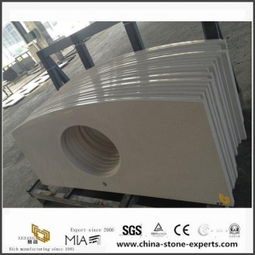
For kitchens, the heart of many homes, durability is often paramount. Spills, hot pans, dropped utensils – these are all part of the daily narrative. In this context, the 2.0cm quartz often emerges as the more robust choice. Its inherent strength provides a greater buffer against accidental impacts and thermal shock. While quartz is renowned for its heat resistance, a thicker slab offers an added layer of confidence, making it less susceptible to thermal fracturing from sudden temperature changes. Furthermore, the visual heft of a 2.0cm countertop can contribute to a sense of solidity and permanence, which is highly desirable in a space that demands both functionality and longevity. When it comes to heavily used surfaces, the peace of mind that comes with a more substantial material can be invaluable. Think about the constant movement, the preparation of meals, the children doing homework at the island – a 2.0cm countertop is designed to endure.
However, this isn’t to say that 1.5cm quartz is inherently unsuitable for kitchens. For homeowners who are meticulous in their kitchen habits, perhaps using trivets religiously and exercising caution with sharp objects, a 1.5cm countertop can still be a viable and stylish option. Its slimmer profile can lend itself to a more modern, streamlined kitchen design, and if budget is a significant concern, it can be a smart way to achieve the look of quartz without the higher material cost. The key here is understanding your own habits and the demands placed upon your kitchen surfaces. If you’re someone who embraces a less hands-on approach to kitchen maintenance, or if your kitchen is more of a showpiece than a workhorse, 1.5cm might still be a perfectly adequate choice.
In bathrooms, the demands can differ. While spills and humidity are present, the likelihood of heavy impacts from pots and pans is generally lower. This often makes 1.5cm quartz a very attractive option for bathroom vanities. The slimmer profile can contribute to a more delicate and refined aesthetic, fitting seamlessly into the typically smaller and less intensely used spaces of bathrooms. The cost savings associated with 1.5cm can also be more pronounced in bathroom renovations, where the countertop area is usually smaller than in a kitchen. A sleek, minimalist 1.5cm vanity top can elevate the look of a modern bathroom without overwhelming the space. Moreover, the lighter weight can be advantageous for installation in upstairs bathrooms or in situations where the existing vanity structure might not be able to support a heavier slab.
The fabrication and installation process itself warrants a closer look. As mentioned earlier, 1.5cm quartz often requires a supporting structure, typically a plywood sub-top or reinforced cabinetry. This is because the thinner slab alone might not have the rigidity to span longer distances without flexing or potentially cracking under pressure. This additional support adds to the overall complexity and cost of the installation. While the material cost of 1.5cm might be lower, the added labor and materials for support can sometimes level the playing field with 2.0cm. Fabricators are adept at working with both thicknesses, but the planning for support is a crucial step for 1.5cm.
Conversely, 2.0cm quartz, with its greater thickness and inherent stiffness, often requires less supplemental support. In many cases, it can be installed directly onto standard cabinetry, simplifying the installation process and potentially reducing labor costs. This can make the overall project cost more predictable. However, it’s important to note that for very large islands or countertops with significant overhangs, even 2.0cm quartz may require additional support to ensure structural integrity. Always discuss the specific support requirements with your chosen fabricator and installer, as they will have the most accurate understanding of your project’s needs.
Consider the long-term value and maintenance. Both 1.5cm and 2.0cm quartz are non-porous and highly resistant to staining and bacterial growth, making them exceptionally easy to maintain. However, the perceived durability of the thicker 2.0cm slab might offer greater long-term value in terms of longevity and resistance to minor wear and tear. If you’re planning to stay in your home for many years and want a countertop that will look great with minimal fuss, the inherent robustness of 2.0cm can be a compelling argument.
Finally, let’s touch upon the visual perception of “quality.” While both thicknesses are made from the same high-quality engineered quartz material, the thicker 2.0cm slab often conveys a sense of premium quality and luxury. The substantial edge profile, the solid feel – these elements contribute to a perception of higher value. For those who prioritize a statement piece that exudes sophistication and resilience, the 2.0cm option often aligns better with these aspirations.
In conclusion, the decision between 1.5cm and 2.0cm quartz is not a simple matter of “better” or “worse.” It’s a nuanced choice that hinges on a careful consideration of your specific project requirements, your aesthetic preferences, your budget, and your lifestyle. For a high-traffic kitchen demanding ultimate durability, 2.0cm often takes the lead. For a stylish bathroom vanity or a modern kitchen where a slimmer profile is desired and habits are careful, 1.5cm can be an excellent and cost-effective choice. By understanding the distinct advantages and potential drawbacks of each, you can confidently select the quartz thickness that will transform your space into a beautiful, functional, and enduring testament to your personal style.









