
The allure of a new kitchen is undeniable. It’s the heart of the home, where culinary creations come to life, where family gathers, and where memories are forged. And at the center of this bustling hub often lies the countertop – a surface that must be as beautiful as it is functional. In the realm of modern kitchen design, quartz has emerged as a titan, celebrated for its low maintenance, stunning aesthetics, and impressive resilience. However, within the seemingly straightforward world of quartz countertops, a subtle yet critical decision awaits: the thickness. Specifically, the difference between 1.5cm (approximately 0.6 inches) and 2.0cm (approximately 0.8 inches) quartz. While both offer the inherent benefits of quartz, their varying thicknesses translate into distinct visual impacts, structural considerations, and even installation nuances. Understanding these differences is paramount to ensuring your countertop choice perfectly complements your design vision and practical needs.

Let’s first address the visual impression each thickness imparts. A 1.5cm quartz countertop presents a sleeker, more minimalist profile. Its slender form lends itself beautifully to contemporary and modern kitchen designs, where clean lines and understated elegance are paramount. This thinner slab can create a sense of spaciousness, making smaller kitchens feel more open and airy. When paired with waterfall edge details, a 1.5cm slab can still achieve a substantial look, but it will inherently possess a more delicate and refined presence. Think of it as the difference between a finely tailored suit and a more robust tweed jacket; both are excellent, but they convey different vibes. For those seeking a seamless, almost floating appearance, the 1.5cm thickness can be an exceptional choice. It’s particularly effective in minimizing visual clutter and allowing the material’s color and pattern to take center stage without overwhelming the space. If your design aesthetic leans towards the ethereal and the unembellished, the 1.5cm option deserves serious consideration.
On the other hand, the 2.0cm quartz countertop offers a more substantial and grounded presence. Its thicker profile exudes a sense of solidity and permanence, often associated with traditional and transitional kitchen styles. This added thickness can create a more pronounced visual weight, lending a feeling of robust quality and enduring craftsmanship. For kitchens where a more classic or opulent feel is desired, the 2.0cm slab can significantly contribute to that perception. The edge details on a 2.0cm countertop also tend to appear more robust, allowing for a wider range of edge profiles to be effectively implemented. Whether you opt for a simple eased edge or a more decorative bullnose or ogee, the 2.0cm thickness ensures these details are not only visible but also contribute to the overall sense of luxury and durability. For homeowners who appreciate a kitchen that feels sturdy and substantial, the 2.0cm thickness is often the preferred route. It’s a choice that speaks to a desire for a countertop that not only looks good but feels unequivocally strong and reliable.
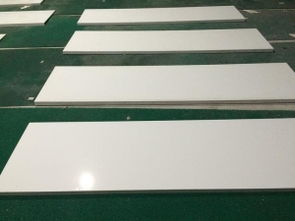
Beyond aesthetics, the difference in thickness directly impacts the structural integrity and durability of the countertop. While quartz itself is incredibly hard and non-porous, the inherent thickness plays a role in its resistance to impact and stress. A 2.0cm slab, by virtue of its greater mass, generally offers superior resistance to chipping and cracking, especially at the edges and corners, which are often subjected to the most wear and tear. Imagine a thin piece of wood versus a thicker plank; the thicker one is naturally more resilient to bending and breaking. While both thicknesses are highly durable for typical kitchen use, the 2.0cm option provides an added layer of confidence for households with very active kitchens or where heavy objects might be more frequently placed on the counter. This enhanced robustness can be particularly appealing for families with young children or for those who frequently engage in vigorous cooking and food preparation.
However, it’s crucial to note that the quality of the quartz itself and the skill of the fabricator play equally, if not more, significant roles in overall durability. A well-fabricated and installed 1.5cm countertop from a reputable manufacturer can often outperform a poorly executed 2.0cm installation. The non-porous nature of quartz means it’s resistant to stains, acids, and bacteria regardless of thickness, a hallmark benefit that remains consistent. The primary difference lies in the physical resilience to mechanical forces. For everyday use, both thicknesses are more than adequate. The decision often hinges on the perceived need for that extra measure of robustness and the desired visual outcome. It’s a nuanced conversation, and one where understanding your own kitchen’s usage patterns is key.

The installation process also presents a subtle divergence influenced by countertop thickness. A 1.5cm quartz slab is lighter and more flexible, making it generally easier and potentially less costly to transport and maneuver during installation. This can be a significant consideration for kitchens with difficult access or complex layouts. The lighter weight may also translate to less strain on cabinetry, especially older or less robust structures. However, the installation of thinner slabs might require a sturdier sub-base or more specialized support systems to ensure stability and prevent any potential sagging over time, particularly for larger spans. This often means that the underlying cabinetry needs to be in excellent condition and potentially reinforced to adequately support the thinner slab.
Conversely, 2.0cm quartz is heavier and more rigid. While this rigidity contributes to its perceived durability, it also means that transportation and installation can be more challenging and potentially more expensive. The sheer weight requires more labor and specialized equipment. However, its inherent rigidity often means it requires less additional support once installed, provided the cabinetry itself is structurally sound. The thicker slab can sometimes mask minor imperfections in the cabinetry beneath it, offering a more forgiving installation in certain scenarios. The decision here is not just about the slab itself, but also about the infrastructure it will rest upon. The overall cost of installation can be influenced by these factors, with the heavier 2.0cm often incurring higher labor charges due to the extra effort and specialized handling required. When weighing this decision, it’s worth discussing the specifics of your kitchen layout and cabinetry with your chosen fabricator to ascertain the most practical and cost-effective installation approach for each thickness.
Continuing our exploration into the world of quartz countertop thicknesses, the 1.5cm versus 2.0cm debate brings us to the crucial aspects of cost and the ripple effect these thicknesses have on your overall kitchen renovation budget. Generally speaking, thinner materials tend to be less expensive, and this holds true for quartz. A 1.5cm quartz slab will typically come with a lower per-square-foot price tag compared to its 2.0cm counterpart. This cost difference isn’t solely attributed to the amount of material used, though that’s a significant factor. The manufacturing process for thinner slabs can sometimes be more streamlined, and the reduced weight translates to lower transportation and handling costs, which are often factored into the final price. For homeowners working with a tighter budget, the 1.5cm option can offer a more accessible entry point into the world of premium quartz surfaces, allowing them to allocate their funds to other desired kitchen upgrades, such as high-end cabinetry, advanced appliances, or intricate tile work. It presents an opportunity to achieve a luxurious look and feel without compromising on other essential elements of the kitchen design.
However, it’s important to delve deeper than just the initial material cost. While 1.5cm quartz is generally more affordable upfront, there can be instances where the overall project cost evens out or even leans towards the 2.0cm option. This is primarily due to installation complexities. As previously mentioned, thinner slabs might necessitate additional support structures or reinforcement of existing cabinetry to ensure optimal stability and longevity. If your existing cabinets are not particularly robust or if you’re opting for extensive countertop spans, the cost of these preparatory measures could offset the savings from the thinner material. The fabricator will need to assess the structural integrity of your cabinetry and advise on any necessary upgrades, which will invariably add to the overall expense. In some cases, the cost of these required reinforcements for a 1.5cm slab might bring its total installed price closer to, or even exceed, that of a 2.0cm slab that requires less specialized support. Therefore, a comprehensive cost analysis that includes material, fabrication, installation, and any necessary sub-base modifications is essential for an accurate comparison.
The 2.0cm quartz, while carrying a higher per-square-foot material cost, can sometimes prove to be a more straightforward and less expensive installation if the cabinetry is already substantial or if minimal edge work is planned. Its inherent rigidity means it can often be installed directly onto well-supported cabinets without the need for additional sub-tops or reinforcement. This can simplify the installation process, potentially reducing labor time and associated costs. For homeowners who are confident in the structural integrity of their existing cabinetry or who are undertaking a full kitchen remodel where cabinet reinforcement is already part of the plan, the higher initial material cost of the 2.0cm slab might be absorbed by a less complex installation. It’s a classic case of evaluating the total investment rather than focusing solely on the upfront price of one component. Furthermore, the perceived greater durability of the 2.0cm thickness might offer a longer lifespan, potentially providing better long-term value, although this is a more subjective assessment.
When considering edge profiles, the thickness of the quartz plays a significant role in the aesthetic and structural possibilities. A 1.5cm slab, with its slender profile, is best suited for simpler edge treatments. An eased edge, a slight bevel, or a pencil edge are excellent choices that complement the minimalist nature of the thinner slab without appearing disproportionately bulky. While it is possible to achieve laminated or built-up edges on 1.5cm quartz to simulate a thicker appearance, this adds complexity and cost to the fabrication process. Such lamination involves adhering a second piece of quartz to the edge to create a thicker profile, which can be visually effective but requires precise craftsmanship and increases the overall expense. It’s a way to get a thicker look from a thinner slab, but it’s an additional step and therefore an additional cost.
The 2.0cm quartz, on the other hand, offers a much broader spectrum of edge profile options without the need for lamination. Standard edges like bullnose, demi-bullnose, cove, and even more intricate ogee or custom profiles can be easily and effectively executed on a 2.0cm slab. The inherent thickness provides sufficient material to create these more elaborate and decorative edges, which can significantly enhance the perceived luxury and style of the countertop. These thicker edges can also provide a greater sense of comfort and safety, as they are less likely to have sharp corners, which is a consideration in busy family kitchens. The ability to accommodate a wider variety of edge profiles without added fabrication steps makes the 2.0cm option a more versatile choice for those who desire a more decorative or traditional countertop edge. The choice of edge profile can dramatically alter the final look and feel of your countertop, and the thickness of the quartz is a primary determinant of what is aesthetically pleasing and practically achievable.
In conclusion, the decision between 1.5cm and 2.0cm quartz countertops is not merely a technicality; it’s a design choice that impacts the visual harmony, structural integrity, installation logistics, and budgetary considerations of your kitchen renovation. The 1.5cm option offers a sleek, modern aesthetic and a potentially more budget-friendly material cost, ideal for minimalist designs and those seeking to maximize openness. However, potential increases in installation costs due to required cabinetry reinforcement should be factored in. The 2.0cm choice exudes a more substantial, traditional feel, provides superior resistance to impact, and opens up a wider array of edge profile possibilities without added fabrication. While its material cost is higher, its simpler installation in some scenarios might offer better overall value. Ultimately, the “better” thickness is entirely subjective and depends on your unique design aspirations, practical needs, and the specific characteristics of your kitchen space. Consulting with experienced fabricators and designers is highly recommended to navigate these nuances and ensure your quartz countertops are not just a surface, but a cornerstone of your dream kitchen.









