
The heart of any home often beats strongest in the kitchen. It’s a space of creation, connection, and, let’s be honest, sometimes chaos! When embarking on the journey of a kitchen renovation or crafting a brand-new culinary haven, every decision, from the cabinet hardware to the sink faucet, contributes to the overall symphony of your design. Among the most impactful choices, and often a point of delightful deliberation, is the material for your countertops. And when it comes to modern elegance, resilience, and a spectrum of stunning designs, quartz has firmly planted its flag as a top contender.

But within the world of quartz, a seemingly simple question can open up a rabbit hole of considerations: what thickness should you opt for? The industry standard often presents us with two primary contenders: the sleeker 1.2cm (approximately half an inch) and the more substantial 2.0cm (roughly three-quarters of an inch). This isn’t just a matter of millimeters; it’s a choice that subtly influences the visual weight, perceived sturdiness, and even the installation nuances of your kitchen’s crowning glory. Let’s embark on a deep dive into the characteristics of each, starting with the more slender option.
The 1.2cm Quartz Countertop: A Nod to Modern Minimalism and Subtle Sophistication
Imagine a kitchen where clean lines reign supreme, where a sense of airiness and spaciousness is paramount. This is often where the 1.2cm quartz countertop finds its perfect stage. Its slender profile lends itself beautifully to contemporary and minimalist design aesthetics. Think waterfall edges that don’t feel overly imposing, or a seamless transition from countertop to backsplash when the same material is used. This thinner slab can create a more delicate and refined look, allowing other design elements in your kitchen to take center stage without being overshadowed by a heavy countertop.
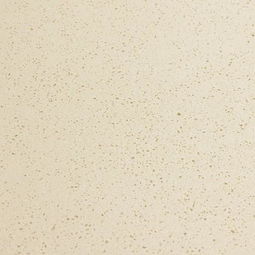
One of the most significant advantages of 1.2cm quartz is its inherent lightness. This can translate to potentially lower material costs and, in some cases, more straightforward installation. For projects with specific structural considerations or where budget is a primary concern, the reduced weight can be a compelling factor. It’s also worth noting that many manufacturers offer 1.2cm quartz specifically designed for vertical applications, such as backsplashes or wall cladding, allowing for a cohesive design scheme throughout the space. When paired with modern cabinetry, especially those with handleless designs or minimalist hardware, the 1.2cm thickness truly shines, reinforcing an uncluttered and sophisticated ambiance.
However, it’s crucial to acknowledge that with a thinner profile comes a potential trade-off in perceived durability and robustness. While quartz itself is an incredibly hard and non-porous material, a thinner slab can be more susceptible to chipping or cracking under extreme stress. This doesn’t mean it’s fragile; rather, it demands a mindful approach to its use. For busy kitchens where heavy pots and pans are frequently slammed down, or where children might be prone to leaning heavily on the edges, the 1.2cm thickness might require a greater degree of caution. Furthermore, the edge profile options for 1.2cm quartz are often more limited. While a simple eased or slightly beveled edge can look stunning, achieving more elaborate profiles like bullnose or ogee might not be feasible or advisable with this thinner material, as it could compromise its structural integrity.
The visual impact of a 1.2cm countertop is also worth considering. It can make a space feel larger and more open, particularly in smaller kitchens. The thinner edge draws the eye to the surface itself, showcasing the intricate patterns and colors of the quartz without the visual heft that a thicker slab might impose. This is especially effective in kitchens with a lot of natural light, where the thinner profile can contribute to a bright and airy feel. When you envision a kitchen that feels expansive and chic, where the countertop acts as a subtle yet stylish foundation, the 1.2cm quartz is a strong contender. It’s a choice that speaks to a discerning eye for detail and a preference for understated elegance. It allows for a more fluid integration with other design elements, offering a canvas that supports, rather than dominates, the overall kitchen narrative.
When it comes to installation, the lighter weight of 1.2cm quartz can sometimes simplify the process, potentially reducing labor costs and the need for extensive reinforcement. This is particularly relevant in older homes or kitchens with existing structural limitations. However, it’s always imperative to consult with your fabricator. They will assess your specific cabinetry, the layout of your kitchen, and the intended use of the countertops to provide tailored advice. They can also advise on the best way to support a thinner slab, ensuring its longevity and performance. Ultimately, the 1.2cm quartz countertop is a statement of refined taste, a testament to the beauty of subtlety, and a practical choice for those who prioritize a sleek, modern aesthetic and a sense of spaciousness. It’s an invitation to a kitchen that feels both sophisticated and serene, a tranquil hub for culinary adventures and everyday life.
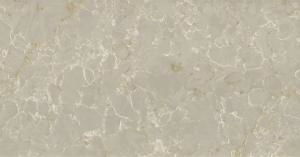
Transitioning from the slender elegance of 1.2cm quartz, we now turn our attention to its more substantial counterpart: the 2.0cm quartz countertop. This thickness, often considered the industry standard for many quartz applications, brings a palpable sense of solidity and robustness to your kitchen design. If your vision for your kitchen leans towards a more traditional, timeless, or even a robustly modern aesthetic, the 2.0cm thickness offers a compelling visual and tactile experience.
The immediate impression of a 2.0cm countertop is one of strength and permanence. Its greater thickness provides a more commanding presence, lending a sense of gravitas to your kitchen island, perimeter countertops, and any other surfaces where it’s applied. This is particularly advantageous when you desire a countertop that can withstand the rigors of a busy family kitchen without compromising on style. While quartz is inherently durable, the added thickness of the 2.0cm slab offers an extra layer of resilience against impacts, scratches, and chipping. For those who frequently chop directly on their countertops (though not generally recommended, accidents happen!), or who often place heavy appliances, the 2.0cm thickness offers greater peace of mind.
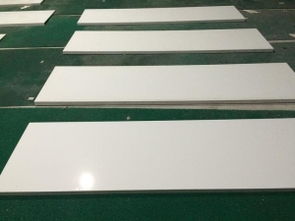
One of the most significant benefits of the 2.0cm thickness is the expanded range of edge profile options available. With more material to work with, fabricators can confidently craft a wider variety of decorative and functional edges. Whether you dream of a classic bullnose, an elegant ogee, or a sturdy half-bullnose, the 2.0cm slab can accommodate these intricate designs, adding a bespoke touch that elevates the overall look and feel of your kitchen. These more substantial edge profiles can also provide a more comfortable feel when leaning against the countertop, a subtle but appreciated detail in a frequently used space. Furthermore, the 2.0cm thickness is often ideal for creating seamless, “waterfall” style islands where the countertop material flows down the sides of the cabinetry, creating a striking visual statement. The thicker slab ensures that this design element appears substantial and well-supported.
In terms of visual weight, the 2.0cm thickness can ground a kitchen design, providing a solid foundation that complements a variety of cabinet styles. It pairs exceptionally well with more traditional cabinetry, detailed molding, or even chunky shaker styles. However, it can also work beautifully in modern kitchens, offering a counterbalance to sleek, minimalist designs and adding a touch of gravitas. The perceived durability of a 2.0cm countertop can also influence its practical applications. It’s often the preferred choice for commercial settings or high-traffic areas where extreme durability is a must. For homeowners who entertain frequently or have active households, the added thickness can be a significant factor in their decision-making process.
When it comes to installation, the 2.0cm thickness typically requires more robust support, especially for longer spans or islands. This might involve additional cabinetry reinforcement or specialized sub-tops, which can add to the overall cost of the project. However, this added structural consideration ensures the long-term stability and performance of your countertops. Your fabricator will be able to provide precise recommendations based on your kitchen’s design and the specific layout of your quartz installation. The greater weight also means that installation might be slightly more labor-intensive, which could be reflected in the overall installation cost.
The choice between 1.2cm and 2.0cm quartz ultimately hinges on a careful consideration of your kitchen’s aesthetic goals, your lifestyle, and your budget. If you’re aiming for a light, airy, and ultra-modern feel, and are mindful of potential wear and tear, the 1.2cm option offers a sleek and sophisticated solution. Conversely, if you desire a countertop that exudes strength, offers a wider range of edge profiles, and can handle the demands of a busy household with exceptional resilience, the 2.0cm thickness presents a powerful and timeless choice. Both offer the inherent benefits of quartz – its non-porous nature, resistance to stains, and ease of maintenance. It’s about finding the perfect balance that resonates with your personal style and functional needs, ensuring your kitchen becomes not just a space to cook, but a cherished sanctuary that you’ll love for years to come. Consulting with experienced kitchen designers and fabricators is invaluable in navigating these choices, ensuring that your dream kitchen is built on a foundation of informed decisions and lasting beauty.









