
The gleam of a quartz countertop is an almost irresistible allure for any homeowner embarking on a kitchen renovation. It promises a surface that is not only stunningly beautiful but also remarkably resilient, capable of withstanding the daily rigors of culinary adventures. However, as you delve into the world of quartz, a crucial decision emerges: the thickness of the slab. The prevalent options often boil down to 1.5cm (approximately 0.6 inches) and 2.0cm (approximately 0.8 inches). While this might seem like a minor detail, the subtle difference in millimeters can translate into significant variations in cost, durability, and even the overall aesthetic of your kitchen. Understanding this price gap – “石英台面1.5和2.0差价多少” (how much is the price difference between 1.5cm and 2.0cm quartz countertops?) – is paramount to making an informed investment in your home.

At its core, the price difference between 1.5cm and 2.0cm quartz countertops stems from a few key factors, primarily the sheer amount of material used. Quartz, a composite material made from crushed quartz crystals and resins, requires a substantial quantity of both to form a solid slab. Naturally, a thicker slab, the 2.0cm option, will necessitate more of these raw materials. This directly impacts the manufacturing cost, which then trickles down to the consumer. Think of it like purchasing fabric; a larger bolt of cloth, inherently containing more material, will invariably cost more than a smaller one, all other factors being equal. This fundamental principle of material quantity is the primary driver behind the price disparity.
Beyond the raw material, the manufacturing process itself can contribute to the cost difference. While the core technology for producing quartz slabs remains similar regardless of thickness, thicker slabs may require slightly more energy or specialized equipment for pressing and curing. These are often marginal differences, but in large-scale production, they can add up. Furthermore, the transportation and handling of these slabs also factor in. A 2.0cm slab is inherently heavier than its 1.5cm counterpart. This increased weight can lead to higher shipping costs, as well as potentially requiring more robust handling equipment during delivery and installation, adding another layer to the overall expense.
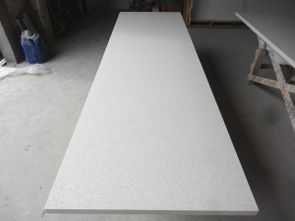
The perceived value and durability often associated with thicker materials also play a role in pricing strategies. In many industries, a thicker product is instinctively viewed as more robust, more luxurious, and ultimately, more durable. Quartz countertops are no exception. While both 1.5cm and 2.0cm quartz are engineered to be highly durable, the 2.0cm option often carries a premium price tag due to this perceived advantage. Consumers are often willing to pay more for the peace of mind that comes with a thicker, seemingly more substantial countertop. This is a psychological pricing factor, where the perceived quality and longevity directly influence what the market is willing to bear.
Let’s delve into the practical implications of this thickness difference. A 1.5cm quartz countertop, while thinner, is still a perfectly viable and often excellent choice for many kitchen applications. It offers a sleek, modern profile that can be particularly appealing in contemporary kitchen designs. Its lighter weight can also make it easier and potentially less expensive to install, especially in situations where the existing cabinetry might not be able to support heavier loads. For many homeowners, the aesthetic appeal and the inherent durability of quartz at this thickness are more than sufficient for their needs, and the cost savings can be substantial. It’s a smart choice for budget-conscious renovators who don’t want to compromise on quality or style.
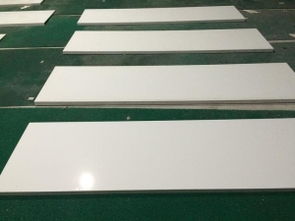
However, the 2.0cm quartz countertop offers a distinct advantage in terms of sheer robustness. Its greater thickness provides increased resistance to impact and chipping, particularly along the edges. This can be a significant consideration for families with young children or in kitchens that experience heavy daily use. The thicker slab also offers greater structural integrity, which can be important for certain countertop designs, such as those featuring significant overhangs or integrated sinks without substantial support. The substantial feel of a 2.0cm countertop can also contribute to a more luxurious and high-end perception of the kitchen. It exudes a sense of solidity and permanence that many homeowners find highly desirable.
When considering the “石英台面1.5和2.0差价多少,” it’s not just about the initial purchase price. The installation costs are also influenced by the thickness. While both require professional installation, the handling and fabrication of thicker slabs can sometimes incur slightly higher labor charges. However, this is not always the case and can vary significantly depending on the fabricator and their pricing structure. It’s always advisable to obtain detailed quotes that break down material costs, fabrication, and installation separately. This transparency will allow you to accurately compare the total investment for both 1.5cm and 2.0cm options from different suppliers.

Furthermore, the edge profile you choose can also subtly influence the perceived difference in thickness and, consequently, the cost. A standard eased or square edge on a 1.5cm slab might appear quite refined, while the same edge on a 2.0cm slab will look more substantial. If you opt for more intricate or thicker edge profiles, such as a bullnose or ogee, the visual impact of the 2.0cm thickness will be amplified, further contributing to that sense of luxury. Conversely, a 1.5cm slab with a more delicate edge can maintain a sleek and minimalist appearance. The interplay between thickness and edge profile is a crucial design consideration that affects both the look and the feel of your countertops.
In essence, the price difference between 1.5cm and 2.0cm quartz countertops is a multi-faceted equation. It’s a blend of material cost, manufacturing complexity, transportation, perceived value, and installation considerations. While the 2.0cm option generally commands a higher price, this is often justified by its enhanced durability and the luxurious, substantial feel it imparts to a kitchen. The 1.5cm option, on the other hand, offers a more budget-friendly entry into the world of quartz, providing excellent performance and aesthetic appeal for a wide range of kitchen designs and homeowner needs. The decision ultimately hinges on your specific priorities, budget, and the desired aesthetic for your culinary sanctuary.
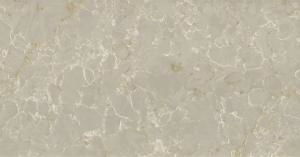
Continuing our exploration into the “石英台面1.5和2.0差价多少,” let’s delve deeper into how this thickness variation impacts the long-term value and practicality of your kitchen investment. While the initial price is a significant consideration, it’s essential to weigh this against the durability, aesthetic impact, and potential resale value that each thickness offers. Understanding these nuances will empower you to make a choice that best aligns with your lifestyle and financial planning for your home.
The primary justification for the higher cost of 2.0cm quartz is its enhanced durability. A thicker slab offers greater resistance to impact, which is particularly valuable in a high-traffic kitchen environment. Imagine the occasional dropped pot or the enthusiastic chop of a cleaver; a 2.0cm countertop is inherently better equipped to withstand such impacts without chipping or cracking. This increased resilience translates to a longer lifespan for your countertops and potentially fewer repair or replacement costs down the line. For homeowners who prioritize robust, long-lasting surfaces, the incremental cost of 2.0cm quartz can be a wise investment in enduring quality.
Aesthetic considerations also play a crucial role in the perceived value of 2.0cm quartz. The increased thickness lends a sense of substance and luxury that is difficult to replicate with thinner materials. A 2.0cm slab often creates a more commanding presence in the kitchen, contributing to a feeling of opulence and high-end craftsmanship. This can be especially true when paired with certain edge profiles. For instance, a mitered edge or a waterfall edge will appear more substantial and visually striking on a 2.0cm slab, enhancing the overall design narrative of the space. While 1.5cm quartz can still achieve beautiful aesthetics, the 2.0cm option often provides an elevated sense of gravitas and sophistication.
On the other hand, 1.5cm quartz countertops are far from being a lesser option; they represent a smart and often highly practical choice. Their thinner profile can contribute to a more minimalist and contemporary aesthetic, aligning perfectly with modern design trends. In kitchens with smaller footprints or where a less imposing countertop is desired, 1.5cm quartz can offer a sleeker, more streamlined look. Furthermore, the lighter weight of 1.5cm slabs can simplify installation, potentially reducing labor costs and making it a more feasible option for homes with older cabinetry that might not be engineered to support the weight of thicker materials. This makes 1.5cm a compelling choice for renovations where budget constraints are a significant factor, or where a specific design vision calls for a lighter, more delicate feel.
When it comes to fabrication, the difference in thickness can also influence the complexity and cost. While the basic cutting and polishing processes are similar, working with thicker slabs can sometimes require more specialized tooling and techniques. This can lead to slightly higher fabrication charges for 2.0cm quartz, adding another dimension to the “石英台面1.5和2.0差价多少” equation. However, this is not always a universal rule, and many reputable fabricators maintain consistent pricing structures for standard edge profiles regardless of thickness. It is always best to obtain detailed quotes that specify all associated costs to ensure a clear understanding.
Consider the potential for integrated sinks. If you are planning to have an undermount or integrated sink, the thickness of the countertop plays a vital role in the structural integrity of the sink area. A 2.0cm slab offers superior support for the weight of an undermount sink, reducing the risk of flexing or cracking over time. While it’s possible to install undermount sinks with 1.5cm quartz, it often requires additional reinforcement or specialized mounting systems, which can add to the overall cost and complexity of the installation. For this reason, many designers and fabricators recommend 2.0cm quartz for undermount sink applications to ensure maximum durability and longevity.
The resale value of your home is another aspect to consider. While a kitchen renovation is primarily for your enjoyment, it also contributes to your property’s market value. High-quality, durable materials like quartz are a significant selling point. While both 1.5cm and 2.0cm quartz are desirable, a buyer might perceive the thicker 2.0cm option as a more substantial and valuable upgrade, potentially leading to a higher return on investment during a future sale. This is a subtle but important factor in the long-term financial calculus of your kitchen renovation.
Let’s summarize the price difference more concretely. While exact figures vary wildly based on brand, color, location, and fabricator, a general rule of thumb is that 2.0cm quartz can be anywhere from 10% to 30% more expensive than 1.5cm quartz for the same material and design. This percentage increase accounts for the greater material usage, potentially higher fabrication and installation complexity, and the perceived increase in durability and luxury. For example, if a particular 1.5cm quartz color costs $50 per square foot for the material, the 2.0cm version of the same color might range from $55 to $65 per square foot. This is a simplified illustration, but it highlights the significant, yet often justifiable, price jump.
When making your decision, it’s crucial to visit showrooms and see both thicknesses in person, ideally with the edge profiles you are considering. Run your hands over them, feel the weight, and visualize them in your kitchen space. Engage with sales professionals and fabricators to discuss your specific needs and budget. Don’t hesitate to ask about warranty details for each thickness, as this can provide further insight into the manufacturer’s confidence in the product’s durability. Ultimately, the “石英台面1.5和2.0差价多少” is a question that should lead you to a deeper understanding of the value proposition offered by each option. It’s about balancing aesthetics, durability, budget, and personal preference to create a kitchen that you will love for years to come.









