
The hum of a modern home is often a symphony of thoughtful design and practical function, and at the heart of this harmony lies the choice of materials. Among the pantheon of surface options, acrylic solid surface, often referred to in Chinese as “亚克力人造石板材” (yàkèlì rénzào shí bǎncái), has carved out a significant niche, celebrated for its seamless beauty, remarkable versatility, and hygienic properties. But as with any premium material, a question naturally arises: what is the price of this pristine allure? Understanding the cost of acrylic solid surface isn’t just about numbers; it’s about appreciating the intricate dance of raw materials, manufacturing processes, design complexity, and the sheer value this material brings to any space.

At its core, acrylic solid surface is a composite material, primarily composed of acrylic polymers and alumina trihydrate (ATH), a mineral filler derived from bauxite ore. The quality and origin of these raw components play a pivotal role in the final product’s price. Higher-grade acrylic resins, known for their exceptional clarity, UV resistance, and longevity, will naturally command a higher price than standard industrial grades. Similarly, the purity and processing of the ATH filler influence the slab’s density, opacity, and how well it accepts pigments. Manufacturers often source these materials globally, and fluctuations in commodity prices, shipping costs, and currency exchange rates can all subtly impact the baseline cost of the raw ingredients.
Beyond the fundamental composition, the manufacturing process itself is a significant cost driver. The creation of acrylic solid surface typically involves a sophisticated casting or extrusion process. In casting, the liquid mixture of acrylic resin and filler is poured into molds and cured. This method allows for intricate shapes and designs, but it also requires precise temperature control, specialized equipment, and a skilled workforce. Extrusion, on the other hand, involves pushing the material through a die to form sheets. While potentially more efficient for mass production of standard sizes, it may offer less flexibility for custom forms. The energy consumption of these processes, the wear and tear on machinery, and the rigorous quality control measures implemented at each stage all contribute to the overall manufacturing expense.
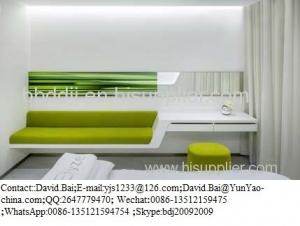
The aesthetic dimension of acrylic solid surface is where its value truly shines, and this is where pricing can become more nuanced. The vast spectrum of colors, patterns, and finishes available is a testament to the material’s inherent adaptability. Simple, solid colors often represent the lower end of the price spectrum. However, as the design becomes more complex – think subtle veining that mimics natural marble, intricate granular textures, or even translucent options that allow for backlighting – the manufacturing process becomes more labor-intensive and technologically demanding. Achieving a truly convincing imitation of natural stone, for instance, requires advanced techniques in pattern creation and color blending, directly influencing the final price. The development and patenting of unique, proprietary patterns by specific brands also contribute to their premium positioning.
Furthermore, the thickness of the slab is a direct determinant of material cost. Thicker slabs require more raw material, and while they offer greater structural integrity and potential for post-fabrication, they also come with a higher price tag. Standard thicknesses often range from 6mm to 12mm, with thicker options available for specialized applications. The size of the slab also matters; larger slabs can reduce the number of seams required in a project, which is aesthetically desirable, but they may also incur higher production and transportation costs.
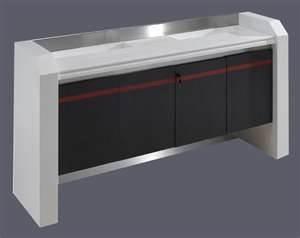
The “亚克力人造石板材价格” is not a static figure; it’s a dynamic reflection of the material’s inherent qualities and the journey it takes from raw components to a finished product ready for installation. This initial cost, while important, is merely the prologue to the story of value that acrylic solid surface offers. As we delve deeper, we’ll explore how design complexity, fabrication, installation, and the long-term benefits further shape its perceived and actual cost, revealing why this material continues to be a compelling choice for those seeking both beauty and enduring performance.
The initial cost of acrylic solid surface, as we’ve explored, is influenced by its raw components, manufacturing sophistication, and the inherent beauty of its design. However, the story of “亚克力人造石板材价格” doesn’t conclude with the price of a raw slab. The journey from material to masterpiece involves crucial steps like fabrication and installation, which add to the overall investment but significantly elevate the material’s functional and aesthetic potential.
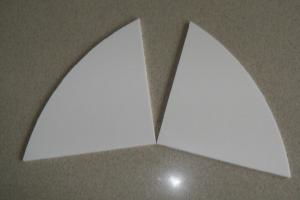
Fabrication is where the raw slab is transformed into the specific components needed for your project – countertops, vanities, wall panels, or custom designs. This process demands precision and specialized skills. Cutting, shaping, routing edges, and creating seamless joints are all part of the fabrication puzzle. The complexity of the design directly impacts fabrication time and cost. A simple rectangular countertop with a basic edge profile will be less expensive to fabricate than a complex curved island with an integrated sink and intricate edge detailing. The use of advanced CNC (Computer Numerical Control) machinery can streamline some of these processes, ensuring accuracy and consistency, but the initial investment in such technology, and the expertise to operate it, is factored into the fabrication cost.
One of the most compelling features of acrylic solid surface, and a significant factor in its perceived value, is its ability to create virtually seamless joints. Unlike natural stone or laminate, where seams are often visible and can trap dirt, acrylic solid surface can be joined with specialized adhesives that, when cured, become as durable and smooth as the rest of the material. This seamlessness is not only aesthetically pleasing but also highly hygienic, as it eliminates grout lines and crevices where bacteria and moisture can accumulate. The skill required to achieve these invisible seams is paramount, and fabricators with a proven track record in this area may charge a premium for their expertise.
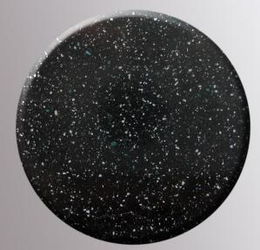
Installation is the final act, where the fabricated pieces are brought to your site and expertly fitted. This involves careful measurement, precise fitting, and professional finishing. Factors such as the accessibility of the installation site, the complexity of the layout, and the need for specialized tools or equipment can all influence installation costs. For example, installing a large, multi-piece countertop in a high-rise apartment building will likely involve more logistical challenges and thus higher installation fees than a straightforward vanity top in a single-family home. The installer’s experience and reputation also play a role; a highly skilled and reputable installer provides peace of mind and ensures a flawless finish.
Beyond the tangible costs of material, fabrication, and installation, the enduring value proposition of acrylic solid surface is a crucial aspect of its overall price. Durability is a cornerstone. Acrylic solid surface is non-porous, meaning it resists staining from common household spills like wine, coffee, and oil. It’s also resistant to mold and mildew, making it an excellent choice for kitchens and bathrooms. While it can be scratched, minor scratches can often be buffed out, and deeper damage can be repaired by professionals, extending the life of the surface significantly. This reparability is a key differentiator from materials like quartz, which, while highly durable, can be more challenging and expensive to repair if damaged.
The hygienic nature of acrylic solid surface is another invaluable benefit, particularly in today’s health-conscious world. Its non-porous surface prevents the absorption of liquids and the growth of bacteria, making it an ideal choice for healthcare settings, laboratories, and busy family kitchens. This ease of maintenance and superior hygiene contributes to a healthier living or working environment, a benefit that is difficult to quantify but highly prized.
Aesthetically, the long-term appeal of acrylic solid surface is undeniable. Its ability to be thermoformed into gentle curves and complex shapes opens up a world of design possibilities, allowing for unique and personalized spaces. The consistent color and pattern throughout the slab mean that chips or scratches are less noticeable than in materials with a thin veneer or patterned surface. This ensures that the beauty of your chosen surface endures for years to come, resisting fading and discoloration.
When considering the “亚克力人造石板材价格,” it’s essential to view it not just as an upfront expense, but as an investment in a material that offers a compelling blend of beauty, functionality, and longevity. The price reflects the sophisticated manufacturing, the design flexibility, the expert craftsmanship required for fabrication and installation, and ultimately, the enduring value it brings to your home or commercial space. It’s a choice that speaks to discerning individuals who seek surfaces that are not only visually stunning but also perform exceptionally well, providing a pristine and practical foundation for life’s everyday moments.









