
The quest for the perfect countertop is a journey filled with aesthetic aspirations and practical considerations. Among the myriad of materials vying for a place in our homes, Corian solid surface has emerged as a captivating contender, celebrated for its seamless beauty, remarkable durability, and unparalleled design flexibility. But as homeowners embark on this transformative endeavor, a fundamental question often arises, echoing through design studios and online forums alike: “可丽耐人造石多少钱一平方” – essentially, “How much does Corian solid surface cost per square foot?” This query, while seemingly straightforward, opens a Pandora’s Box of factors that influence the final price, weaving a tapestry of value that extends far beyond the initial per-square-foot figure.

To truly understand the investment in Corian, we must first appreciate its unique composition and inherent advantages. Unlike natural stones that are mined from the earth, Corian is a meticulously engineered material, a blend of acrylic polymer and alumina trihydrate (ATH). This precise formulation bestows upon it a non-porous nature, a characteristic that sets it apart from many other countertop options. This inherent impermeability means Corian resists staining from everyday spills – be it red wine, coffee, or tomato sauce – with remarkable tenacity. Furthermore, its non-porous surface inhibits the growth of mold, mildew, and bacteria, making it an exceptionally hygienic choice, particularly for kitchens and bathrooms where cleanliness is paramount. This inherent resistance to moisture and staining translates directly into long-term value, reducing the need for frequent deep cleaning and specialized treatments, thereby saving you time and money in the long run.
The aesthetic possibilities with Corian are virtually boundless. Its true magic lies in its ability to be thermoformed and seamlessly joined. This means that intricate curves, organic shapes, and even elaborate 3D designs can be brought to life, offering a level of customization rarely achievable with other materials. The seams, when expertly fabricated, become virtually invisible, creating a monolithic, elegant surface that flows effortlessly. This seamlessness not only enhances the visual appeal but also contributes to its hygienic properties, eliminating grout lines where dirt and bacteria can accumulate. The sheer range of colors and patterns available further amplifies its design potential. From crisp whites and soothing neutrals to vibrant hues and swirling marbled effects, Corian can be tailored to complement any interior design scheme, from the minimalist modern to the classically traditional. This versatility allows homeowners to express their personal style without compromise, turning a functional surface into a true design statement.
However, the cost of Corian is not a monolithic entity. It is a dynamic figure influenced by a confluence of elements, each playing a crucial role in shaping the final quotation. The most apparent factor is the chosen color and pattern. Corian offers a spectrum of aesthetic options, ranging from solid, uniform colors to complex veined or particulate designs. Generally, simpler, more uniform colors tend to be at the lower end of the price spectrum, while those mimicking natural stone with intricate veining, depth, and subtle variations often command a higher price. This is due to the more complex manufacturing processes involved in achieving these sophisticated looks.
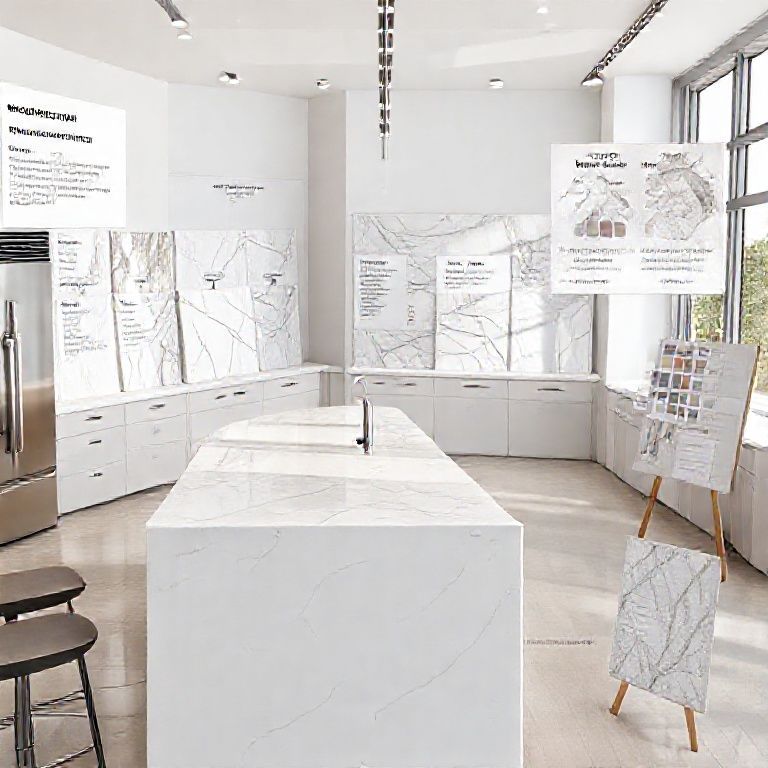
Beyond the visual, the thickness of the Corian sheet also impacts the cost. While standard countertops are typically fabricated from 12mm (half-inch) thick material, thicker applications or specific design requirements might necessitate the use of 6mm or even 19mm (three-quarter-inch) sheets. Naturally, a thicker slab will require more raw material, thus increasing the per-square-foot cost. This is a practical consideration, as the intended use and the desired structural integrity of the countertop will dictate the appropriate thickness.
The complexity of the fabrication and installation process is another significant contributor to the overall price. This encompasses a multitude of intricate steps. Precision templating is crucial, ensuring a perfect fit for your specific kitchen or bathroom layout. The cutting and shaping of the Corian, especially for intricate designs, curved edges, or integrated sinks, requires specialized tools and skilled craftsmanship. The seamless joining of multiple pieces, a hallmark of Corian’s appeal, is a delicate and time-consuming process that demands expertise. Moreover, the installation itself, including the careful fitting, securing, and finishing of the countertop, is a skilled trade that directly influences the final cost. Factors such as the number of cutouts for sinks, faucets, and cooktops, as well as the complexity of edge profiles (e.g., bullnose, waterfall edges), all contribute to the labor involved and, consequently, the price. A straightforward rectangular countertop with a simple eased edge will naturally be less expensive than a custom-designed island with integrated drainage channels and a waterfall edge on multiple sides.
Furthermore, the geographic location of the project can also play a role in pricing. Labor costs, transportation expenses, and the prevalence of authorized Corian fabricators in a particular region can all contribute to variations in pricing. The reputation and experience of the chosen fabricator also come into play. Highly reputable fabricators with a proven track record of exceptional craftsmanship and customer service may charge a premium, but this often translates into a superior end product and peace of mind.
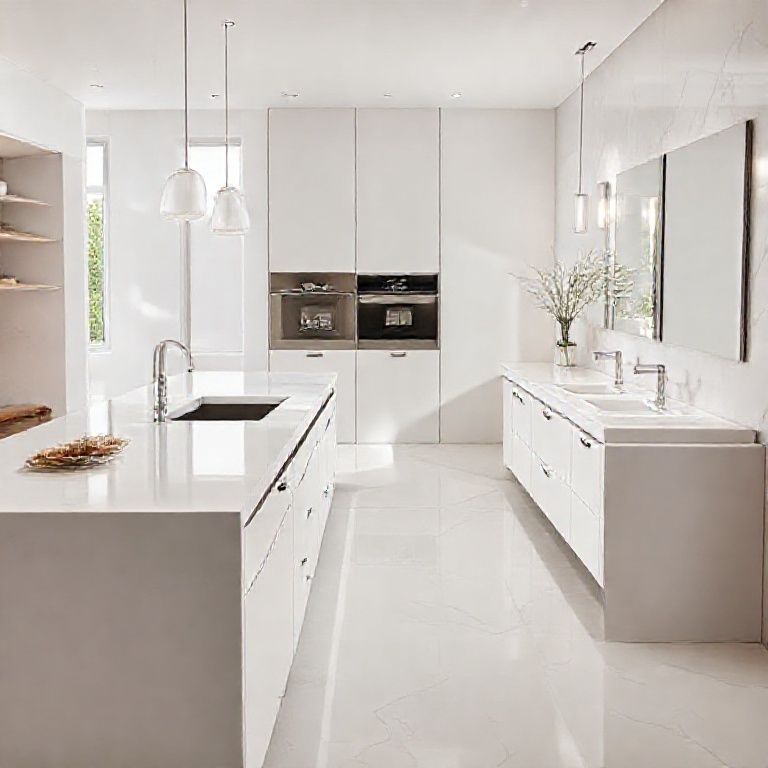
Finally, the inclusion of integrated features, such as Corian sinks or drainboards, further influences the overall cost. While opting for an integrated sink offers a seamless and hygienic solution, it represents an additional material and fabrication cost compared to a separate undermount or drop-in sink. However, the unified aesthetic and ease of cleaning provided by an integrated Corian sink can be a compelling argument for its inclusion, making the perceived value well worth the additional investment for many. When considering “可丽耐人造石多少钱一平方,” it’s vital to look beyond the raw material cost and appreciate the comprehensive value proposition that Corian offers, encompassing its beauty, durability, hygienic properties, and endless design possibilities, all shaped by these interwoven cost factors.
Continuing our exploration into the enigmatic question of “可丽耐人造石多少钱一平方,” we delve deeper into the nuanced considerations that shape the final investment in this versatile solid surface. While the initial cost per square foot might seem like a straightforward calculation, understanding the long-term value and the various elements contributing to the price is paramount for making an informed decision that aligns with your budget and design aspirations.
One of the most compelling arguments for Corian’s enduring appeal, and consequently its pricing structure, lies in its exceptional durability and longevity. Unlike some materials that can chip, crack, or stain with relative ease, Corian is engineered to withstand the rigors of daily life. Its non-porous surface is highly resistant to impact and scratching, though it’s always advisable to use cutting boards and trivets to protect any countertop. Should an unfortunate scratch or minor damage occur, the beauty of Corian lies in its repairability. Unlike natural stone, which can be permanently marred, Corian can often be sanded and buffed by a professional fabricator to restore its original pristine condition. This ability to be renewed rather than replaced significantly extends its lifespan, offering a level of long-term value that many other materials simply cannot match. This inherent repairability is a crucial aspect of its cost-effectiveness, reducing the likelihood of costly replacements down the line.
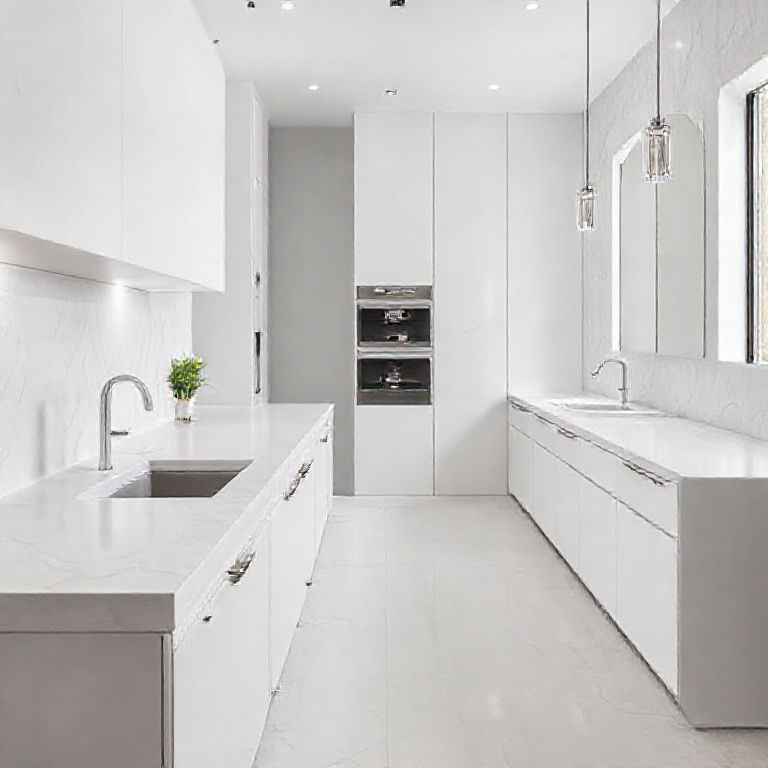
The design flexibility of Corian, previously touched upon, cannot be overstated as a value driver. The ability to create seamless integrations, such as sinks and backsplashes, eliminates the unsightly grout lines that plague traditional tile installations and can trap moisture and grime. This monolithic approach not only enhances the aesthetic appeal by creating a clean, flowing surface but also contributes to a more hygienic environment. Cleaning becomes a breeze, as spills can be wiped away without fear of them seeping into hidden crevices. This ease of maintenance translates into less time spent on cleaning and fewer resources dedicated to specialized cleaning products, adding to its overall cost-effectiveness over the product’s lifespan.
When evaluating the “可丽耐人造石多少钱一平方,” it’s important to consider the scope of your project. A small bathroom vanity countertop will naturally have a lower overall cost than a sprawling kitchen island with extensive cabinetry integration. The number of linear feet of countertop needed is a primary determinant, but so too are the complexities of the layout. Tight corners, intricate curves, and the need for multiple seams to accommodate the dimensions of your space will all increase fabrication and installation time, thereby impacting the price.
The choice of edge profile also plays a subtle but significant role. While a simple eased edge is typically the most economical, opting for more elaborate profiles such as a bullnose, ogee, or a decorative bevel adds to the labor and material costs. These details, while enhancing the visual richness of the countertop, require more precise craftsmanship and potentially additional material to achieve the desired form. Similarly, the decision to incorporate a full-height backsplash made of Corian will add to the material and fabrication costs, though it provides a cohesive and easy-to-clean surface that seamlessly transitions from countertop to wall.
The integration of sinks is another area where cost variations arise. While Corian sinks can be seamlessly integrated, offering a truly seamless and hygienic solution, their cost will be factored into the overall price. Homeowners may also opt for undermount stainless steel or ceramic sinks, which can sometimes be a more budget-friendly option, though they will introduce a seam between the countertop and the sink rim. The choice between an integrated Corian sink and a separate sink is often a balance between the desired aesthetic, ease of maintenance, and budget considerations.
Furthermore, the quality of the fabrication and installation is paramount. While some may be tempted to seek the lowest possible price, investing in a reputable and experienced fabricator is crucial. A poorly fabricated or installed Corian countertop can lead to issues such as uneven seams, improper sealing, or even structural weaknesses, all of which can be costly to rectify and detract from the beauty and functionality of the surface. Authorized Corian fabricators have undergone specific training and adhere to stringent quality standards, ensuring that the material is worked with expertly, maximizing its aesthetic potential and ensuring its longevity. This expertise, while potentially carrying a higher initial cost, ultimately contributes to greater long-term value and satisfaction.
It’s also worth considering the environmental aspect. Corian is manufactured with a focus on sustainability, and its long lifespan means it contributes less to landfill waste compared to materials that need frequent replacement. The ability to repair and renew the surface further enhances its environmental credentials. While not a direct cost factor in the per-square-foot calculation, this contributes to the overall value proposition of choosing Corian.
In conclusion, when asking “可丽耐人造石多少钱一平方,” the answer is not a simple number but a comprehensive reflection of value. It encompasses the inherent qualities of the material – its non-porosity, hygienic nature, and resistance to staining and impact. It includes the boundless possibilities for customization, from the vast array of colors and patterns to the ability to create seamless, integrated designs. It accounts for the skilled craftsmanship required for precise fabrication and installation, the complexity of the design, the chosen edge profiles, and any integrated features like sinks. Crucially, it also considers the long-term benefits of durability, repairability, and ease of maintenance, which contribute to a lower total cost of ownership over the lifespan of the countertop. By understanding these intricate elements, homeowners can confidently navigate the pricing landscape of Corian solid surface, making an investment that not only enhances the beauty and functionality of their home but also provides enduring value for years to come.









