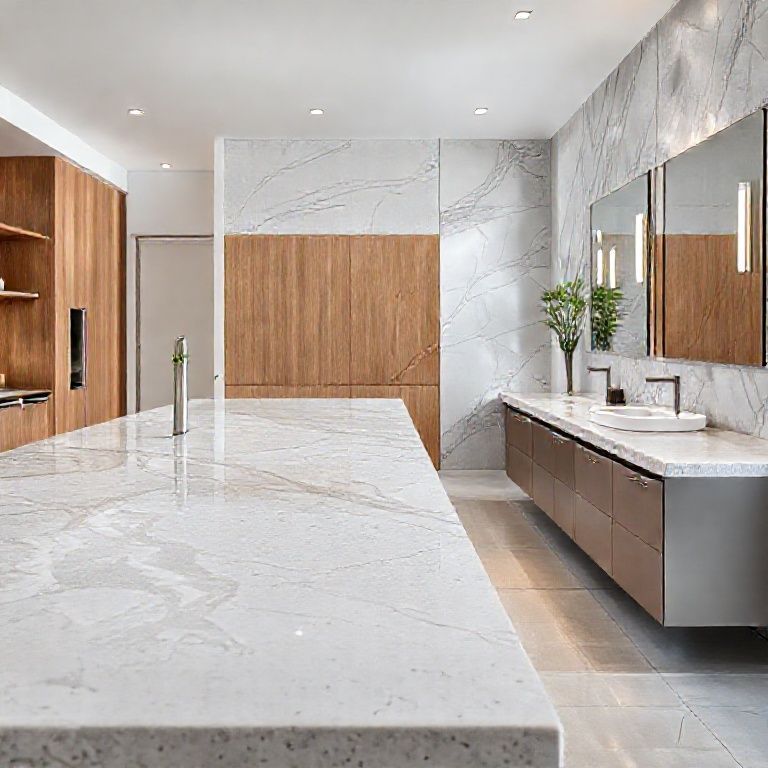
The Marvel of Modern Kitchen and Bathroom Design: Artificial Stone Countertops
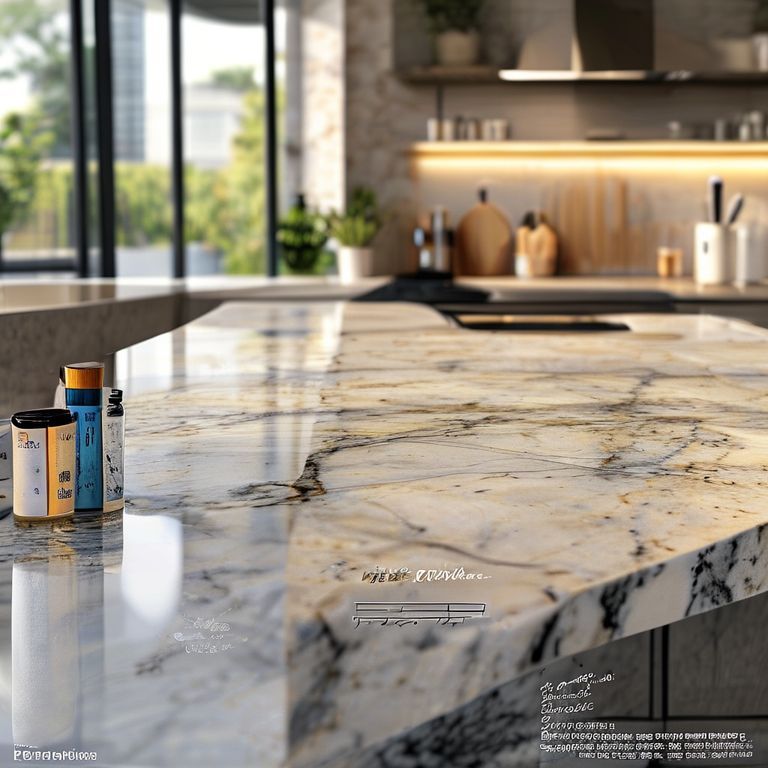
Artificial stone countertops have revolutionized the way we approach kitchen and bathroom design. These countertops blend the beauty and elegance of natural stone with the practicality and durability of modern materials. One question that often arises is whether these countertops are prone to deformation. Let’s explore the fascinating world of artificial stone to address this concern and more.
Understanding Artificial Stone
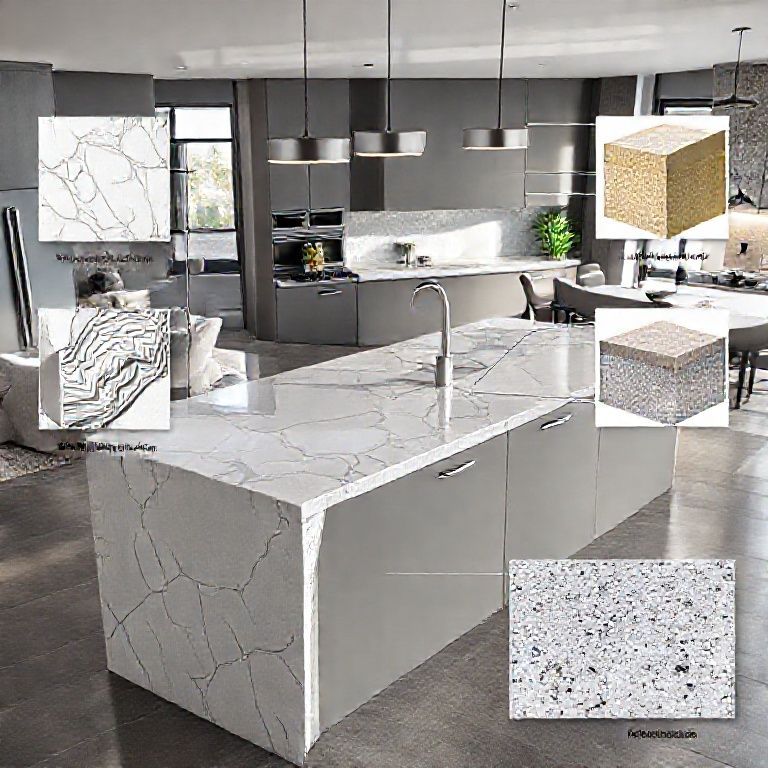
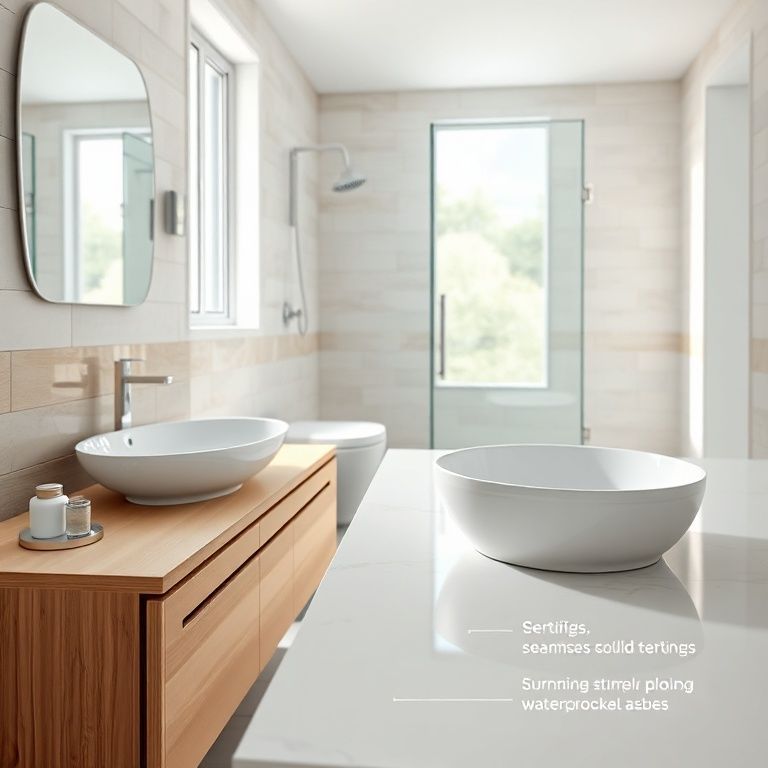
Artificial stone, often referred to as quartz, is a composite material made from 93% natural stone powder and 7% resin. This unique combination results in a product that retains the visual appeal of natural stone while offering enhanced durability and maintenance benefits. Unlike traditional granite or marble, artificial stone is created in a factory setting, allowing for consistent quality and a wide range of designs and colors.
The Benefits of Artificial Stone
Durability and Resilience: Artificial stone is known for its exceptional durability. It is highly resistant to scratches, stains, and heat, making it ideal for high-traffic areas such as kitchens. Unlike natural stone, it does not react to acidic foods or beverages, which means no etching or discoloration will occur.
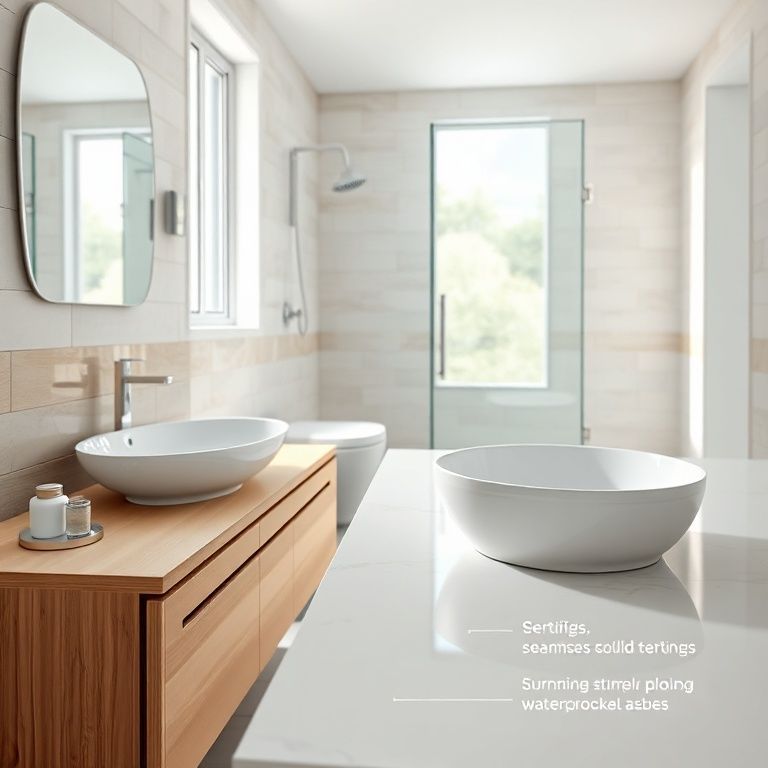
Water Resistance: One of the standout features of artificial stone is its water resistance. Unlike natural stone, it does not absorb water, which prevents the formation of stains and makes cleaning a breeze. This is particularly beneficial in bathroom settings where spills and splashes are common.
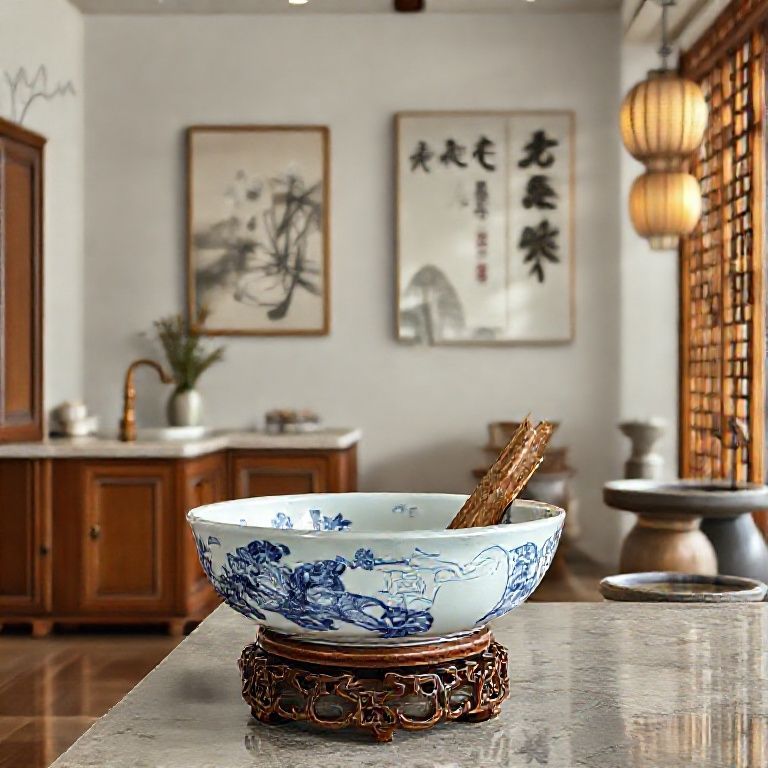
Maintenance: Artificial stone countertops require minimal maintenance. A simple wipe-down with a damp cloth and mild soap is usually sufficient to keep them looking pristine. There is no need for sealing or special treatments that are often required for natural stone.
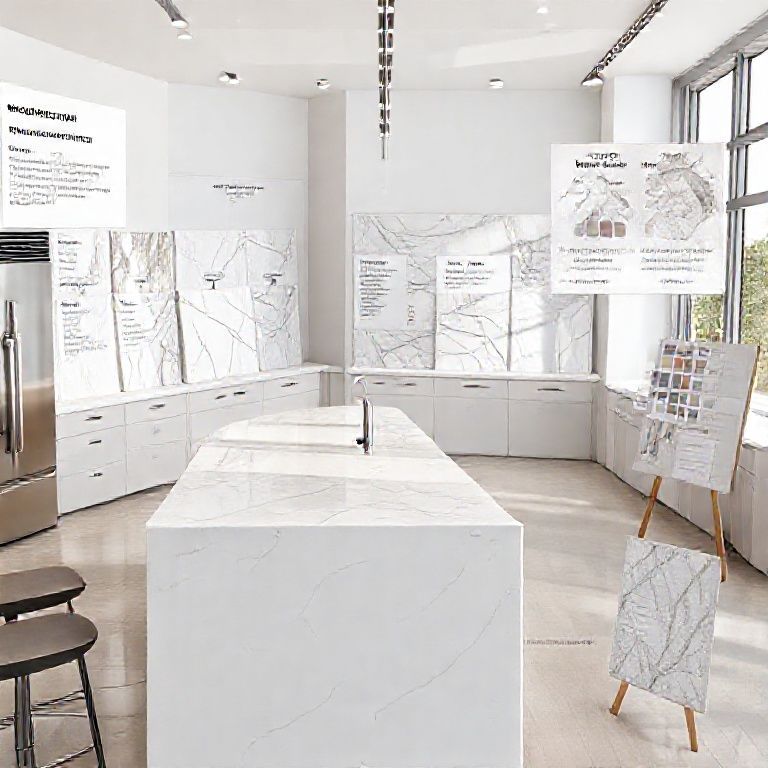
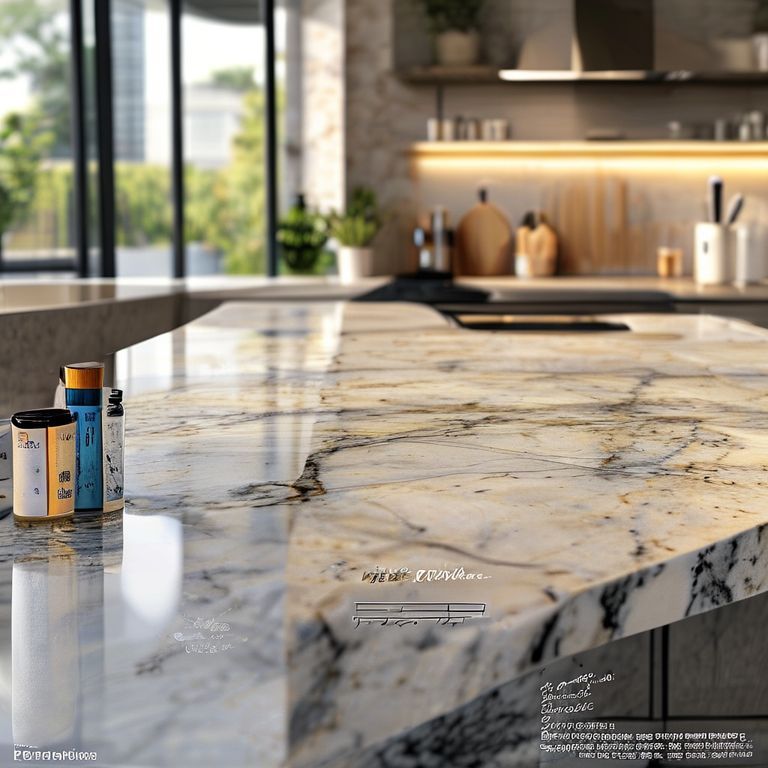
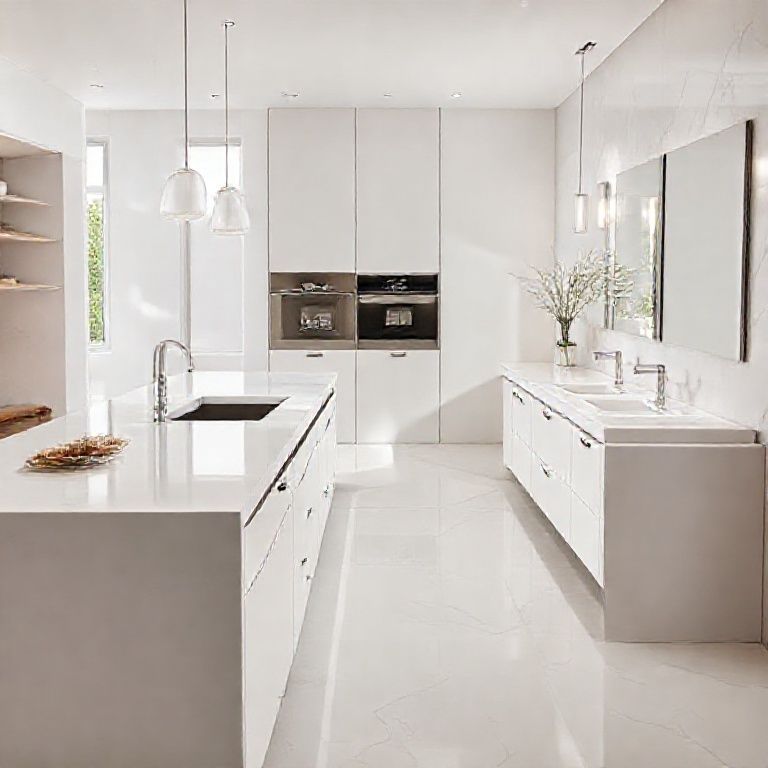
Design Versatility: The versatility in design is one of the most appealing aspects of artificial stone. It can mimic various types of natural stone, as well as offer completely unique patterns and colors. This allows for endless creative possibilities in kitchen and bathroom design.
Addressing the Question of Deformation
Now, let’s address the primary concern: does artificial stone deformation occur? To understand this, it’s essential to look at the composition and manufacturing process of artificial stone.
Composition and Manufacturing
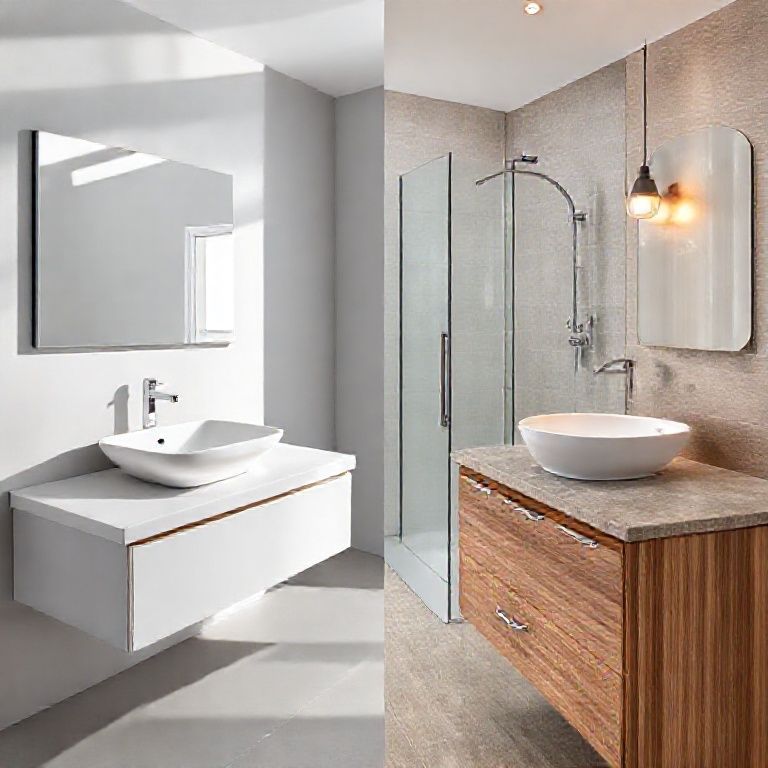
Artificial stone is made by mixing natural stone powder with a resin binder. This mixture is then poured into molds and subjected to high pressure and temperature to create the final product. This manufacturing process ensures that the material is densely packed and tightly bound, contributing to its exceptional strength and resistance.
Resistance to Deformation
The tightly bound structure of artificial stone means it has a low risk of deformation. Unlike natural stone, which can be prone to fracturing and cracking under heavy pressure or extreme temperatures, artificial stone maintains its shape and integrity. The resin binder also provides additional support, further reducing the likelihood of deformation.
Real-World Applications and Longevity
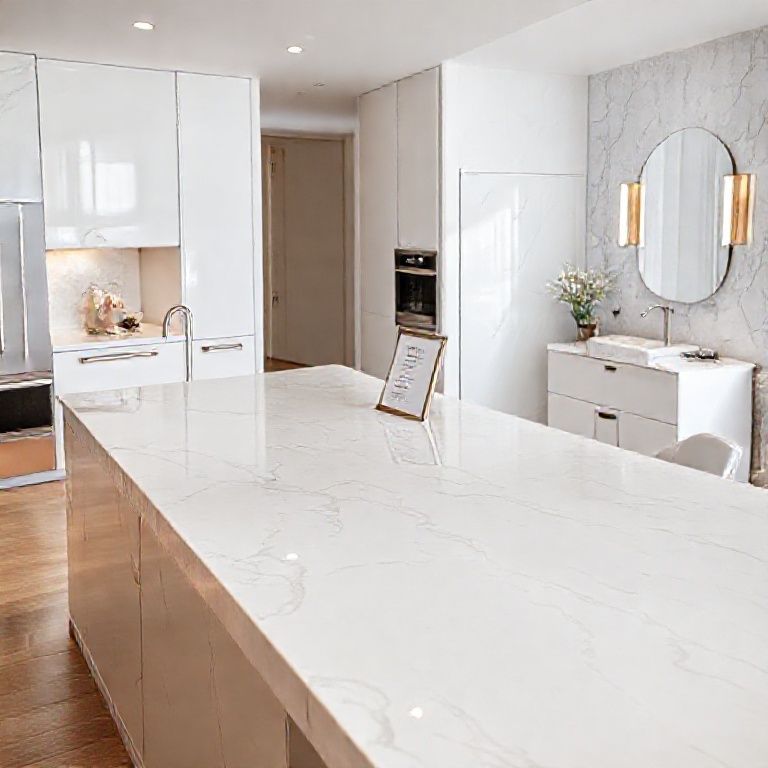
Artificial stone countertops are widely used in commercial and residential settings. From high-end kitchen designs to luxurious bathrooms, they are a popular choice among designers and homeowners. The longevity of artificial stone is well-documented; it can withstand the daily rigors of use without showing signs of wear or deformation.
Conclusion: The Ideal Choice for Modern Spaces
In conclusion, artificial stone countertops are a marvel of modern design and engineering. They offer unmatched durability, water resistance, and ease of maintenance, all while providing the aesthetic appeal of natural stone. When it comes to the question of deformation, the tightly bound and well-manufactured nature of artificial stone ensures that it is highly resistant to any form of deformation. For those looking for a practical yet beautiful countertop solution, artificial stone is undoubtedly a top choice.
Stay tuned for the second part of our article, where we will delve deeper into the maintenance, cost-effectiveness, and environmental impact of artificial stone countertops.
Maintaining and Enjoying the Long-Term Beauty of Artificial Stone Countertops
In the previous part, we explored the composition, benefits, and resistance to deformation of artificial stone countertops. Now, let’s delve deeper into their maintenance, cost-effectiveness, and environmental impact, further highlighting why they are an excellent choice for modern living spaces.
Maintenance: Effortless and Low-Maintenance
One of the biggest advantages of artificial stone countertops is their low-maintenance nature. Unlike natural stone, which often requires sealing and special care, artificial stone is designed for ease of upkeep.
Daily Cleaning: Artificial stone countertops are remarkably easy to clean. A simple wipe-down with a damp cloth and mild soap is usually sufficient to remove everyday spills and stains. There’s no need for harsh chemicals or complicated cleaning routines.
Handling Spills and Stains: Even acidic or sugary spills do not leave marks on artificial stone. This makes it an ideal choice for kitchens where spills are common. Simply wipe away any liquid, and the countertop will return to its pristine condition.
Avoiding Harsh Treatments: Unlike natural stone, artificial stone does not require sealing or additional treatments. This means fewer trips to the store for maintenance products and less time spent on upkeep.
Cost-Effectiveness: Value for Money
Artificial stone countertops offer excellent value for money. While the initial cost might be slightly higher than some other materials, the long-term benefits often make it a more economical choice.
Durability: The durability of artificial stone means fewer replacements over time. Unlike natural stone, which may require periodic maintenance and eventual replacement, artificial stone can last for decades with minimal care.
Long-Term Savings: While the upfront cost of artificial stone might be higher, the longevity and low maintenance requirements contribute to long-term savings. The need for fewer repairs and replacements further enhances its cost-effectiveness.
Customization and Design Flexibility: The ability to customize designs and colors without the constraints of natural stone adds to the value proposition. This flexibility allows homeowners and designers to create unique and personalized spaces without worrying about the limitations of natural materials.
Environmental Impact: A Sustainable Choice
In today’s world, sustainability is a significant concern, and artificial stone countertops offer an eco-friendly alternative to natural stone.
Reduced Quarrying: The production of artificial stone significantly reduces the need for quarrying natural stone. Quarrying can have detrimental effects on the environment, including habitat destruction and increased carbon emissions. By using artificial stone, we can help minimize these impacts.
Waste Reduction: Artificial stone can be manufactured using recycled materials, further reducing waste. The manufacturing process is designed to minimize the use of natural resources, contributing to a more sustainable production cycle.
Energy Efficiency: The manufacturing process for artificial stone is generally more energy-efficient than that for natural stone. This efficiency contributes to lower carbon footprints and supports environmentally friendly practices in the construction and design industries.
Addressing Deformation Further: Long-Term Durability
Returning to the question of deformation, let’s explore why artificial stone countertops remain a reliable and durable choice over time.
Consistency and Quality Control
The manufacturing process for artificial stone involves strict quality control measures to ensure that each piece meets high standards of durability and resilience. This consistency means that artificial stone countertops are less likely to experience deformation or other forms of damage over time.
Real-World Longevity
Many homeowners and businesses have been using artificial stone countertops for years without experiencing any significant deformation. These countertops are designed to withstand daily use, including heavy objects, hot pots, and frequent cleaning, all while maintaining their shape and appearance.
Professional Installation and Support
To ensure the longevity and durability of artificial stone countertops, it’s essential to have them installed by professionals who understand the material’s unique properties. Proper installation techniques can further enhance the resistance to deformation and other forms of damage.
Conclusion: The Ideal Choice for Sustainability and Durability
In conclusion, artificial stone countertops offer a compelling combination of durability, low maintenance, cost-effectiveness, and environmental sustainability. When it comes to the question of deformation, the tightly bound structure and rigorous manufacturing processes ensure that these countertops are highly resistant to any form of deformation. For those looking for a practical, beautiful, and sustainable countertop solution, artificial stone is undoubtedly an excellent choice.
By choosing artificial stone, you not only benefit from its many practical advantages but also contribute to a more sustainable future. Whether for your kitchen, bathroom, or any other space, artificial stone countertops provide a beautiful and long-lasting solution that stands the test of time.
Thank you for joining us on this comprehensive exploration of artificial stone countertops. We hope you found this information useful and insightful as you consider your next design project.