
The quest for the perfect countertop material is a journey many homeowners embark on, a pivotal decision that can dramatically shape the aesthetics and functionality of their kitchen or bathroom. Amidst a sea of options, one name consistently surfaces with a reputation for innovation, durability, and timeless design: DuPont™ Corian®. But as with any significant home improvement investment, a crucial question often arises, echoing through design showrooms and online forums: “How much does DuPont™ Corian® cost per meter?” This seemingly straightforward query unlocks a deeper conversation about value, material science, and the art of creating spaces that are not only beautiful but also enduring.

Understanding the “price per meter” of Corian isn’t as simple as a fixed number. It’s a dynamic figure influenced by a fascinating interplay of factors, much like the swirling patterns and solid hues that define Corian itself. At its core, the cost is a reflection of the premium materials used in its composition – primarily acrylic polymers and natural minerals like alumina trihydrate. This unique blend is what gives Corian its signature non-porous, seamless, and thermoformable qualities, setting it apart from traditional materials like granite or quartz. The manufacturing process itself is a sophisticated endeavor, requiring specialized facilities and stringent quality control to ensure the consistent excellence that the DuPont brand is known for.
The aesthetic choices you make will undoubtedly play a significant role in the final price. Corian boasts an astonishing palette, ranging from pristine whites and subtle neutrals to vibrant colors and intricate veining patterns designed to mimic natural stone. Generally, the more complex or unique a color or pattern, the higher its cost. Think of it like choosing a bespoke suit versus an off-the-rack option; the intricate details and specialized finishes command a higher price. Whites and solid colors often represent the entry point of the Corian spectrum, while those incorporating sophisticated veining, translucent qualities, or unique textures might be positioned at a premium. This variety ensures that Corian can cater to a vast array of design visions, from minimalist modern to rustic traditional, but it also means that “Corian” isn’t a monolithic price point.
Beyond the raw material and its visual appeal, the fabrication and installation process are critical components of the overall cost. Corian is not a material that can be easily cut and fitted by just any tradesperson. It requires certified fabricators who possess the specialized tools and expertise to work with solid surfaces. This includes precise cutting, seamless seaming (where two pieces of Corian are joined together so invisibly that they appear as one continuous surface), edge profiling, and the intricate work of creating integrated sinks and backsplashes. The complexity of your desired design will directly impact labor costs. A simple, straight-edged countertop with a standard sink cutout will naturally be less labor-intensive and therefore less expensive than a curved island with an under-mount sink, a custom-shaped integrated basin, and a complex edge detail. The precision required to achieve these seamless integrations is a hallmark of Corian’s appeal, but it’s also a factor that contributes to its value.
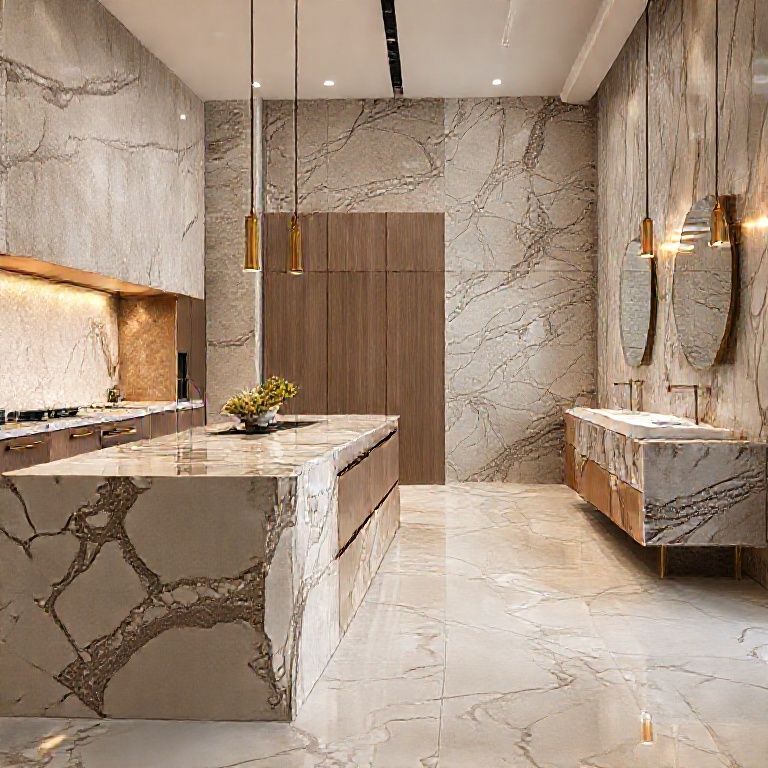
Furthermore, the dimensions of your project are, of course, a fundamental determinant of the meterage cost. A longer countertop naturally requires more material, and consequently, a higher overall price. However, it’s important to consider not just the linear meterage but also the width and thickness of the chosen Corian slab, as well as any waste generated during the cutting process. Fabricators typically price based on the square meter or square foot of material required for the finished product, which often includes a buffer for cuts and potential mistakes. This is a common practice in the industry to ensure that the fabricator can deliver the project within budget, accounting for the inherent challenges of working with large slabs.
The geographical location of your project can also introduce subtle variations in pricing. Labor costs, shipping expenses for the material, and local market demand can all contribute to slight differences in the “Corian cost per meter” from one region to another. While Corian is a globally recognized product, its journey from the factory to your home involves local suppliers and installers, whose own operational costs will be reflected in the final quote.
Finally, the choice of edge profile can significantly influence the price. Standard eased edges or bullnose edges are generally more cost-effective than more intricate profiles such as ogee, bevel, or waterfall edges, which require more time and skill to execute. The desire for a seamless integration of a Corian sink, or a custom-designed backsplash, will also add to the overall investment. These elements, while enhancing the beauty and functionality, are custom fabrications and thus priced accordingly. When you’re contemplating the investment in DuPont™ Corian®, it’s essential to view the “price per meter” not as a static figure, but as a gateway to understanding the comprehensive value proposition of this remarkable material. It encapsulates the artistry of its creation, the versatility of its design, and the promise of enduring beauty and performance in your home.
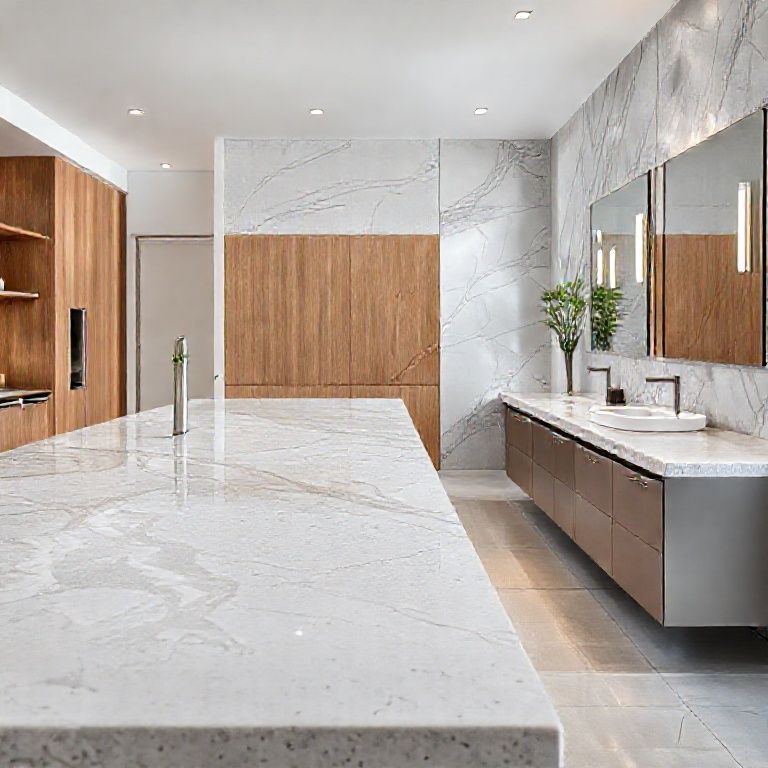
Moving beyond the figures and into the realm of application, the “DuPont Corian price per meter” question is intrinsically linked to the transformative power this solid surface brings to various spaces. While the initial investment is a consideration, the long-term benefits and aesthetic versatility of Corian often justify its position as a premium choice in home and commercial design. Its unique properties allow it to transcend the limitations of traditional materials, offering solutions that are as practical as they are visually stunning.
One of the most compelling arguments for Corian lies in its inherent durability and ease of maintenance. Unlike natural stone, which can be porous and prone to staining, or laminate, which can chip and delaminate, Corian is completely non-porous. This means that spills – whether it’s red wine, coffee, or oil – don’t seep into the material. Instead, they sit on the surface, easily wiped away with a damp cloth and mild soap. This resistance to staining makes it an ideal choice for busy kitchens where durability is paramount. Furthermore, its non-porous nature means it’s inherently hygienic, resisting the growth of mold, mildew, and bacteria. This makes it an excellent option for bathrooms, particularly around sinks and shower areas, as well as in healthcare settings where sanitation is critical. The “price per meter” in this context should be viewed as an investment in a material that actively contributes to a cleaner, healthier living environment.
The seamless nature of Corian fabrication is another significant advantage that impacts its perceived value. When two pieces of Corian are joined by a certified fabricator using specialized adhesive, the seam is virtually invisible. This ability to create large, monolithic surfaces without visible joints is a game-changer for both aesthetics and hygiene. In kitchens, it means no more gunk collecting in the crevices between your countertop and backsplash, making cleaning a breeze. In bathrooms, it allows for the creation of integrated sinks and seamless shower walls that eliminate the potential for water ingress and grout lines that can harbor mold. The “price per meter” inherently includes the artistry and precision required to achieve these seamless transitions, a level of finish that is difficult and often impossible to replicate with other materials.
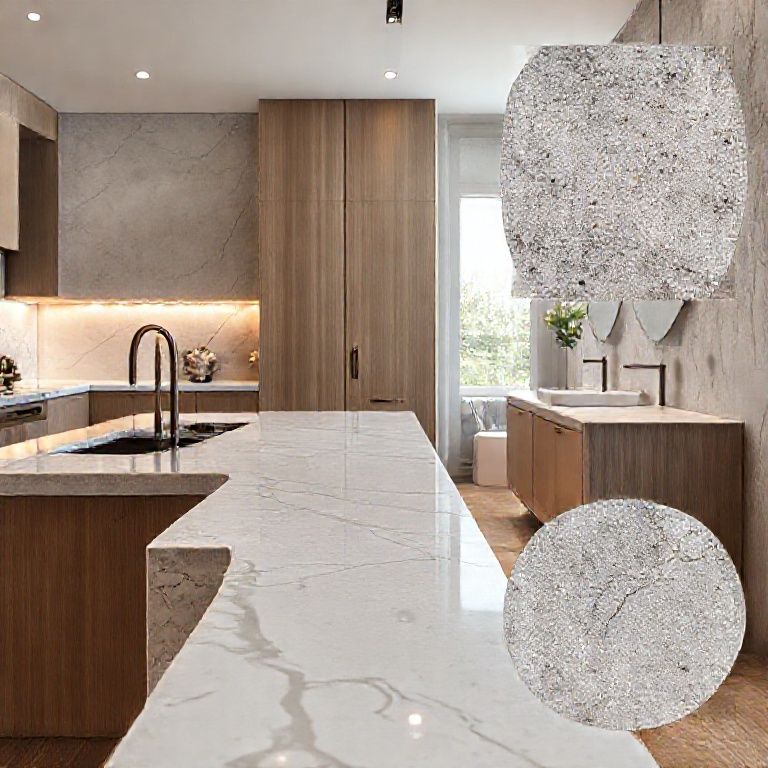
The thermoformability of Corian is where its design potential truly shines, allowing for curves, organic shapes, and custom designs that push the boundaries of conventional aesthetics. This means you’re not limited to straight lines and right angles. Imagine a kitchen island with a gently curved edge, a bathroom vanity with a uniquely sculpted basin, or even a reception desk that flows like a wave. This adaptability is a significant part of the Corian value proposition. While standard shapes and forms will be more cost-effective, the ability to create bespoke elements means that Corian can be tailored precisely to your vision, offering a level of personalization that few other materials can match. The “price per meter” in these instances reflects the custom fabrication required to bring unique design concepts to life.
In terms of application, Corian is incredibly versatile. It’s not just for countertops. It’s used for:
Kitchen Countertops and Islands: Its durability, stain resistance, and seamless integration with sinks make it a top choice for the heart of the home. Bathroom Vanities and Sinks: The non-porous nature and ability to form integrated sinks provide a hygienic and elegant solution for bathrooms. Shower Walls and Surrounds: Seamless installation prevents water damage and mold growth, offering a sleek, modern look. Wall Cladding: Corian can be used to create stunning feature walls, offering a durable and sophisticated finish. Commercial Applications: From reception desks and bar tops to healthcare surfaces and retail displays, its durability and customizability make it ideal for high-traffic environments.
The “DuPont Corian price per meter” is, therefore, not just a cost but an indicator of the material’s inherent qualities: its advanced composition, the skilled labor involved in its fabrication and installation, and the boundless design possibilities it unlocks. When you invest in Corian, you are investing in a material that offers a unique combination of beauty, functionality, and longevity. It’s a choice that speaks to a desire for spaces that are not only aesthetically pleasing but also resilient, hygienic, and built to withstand the demands of everyday life. The initial “price per meter” may seem higher than some alternatives, but when you factor in its enduring performance, ease of care, and the potential for truly customized design, Corian solid surfaces present a compelling and valuable proposition for any discerning homeowner or designer. It’s a testament to DuPont’s commitment to innovation, offering a material that truly stands the test of time and enhances the living experience.









