
The Rise of Artificial Stone: Crafting Beauty, Engineered for Life
Certainly! Here is a soft article about artificial stone, aiming for an engaging and attractive tone, broken into two parts as requested.
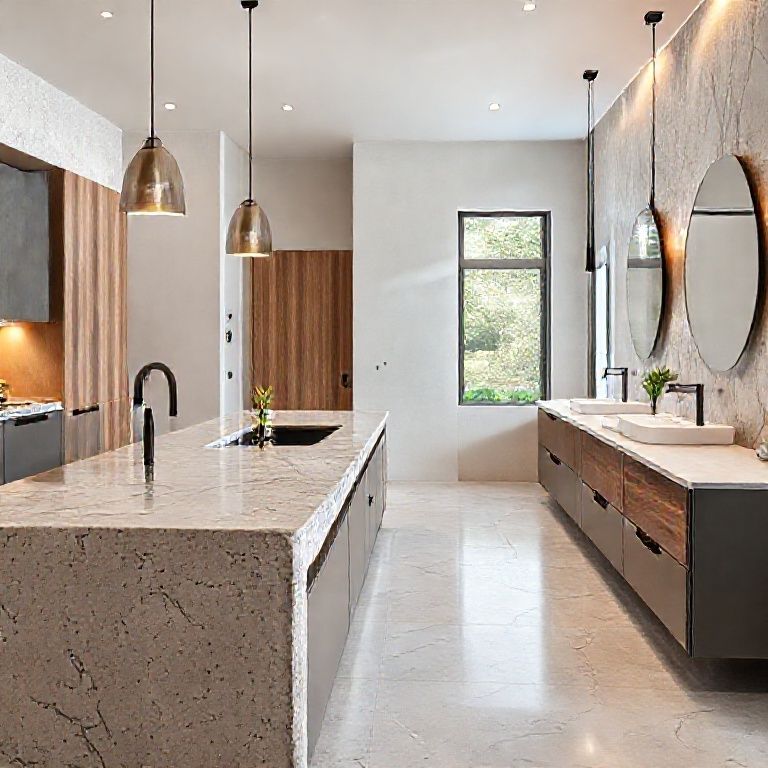
In the grand tapestry of interior design, where every material choice weaves a story of style and function, a quiet revolution has been unfolding. It’s a revolution not of dramatic upheaval, but of subtle sophistication, an evolution that has seen a material once considered a mere imitation blossom into a celebrated cornerstone of modern aesthetics. We’re talking, of course, about artificial stone – a term that perhaps conjures images of a less authentic alternative, but one that, in reality, signifies a triumph of engineering, artistry, and an unwavering commitment to enduring beauty.
Gone are the days when “artificial” automatically translated to “inferior.” Today’s artificial stone is a testament to human ingenuity, a fusion of natural elements and advanced manufacturing processes that create surfaces of unparalleled performance and breathtaking visual appeal. Think of it as nature’s bounty, refined and reimagined, its inherent strengths amplified and its limitations elegantly overcome. This isn’t just a substitute; it’s an enhancement, a material meticulously designed to meet the demands of contemporary living while pushing the boundaries of design possibility.
The allure of artificial stone lies in its remarkable versatility. Unlike its natural counterparts, which are bound by the inherent patterns and color palettes dictated by geological formations, artificial stone offers a canvas for endless creative expression. Manufacturers can precisely control the composition, leading to an astonishing array of colors, textures, and veining patterns. Whether you dream of the timeless elegance of a Calacatta marble, the dramatic intensity of a deep black granite, or a completely unique, bespoke hue that perfectly complements your vision, artificial stone can deliver. This level of customization empowers designers and homeowners alike, allowing spaces to be infused with personality and a distinct aesthetic signature.

Perhaps the most celebrated form of artificial stone is engineered quartz. Here, natural quartz crystals, one of the hardest minerals on earth, are bound together with polymer resins and pigments. The result? A surface that is not only stunningly beautiful but also exceptionally durable. Quartz surfaces boast an almost mythical resistance to scratches, stains, and heat. Imagine preparing meals with wild abandon, knowing that even the most vibrant turmeric or the hottest pan will leave no lasting mark. The non-porous nature of engineered quartz also makes it incredibly hygienic, a crucial consideration for kitchens and bathrooms where cleanliness is paramount. Say goodbye to the anxieties of sealing and resealing, and hello to surfaces that remain pristine with minimal effort.
Beyond quartz, the world of artificial stone encompasses other fascinating materials. Solid surface materials, often acrylic-based, offer a seamless, non-porous option that can be thermoformed into virtually any shape imaginable. This means countertops that flow into backsplashes, integrated sinks that appear to melt into the surface, and curves and contours that defy the limitations of traditional fabrication. These materials are also repairable, meaning minor scratches or damages can often be buffed out, extending their lifespan and maintaining their flawless appearance.
Composite stones, another category, often combine natural stone aggregates with binding agents to create a material that balances the aesthetic qualities of natural stone with improved performance. These can offer a distinct look and feel, often with unique textural qualities and a robust construction that stands up to daily wear and tear.

The journey of artificial stone from a niche product to a mainstream choice is a story of innovation meeting aspiration. As lifestyles have become more dynamic, and the desire for beautiful yet practical living spaces has intensified, artificial stone has emerged as an ideal solution. It offers the visual drama and luxurious feel of natural stone without its inherent maintenance demands or the environmental concerns sometimes associated with quarrying. It’s a material that speaks to a discerning clientele, one that values both form and function, beauty and resilience. The next time you encounter a breathtaking kitchen countertop or a sleek, minimalist bathroom vanity, take a closer look. You might just be admiring the quiet brilliance of artificial stone, a material that is truly engineered for life.
As we delve deeper into the captivating realm of artificial stone, the conversation naturally shifts towards its practical advantages and its burgeoning role in promoting more sustainable living. While its aesthetic appeal is undeniable, it’s the material’s inherent performance characteristics and its thoughtful production that truly set it apart in the contemporary design landscape. This is a material that doesn’t just look good; it performs exceptionally well, and increasingly, it does so with a conscience.
One of the most compelling arguments for choosing artificial stone, particularly engineered quartz and solid surfaces, is their unparalleled durability and low maintenance. In the whirlwind of modern life, where time is a precious commodity, the ability to clean surfaces with a simple wipe of a cloth, without the need for specialized cleaners or sealants, is a significant benefit. The non-porous nature of these materials means that liquids, oils, and other common kitchen or bathroom substances are unable to penetrate the surface. This not only prevents staining but also inhibits the growth of bacteria and mold, making them an exceptionally hygienic choice for high-traffic areas. Imagine a kitchen that remains spotless with minimal effort, or a bathroom that exudes an air of perpetual cleanliness. This is the promise of artificial stone.

Consider the culinary artist who loves to experiment with bold flavors and vibrant ingredients. With artificial stone countertops, the fear of a rogue splash of red wine or a forgotten pot of curry staining the surface is alleviated. The material’s inherent resistance to staining means that even the most challenging spills can be easily wiped away, leaving the surface looking as pristine as the day it was installed. Similarly, in a busy family bathroom, the daily onslaught of toothpaste, soap scum, and cosmetics poses no threat. The smooth, impenetrable surface can be effortlessly cleaned, maintaining a hygienic environment for everyone.
Beyond stain and scratch resistance, many artificial stone products also offer excellent heat resistance. While it’s always advisable to use trivets for extremely hot pots and pans, engineered quartz, for instance, can typically withstand temperatures that would damage laminate or wood surfaces. This adds another layer of practicality and peace of mind for homeowners. The material is also resistant to UV light, meaning that colors are less likely to fade over time, even in areas exposed to direct sunlight, ensuring that your chosen aesthetic remains vibrant for years to come.
The environmental aspect of artificial stone is also becoming increasingly significant. While natural stone has its own appeal, the process of quarrying can have considerable environmental impacts, including habitat disruption and significant energy consumption. Artificial stone, on the other hand, offers a more controlled and often more sustainable manufacturing process. Many manufacturers are committed to reducing their environmental footprint by using recycled materials, optimizing water usage, and minimizing waste during production. For instance, some engineered quartz products incorporate recycled glass or mirror fragments, adding unique visual interest while diverting waste from landfills. Furthermore, the longevity of artificial stone means that it is a material that endures, reducing the need for frequent replacements and the associated environmental costs of manufacturing and installation over time.
The rise of artificial stone is also intrinsically linked to the democratization of design. While the look of luxurious natural stone has always been aspirational, the cost and maintenance associated with it could be prohibitive for many. Artificial stone offers a more accessible pathway to achieving high-end aesthetics. It allows homeowners to create sophisticated and stylish living spaces that reflect their personal taste and lifestyle, without compromising on performance or breaking the bank. This accessibility has opened up a world of design possibilities, enabling a wider range of people to invest in beautiful, durable, and functional surfaces that enhance their daily lives.
In conclusion, artificial stone is far more than just a building material; it’s a statement of intent. It represents a conscious choice for surfaces that are not only visually stunning but also incredibly practical, resilient, and increasingly, environmentally responsible. It’s a material that empowers creativity, simplifies living, and offers a tangible connection to the enduring beauty that can be achieved through thoughtful innovation. As design continues to evolve, artificial stone stands poised to remain a leading player, a testament to the power of engineering to craft beauty that is truly engineered for life.









