
In the ever-evolving landscape of interior design, where trends shift as quickly as the seasons, certain materials emerge that possess a timeless appeal and a robust practicality. One such material that has rapidly ascended the ranks, capturing the imagination of homeowners and designers alike, is sintered stone. If you’ve been contemplating a bathroom renovation or simply seeking an upgrade to your vanity, you’ve likely encountered this sophisticated newcomer. The question on many lips is: “Is sintered stone the ideal choice for a bathroom vanity countertop?” Let’s embark on a journey to explore this compelling material, dissecting its attributes and understanding why it’s generating such significant buzz.

The allure of sintered stone lies in its remarkable fusion of aesthetics and performance. It’s not merely a countertop; it’s a statement piece, a testament to modern innovation that mimics the beauty of natural materials while offering superior resilience. Unlike traditional materials like granite, marble, or quartz, sintered stone is engineered. It’s created by subjecting a mixture of natural minerals – feldspar, quartz, and clays – to extreme heat and pressure, a process that mimics geological formation but on an accelerated, controlled scale. This intense manufacturing process results in a non-porous, incredibly dense slab that is both beautiful and exceptionally durable. Think of it as nature’s artistry, refined and perfected by human ingenuity.
One of the most significant advantages of sintered stone for bathroom vanities is its unparalleled resistance to stains, scratches, and heat. Bathrooms, particularly vanity areas, are often subjected to a barrage of daily wear and tear. Spilled makeup, hairspray, toothpaste, and even accidental nicks from razors are common occurrences. Sintered stone, with its exceptionally low porosity (often close to zero), means that liquids simply bead up on the surface, making it incredibly easy to clean and maintain. Gone are the days of frantically scrubbing to remove stubborn stains or worrying about permanent marks. Its resistance to scratches also means that it can withstand the rigmarole of daily use without showing its age. Even sharp objects, which might mar other surfaces, often glide harmlessly over sintered stone.
Beyond its practical prowess, sintered stone boasts an aesthetic versatility that is truly captivating. Manufacturers are able to replicate the intricate veining of Calacatta marble, the earthy tones of travertine, or the bold patterns of natural granite with stunning accuracy. This means you don’t have to compromise on your design vision. Whether you’re aiming for a minimalist, modern sanctuary, a classic, opulent retreat, or a rustic farmhouse vibe, there’s a sintered stone finish that will perfectly complement your aesthetic. The depth and richness of the colors, coupled with the realistic textures, create a luxurious feel that can elevate any bathroom space. The ability to achieve seamless, large-format slabs also means fewer grout lines, contributing to a cleaner, more cohesive look, especially in smaller bathrooms where visual clutter can be a concern.
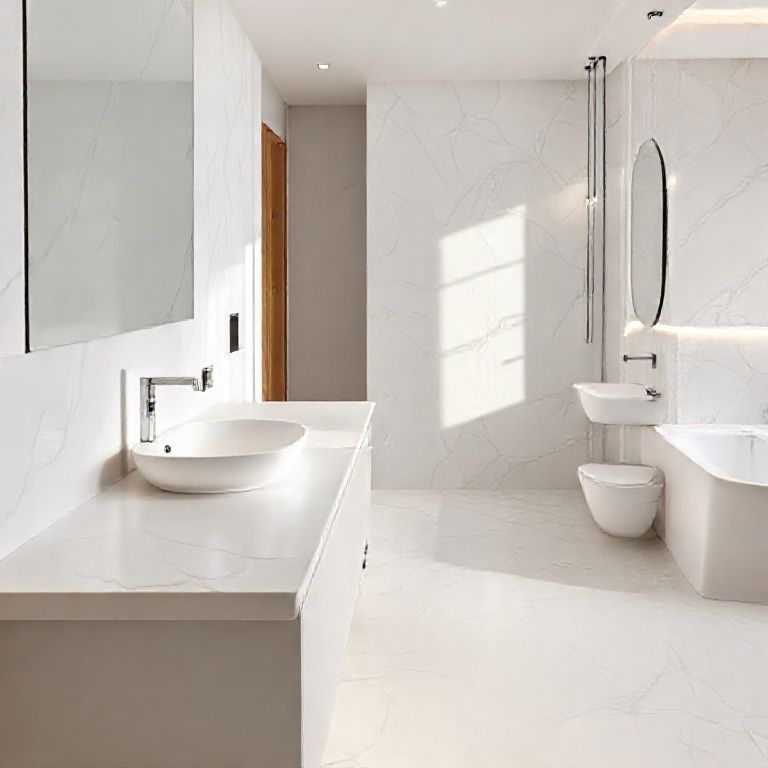
Let’s delve deeper into the specific benefits for a bathroom vanity. The moisture-rich environment of a bathroom is no match for sintered stone. Unlike some natural stones that can absorb water and become prone to staining or even structural degradation over time, sintered stone is inherently waterproof. This makes it an ideal candidate for areas prone to splashes from sinks or showers. Furthermore, its resistance to chemicals found in many bathroom cleaning products and cosmetics ensures that its surface will remain pristine and unblemished, maintaining its original beauty for years to come. The hygiene factor is also a significant plus. Its non-porous nature means that bacteria and mold have nowhere to penetrate, making it a more hygienic choice for a space where cleanliness is paramount.
When comparing sintered stone to other popular countertop materials for bathrooms, its advantages become even more apparent. Natural stones like granite and marble, while beautiful, can be porous and require regular sealing to prevent staining. They are also susceptible to etching from acidic substances. Quartz countertops, which are engineered from quartz crystals and resin, offer good durability and stain resistance, but they can be susceptible to damage from extreme heat. Sintered stone, on the other hand, often surpasses these materials in terms of its overall resilience and low maintenance requirements. It offers a harmonious blend of the visual appeal of natural stone with the practical benefits of modern engineering, often at a competitive price point, especially when considering its longevity and minimal upkeep. The sheer variety of designs available, from ultra-realistic natural stone replicas to entirely novel patterns, further solidifies its position as a top contender in the world of bathroom vanity surfaces.
Part 1 Summary: Sintered stone is a highly engineered material that offers exceptional durability, stain and scratch resistance, and impressive aesthetic versatility, making it a strong contender for bathroom vanity countertops. Its non-porous nature makes it hygienic and easy to clean, and it can mimic the look of natural stones with remarkable accuracy.
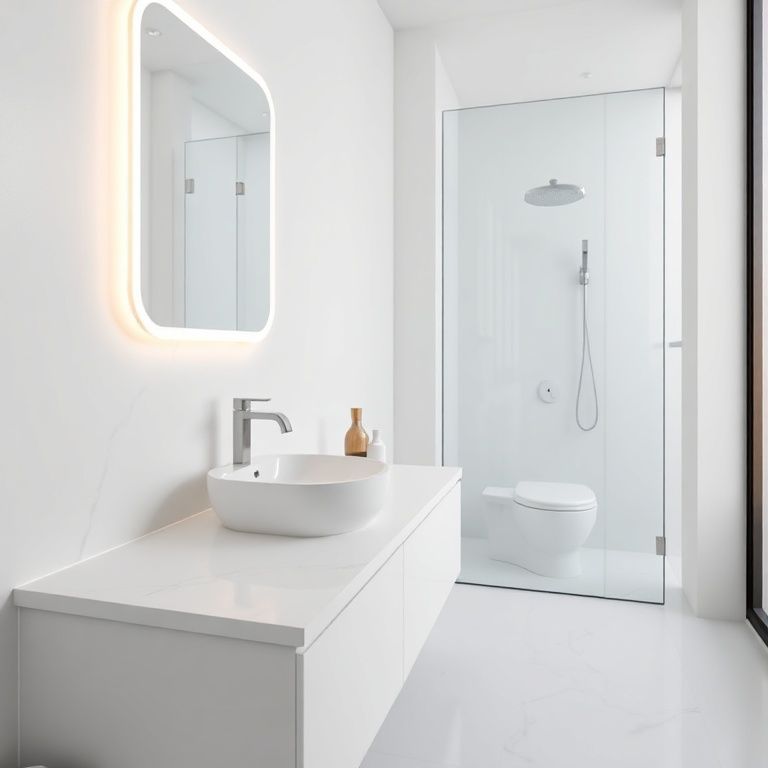
While the allure of sintered stone for bathroom vanities is undeniable, a comprehensive evaluation requires us to consider all facets, including its potential drawbacks and installation considerations. No material is perfect, and understanding these nuances will equip you to make the most informed decision for your home.
One of the primary considerations when opting for sintered stone is its hardness. While this contributes to its impressive scratch resistance, it also means that it can be more challenging to work with during installation. Fabricators need specialized tools and techniques to cut and shape sintered stone slabs. This can sometimes translate to higher fabrication costs compared to more traditional materials. However, it’s important to weigh this against the long-term benefits of durability and low maintenance, which can offset initial installation expenses over time. The initial investment in quality fabrication is an investment in a countertop that will endure.
Another aspect to ponder is the environmental impact of the manufacturing process. Sintered stone production involves high temperatures and energy consumption. While the industry is continually working towards more sustainable practices, it’s a factor that some environmentally conscious consumers might consider. However, it’s also worth noting that the longevity of sintered stone means it’s less likely to need replacement, thereby reducing waste in the long run. When comparing it to materials with shorter lifespans or those requiring more frequent maintenance and eventual replacement, the overall environmental footprint can be more balanced than initially perceived.
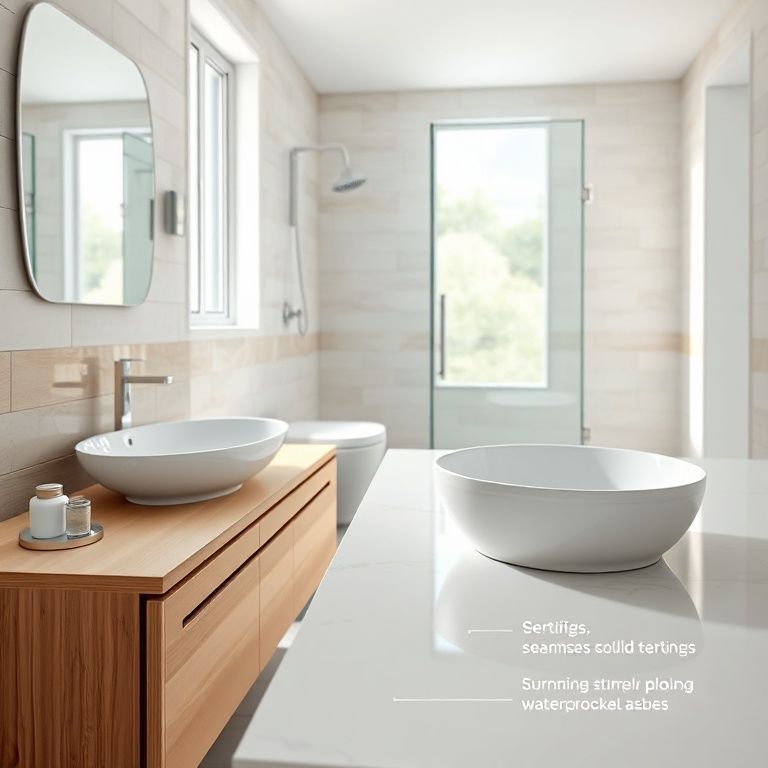
The aesthetic of sintered stone, while a major selling point, can also be a point of discussion for some. While it excels at mimicking natural materials, there are purists who might prefer the authentic, unique characteristics of genuine stone, with its inherent imperfections and variations. Sintered stone, by its very nature, is a manufactured product, and while the replication is often incredibly accurate, it may not possess that singular, unrepeatable pattern that makes a slab of natural marble or granite so coveted by some. This is largely a matter of personal preference, and for many, the consistent beauty and predictable patterns of sintered stone are a significant advantage.
When it comes to installation, it’s crucial to partner with experienced fabricators who have a proven track record with sintered stone. Due to its density and hardness, improper cutting or handling can lead to chipping or breakage. This is not a material that can be easily cut or modified on-site, so precise measurements and professional installation are paramount. This often means working with specialized countertop installers rather than general contractors. The investment in a skilled professional ensures that your beautiful sintered stone vanity top is installed flawlessly and securely, ready to withstand the test of time.
Furthermore, while sintered stone is highly resistant to heat, it’s not entirely impervious. Extremely high temperatures, such as those from a direct hot pan placed on the surface for an extended period, could potentially cause damage. Therefore, using trivets or hot pads is still a wise precaution, even with this incredibly durable material. It’s a good habit to maintain regardless of your countertop material to prolong its pristine condition.
The price point of sintered stone can vary significantly depending on the brand, the complexity of the design, and the thickness of the slab. While it can be more expensive upfront than some laminate or entry-level quartz options, it often falls within a comparable range to high-end natural stones or premium quartz. When considering its exceptional durability, longevity, and minimal maintenance needs, the cost of ownership over the lifespan of your bathroom renovation often proves to be a wise investment. It’s a material that promises enduring beauty and functionality, reducing the need for future repairs or replacements.
In conclusion, the question of whether sintered stone is good for a bathroom vanity countertop leans heavily towards a resounding “yes.” Its exceptional durability, resistance to stains and scratches, waterproof properties, and hygienic surface make it an ideal choice for the demanding environment of a bathroom. The vast array of design options allows it to seamlessly integrate into any aesthetic, offering a touch of luxury and sophistication. While some considerations regarding fabrication costs and the nuances of its manufactured nature exist, these are often outweighed by its superior performance and long-term value. For those seeking a countertop that marries breathtaking beauty with unparalleled practicality, sintered stone presents a compelling and often superior solution, promising to transform your bathroom into a space of enduring elegance and effortless maintenance. It’s a material that speaks to the modern homeowner’s desire for both form and function, delivered with a touch of undeniable panache.
Part 2 Summary: While sintered stone is an excellent choice for bathroom vanities, potential drawbacks include higher fabrication costs due to its hardness, the environmental impact of its manufacturing process, and the fact that it is a manufactured product rather than natural stone. Proper installation by experienced professionals is crucial, and while heat-resistant, extreme temperatures should still be avoided with trivets. The overall value proposition, considering its longevity and low maintenance, makes it a worthwhile investment for many homeowners.









