
The shimmering surfaces of engineered stone have become ubiquitous in modern homes and commercial spaces, transforming kitchens, bathrooms, and beyond with their durability, aesthetic versatility, and hygienic properties. More than just a trend, the artificial stone industry represents a significant and rapidly evolving segment of the global building materials market. Behind these sophisticated surfaces are a handful of powerful enterprises, the true titans of artificial stone production. These are not just manufacturers; they are innovators, trendsetters, and global players who have mastered the intricate art and science of creating stone that rivals, and in many ways surpasses, its natural counterpart. Understanding the “人造石企业排行榜” – the ranking of artificial stone enterprises – is key to grasping the forces driving innovation, design, and market penetration in this exciting sector.

The journey of engineered stone from a niche product to a mainstream luxury material is a testament to relentless research and development, strategic market expansion, and an unwavering commitment to quality. Early pioneers focused on creating materials that could overcome the inherent limitations of natural stone – porosity, susceptibility to staining, and the unpredictable nature of veins and patterns. This pursuit led to the development of composite materials, primarily quartz surfaces, which consist of natural quartz crystals bound together with resins and pigments. The result is a non-porous, highly durable, and incredibly consistent material that can be engineered into virtually any color, pattern, or finish imaginable.
At the forefront of this revolution are companies that have not only perfected the manufacturing process but have also built formidable brands recognized worldwide. These leaders are characterized by several key traits. Firstly, they possess immense manufacturing capacity, enabling them to meet the soaring global demand. This often involves significant investment in state-of-the-art production facilities, employing advanced technologies like Breton stone technology or similar sophisticated processes that ensure uniform particle distribution, precise curing, and flawless finishing. The sheer scale of their operations allows for economies of scale, making their products competitive across diverse markets.
Secondly, these leading enterprises are deeply invested in research and development. The artificial stone industry is not static; it is a landscape of continuous innovation. Companies are constantly striving to improve the performance characteristics of their products – enhancing scratch resistance, increasing thermal shock tolerance, and developing new surface textures and finishes that mimic natural stone or offer entirely novel aesthetics. This R&D extends to sustainability as well, with a growing focus on reducing the environmental impact of manufacturing, exploring recycled content, and developing more eco-friendly binding agents and pigments. The companies that lead the pack are those that push the boundaries of what’s possible, anticipating market desires and setting new industry standards.
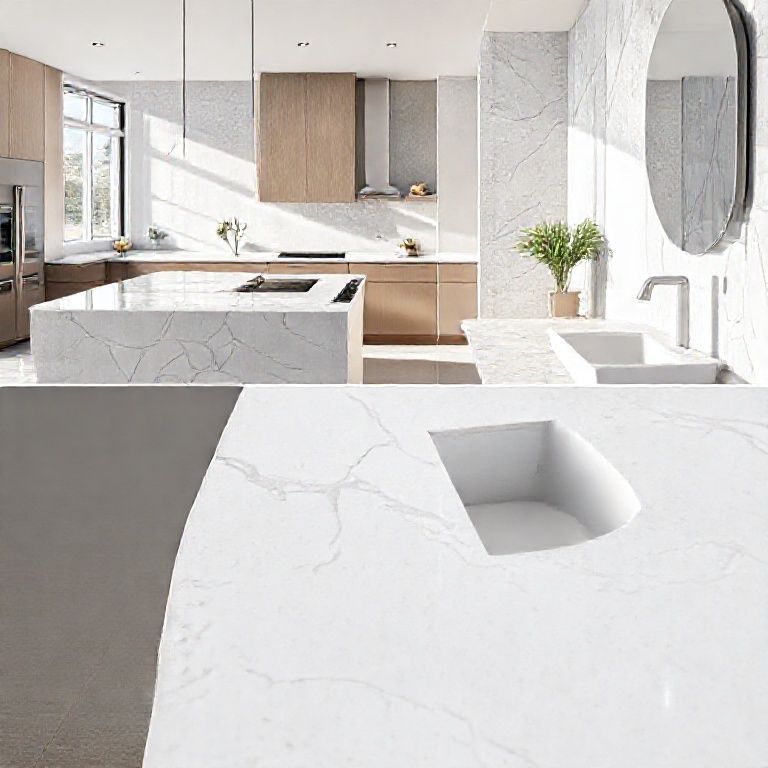
Thirdly, branding and marketing play a critical role. In a market often characterized by aesthetic choices, building a strong brand identity is paramount. The top artificial stone companies invest heavily in creating aspirational brands that resonate with designers, architects, and consumers. This involves cultivating a reputation for quality, reliability, and cutting-edge design. They often collaborate with renowned designers, sponsor high-profile architectural projects, and engage in sophisticated digital marketing campaigns to showcase the beauty and versatility of their products. Their websites and showrooms become showcases of inspiration, illustrating how their materials can transform spaces.
The global reach of these enterprises is another defining factor. The demand for artificial stone is international, and the leading companies have established extensive distribution networks that span continents. This involves setting up regional hubs, forging partnerships with fabricators and installers worldwide, and adapting their product offerings to suit local tastes and building codes. Navigating the complexities of international trade, logistics, and diverse market preferences requires a robust global strategy and significant operational expertise.
When considering the “人造石企业排行榜,” it’s important to acknowledge that rankings can be determined by various metrics: revenue, production volume, market share, brand recognition, or innovation leadership. However, the companies that consistently appear at the top across multiple indicators are those that have achieved a synergistic balance of these strengths. They are the companies that have not only mastered the technical aspects of production but have also built powerful brands, established global footprints, and demonstrated a forward-looking approach to innovation and sustainability. They are the architects of our built environment, providing the foundation for countless beautiful and functional spaces around the world.
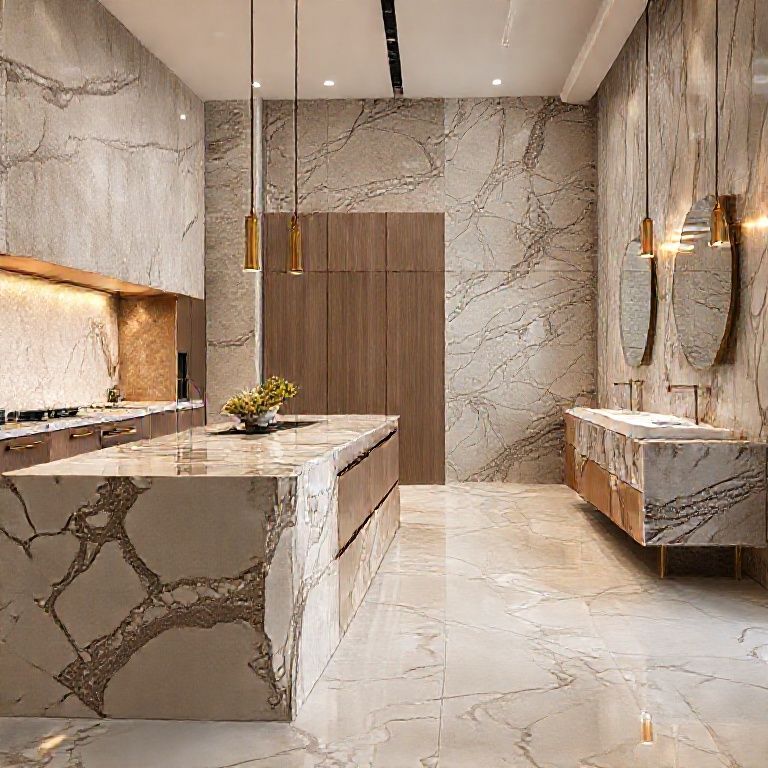
The competition within the artificial stone sector is fierce, yet the dominant players have managed to carve out and maintain significant market positions. Their success is a multifaceted story, woven from threads of technological prowess, strategic vision, and an acute understanding of the global marketplace. As we delve deeper into the specifics of these leading enterprises, we begin to appreciate the complex ecosystem that supports the creation and proliferation of these remarkable materials, shaping the aesthetics and functionality of our living and working spaces for years to come.
Delving further into the landscape of “人造石企业排行榜,” we encounter the companies that have not only mastered the science of creating artificial stone but have also become synonymous with quality, innovation, and design excellence. These are the global giants, whose products grace everything from luxury high-rise apartments to bustling commercial hubs. Their influence extends beyond mere manufacturing; they are trendsetters, pushing the boundaries of material science and aesthetic possibilities.
A significant portion of the market is dominated by companies specializing in engineered quartz surfaces. These enterprises have perfected the process of combining crushed quartz, polymers, and pigments under intense pressure and heat. The result is a remarkably dense, non-porous material that offers unparalleled resistance to stains, scratches, and heat. Brands like Caesarstone, Silestone (by Cosentino), Cambria, and DuPont (with its Corian brand, which also encompasses solid surfaces) have built global reputations on the back of these engineered quartz products. Their success lies in their ability to offer an immense palette of colors and patterns, ranging from pure whites and subtle greys to intricate veining that mimics natural marble or granite, and even unique, avant-garde designs.
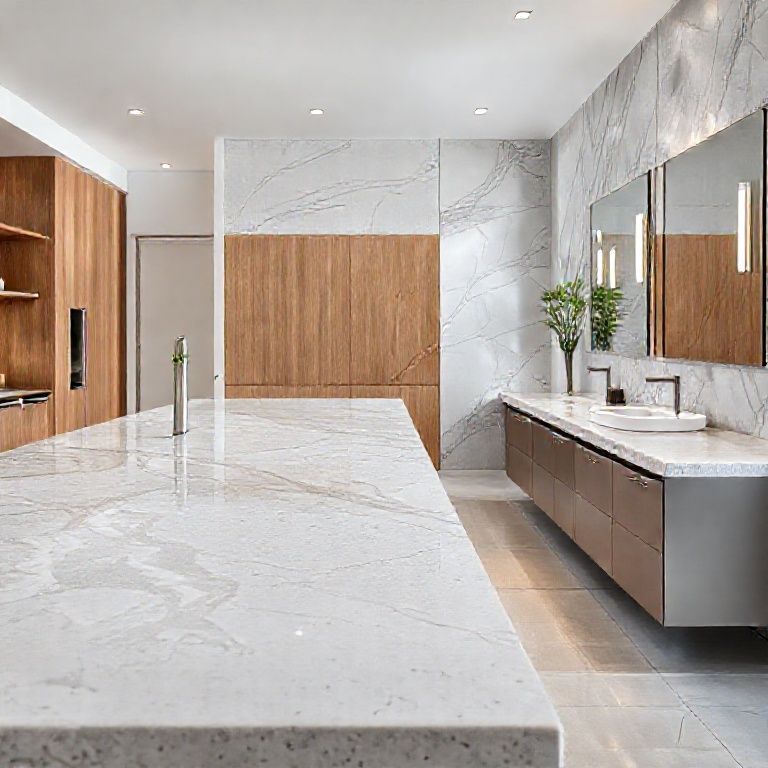
Cosentino, a Spanish conglomerate, stands out as a particularly influential player. Beyond their well-known Silestone quartz brand, they have also pioneered other engineered surfaces like Dekton, a revolutionary ultra-compact material made from a blend of quartz, porcelain, and glass. Dekton boasts extreme durability, UV resistance, and a wide range of aesthetic options, making it suitable for both indoor and outdoor applications, including countertops, cladding, and flooring. Cosentino’s strategy emphasizes vertical integration, controlling everything from raw material sourcing and manufacturing to distribution and marketing, allowing them to maintain stringent quality control and cultivate a powerful global brand presence. Their investment in cutting-edge technology and commitment to design innovation have positioned them as a leader in multiple engineered material categories.
Cambria, an American company, has also established a strong foothold, particularly within the North American market. What distinguishes Cambria is its unwavering commitment to using 100% pure natural quartz, combined with a proprietary resin system, to create surfaces that are not only exceptionally durable and hygienic but also boast intricate, natural-looking designs. They have invested heavily in unique design development, offering proprietary patterns that are exclusive to their brand, appealing to consumers seeking distinctive and high-quality surfaces. Their focus on the consumer experience, from design selection to installation support, has solidified their reputation as a premium provider.
Another critical category within the artificial stone realm is solid surfaces. While quartz is dominant in countertops, solid surfaces, often made from acrylic or polyester resins and fillers, offer a different set of advantages. Brands like Corian (DuPont), Hi-Macs (LG Hausys), and Staron (Samsung) are leading this segment. Solid surfaces are thermosettable, meaning they can be heated and thermoformed into seamless curves and complex shapes, making them ideal for bespoke designs, integrated sinks, and architectural features where seamless transitions are desired. Their non-porous nature makes them hygienic and easy to maintain, and they can be repaired and refinished, extending their lifespan. The innovation in solid surfaces often lies in achieving new textures, translucencies, and aesthetic effects that rival natural materials or offer entirely new visual experiences.
The leadership in the artificial stone industry is also increasingly defined by a commitment to sustainability. As global awareness of environmental impact grows, consumers and specifiers are actively seeking materials that are produced responsibly. Leading companies are responding by investing in energy-efficient manufacturing processes, reducing water consumption, utilizing recycled content, and developing low-VOC (volatile organic compound) products. Some manufacturers are also exploring innovative raw materials and bio-based resins to further minimize their environmental footprint. This shift towards sustainability is not just an ethical imperative; it is becoming a significant competitive advantage, influencing purchasing decisions at all levels.
Furthermore, the artificial stone market is not without its challenges and evolving dynamics. The rise of new manufacturing technologies, such as advanced digital printing and new composite formulations, continues to push the boundaries of what is possible. The intense competition from both established players and emerging manufacturers, particularly from Asia, necessitates continuous innovation and cost optimization. Geopolitical factors, supply chain disruptions, and fluctuating raw material costs also present ongoing hurdles that these global enterprises must navigate.
In conclusion, the “人造石企业排行榜” is a dynamic reflection of innovation, scale, and global reach. The companies at the pinnacle of this list are more than just material suppliers; they are integral partners in the design and construction of spaces worldwide. They blend artistry with engineering, sustainability with luxury, and tradition with cutting-edge technology to create surfaces that define modern living. As the demand for beautiful, durable, and functional materials continues to grow, these artificial stone titans will undoubtedly remain at the forefront, shaping the future of interiors and exteriors with their groundbreaking products and visionary leadership. Their continued success hinges on their ability to adapt, innovate, and consistently deliver on the promise of superior materials that enhance both aesthetics and performance.









