The Hidden Dangers of Using 84 Disinfectant on Marble
In the realm of household cleaning, 84 disinfectant is often hailed as a versatile and powerful tool for sanitizing various surfaces. However, when it comes to delicate materials such as marble, its use can lead to unforeseen and detrimental consequences. Marble, with its exquisite beauty and elegance, is a popular choice for countertops, flooring, and decorative elements in homes and businesses. Ensuring that marble remains pristine and unblemished is paramount. Yet, the use of 84 disinfectant can pose serious risks to these precious surfaces.
What is 84 Disinfectant?
To understand the risks, it is essential to comprehend what 84 disinfectant is. This product is a powerful cleaning agent containing active ingredients like sodium hypochlorite, which is a form of chlorine bleach. It is effective at killing bacteria, viruses, and other pathogens, making it a popular choice for disinfecting high-touch surfaces. However, its potency comes with a caveat: it is highly caustic and can be harmful to many materials, especially those that are not specifically designed to withstand such chemicals.
The Chemistry of Marble
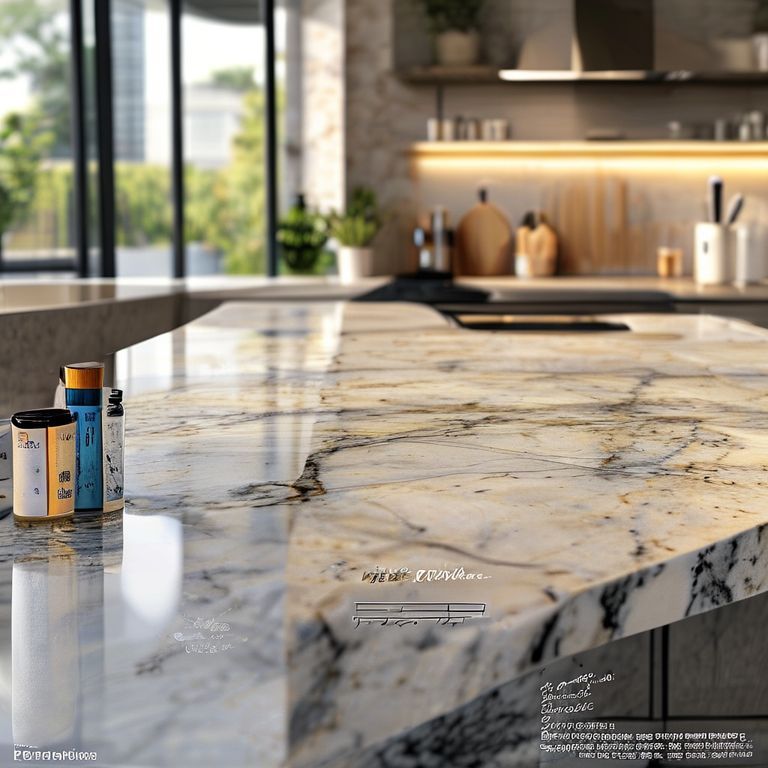
Marble is a metamorphic rock composed primarily of calcium carbonate (CaCO3). Its surface is characterized by a unique and intricate pattern of veins and grains. While marble is prized for its beauty, it is also relatively soft compared to other types of stone. This softness makes it susceptible to etching, staining, and other forms of damage from harsh chemicals.
The Harmful Effects of 84 Disinfectant on Marble
When 84 disinfectant comes into contact with marble, several harmful effects can occur:
Etching: The acidic nature of the disinfectant can cause etching on marble surfaces, leading to a loss of gloss and a rough, pitted appearance. Over time, this can result in significant damage to the marble’s aesthetic appeal.
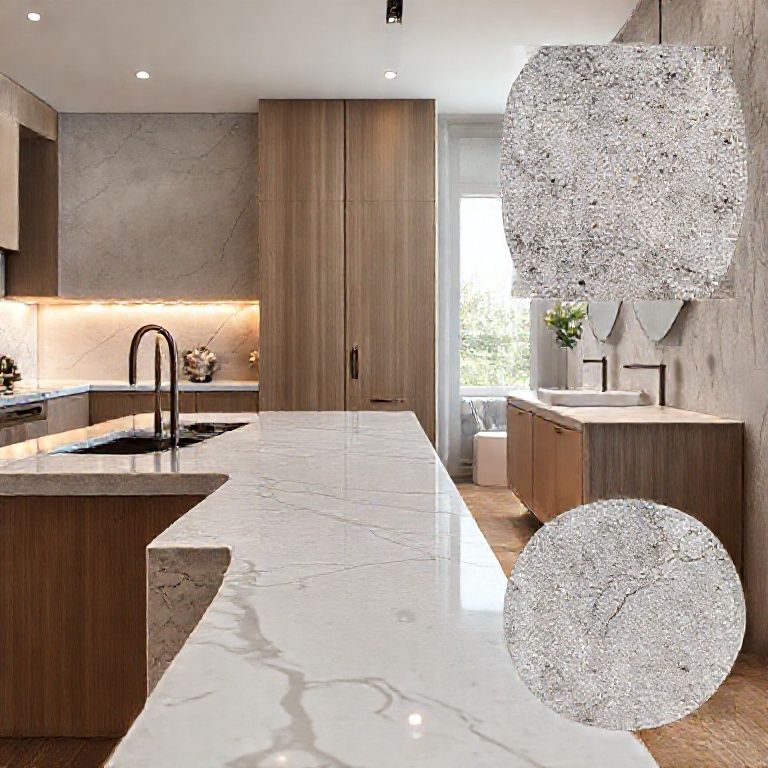
Discoloration: The chemicals in 84 disinfectant can cause discoloration, leading to unsightly stains and an overall degradation of the marble’s color and texture.
Loss of Luster: The natural sheen of marble can be dulled by the harsh chemicals in 84 disinfectant, making the surface appear dull and lifeless.
Case Studies of Damage
There are numerous documented cases of marble surfaces being severely damaged by the improper use of 84 disinfectant. Homeowners and business owners alike have reported significant deterioration in the appearance and structural integrity of their marble after using this product. These incidents highlight the importance of using the right cleaning methods to preserve the beauty and longevity of marble surfaces.
Safe Alternatives to 84 Disinfectant
Given the risks associated with using 84 disinfectant on marble, it is crucial to explore safe and effective alternatives that can maintain the cleanliness and beauty of marble surfaces without causing damage. Here are some eco-friendly and safe cleaning solutions:
Mild Soap and Water: For everyday cleaning, a simple mixture of mild soap and warm water is often sufficient. This gentle approach effectively removes dirt and grime without harming the marble.
Vinegar and Water: A diluted solution of vinegar and water can be used to clean and disinfect marble surfaces. Vinegar is a natural acid that can neutralize bacteria and leave the marble with a fresh scent.
Commercial Marble Cleaners: There are many commercial cleaners specifically formulated for marble. These products are designed to clean and protect marble without causing damage. Always choose products labeled as safe for marble.
Baking Soda Paste: A paste made from baking soda and water can be used to remove stains and polish marble surfaces. Baking soda is a gentle abrasive that helps to lift stains without etching the marble.
Practical Tips for Marble Maintenance
To ensure the longevity and beauty of your marble surfaces, it is important to follow some practical maintenance tips:
Avoid Harsh Chemicals: As discussed, harsh chemicals like 84 disinfectant can cause significant damage. Stick to mild, non-abrasive cleaning solutions.
Regular Cleaning: Regular cleaning with a mild soap and water solution will help to maintain the surface and prevent the buildup of grime and stains.
Immediate Spill Management: Marble can be easily stained by liquids. It is essential to clean up spills immediately to prevent them from setting into the surface.
Protective Coatings: Consider applying a protective coating to your marble surfaces. These coatings create a barrier that helps to repel stains and make cleaning easier.
Avoid Over-Cleaning: Over-cleaning can actually do more harm than good. Stick to regular, gentle cleaning routines to keep your marble looking its best.
Conclusion
Using 84 disinfectant on marble is fraught with risks that can lead to significant damage. The chemical composition of marble makes it particularly vulnerable to the harsh ingredients in 84 disinfectant. By understanding the dangers and adopting safe, alternative cleaning methods, you can preserve the beauty and integrity of your marble surfaces. From mild soap and water to specialized marble cleaners, there are many effective ways to keep your marble pristine without compromising its quality. Embrace these safe cleaning practices to ensure your marble remains a stunning focal point in your home or business for years to come.
Understanding and Preventing Damage to Marble from 84 Disinfectant
The Importance of Marble Preservation
Marble is not just a material; it is a work of art. Its beauty lies in its unique patterns, colors, and textures. Maintaining marble in its pristine condition is essential for preserving its aesthetic appeal and extending its lifespan. The use of improper cleaning methods, such as 84 disinfectant, can lead to irreversible damage. Understanding the risks and implementing effective preventive measures are crucial for anyone looking to protect their marble surfaces.
Detailed Breakdown of 84 Disinfectant’s Impact on Marble
Chemical Composition and Properties
84 disinfectant is formulated with a potent mix of chemicals, primarily sodium hypochlorite, which acts as a bleaching agent. Its effectiveness in disinfecting is due to its ability to break down organic material and kill pathogens. However, this same potency makes it highly reactive with other materials, including marble.
Sodium hypochlorite, an oxidizing agent, can cause significant chemical reactions when it encounters marble. Marble’s calcium carbonate reacts with the acidic and oxidizing properties of 84 disinfectant, leading to etching, discoloration, and loss of luster. The result is a marble surface that appears dull, pitted, and stained.
Mechanism of Damage
When 84 disinfectant comes into contact with marble, the following chemical reactions occur:
Etching: The acid in the disinfectant reacts with the calcium carbonate in the marble, creating an etching effect. This results in a pitted and uneven surface that loses its smooth, glossy appearance.
Discoloration: The oxidizing agents in the disinfectant can cause the marble to turn a grayish hue or develop brown stains. This discoloration is often irreversible and can mar the marble’s aesthetic appeal.
Loss of Luster: The natural shine of marble can be dulled by the chemicals in 84 disinfectant. This effect is particularly noticeable in high-traffic areas where the marble is frequently cleaned with harsh chemicals.
Real-Life Consequences and Preventative Measures
Case Studies and Testimonials
There are numerous stories of homeowners and businesses that have suffered irreversible damage to their marble due to the use of 84 disinfectant. In one case, a high-end restaurant experienced significant damage to its marble countertops after regularly using 84 disinfectant. The result was extensive pitting and discoloration, leading to the need for costly repairs and replacements. In another instance, a homeowner’s marble fireplace was severely etched, requiring professional restoration to restore its original appearance.
These cases underscore the importance of understanding the risks and taking preventative measures to protect marble from such damage.
Preventative Measures
To prevent damage from 84 disinfectant and other harsh cleaning agents, consider the following preventative measures:
Educate Yourself and Others: Knowledge is the first line of defense. Educate yourself and others in your household or business about the risks associated with using 84 disinfectant on marble.
Choose the Right Cleaning Products: Opt for cleaning products specifically designed for marble. These products are formulated to clean without causing damage.
Proper Application Techniques: When using any cleaning product, follow the manufacturer’s instructions carefully. For marble, avoid using harsh scrubbing tools and opt for soft cloths to prevent abrasion.
Regular Maintenance: Regular maintenance with mild, non-abrasive cleaners can help to keep marble surfaces looking their best. This includes wiping down surfaces after meals and cleaning up spills immediately.
Professional Cleaning Services: Consider hiring professional cleaning services that specialize in marble maintenance. These experts have the knowledge and tools to clean marble without causing damage.
Eco-Friendly and Safe Cleaning Alternatives
Natural Cleaning Solutions
In addition to commercial marble cleaners, there are many natural cleaning solutions that are safe and effective for marble:
Vinegar and Water: A simple mixture of equal parts vinegar and water can be used to clean marble surfaces. Vinegar当然,继续探讨一些关于天然清洁剂的替代品:
小苏打(碳酸氢钠):小苏打是一种多功能的清洁剂,可以用来清洁和抛光大理石。将小苏打和水混合成糊状,然后涂抹在大理石表面上,轻轻刷洗后用清水冲洗干净。
柠檬汁:柠檬汁含有天然酸性物质,可以帮助去除污渍和油脂。将柠檬汁直接挤在大理石表面,然后用干净的布擦拭干净。
醋和水混合液:醋是一种有效的天然清洁剂,可以去除细菌和污渍。将醋和水按1:1比例混合,用在大理石表面,然后用干净的布擦干。
蜂蜡:蜂蜡可以用来抛光和保护大理石表面。将蜂蜡融化后涂抹在大理石表面,然后用干净的布擦光。
其他建议
避免使用硬刷或其他硬质清洁工具:这些工具可能会对大理石表面造成刮擦和损伤。始终使用柔软的布和软刷。
不要让液体长时间停留在大理石表面:水分可以渗入大理石缝隙,导致霉菌和其他污染物的滋生。及时清洁和擦干。
定期保养:定期使用专门的大理石保养剂,可以帮助保持大理石的光泽和防止污渍。
注意事项
测试在小区域:在使用任何新清洁剂之前,最好先在小区域测试,确保没有不良反应。
避免浓缩清洁剂:如果使用清洁剂,请避免使用含有强烈化学成分的浓缩清洁剂,这些成分可能会对大理石表面造成损害。
通过以上方法和建议,你可以有效地清洁和保养你的大理石表面,同时避免使用可能对其造成损害的强力化学清洁剂。