${part1}
When it comes to kitchen countertops, the choice of material plays a crucial role in both functionality and aesthetics. Quartz countertops have surged in popularity over the past decade, and for good reason. This article addresses the pivotal question: “Can quartz countertops be directly in contact with food?”
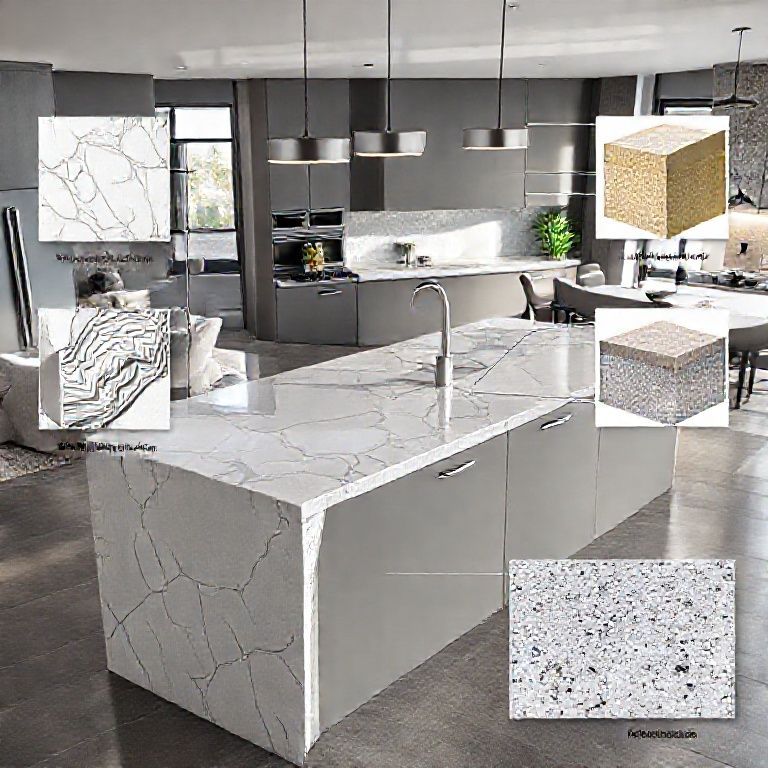
The Composition and Durability of Quartz Countertops
Quartz, a naturally occurring mineral composed primarily of silicon dioxide, is processed into a composite material through a proprietary manufacturing process. This process involves combining 93% pure quartz with a resin binder. The result is a material that is incredibly hard, making it one of the most durable options available for kitchen countertops.
Quartz’s hardness translates into exceptional resistance to scratches, dents, and impacts. Unlike granite, which can be prone to staining and requires sealing to maintain its appearance and hygiene, quartz offers a seamless, non-porous surface. This characteristic is vital for food safety, as non-porous surfaces do not harbor bacteria or absorb odors.
Hygiene and Food Safety
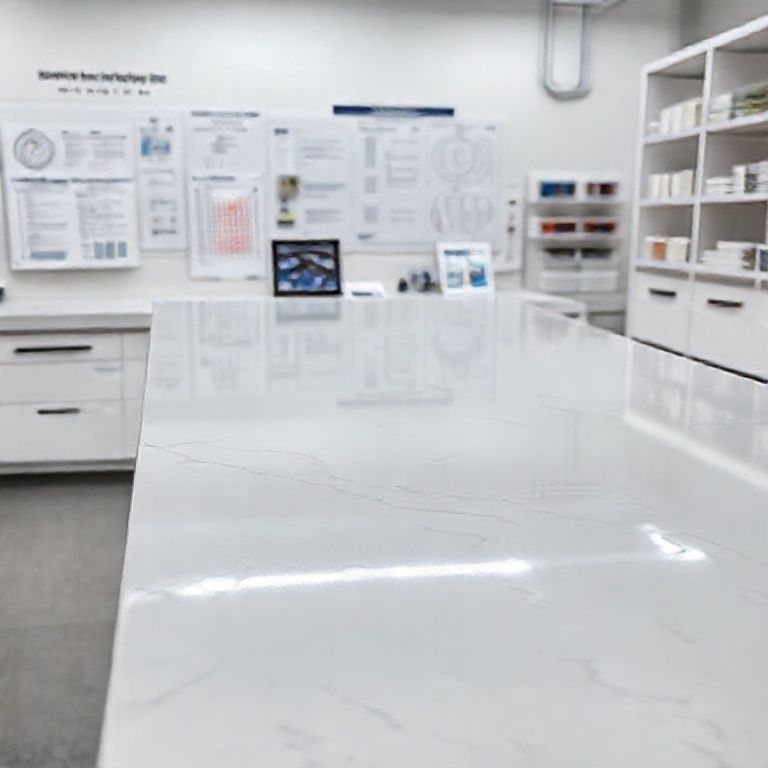
One of the most compelling reasons to consider quartz countertops for direct food contact is their superior hygiene. Bacteria and other pathogens are unable to cling to the surface of quartz, making it an ideal choice for kitchen environments where food is regularly prepared and handled. Unlike materials such as wood or stone, which can trap bacteria and harbor mold, quartz offers a clean and sanitary surface.
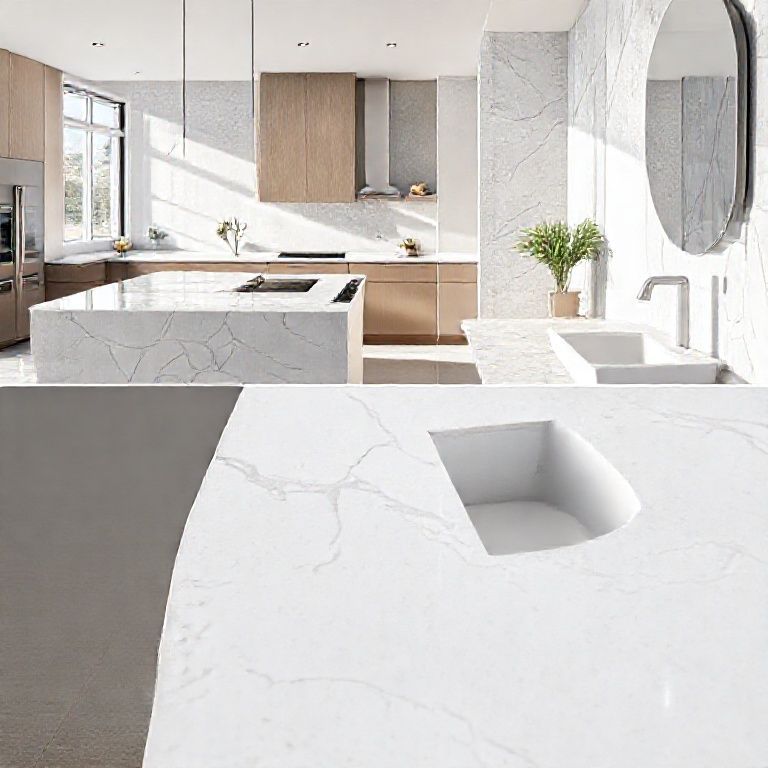
Additionally, quartz countertops do not react with acidic foods or cleaning agents, ensuring that the surface remains pristine and free from discoloration. This resistance to stains and scratches means that quartz can maintain its appearance over time, even with frequent use and exposure to food.
Maintenance and Cleaning
Maintaining a quartz countertop is straightforward, and it doesn’t require the same level of upkeep as some other materials. To clean a quartz surface, a simple wipe-down with a mild soap and water solution is often sufficient. For tougher spots or spills, a dedicated quartz cleaner can be used. It’s important to avoid using abrasive cleaners or sponges, as they can scratch the surface.
To ensure longevity, it’s recommended to let cleaning solutions sit for a few minutes before wiping away. This approach allows the cleaner to effectively break down any residue without damaging the surface. Additionally, using cutting mats and peel-off pads when cutting food on the countertop helps protect the surface from scratches.
Aesthetic Appeal and Versatility
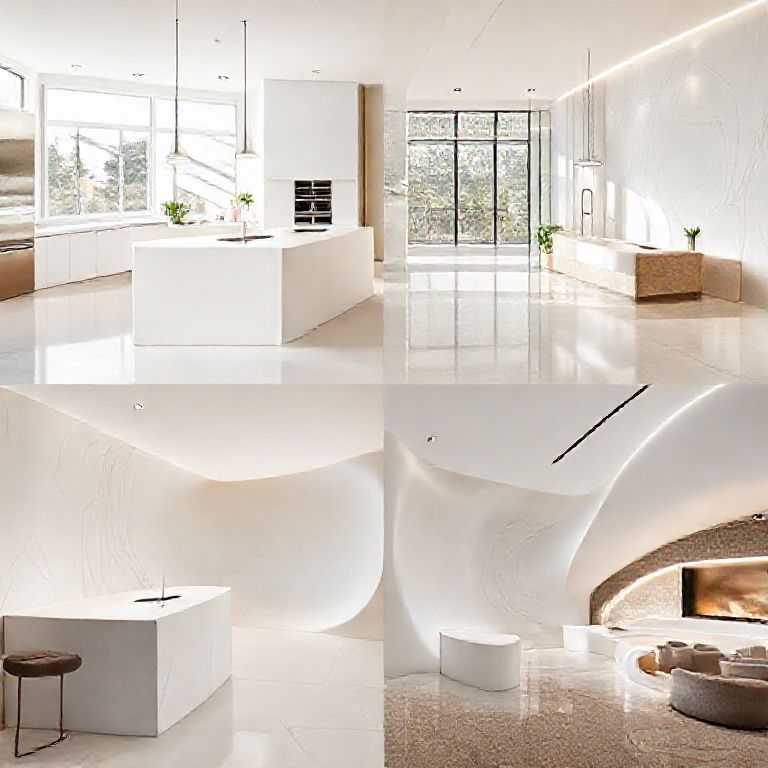
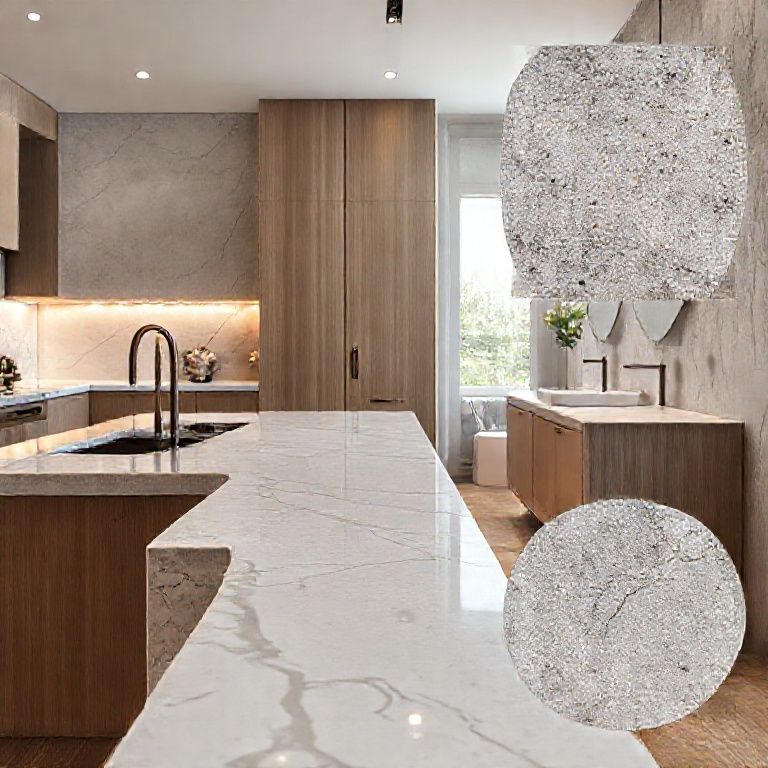
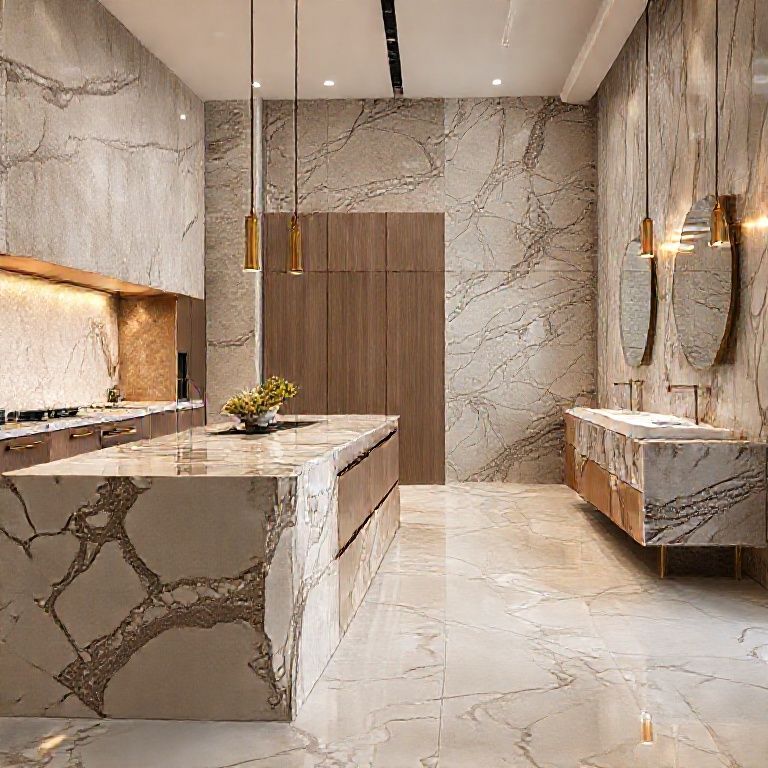
Quartz countertops come in an extensive range of colors, patterns, and textures, offering versatility to suit any kitchen design. From classic natural stone looks to modern, bold colors, quartz can be customized to match any aesthetic. Its versatility makes it a favorite among designers and homeowners alike.
Moreover, quartz countertops are available in various thicknesses and finishes, allowing for endless design possibilities. Whether you prefer a sleek, contemporary look or a more traditional style, quartz can be tailored to fit your vision. This flexibility in design makes quartz an excellent choice for both new kitchens and renovations.
Environmental Considerations
Quartz is also an environmentally friendly option. The manufacturing process of quartz countertops is designed to minimize waste and reduce environmental impact. Additionally, quartz is a natural material that does not require the use of harmful chemicals or excessive water for its production, making it a sustainable choice.
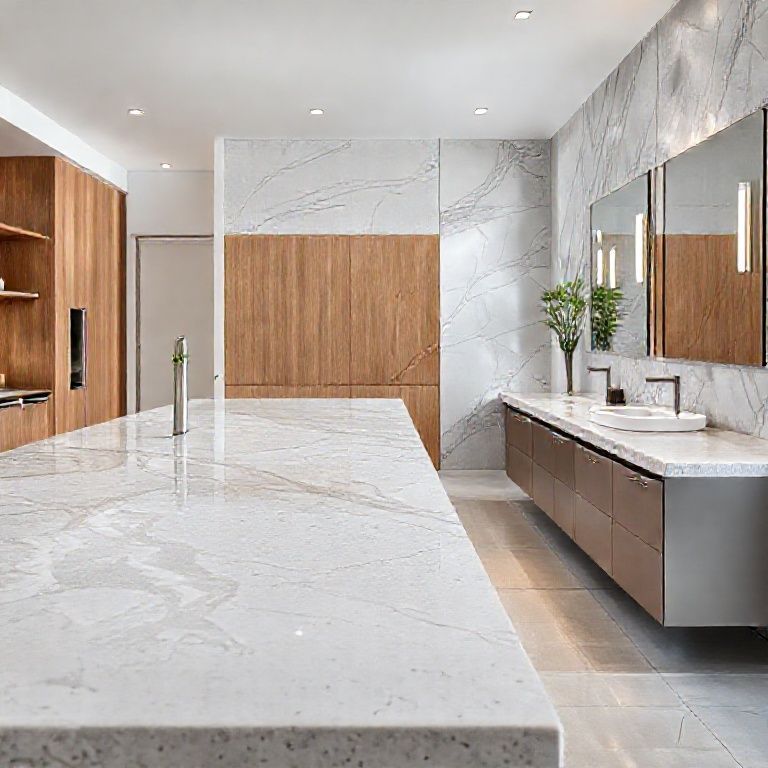
Furthermore, quartz countertops have a long lifespan, reducing the need for frequent replacements and contributing to waste reduction. This longevity ensures that once installed, quartz countertops provide lasting value, further enhancing their environmental benefits.
Conclusion
In summary, quartz countertops offer a combination of durability, hygiene, and aesthetic versatility that makes them an excellent choice for direct food contact. Their non-porous surface ensures superior hygiene, while their resistance to stains and scratches guarantees a pristine appearance over time. Coupled with their ease of maintenance and environmental benefits, quartz countertops are a reliable and attractive option for any kitchen.
Stay tuned for the second part of this article, where we will delve deeper into the performance of quartz countertops in different kitchen environments and additional tips for maximizing their benefits.
${part2}
Continuing our exploration of quartz countertops, we now turn our attention to their performance in various kitchen environments and provide additional tips for maximizing their benefits. We’ll also address some common concerns and misconceptions surrounding the use of quartz countertops for direct food contact.
Performance in Different Kitchen Environments
Quartz countertops are highly versatile and perform exceptionally well in various kitchen settings, whether you have a small urban kitchen or a large, commercial-grade space.
Residential Kitchens:
In residential kitchens, quartz countertops provide a blend of style and practicality. Their non-porous surface is easy to clean, making them ideal for households with busy schedules. The wide array of colors and patterns available allows homeowners to choose a countertop that complements their kitchen decor. Quartz is also resistant to typical kitchen hazards such as spills, stains, and heat, making it a durable choice for everyday use.
Commercial Kitchens:
For commercial kitchens, the demand for durability and ease of maintenance is paramount. Quartz countertops meet these requirements with flying colors. Their ability to withstand high levels of traffic and frequent cleaning makes them perfect for busy commercial kitchens. Additionally, quartz’s resistance to chemicals and heat ensures that it maintains its integrity in demanding environments.
Additional Tips for Maximizing Quartz Countertop Benefits
While quartz countertops are known for their low maintenance, there are a few tips and tricks to ensure they remain in top condition:
1. Use Cutting Pads and Cutting Boards: To protect the quartz surface from scratches and cuts, always use cutting pads or peel-off pads when cutting food. This simple step can extend the life of your countertops.
2. Avoid Abrasive Cleaners: Stick to mild cleaning solutions and avoid abrasive cleaners or sponges that can scratch the surface. Opt for a dedicated quartz cleaner or a mild soap and water solution.
3. Immediate Cleanup: Clean up spills and stains immediately to prevent them from setting into the surface. This is particularly important for acidic foods like tomatoes and citrus.
4. Proper Storage: When not in use, store utensils and other sharp objects in appropriate containers to avoid accidental scratches on the countertop.
5. Regular Maintenance: Regularly inspect the countertop for any signs of wear or damage and address them promptly. A small scratch can become more significant over time if not treated early.
Addressing Common Concerns and Misconceptions
Despite their many benefits, some misconceptions and concerns often surround the use of quartz countertops for direct food contact. Let’s address a few of these:
Misconception: Quartz is Fragile
One common misconception is that quartz is too fragile for everyday use. However, quartz’s high hardness rating and resistance to impacts make it far more durable than many other countertop materials. While it’s always important to handle quartz with care, it is not as fragile as some might believe.
Misconception: Quartz is Expensive
Quartz countertops are often seen as a luxury item due to their premium appearance and high-end finish. While they do come at a higher price point compared to some other materials, their durability and low maintenance make them a cost-effective choice in the long run. Additionally, the range of colors and styles available allows homeowners to find a quartz countertop that fits within various budgets.
Misconception: Quartz Cannot Be Customized
Another misconception is that quartz offers limited customization options. In reality, quartz comes in a vast array of colors, patterns, and textures. Whether you desire a natural stone look, a bold and modern color, or a unique pattern, quartz can be customized to meet your specific needs.
Real-World Applications and Testimonials
To further illustrate the benefits of quartz countertops in direct food contact, let’s look at some real-world applications and testimonials from users who have experienced the advantages firsthand.
Home Chefs: Many home chefs appreciate the ease of cleaning and durability of quartz countertops. The non-porous surface makes it effortless to maintain hygiene, and the ability to choose from a wide range of colors allows for a personalized kitchen design that reflects their culinary style.
Professional Chefs: In professional kitchens, where food is prepared in large quantities, quartz countertops are highly valued for their resistance to stains, scratches, and heat. The ability to maintain a clean and pristine appearance under demanding conditions makes quartz an ideal choice for professional chefs.
Testimonials:
“I’ve used quartz countertops in my kitchen for over two years now, and I couldn’t be happier. The ease of cleaning and the durability have made it a breeze to maintain, and I’ve never had to worry about stains or bacteria.” – Maria S. “As a professional chef, the durability and resistance of quartz countertops are invaluable. They withstand the high traffic and frequent cleanings in our kitchen without any issues.” – Chef Tom R.
Conclusion
In conclusion, quartz countertops are a superb choice for direct food contact in kitchens of all sizes and types. Their durability, hygiene, and ease of maintenance make them an excellent option for both residential and commercial kitchens. By following a few simple tips for care and maintenance, you can ensure that your quartz countertops remain in pristine condition for years to come.
石英石台面的化学稳定性与安全性
石英石的化学稳定性是其作为台面材料的另一大优势。由于石英石的主要成分是二氧化硅,它对大多数酸碱和化学品具有很高的耐受性。这意味着即使在经常接触到醋酸、氨水、和其他化学清洁剂的情况下,石英石台面也不会发生腐蚀或变色。
抗菌和防霉性
由于石英石的非多孔性,它不会吸收液体或微生物,这使得它成为一个天然的抗菌和防霉材料。这一点对于厨房环境尤为重要,因为厨房中的湿气和食物残渣可能会导致其他材料如木材、大理石和花岗岩等产生霉菌和细菌问题。
石英石的安全性
石英石是一种天然材料,它不含任何有害化学物质,因此它在直接接触食品时是完全安全的。相比之下,某些人造石材可能会含有有害的添加剂或胶合剂,这些物质在高温或长期使用中可能会释放有害物质。
环保与可持续性
石英石台面也在环保和可持续性方面表现优异。它的生产过程相对环保,几乎不产生废水或有害排放物。由于其极长的使用寿命,石英石台面减少了需要频繁更换的次数,从而降低了资源消耗和废物产生。
石英石的耐热性
石英石对热的耐受性也是其优点之一。它能够承受高达1200°C的温度,这使它非常适合直接接触烹饪过程中产生的热量。相反,其他材料如大理石可能会在高温下受损,或在冷热对比较大的环境中产生裂缝。
安装与维护
石英石台面安装简便,通常需要简单的固定,无需特殊的胶水或粘合剂。其表面光滑,便于清洁和维护,只需用湿布轻擦即可保持清洁。
结论
石英石台面在直接接触食品的情况下表现出了卓越的耐用性、安全性、化学稳定性和易于维护的特点。无论是家庭厨房还是专业厨房,石英石都是一种理想的选择。其非多孔的特性和高耐用性不仅提升了厨房的整体美观,还确保了食品接触表面的清洁和安全。