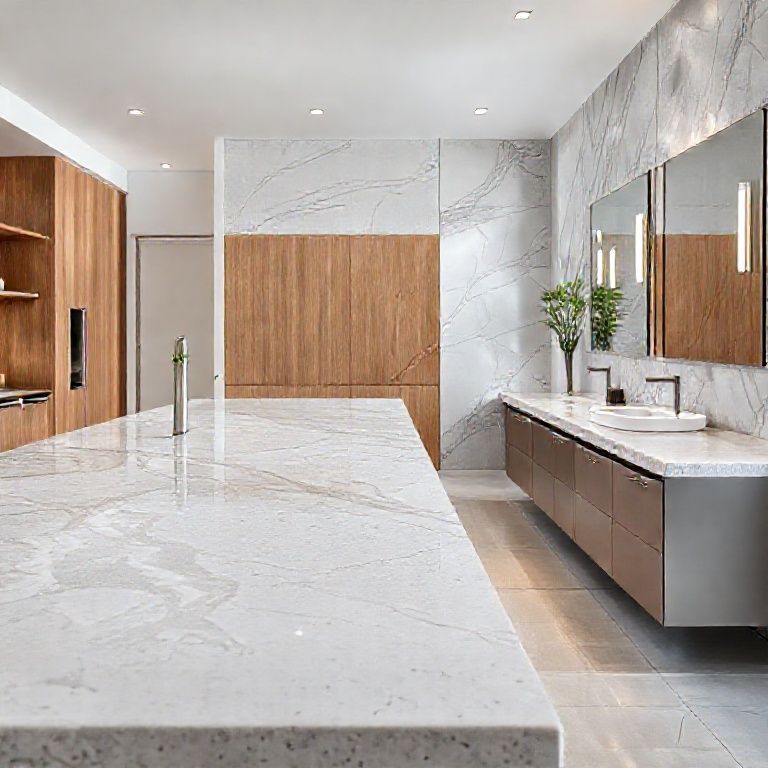
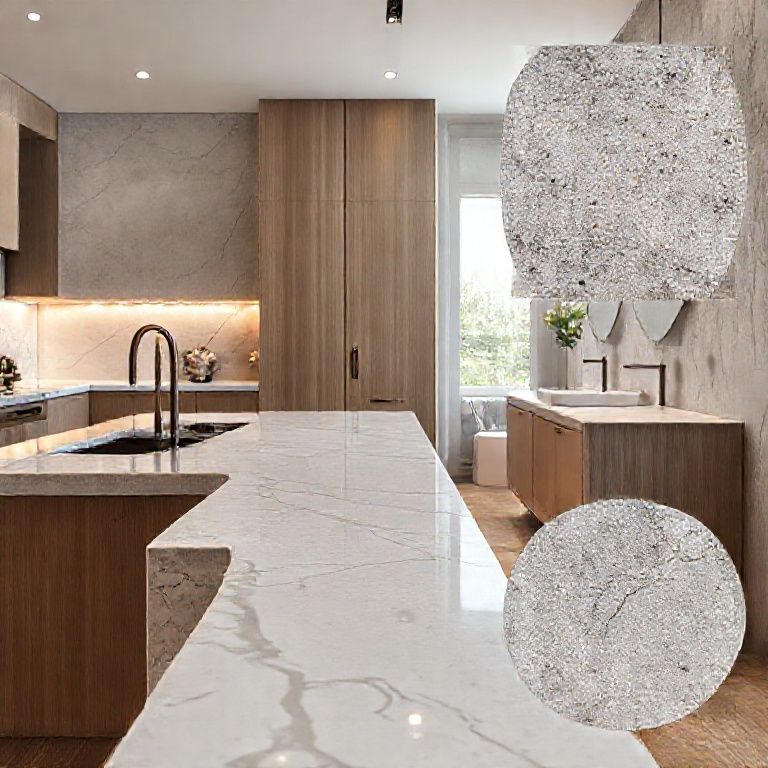
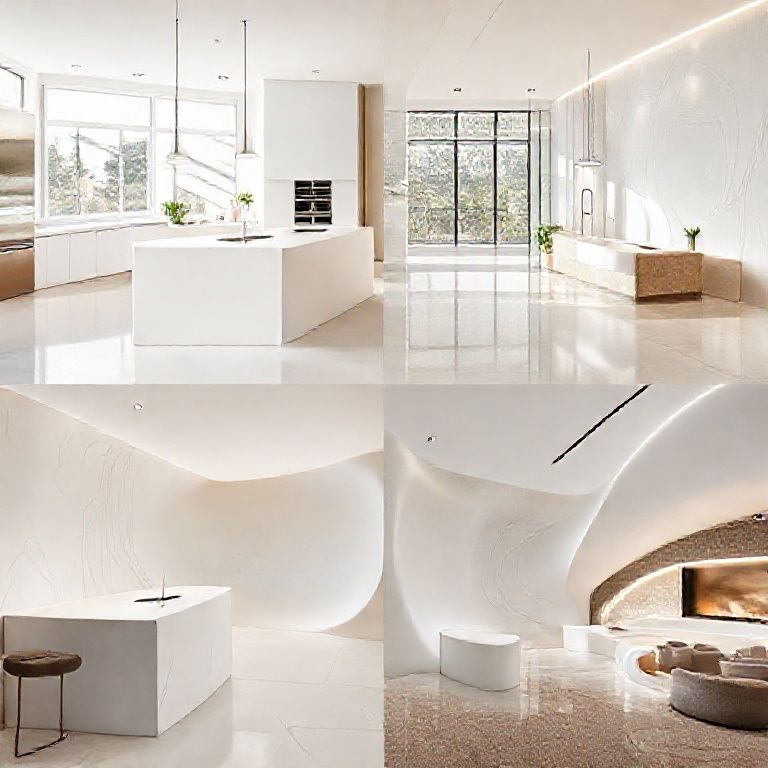
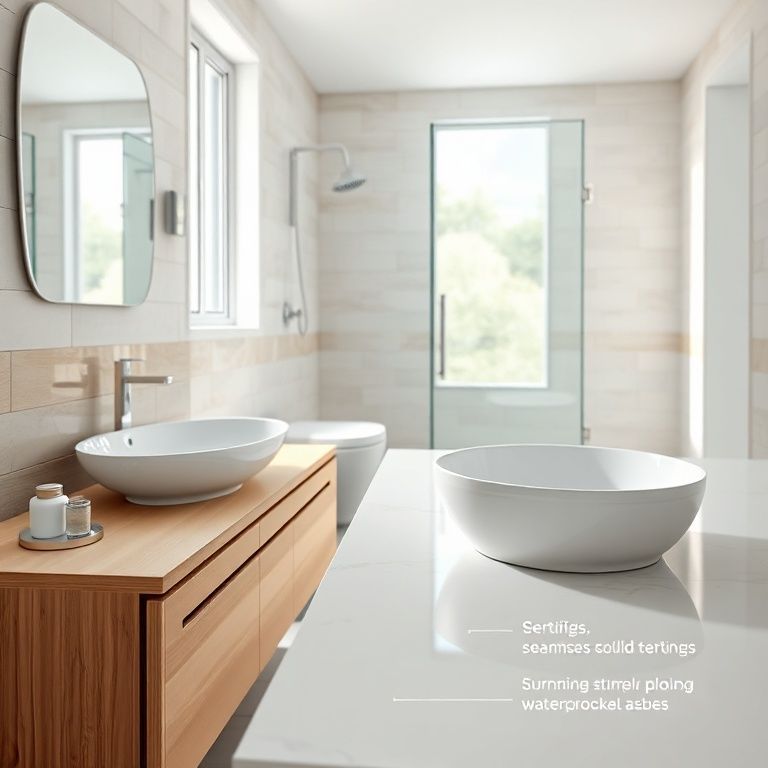
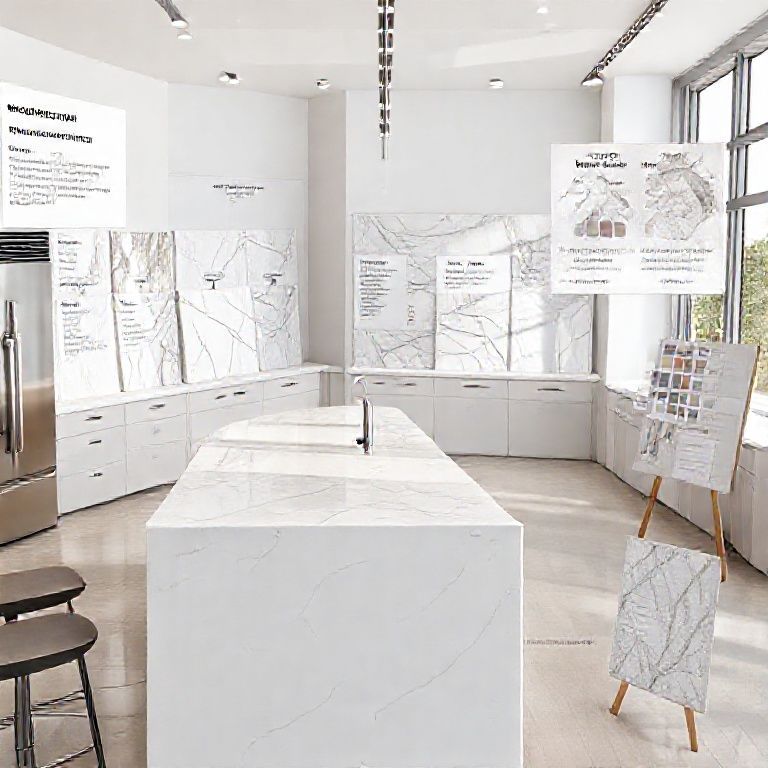
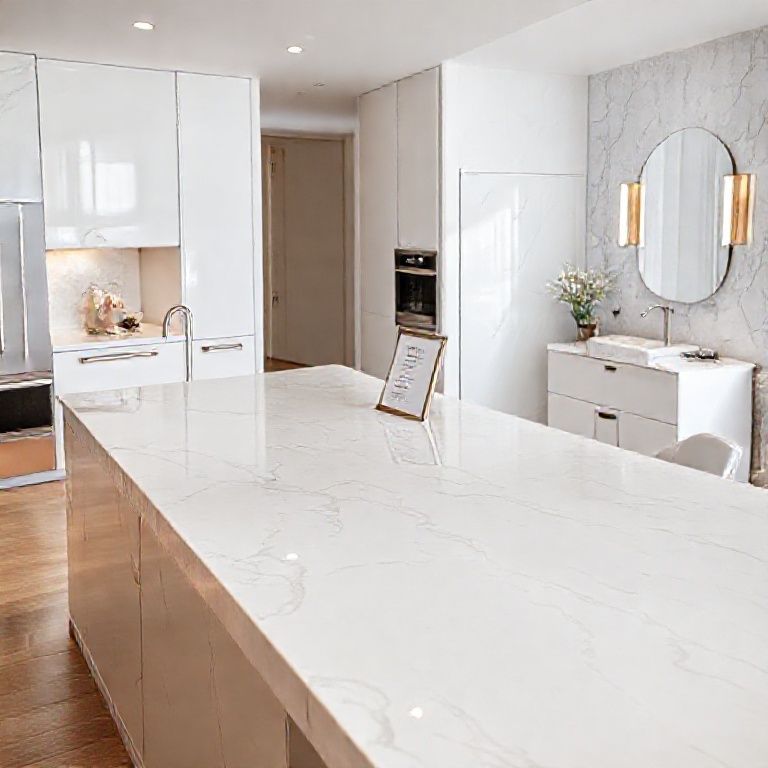
Discover the compelling reasons why it’s both safe and advantageous to use disinfectants like 84 on quartz countertops. Dive into the details of maintaining hygiene while preserving the beauty and durability of your quartz surfaces.
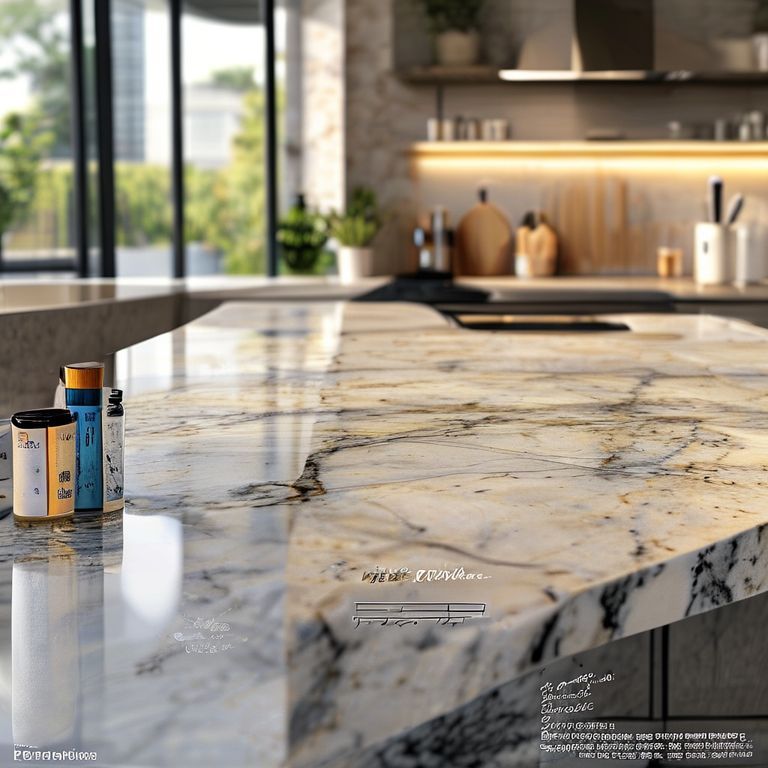
Understanding Quartz Countertops and Their Care
When it comes to modern kitchen and bathroom design, quartz countertops have become a popular choice for their unparalleled durability, beauty, and low maintenance. Known for their strength, quartz countertops are a type of engineered stone made from a high percentage of silica, giving them a naturally resistant surface that is both scratch-resistant and easy to clean. But what about maintaining their cleanliness and hygiene? This is where the question of whether 84 disinfectant can be safely used on quartz surfaces comes into play.
The Composition and Benefits of Quartz Countertops
Quartz countertops are composed of 90% silica, with the remaining 10% being resin and other binders. This composition makes quartz a superior choice compared to traditional granite or marble. The silica content ensures that quartz is highly resistant to stains, scratches, and even most chemicals. This makes it a low-maintenance material that can withstand the rigors of daily kitchen use without losing its pristine appearance.
One of the most significant benefits of quartz is its non-porous nature. Unlike granite or marble, which can absorb liquids and stains, quartz’s surface is sealed, meaning spills and stains do not penetrate the surface. This makes it incredibly easy to clean, but the question remains—how should you clean it to maintain its integrity and beauty?
The Role of Disinfectants in Countertop Hygiene
In an era where hygiene is more important than ever, maintaining a clean and sanitary kitchen is paramount. Disinfectants like 84 (a well-known brand of hospital-strength disinfectant) are designed to kill bacteria, viruses, and other pathogens that can cause illness. While it’s important to use these disinfectants judiciously to avoid damage to surfaces, they are an essential tool in maintaining a healthy home environment.
Safety of Using 84 Disinfectant on Quartz
The primary concern when using any disinfectant on a countertop is whether it will damage the surface. Quartz, with its high silica content, is generally very resistant to most chemicals, but it’s always good to err on the side of caution. The good news is that 84 disinfectant is formulated to be safe for use on a variety of non-porous surfaces, including quartz.
Why Quartz is Compatible with 84 Disinfectant:
Non-Porous Surface: Since quartz is non-porous, disinfectants like 84 do not penetrate the surface, reducing the risk of chemical damage. Manufacturer Recommendations: Many manufacturers of quartz countertops recommend using only mild cleaners or specialized quartz cleaning solutions. However, they generally agree that 84 can be used safely as long as it’s not left on the surface for extended periods. Chemical Composition: The active ingredients in 84, such as sodium hypochlorite, are powerful enough to kill bacteria and viruses but are not harsh enough to damage the silica-based surface of quartz if used properly.
Best Practices for Cleaning Quartz with 84 Disinfectant
When using 84 disinfectant on quartz countertops, it’s important to follow some best practices to ensure both the cleanliness and longevity of your countertops:
Dilution: Always dilute the 84 disinfectant according to the manufacturer’s instructions before using it on any surface. Test First: Conduct a small test on an inconspicuous area to ensure there is no adverse reaction. Rinse Thoroughly: After applying the disinfectant, rinse the surface thoroughly with water to remove any residue that could potentially harm the quartz over time. Dry Off: Use a clean, dry cloth to wipe down the surface to prevent water spots and ensure complete drying.
Advantages of Regular Disinfecting
Regular disinfecting of your quartz countertops offers several advantages:
Enhanced Hygiene: Regular cleaning with a disinfectant like 84 can help reduce the presence of harmful bacteria and viruses, making your kitchen a safer place to cook and eat. Preservation of Appearance: By preventing spills and stains from setting into the surface, disinfecting helps maintain the sleek, modern look of your quartz countertops. Extended Lifespan: Proper care, including regular disinfecting, can help extend the lifespan of your quartz countertops, making them a long-term investment.
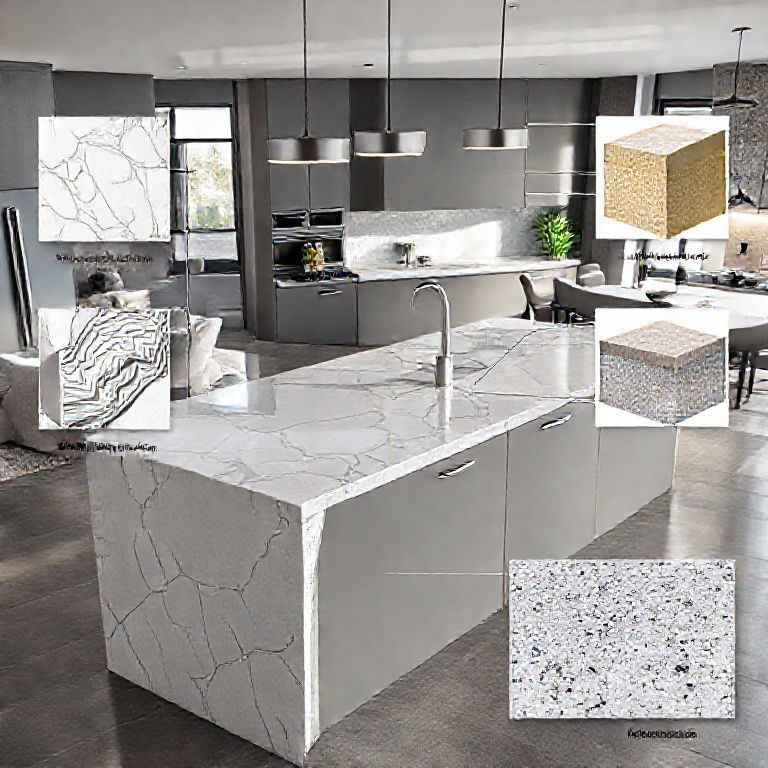
In conclusion, using 84 disinfectant on quartz countertops is not only safe but can also be a beneficial part of your cleaning routine. The key is to use it correctly and follow best practices to ensure both hygiene and the longevity of your beautiful quartz surfaces. Stay tuned for the second part of our discussion where we delve deeper into specific cleaning techniques and alternative maintenance tips for your quartz countertops.
Advanced Cleaning Techniques and Long-Term Maintenance
In the previous section, we explored the compatibility of 84 disinfectant with quartz countertops and provided guidelines for safe use. Now, let’s dive deeper into advanced cleaning techniques and long-term maintenance strategies to keep your quartz surfaces looking and functioning at their best.
Advanced Cleaning Techniques
While regular disinfecting with 84 is a great start, there are more sophisticated cleaning techniques you can employ to ensure your quartz countertops remain in top condition.
Deep Cleaning for Heavy Spills
For heavy spills or stubborn stains, a more intensive cleaning process is required:
Initial Wipe-Down: Start with a general wipe-down using a mild soap and water solution. Avoid harsh abrasives or bleach-based cleaners as they can scratch the surface. Soaking Solution: For tough stains, create a soaking solution using a mixture of water and a few drops of dish soap. Allow the affected area to sit in the solution for a few hours. Scrub Gently: Use a soft cloth or sponge to gently scrub the area. Avoid using steel wool or other abrasive materials that could scratch the surface. Rinse Thoroughly: Rinse the area thoroughly with clean water to remove any soap residue. Disinfect: Apply a diluted solution of 84 disinfectant to the area and let it sit for a few minutes before rinsing off.
Using a Quartz Cleaner
For routine maintenance, it’s often best to use a cleaner specifically designed for quartz:
Choose the Right Cleaner: Select a cleaner that is labeled as safe for quartz countertops. These cleaners are formulated to maintain the surface without causing damage. Application: Follow the instructions on the cleaner’s label. Typically, this involves applying the cleaner with a soft cloth, allowing it to sit for a few minutes, and then wiping it off with a clean, dry cloth. Regular Maintenance: Use the quartz cleaner regularly to maintain the surface’s shine and prevent the buildup of grime and stains.
Long-Term Maintenance Tips
Proper long-term maintenance of your quartz countertops can ensure they remain beautiful and functional for years to come. Here are some tips to help you achieve this:
Protect Against Damage
Cutting Boards: Always use cutting boards when preparing food to prevent scratches from knives. Place a protective mat or board under any cutting area. Heat Protection: Avoid placing hot pots or pans directly on the surface. Use trivets or heat-resistant pads to protect the countertop from thermal shock. Avoid Abrasives: Never use abrasive pads, steel wool, or harsh chemical cleaners that can scratch or damage the surface.
Regular Cleaning Routine
Daily Wipe-Down: Wipe down your countertops daily with a damp cloth to remove spills and light grime. Weekly Deep Clean: Perform a more thorough clean once a week using a mild soap and water solution, followed by a disinfectant like 84. Monthly Maintenance: For an extra layer of protection, consider using a quartz cleaner monthly to maintain the surface’s shine and repel stains.
Addressing Specific Issues
Stains: For minor stains, use a solution of water and vinegar. For tougher stains, a mixture of baking soda and water can act as a gentle abrasive to help lift the stain without scratching the surface. Scratches: While quartz is highly resistant to scratches, minor scratches can sometimes be buffed out using a fine-grit sandpaper or a specialized quartz polish.
The Role of Professional Cleaning
While regular at-home maintenance is essential, there are times when professional cleaning services can provide extra assurance:
Deep Cleaning Services: Professional cleaners often use specialized equipment and products that can deep clean and polish your countertops to a higher standard. Restoration Services: If your quartz has significant damage or stains, professional restoration services can repair and rejuvenate the surface, restoring its appearance and functionality.
Conclusion
Maintaining your quartz countertops with proper cleaning techniques and long-term maintenance strategies ensures they remain a beautiful and functional part of your kitchen or bathroom for years to come. Using 84 disinfectant on quartz is safe and can be a powerful tool in your cleaning arsenal when used correctly. By following best practices and incorporating advanced cleaning techniques, you can keep your quartz surfaces looking pristine and functioning optimally.
In summary, quartz countertops are a remarkable choice for their durability, beauty, and low maintenance. With the right cleaning products, such as 84 disinfectant, and proper care techniques, you can enjoy the best of both worlds—hygi继续说,保持石英石台面的美观和功能性,你可以采取以下具体措施和建议:
1. 定期清洁
每天用湿布轻轻擦拭台面,以去除食物残渣和灰尘。避免使用过多的水,以免台面受潮。
2. 使用专用清洁剂
尽量使用专门为石英石设计的清洁剂。这些产品通常能够有效清洁而不会对石英石表面造成损害。
3. 处理溅洒和泼洒物
在烹饪过程中,避免油烟和液体直接溅到台面上。如果不小心发生,尽快用湿布擦拭干净,避免液体渗入表面。
4. 定期疏水处理
石英石台面需要定期进行疏水处理,以保持其防污性能。专业的疏水剂可以帮助石英石表面形成一层保护膜,阻止污渍渗入。通常建议每6个月到1年进行一次疏水处理。
5. 小心使用锋利工具
避免在石英石台面上使用锋利的工具,如刀具。这些工具可能会划伤石英石表面。如果需要使用刀具,最好使用一个木制或塑料切菜板。
6. 处理溅水和泼洒
烹饪时,可以使用一些保护垫或厨房帘布来防止油污和溅水溅到台面上。
7. 避免使用强力清洁剂
强力清洁剂和漂白剂等化学品可能会对石英石表面造成损害,甚至导致表面变色。因此,尽量避免使用这些化学品。
8. 快速修复擦痕
如果不小心划伤了石英石台面,可以使用专门的修复套装,这些套装通常包含抛光剂和抛光布,可以帮助恢复表面光洁度。
9. 防止污渍
避免长时间让汁水或其他液体停留在台面上。如果有污渍,及时擦拭干净,避免污渍渗入表面。
10. 保持干燥
在清洁台面后,确保其完全干燥,避免长时间潮湿导致的表面变形或损坏。
11. 注意厨房环境
尽量保持厨房的干燥环境,避免过于潮湿的环境对石英石台面造成不必要的压力。
通过以上措施,你可以有效地延长石英石台面的使用寿命,并保持其美观和功能性。定期的维护和正确的使用方法是保持石英石台面处于最佳状态的关键。