The Safety and Benefits of Using Quartz Countertops for Your Kitchen Cabinets
In the world of kitchen design and home renovation, countertops are one of the most critical elements that define the functionality and aesthetics of the space. Among the myriad of options available, quartz countertops have emerged as a popular choice. But what about the question that often lingers in the minds of many: “Is artificial quartz for cabinet surfaces toxic?” This comprehensive guide aims to address these concerns while highlighting the myriad benefits of quartz countertops.
Understanding Quartz Countertops
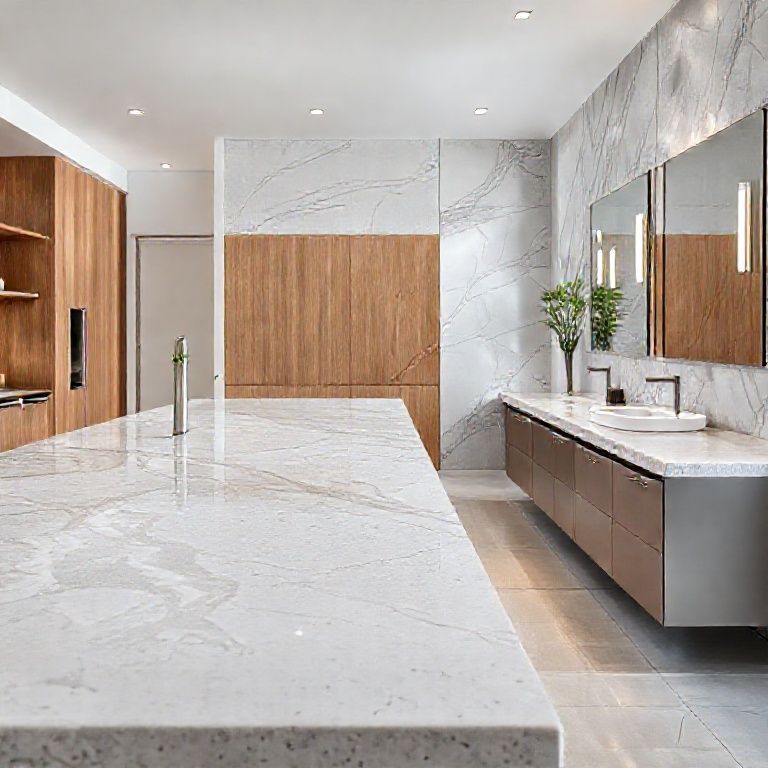
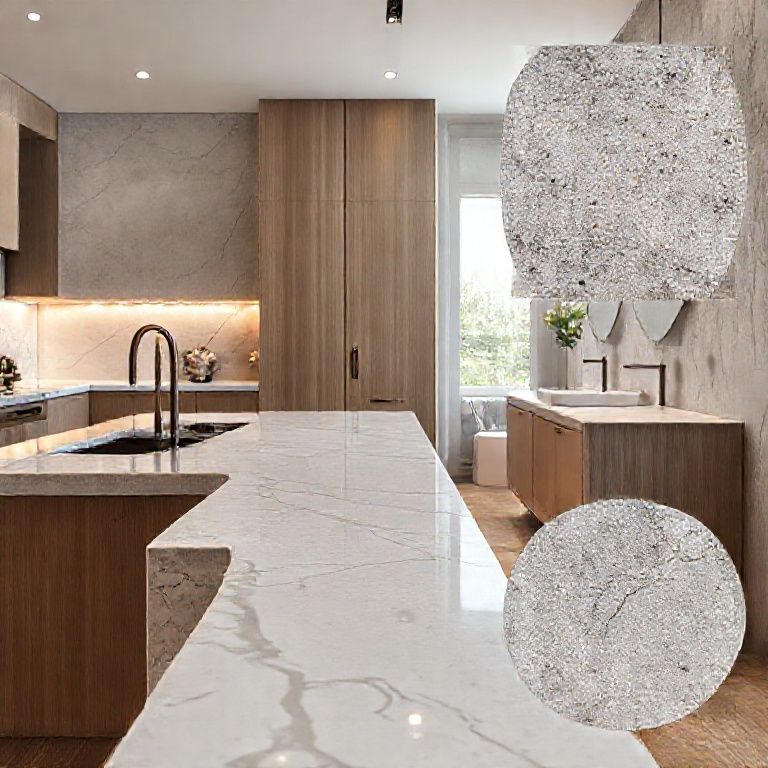
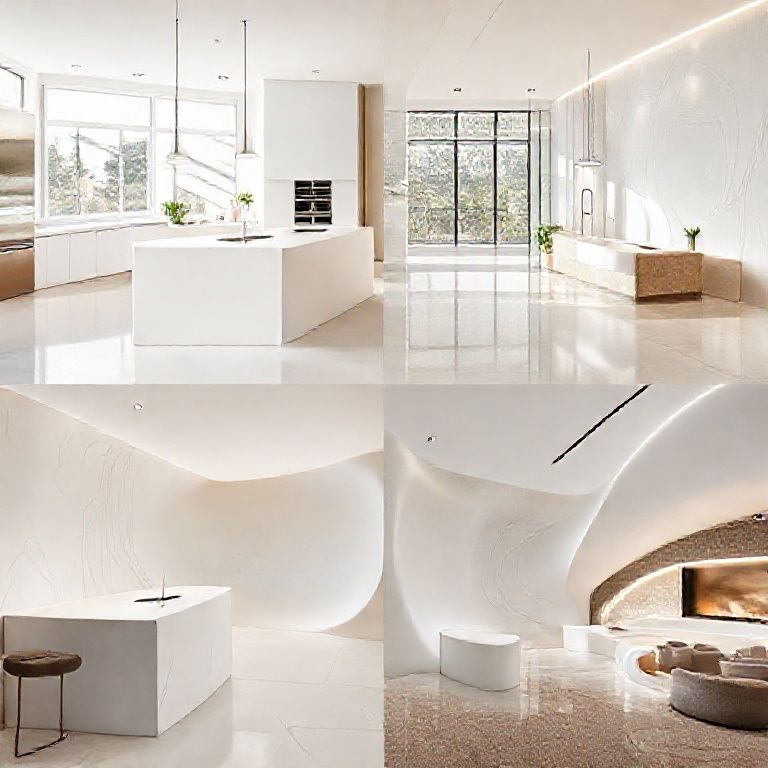
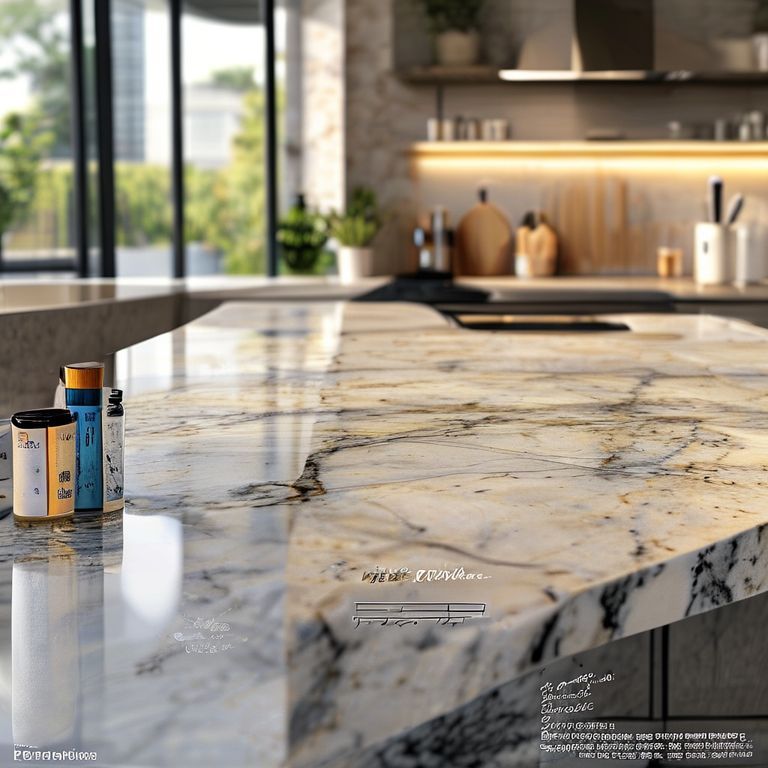
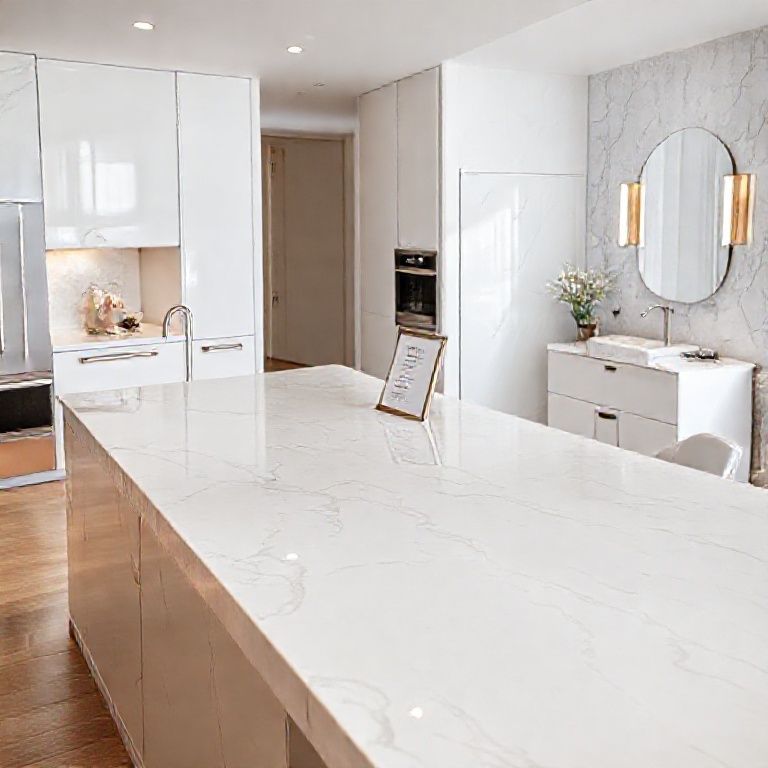
Quartz countertops are made from 93% pure quartz by weight, fused together with a binder using advanced technology. This material is engineered to mimic the look and feel of natural stone, like granite, but without the environmental and durability drawbacks. Quartz is renowned for its sleek, modern appearance, available in an array of colors and finishes that can seamlessly blend into any kitchen design.
Addressing Safety Concerns
One of the primary concerns about quartz countertops revolves around their safety and whether they are non-toxic. Here’s what you need to know:
Non-Toxic Nature: Unlike some other synthetic materials, quartz countertops are inherently non-toxic. The binder used in their production is typically a resin that does not emit harmful volatile organic compounds (VOCs). This makes them a safe choice for both the environment and your health.
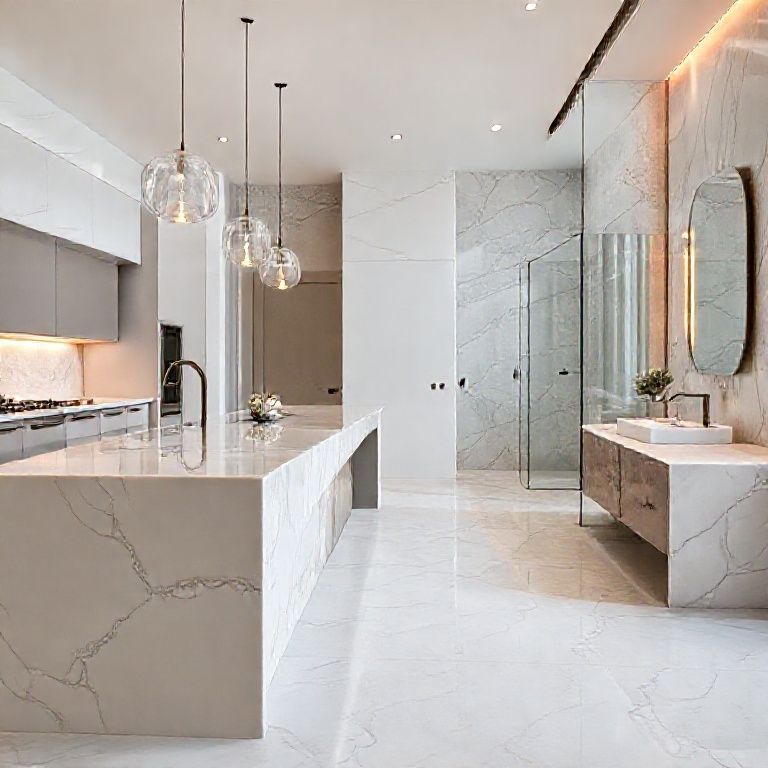
Durability and Maintenance: Quartz is highly resistant to stains, scratches, and heat. Unlike natural stone, it doesn’t require sealing to maintain its appearance and integrity. This durability ensures that quartz countertops will not leach any harmful chemicals into your food or drinking water, providing a safe and hygienic surface for food preparation.
Regulatory Compliance: Quartz countertops have undergone rigorous testing and comply with health and safety standards. They are certified by various international safety organizations, which further reassures their safety for kitchen use.
Benefits of Quartz Countertops
Quartz countertops offer a plethora of benefits that make them a top choice for kitchen cabinets:
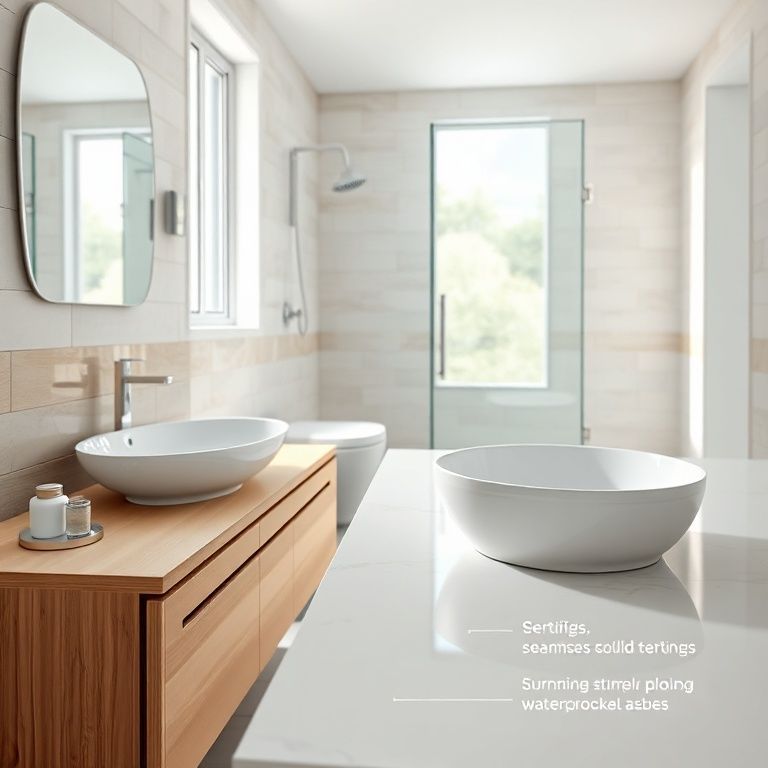
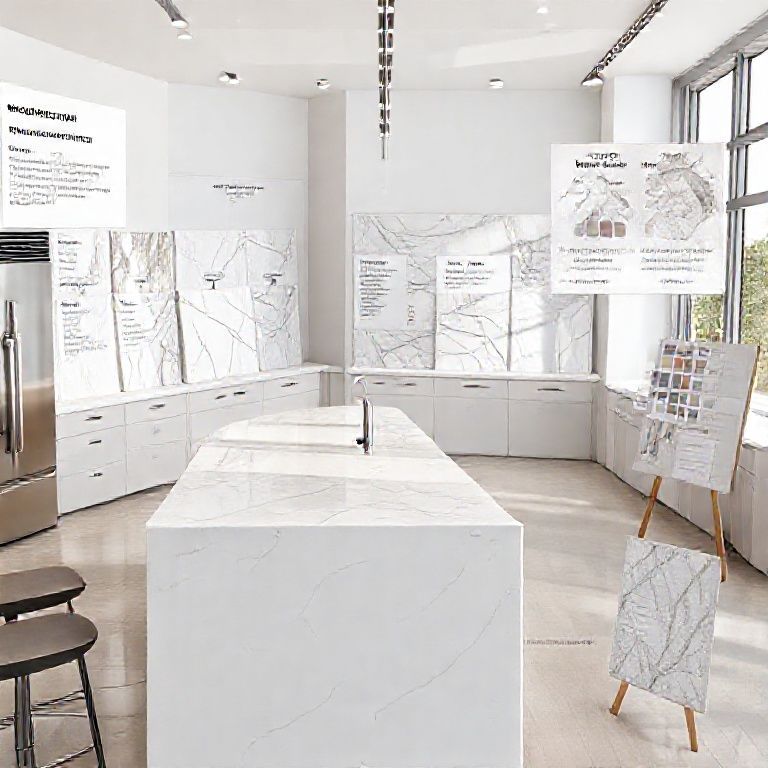
1. Aesthetic Versatility: Quartz comes in an almost limitless range of colors, patterns, and textures. This versatility allows for an exquisite level of customization, enabling you to achieve a design that matches your exact vision. Whether you prefer a sleek, minimalist look or a more intricate design, quartz can be tailored to suit your aesthetic preferences.
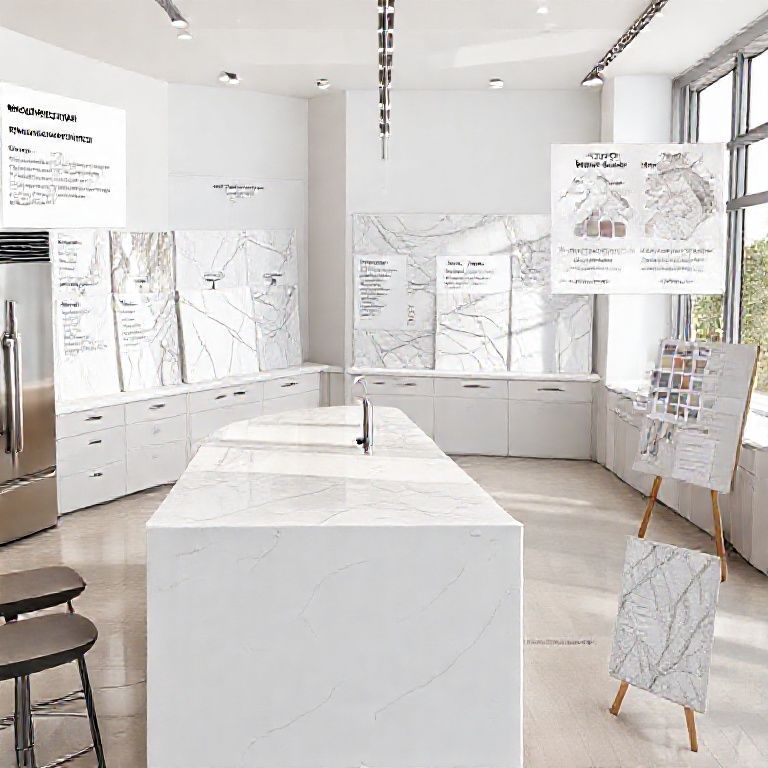
2. Durability and Low Maintenance: One of the standout features of quartz is its exceptional durability. It is incredibly resistant to scratches, stains, and heat. This means that quartz countertops can withstand the daily rigors of kitchen use without showing signs of wear and tear. Additionally, the absence of pores means there is no need for sealing, unlike natural stone, which reduces maintenance efforts significantly.
3. Cost-Effectiveness: While the initial cost of quartz countertops might be higher than some other materials, their long-term durability and low maintenance needs make them a cost-effective choice. You’ll save money on repairs and upkeep over time, as quartz doesn’t degrade or require frequent resealing.
4. Environmentally Friendly: Quartz countertops are manufactured using sustainable processes. The use of recycled quartz and less energy-intensive production methods makes them an eco-friendly choice. Additionally, since they don’t require additional sealants, there’s less waste produced during the maintenance process.
Conclusion
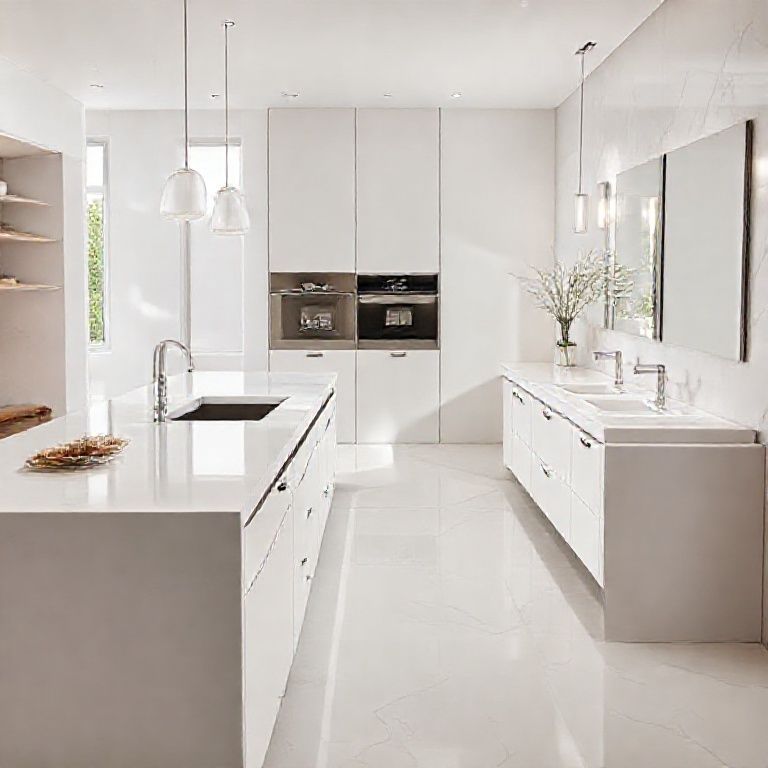
Quartz countertops are a safe, durable, and versatile option for kitchen cabinets. Their non-toxic nature, coupled with their impressive resistance to stains and scratches, makes them an excellent choice for anyone looking to enhance both the function and beauty of their kitchen. By choosing quartz, you’re opting for a material that stands the test of time, provides long-term value, and aligns with modern sustainability trends.
The Safety and Benefits of Using Quartz Countertops for Your Kitchen Cabinets
Continuing from the discussion on the safety and benefits of quartz countertops, let’s delve deeper into why they are a superior choice for kitchen cabinets and how they compare to other popular materials.
Detailed Comparison with Other Countertop Materials
1. Quartz vs. Granite
While granite is a popular choice for countertops, it has some inherent drawbacks compared to quartz. Granite is a natural stone that is beautiful but also porous, requiring regular sealing to prevent staining. This can lead to the absorption of liquids and oils, which may eventually seep into your food. In contrast, quartz is an engineered stone that is non-porous by design, eliminating the need for sealing and significantly reducing maintenance.
2. Quartz vs. Composite Stone
Composite stone, another synthetic option, is made from a combination of natural stone dust and resin. While it can mimic the look of natural stone, it often contains more resin and can release VOCs over time. Quartz, on the other hand, uses a lower percentage of resin and is designed to be more stable and long-lasting. The durability of quartz also surpasses that of composite stone, making it a more reliable choice.
3. Quartz vs. Stainless Steel
Stainless steel countertops are known for their durability and ease of cleaning. However, they are prone to scratches and dents, which can mar their appearance. Quartz, with its hardness and resistance to scratches, offers a more aesthetically pleasing and durable alternative. Additionally, stainless steel can be prone to staining, especially from acidic foods and drinks, which quartz countertops do not face.
Advantages of Quartz in Modern Kitchen Design
1. Aesthetic Appeal: Quartz countertops come in an array of textures, colors, and finishes, providing designers and homeowners with unparalleled flexibility. Whether you prefer a sleek, modern look or a more traditional design, quartz can be customized to fit your vision perfectly. This flexibility allows for creative expression and unique design possibilities.
2. Enhanced Durability: The hardness of quartz (rated 7 on the Mohs scale) makes it one of the hardest materials available for countertops. This hardness translates into superior resistance to scratches, dents, and impact, ensuring that your kitchen countertop remains pristine over the years. This durability also means fewer repairs and replacements, saving you money in the long run.
3. Easy Maintenance: One of the biggest advantages of quartz is its ease of maintenance. Unlike natural stone, which requires regular sealing to prevent staining, quartz does not need any special treatment. This simplicity means that cleaning your quartz countertop is as easy as wiping it down with a damp cloth and some mild soap. The non-porous nature of quartz also means that spills do not penetrate the surface, reducing the risk of stains.
4. Water and Heat Resistance: Quartz countertops are highly resistant to water and heat. This makes them ideal for kitchen use, where they are exposed to a variety of liquids and high temperatures on a daily basis. The ability to withstand extreme conditions without warping or deteriorating ensures that quartz countertops maintain their integrity and appearance.
Real-Life Applications and Case Studies
To further illustrate the advantages of quartz countertops, let’s look at some real-life applications and case studies:
1. High-End Restaurants: Many high-end restaurants opt for quartz countertops in their kitchens. These establishments require surfaces that can handle frequent use and high-pressure environments without showing signs of wear. Quartz’s durability and resistance to stains make it an ideal choice for these demanding settings.
2. Luxury Home Kitchens: In luxury homes, aesthetics and durability are paramount. Quartz countertops provide the perfect blend of beauty and functionality, allowing homeowners to enjoy a modern, seamless look without compromising on quality. The customizable nature of quartz also means that homeowners can achieve the exact look they desire.
3. Commercial Kitchens: Commercial kitchens, whether in schools, hospitals, or office buildings, benefit greatly from the durability and low maintenance of quartz countertops. These kitchens require surfaces that can withstand heavy use and frequent cleaning without degrading, which quartz delivers effectively.
Conclusion
In conclusion, quartz countertops offer a remarkable combination of safety, durability, and aesthetic flexibility that makes them an excellent choice for kitchen cabinets. They are non-toxic, resistant to stains and scratches, and require minimal maintenance. By choosing quartz, you’re investing in a countertop material that not only looks great but also stands the test of time, providing long-term value and peace of mind. Whether you’re renovating an existing kitchen or designing a new space, quartz countertops are a superior option that continues to redefine kitchen design standards.