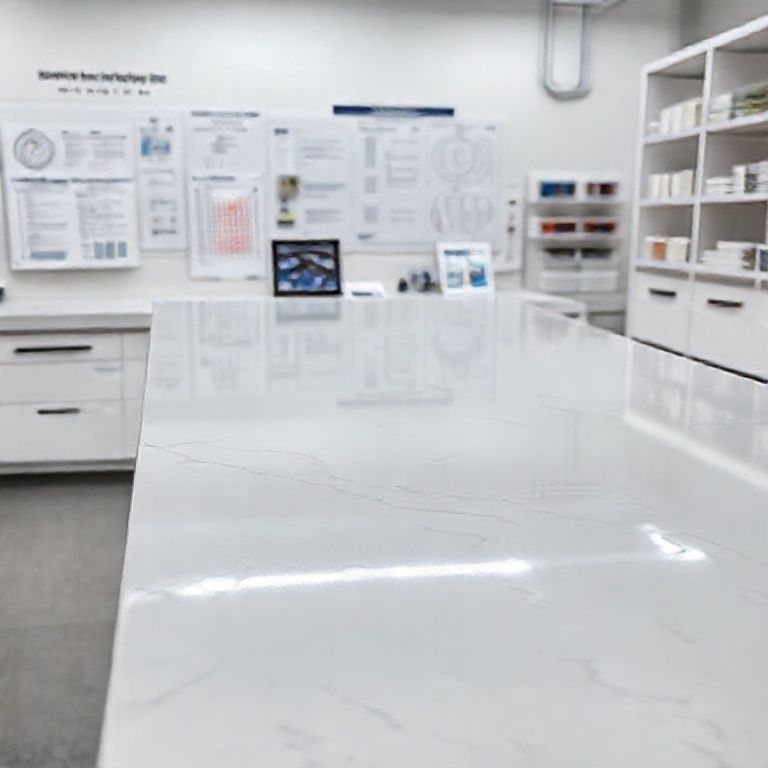
Understanding Synthetic Stone Countertops
Synthetic stone countertops have revolutionized the world of home design, offering a blend of durability, aesthetic appeal, and versatility. Made from a mixture of natural stone powder, resin, and other additives, these countertops mimic the appearance of traditional stone materials like granite while often providing superior longevity and maintenance-free benefits.

The Composition of Synthetic Stone
At the heart of synthetic stone countertops is a combination of natural stone powder—typically limestone, granite, or quartz—and a polymer resin that binds the stone particles together. Additives like pigments, colorants, and fillers are often incorporated to achieve the desired color and texture. This mixture is poured into molds and cured under specific conditions to produce the final countertop.
Advantages of Synthetic Stone Countertops
The benefits of synthetic stone countertops are numerous:
Durability: Synthetic stone is highly resistant to scratches, stains, and impact, making it an excellent choice for high-traffic areas like kitchens and dining rooms. Maintenance: Unlike natural stone, synthetic stone does not require sealing to prevent staining. It is also easy to clean with basic household cleaning products. Variety and Customization: The ability to mix various stone powders and colors allows for a virtually limitless array of designs and patterns, enabling homeowners to create unique and personalized surfaces. Cost-Effectiveness: Generally, synthetic stone countertops are more affordable than their natural stone counterparts.
Potential Health Concerns
Despite their many advantages, some people question whether synthetic stone countertops could pose health risks. The primary concern revolves around the potential release of harmful chemicals during manufacturing and the potential exposure to these chemicals over time.

Chemical Exposure and Health Risks
One of the main concerns with synthetic stone countertops is the release of volatile organic compounds (VOCs) during the manufacturing process. VOCs are chemicals that easily evaporate at room temperature and can include solvents, resins, and other additives used in the manufacturing process. Short-term exposure to high levels of VOCs can cause a range of symptoms, including:
Headaches Dizziness Irritation of the eyes, nose, and throat Respiratory issues
However, the manufacturing process for synthetic stone is carefully controlled to minimize the release of these compounds. Once installed in a home, the primary concern shifts to the potential leaching of chemicals from the countertop surface.
Non-Toxic Ingredients
Many manufacturers have addressed these concerns by using non-toxic ingredients and high-quality resins in their products. According to the manufacturers of quarx countertops, for example, their products are made with non-toxic materials that have been rigorously tested to ensure safety.

Regulatory Standards and Certifications
Several regulatory bodies and industry standards have been established to ensure the safety of synthetic stone countertops. The American National Standards Institute (ANSI) and the American Society for Testing and Materials (ASTM) provide guidelines for the manufacturing and testing of these materials. Many reputable brands undergo third-party testing to ensure compliance with these standards.
Conclusion
While there are potential concerns regarding the chemical composition of synthetic stone countertops, advancements in manufacturing and stringent regulatory standards have significantly mitigated these risks. By choosing high-quality, certified products from reputable manufacturers, homeowners can enjoy the aesthetic and practical benefits of synthetic stone without undue worry about health risks.
In the next part of this series, we will explore more specific health concerns and provide detailed information on how to choose and maintain synthetic stone countertops to ensure they remain safe and healthy for your home environment.

Long-Term Health Safety and Maintenance
As we continue our detailed exploration of synthetic stone countertops, it’s essential to address the long-term health implications and maintenance practices that ensure these countertops remain safe and hygienic for years to come.
Long-Term Health Safety
While synthetic stone countertops are generally considered safe, it’s crucial to understand the materials and potential risks fully. One of the primary concerns is the potential leaching of chemicals from the surface over time.
Chemical Leaching
Over time, synthetic stone countertops may release small amounts of the resin or additives used during manufacturing. However, reputable manufacturers use high-quality, non-toxic resins and undergo extensive testing to ensure minimal chemical leaching. It’s important to choose products from trusted brands that provide detailed information about their materials and safety certifications.
Microbial Growth
Another potential concern is the growth of bacteria or mold on the surface of synthetic stone countertops. Unlike natural stone, synthetic stone is less porous, which makes it less susceptible to microbial growth. However, it’s still important to maintain cleanliness to prevent any potential issues.
Proper Installation and Usage
Proper installation is crucial to ensure the longevity and safety of synthetic stone countertops. It’s recommended to:
Hire a professional installer to ensure that the countertop is correctly bonded to the cabinet and that the edges are properly sealed. Avoid using abrasive cleaners or cutting boards directly on the surface, as this can scratch the countertop and potentially expose underlying materials. Use cutting pads or boards when preparing food to prevent scratches and damage.
Maintenance Tips
Regular maintenance is key to ensuring that your synthetic stone countertops remain safe and hygienic. Here are some tips:
Cleaning: Use mild, non-abrasive cleaners to wipe down the surface. Avoid using bleach, ammonia, or other harsh chemicals, as these can damage the surface and potentially release harmful chemicals.
Spills and Stains: Address spills and stains promptly to prevent them from setting into the surface. Blot spills immediately with a clean, dry cloth and then wipe with a damp cloth.
Cut and Scrape Protection: Place cutting pads or mats on the countertop to protect it from scratches. This is particularly important for kitchens where food is frequently prepared.
Regular Inspections: Periodically inspect the countertop for any signs of damage, such as scratches or cracks, which could expose underlying materials and potentially increase the risk of chemical leaching.
Choosing Safe Synthetic Stone Countertops
When selecting synthetic stone countertops, it’s important to:
Research Brands: Look for brands that have a strong reputation for quality and safety. Brands like quarx offer a range of non-toxic, high-quality synthetic stone options. Check Certifications: Ensure that the product has been tested and certified by recognized organizations like ANSI or ASTM. Read Reviews: Customer reviews can provide valuable insights into the long-term performance and safety of a particular brand or product.
Regulatory Standards
Several regulatory standards help ensure the safety of synthetic stone countertops:
ANSI/NSF Standard 61: This standard outlines the performance criteria for materials used in drinking water systems. While not specific to countertops, it sets a high standard for material safety. ASTM D4750: This standard addresses the testing of composite materials used in countertops. It includes tests for chemical resistance, water absorption, and durability.
Conclusion
Synthetic stone countertops offer a fantastic blend of durability, aesthetic appeal, and ease of maintenance. While there are potential concerns regarding chemical exposure and microbial growth, advancements in manufacturing and stringent regulatory standards have significantly mitigated these risks. By choosing high-quality, certified products and maintaining them properly, you can enjoy the benefits of synthetic stone countertops while ensuring long-term health and safety for your home.
In summary, synthetic stone countertops can be a safe and healthy choice when selected and maintained correctly. By understanding the materials, following proper maintenance practices, and choosing reputable brands, you can enjoy the beauty and functionality of these countertops without concern.
This comprehensive two-part article provides a detailed and balanced perspective on the safety of synthetic stone countertops, ensuring you have all the information you need to make informed decisions for your home decor.