
Sure, I can help you with that! Here’s a soft article about DuPont™ Corian® solid surface adhesives, formatted as requested.

The allure of DuPont™ Corian® solid surface lies not just in its versatile palette and hygienic properties, but in its remarkable ability to create a virtually seamless, monolithic appearance. This transformative quality is the result of meticulous engineering and, crucially, the use of specialized adhesives designed to bond Corian® to itself, forming joints that are as strong as they are invisible. When you run your hand over a Corian® countertop, the lack of discernible seams is a testament to the science and artistry that goes into its fabrication. This isn’t magic; it’s the result of understanding and employing the correct bonding agents for this unique material.
Corian®, a brand of solid surface material developed by DuPont in the 1960s, is composed of acrylic polymer and alumina trihydrate (ATH). This composition gives it a unique set of properties: it’s non-porous, meaning it resists stains and bacterial growth, and it’s thermoformable, allowing it to be shaped into curves and intricate designs. However, the true magic of Corian® in many applications, particularly countertops, vanities, and integrated sinks, comes from its ability to be joined together with adhesives that effectively become part of the material itself. The goal is to achieve a bond so perfect that the seam is undetectable to both the eye and the touch. This is where the “杜邦可丽耐人造石使用胶水对照表” – the DuPont Corian solid surface adhesive comparison chart – becomes an invaluable resource for fabricators and designers.
At the heart of this seamless integration are specialized acrylic-based adhesives. These are not your everyday glues. They are formulated to chemically bond with the acrylic resin and mineral fillers that make up Corian®. When applied, these adhesives cure to become a solid mass that shares the same chemical composition and physical properties as the Corian® itself. This chemical fusion is what allows for the creation of invisible seams. Unlike other materials that might require mechanical fasteners or caulking, which can create visible lines and potential weak points, Corian® adhesives create a permanent, structurally sound bond.
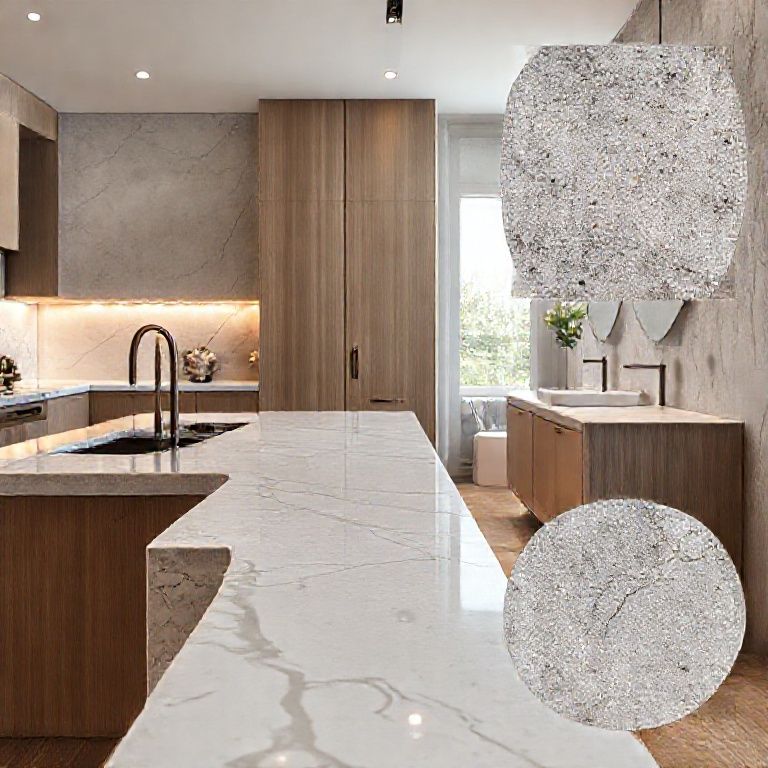
The choice of adhesive is paramount and often dictated by the specific color and finish of the Corian® being used, as well as the application. DuPont provides specific adhesive formulations, often color-matched to the vast array of Corian® colors. This color-matching is critical. While the goal is an invisible seam, the adhesive itself is often a solid color before it cures. If the adhesive isn’t precisely matched to the Corian® sheet, even a perfectly executed joint might reveal a subtle line or slight color variation under certain lighting conditions. Therefore, fabricators rely on detailed charts and manufacturer recommendations to select the appropriate adhesive for each project.
The application process is as precise as the material itself. The edges of the Corian® pieces to be joined are typically routed or cut to create a perfect fit, often with a slight bevel or specific profile to maximize the surface area for bonding. The adhesive is then applied, often dispensed through specialized equipment to ensure an even and controlled bead. Excess adhesive is carefully removed before it cures. The pieces are then clamped together under pressure, maintaining perfect alignment while the adhesive cures. The curing time can vary depending on the specific adhesive, temperature, and humidity, but once fully cured, the joint is as strong, if not stronger, than the surrounding material. This meticulous process ensures that the integrity and aesthetic of the Corian® surface are maintained, making it ideal for high-traffic areas where durability and visual appeal are equally important.
The “对照表” (comparison chart) serves as a crucial reference for understanding the nuances of these adhesives. It would typically list various Corian® colors or color families and cross-reference them with the recommended adhesive product codes. This isn’t just about aesthetics; certain formulations might offer slightly different curing times, viscosity, or strengths, making them more suitable for specific fabrication techniques or environmental conditions. For instance, a faster-curing adhesive might be preferred for high-volume production, while a slightly more flexible formulation might be used for applications involving significant thermal expansion or contraction.
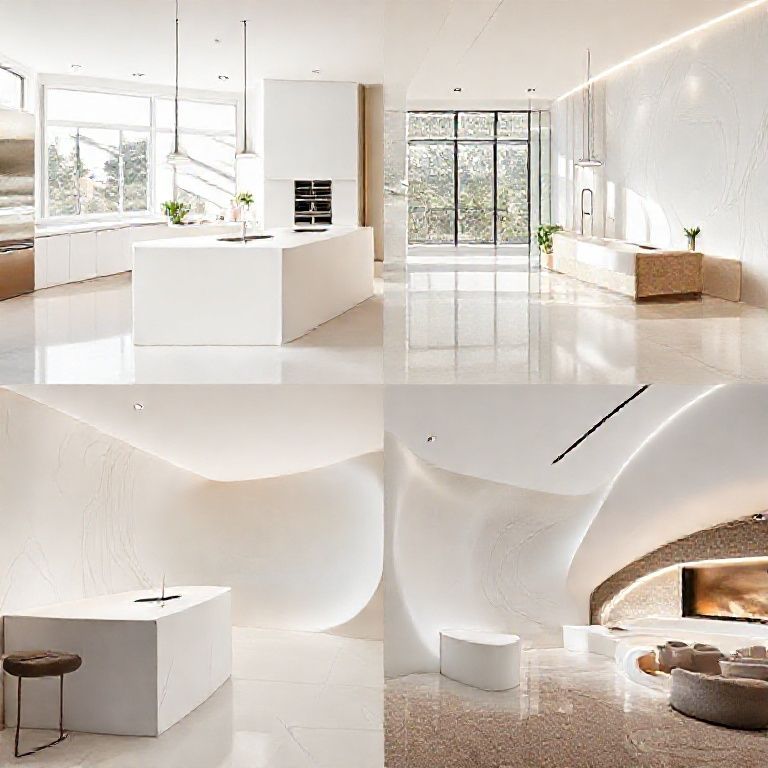
Beyond the initial installation, these specialized adhesives are also integral to the repair and maintenance of Corian® surfaces. Accidental chips, scratches, or even cracks can often be repaired seamlessly using the same or similar adhesive systems. The repair process involves carefully preparing the damaged area, filling it with a matched adhesive, and then shaping and finishing it to blend perfectly with the surrounding surface. This inherent repairability is one of the many reasons Corian® is a favored material for demanding environments. The ability to restore a surface to its original, pristine condition without leaving visible evidence of the damage is a significant advantage, prolonging the life and beauty of the installation. The detailed adhesive charts empower professionals to select the right product for these repairs, ensuring a flawless finish that maintains the material’s inherent elegance and functionality. The commitment to invisible, durable joints is a cornerstone of the Corian® experience, transforming functional surfaces into seamless works of art.
Continuing our exploration into the world of DuPont™ Corian® solid surface, the significance of the “杜邦可丽耐人造石使用胶水对照表” cannot be overstated when it comes to achieving those signature seamless installations. It’s more than just a list; it’s a roadmap to aesthetic perfection and structural integrity. The underlying principle is that the adhesive, when properly selected and applied, should vanish, leaving behind a continuous, unbroken surface that feels and looks like a single piece. This is a critical differentiator for Corian® compared to many other countertop materials where seams are an expected, and often unavoidable, visual element.
The adhesives used for Corian® are typically two-part acrylic-based systems. This means they come in two separate components that are mixed together just before application. This mixing initiates a chemical reaction that causes the adhesive to cure and harden. The advantage of this two-part system is that it allows for a controlled working time – often referred to as “pot life” – during which the adhesive can be applied and positioned before it begins to set. The precise ratio of mixing is crucial for optimal performance, and fabricators use specialized dispensing guns that ensure the correct proportions are delivered accurately.
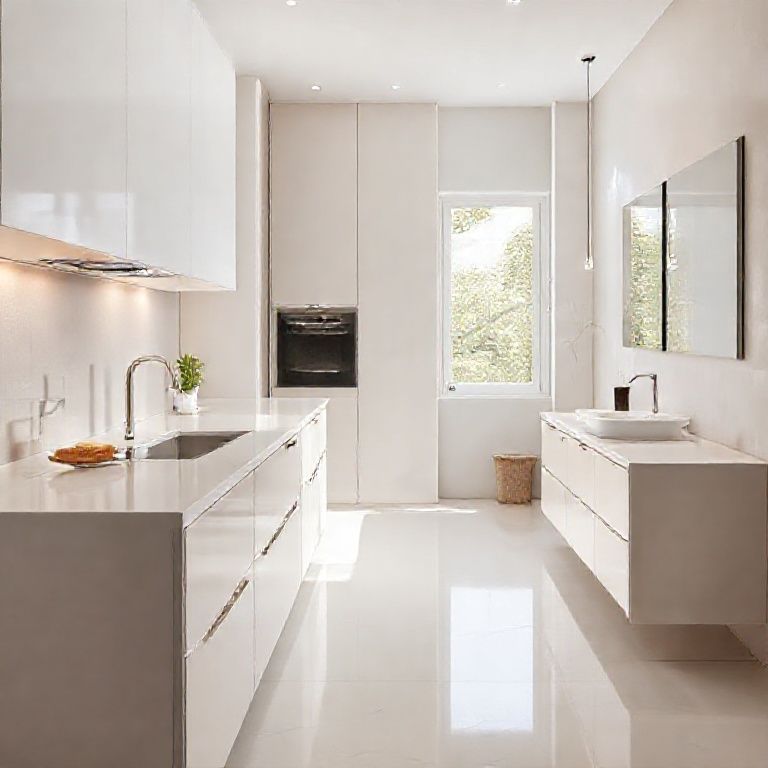
The “对照表” (comparison chart) often categorizes Corian® colors by their base hue or shade. For example, you might see groupings like “Whites and Off-Whites,” “Beiges and Earth Tones,” “Grays and Cool Tones,” “Bold Colors,” or “Patterns and Veined Series.” Each of these categories would then be linked to one or more specific adhesive product codes. This level of detail is necessary because even subtle variations in pigment and composition within the Corian® material can affect how well a particular adhesive blends in visually. An adhesive that works perfectly for a solid white Corian® might be slightly noticeable when used with a speckled or veined pattern if the color match isn’t exact. The goal is to achieve a visual transparency where the adhesive line is indistinguishable from the surrounding material.
Beyond the visual aspect, the mechanical properties of the cured adhesive are equally important. The adhesive must be able to withstand the stresses and strains that a countertop or vanity top might endure. This includes thermal expansion and contraction due to temperature changes, the impact of dropped objects, and the constant use of kitchen and bathroom surfaces. The acrylic-based adhesives used with Corian® are designed to have a similar coefficient of thermal expansion to the solid surface itself. This means that as the Corian® expands or contracts, the adhesive bond also expands or contracts at a comparable rate, preventing stress buildup at the joint that could lead to cracking or separation over time. This chemical and physical compatibility is what ensures the long-term durability and reliability of Corian® installations.
The “对照表” can also provide guidance on application techniques and potential limitations. For instance, some adhesives might be formulated for specific joint types, such as butt joints (where edges are joined end-to-end) or scarf joints (where edges are cut at an angle to create a longer, stronger bond). The chart might also indicate the optimal temperature and humidity ranges for application to ensure proper curing. Understanding these parameters is vital for fabricators to guarantee a flawless finish and a robust, long-lasting installation.
The advent of advanced digital color-matching technology has further refined the process. While traditional charts relied on visual groupings, modern systems can analyze the precise color composition of a Corian® sheet and recommend an adhesive with an exceptionally close match. However, the principle remains the same: meticulous attention to detail in selecting the right bonding agent. This commitment to perfection is what allows Corian® to be used in a wide range of applications, from residential kitchens and bathrooms to demanding commercial settings like hospitals, laboratories, and high-end retail environments, where hygiene, durability, and a premium aesthetic are paramount.
Furthermore, the repair aspect highlighted earlier is worth reiterating. If a scratch is too deep to buff out or a small chip occurs, a skilled fabricator can use a carefully selected and color-matched adhesive to fill the void. This isn’t just about filling a hole; it’s about recreating the seamless illusion. The adhesive is often applied in layers, and once cured, it is meticulously sanded and polished to match the original surface finish. The “对照表” acts as a critical reference for selecting the correct adhesive for these repairs, ensuring that the fix is virtually invisible and that the repaired area is as durable and hygienic as the original surface. This inherent repairability is a significant selling point for Corian® and contributes to its long-term value and sustainability. In essence, the specialized adhesives, guided by detailed comparison charts, are the unsung heroes behind the seamless beauty and enduring performance of DuPont™ Corian® solid surface. They enable the transformation of raw material into elegant, functional, and remarkably unified spaces.









