
In the realm of modern interior design, where the pursuit of seamless aesthetics and elevated functionality is paramount, the solid surface integrated basin has emerged as a star player. Gone are the days when a separate sink, often clunky and prone to grout lines, dominated the bathroom vanity. Today, designers and homeowners alike are drawn to the sophisticated, flowing lines that a solid surface integrated basin offers. This design choice isn’t merely about a trend; it’s a commitment to a cleaner, more elegant, and often more hygienic bathroom environment.

At its core, a solid surface integrated basin is crafted from a composite material, typically a blend of acrylic polymers and mineral fillers. This unique composition allows the material to be thermoformed, meaning it can be heated and molded into virtually any shape imaginable. When this material is used for a basin, it’s fused directly into the countertop, creating a single, unbroken surface. This fusion is where much of its allure lies. The absence of visible seams between the countertop and the basin means there are no crevices for dirt, grime, or mold to accumulate. This is a significant advantage for anyone who has ever battled stubborn soap scum or mildew in the nooks and crannies of traditional sink installations. The smooth, continuous surface is a dream for cleaning, requiring only a simple wipe-down to maintain its pristine appearance.
Beyond its hygienic benefits, the aesthetic appeal of solid surface integrated basins is undeniable. They lend an air of understated luxury and modernity to any bathroom. The material itself can be produced in a vast array of colors and patterns, allowing for incredible design flexibility. Whether you envision a sleek, minimalist white oasis, a dramatic, dark charcoal statement piece, or something in between, solid surface can accommodate your vision. The matte or subtle gloss finishes further enhance the sophisticated feel, avoiding the sometimes-harsh reflectivity of other materials. The seamless transition from countertop to basin also creates a sense of spaciousness, making even smaller bathrooms feel more expansive and open. It’s a design choice that speaks of attention to detail and a refined sense of style.
Durability is another key advantage of solid surface materials. While not impervious to damage, it is remarkably resilient to stains, impacts, and even extreme temperature changes. Unlike some natural stones that can be porous and prone to staining from common bathroom products like toothpaste or hair dye, solid surface is non-porous. This means spills are less likely to penetrate the material and leave permanent marks. For busy households, this resistance to everyday wear and tear is a significant benefit, ensuring the basin maintains its attractive appearance for years to come. Furthermore, solid surface is generally resistant to chipping and cracking, though severe impact can, of course, cause damage.
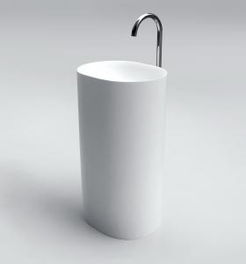
The repairability of solid surface is often cited as a major advantage, and for good reason. While it’s not as simple as fixing a ceramic sink, minor scratches, chips, or even small gouges can often be sanded out or repaired by a professional, restoring the surface to its original condition. This means that a minor accident doesn’t necessarily spell the end of your beautiful basin. The ability to repair and refinish the material extends its lifespan and can save significant costs associated with full replacement in the long run. For those who appreciate longevity and the ability to maintain their fixtures, this inherent repairability is a compelling feature.
The integration of the basin into the countertop also offers design freedom for custom configurations. Imagine a wide, shallow basin that stretches across a significant portion of the vanity, or a uniquely shaped basin that complements a specific design theme. Solid surface allows for these bespoke solutions, moving beyond the limitations of standard, pre-fabricated sink units. This customization potential is particularly appealing for architects and interior designers who are tasked with creating unique and personalized spaces. It empowers them to push creative boundaries and craft bathrooms that are truly one-of-a-kind.
The installation process for a solid surface integrated basin is also worth noting. Because the basin and countertop are essentially one piece, the installation is typically more straightforward than fitting a separate sink into a pre-cut hole. This can translate to reduced labor costs and a quicker renovation timeline. The seamless nature of the unit means there are no complex sealing or caulking procedures required at the point of integration, further simplifying the installation.
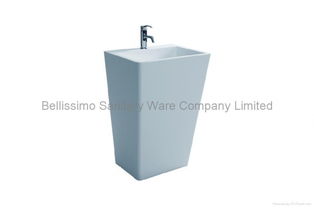
In summary, the advantages of solid surface integrated basins are numerous and compelling. They offer a trifecta of seamless aesthetics, superior hygiene, and robust durability. Their ability to be custom-shaped and their inherent repairability add further layers of value for discerning homeowners and designers. As we move into the second part of this exploration, we’ll delve into the potential downsides and considerations, providing a balanced perspective on this increasingly popular bathroom fixture.
While the allure of seamless beauty, exceptional hygiene, and enduring durability makes solid surface integrated basins a highly desirable choice, it’s important to approach their selection with a comprehensive understanding of their potential drawbacks. No material is perfect, and acknowledging these considerations will allow for a more informed decision that aligns with your specific needs, budget, and lifestyle.
One of the primary concerns that often arises with solid surface integrated basins is their cost. Generally speaking, solid surface is a premium material, and integrated basins, due to the specialized manufacturing processes and customizability, tend to be more expensive than their ceramic or porcelain counterparts. The initial investment can be significantly higher, which might be a barrier for those working with a tighter renovation budget. This higher price point reflects the advanced technology used in their creation, the skilled labor involved, and the material’s inherent quality and longevity. However, it’s worth weighing this upfront cost against the potential long-term savings in terms of durability, ease of maintenance, and the reduced likelihood of needing premature replacement.

Another aspect to consider is the repair process. While we’ve highlighted the repairability of solid surface as a positive, it’s not always a simple DIY fix. For significant scratches, chips, or burns, professional intervention is usually required. This means you might need to budget for professional repairs if damage occurs. Furthermore, finding a qualified technician who specializes in solid surface repair can sometimes be challenging, depending on your location. While minor imperfections can often be buffed out with a fine-grit sandpaper, more substantial damage requires specialized tools and expertise to ensure a seamless blend and an invisible repair. It’s also important to note that if the basin has been colored, matching the exact shade for a repair can be tricky, and a slight color variation might be noticeable, especially under certain lighting conditions.
Heat sensitivity can also be a concern, though often overstated. While solid surface is relatively heat-resistant, prolonged exposure to very high temperatures can cause discoloration or even warping. This means it’s advisable to avoid placing extremely hot items directly onto the basin surface, such as curling irons or pots and pans straight from a stove. Using a trivet or mat is a good practice to protect the material. This is generally not an issue in typical bathroom use, but it’s a factor to keep in mind, especially if you have a multi-functional bathroom or are considering its use in a commercial setting.
While solid surface is incredibly durable, it is not scratch-proof. Aggressive cleaning with abrasive materials or dropping sharp objects can lead to scratches. While these can often be repaired, preventing them in the first place is always the best approach. Understanding the material’s limitations and adopting careful usage habits can help maintain its pristine appearance. This means avoiding steel wool or harsh scouring pads for cleaning and being mindful of what you place in and around the basin.
The aesthetic of a solid surface integrated basin, while generally considered timeless, might not appeal to everyone. For those who prefer the traditional look and feel of natural stone, or the classic charm of porcelain, solid surface might feel too modern or manufactured. Its seamless nature, which is a key selling point for many, can also be perceived by some as lacking the unique character and variations found in materials like marble or granite. The uniformity of color and pattern, while offering design consistency, can sometimes be seen as less organic.
Finally, the environmental impact of solid surface production should be a consideration for the eco-conscious consumer. While the materials used are often abundant, the manufacturing process can be energy-intensive, and the acrylic polymers are petroleum-based. However, many manufacturers are increasingly focusing on sustainable production practices and offering products with recycled content. Researching the specific brand and its environmental certifications can help in making a more informed and sustainable choice.
In conclusion, solid surface integrated basins represent a sophisticated and highly functional option for modern bathrooms. Their seamless design, hygienic properties, and customizable aesthetics are undeniable advantages. However, potential buyers should carefully consider the higher initial cost, the potential need for professional repairs, heat and scratch sensitivity, and whether the material’s modern aesthetic aligns with their personal style and environmental considerations. By weighing these pros and cons, you can confidently determine if a solid surface integrated basin is the perfect fit for your dream bathroom.









