
The Allure of Integration – Unveiling the Integrated Basin
Imagine a bathroom or kitchen where every element flows with effortless grace, where the transition from countertop to basin is so smooth, so utterly seamless, it feels like a single, sculpted form. This is the magic of the integrated basin, a design choice that whispers of modern elegance and sophisticated simplicity. Unlike traditional sinks that sit atop or are recessed into a countertop, an integrated basin is, quite literally, one with its supporting surface. It’s a design philosophy that prioritizes a clean, uncluttered aesthetic, offering a visual continuity that can dramatically elevate the look and feel of any space.

The very essence of an integrated basin lies in its construction. Typically crafted from the same material as the countertop – be it solid surface acrylic, quartz, or even specially formulated composites – the basin and counter are fused together, creating a unified, monolithic surface. This fusion eliminates the dreaded caulk lines and grout gaps that plague conventional sink installations. For those who crave a minimalist, spa-like ambiance in their bathroom or a sleek, ultra-modern look in their kitchen, the integrated basin presents an almost irresistible proposition.
One of the most compelling arguments for choosing an integrated basin is its unparalleled ease of cleaning. Think about the persistent battle against grime and mildew that can accumulate in the nooks and crannies around a traditional sink. With an integrated basin, that battle is largely over. The smooth, unbroken surface means you can wipe down your entire vanity or countertop area with a single sweep of a cloth, banishing dirt and water spots with minimal effort. There are no edges to trap crumbs, no seams to harbor bacteria, just a pristine expanse that invites a quick and thorough clean. This is a significant advantage, particularly in busy households or kitchens where hygiene is paramount.
Beyond the practical benefits, the aesthetic impact of an integrated basin cannot be overstated. It lends an air of sophisticated luxury, transforming a functional area into a statement piece. The continuous flow of material creates a sense of spaciousness and openness, making even smaller bathrooms feel more expansive. Whether you opt for a crisp white, a subtle neutral, or a bold, dramatic hue, the integrated basin allows the material itself to take center stage, contributing to a cohesive and high-end design. In bathrooms, it can evoke the tranquility of a high-end spa, while in kitchens, it can project an image of culinary precision and contemporary style.
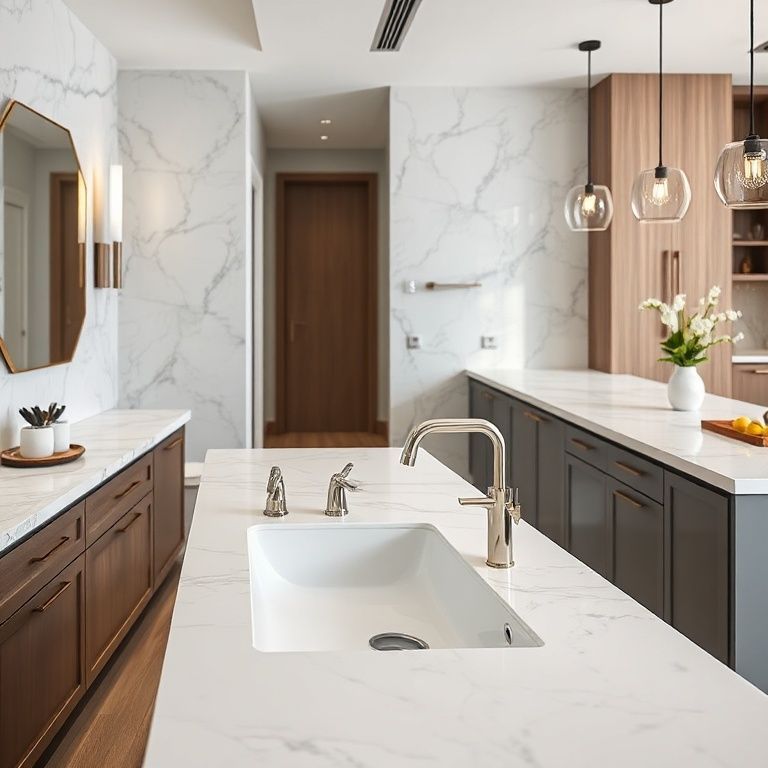
However, like any design decision, the integrated basin isn’t without its considerations. One of the primary factors to weigh is the cost. Generally, integrated basins tend to be more expensive than their undermount counterparts. This is due to the specialized manufacturing processes involved in fusing the basin and countertop, often requiring skilled craftsmanship and advanced techniques. The cost of the material itself can also play a role, with premium solid surface materials often being the preferred choice for integrated designs. If budget is a significant concern, this is certainly something to keep in mind.
Another aspect to consider is the repairability. While incredibly durable, if an integrated basin does sustain damage – a deep scratch, a chip, or a significant crack – repairing it can be more complex and costly than fixing a separate sink. Because the basin and countertop are one, a repair might involve resurfacing the entire unit, which can be a specialized process. This is less of an issue with undermount sinks, where the sink itself can often be replaced independently of the countertop.
Furthermore, the choice of material for an integrated basin is crucial. Solid surface materials like Corian or similar acrylic-based composites are popular for their seamless nature and thermoformability, allowing for curved and organic shapes. However, some of these materials can be susceptible to scratching and staining if not properly cared for. Quartz, another popular option, offers excellent durability and stain resistance, but its rigidity means integrated basins in quartz are typically more straightforward in their design, often with sharper, more angular lines. The specific properties of the chosen material will directly impact the basin’s performance, longevity, and the level of maintenance required.

The installation of an integrated basin also requires a skilled hand. Ensuring a perfect, watertight fusion between the basin and countertop is paramount. While the result is seamless, the process itself is more intricate than simply dropping an undermount sink into place. This means you’ll likely need to factor in the cost of professional installation to ensure the integrity and longevity of your integrated basin.
Despite these considerations, the allure of the integrated basin remains strong for many. Its ability to create a unified, sophisticated, and exceptionally easy-to-clean surface makes it a compelling choice for those who prioritize a modern, minimalist aesthetic and a touch of everyday luxury. It’s a design element that speaks volumes about attention to detail and a commitment to creating a truly cohesive and elegant living space. The dream of a bathroom or kitchen that feels effortlessly clean and visually stunning often finds its realization in the seamless embrace of the integrated basin.
The Undermount Advantage – Flexibility and Functionality
While the integrated basin offers a vision of pure, unbroken flow, the undermount sink presents a compelling alternative, championing practicality, flexibility, and a distinct kind of modern elegance. Unlike its integrated cousin, the undermount sink is installed beneath the countertop, creating a clean, uninterrupted countertop surface that appears to float above the basin. This installation method offers a unique set of advantages that appeal to a wide range of homeowners seeking both form and function in their kitchen and bathroom design.

The primary draw of the undermount sink is its clean aesthetic and the ease of cleaning it facilitates. Much like the integrated basin, the undermount design eliminates the lip or rim that sits on top of the countertop in a traditional drop-in sink. This means that when you wipe down your countertop, any spills or debris can be swept directly into the sink without encountering any obstructions. No more struggling to get a damp cloth into the tight space between the sink rim and the countertop – a simple, fluid motion is all it takes to clear the surface. This “sweeping” action into the sink is a significant benefit for anyone who values efficiency and a spotless finish in their food preparation or grooming areas.
Beyond the cleaning convenience, the undermount installation offers a sophisticated visual appeal. It creates a sleek, streamlined look that complements a variety of design styles, from contemporary minimalist to more traditional settings. The visual weight is shifted downwards, giving the countertop a sense of lightness and airiness. This can be particularly effective in smaller spaces, where a lighter visual profile can make the area feel more open and less cluttered. When paired with beautiful countertop materials like granite, marble, or quartz, the undermount sink allows the countertop itself to be the star, with the sink acting as a refined, integrated component rather than a dominant feature.
One of the most significant practical advantages of an undermount sink is its versatility in terms of material and design. Undermount sinks are available in a vast array of materials, including stainless steel, cast iron, fireclay, composite granite, and even copper. This wide selection allows homeowners to choose a sink that not only complements their countertop but also matches their aesthetic preferences and functional needs. For instance, a deep stainless steel undermount sink is a workhorse in the kitchen, capable of handling large pots and pans, while a fireclay undermount sink can add a touch of rustic charm to a farmhouse-style kitchen or a classic elegance to a bathroom vanity.
The availability of different bowl configurations is another key benefit of undermount sinks. You can opt for a single large basin, a double bowl with one side larger than the other, or even a precise split for dedicated tasks like washing and rinsing. This flexibility in configuration allows you to tailor the sink to your specific usage patterns, maximizing efficiency and convenience in your daily routines. This is particularly important in kitchens, where the layout and functionality of the sink can significantly impact workflow.
Furthermore, undermount sinks offer a distinct advantage in terms of repair and replacement. If an undermount sink becomes damaged or if you simply decide to update its look, it can often be replaced independently of the countertop. This is a considerable benefit when compared to integrated basins, where a damaged basin might necessitate a more extensive and costly countertop replacement. The ability to swap out an undermount sink without disrupting the entire countertop structure provides greater long-term flexibility and peace of mind.
The installation of an undermount sink, while requiring skill to ensure a watertight seal, is generally less complex and potentially more cost-effective than the specialized fusion process required for integrated basins. Professional plumbers and fabricators are well-versed in undermount installations, ensuring a secure and aesthetically pleasing finish.
However, it’s important to acknowledge that the undermount design does have some minor drawbacks. While cleaning is easier than with a top-mount sink, there’s still a slight lip where the countertop meets the basin’s edge. While minimal, this area can, over time, accumulate some residue, requiring occasional attention with a cleaning brush or detail tool. Also, the choice of countertop material is a critical factor. Not all countertop materials are suitable for undermount installations. For instance, laminate countertops are generally not recommended for undermount sinks due to their susceptibility to water damage at the exposed edge. Solid surface materials, quartz, granite, and marble are typically excellent choices for undermount sinks, offering the necessary support and durability.
The depth of undermount sinks can also be a consideration. While many deep-bowl options are available, it’s always wise to check the clearance between the bottom of the sink and any drawers or plumbing directly beneath it, especially in vanities with limited space.
In conclusion, the undermount sink offers a compelling blend of sophisticated style and practical functionality. Its ability to create a seamless transition from countertop to basin, its wide range of material and configuration options, and its relative ease of maintenance and replacement make it a highly adaptable and popular choice for both kitchens and bathrooms. It’s a solution that empowers homeowners to create beautiful, efficient, and enduring spaces that truly meet their needs. While the integrated basin offers the ultimate in seamless design, the undermount sink provides a versatile, user-friendly, and aesthetically pleasing pathway to a beautifully designed and highly functional living environment.









