
The Seamless Sink Showdown: Corian vs. Sintered Stone for Your Dream Countertop
In the ever-evolving landscape of interior design, the kitchen and bathroom have transitioned from purely functional spaces to veritable showcases of personal style and technological advancement. Central to this evolution is the integrated sink – a design element that speaks volumes about a homeowner’s desire for fluidity, hygiene, and understated elegance. No longer are we confined to the jarring juxtaposition of a separate sink basin clashing with the countertop. Instead, designers and homeowners alike are embracing the seamless integration, where the sink appears to flow organically from the countertop itself. Two materials have emerged as frontrunners in this sophisticated arena: Corian, a long-standing champion of the solid surface world, and sintered stone, a relative newcomer that has rapidly captured the industry’s attention.

The question of “可丽耐和岩板热弯一体盆哪个好” – which is better, Corian or sintered stone for a heat-bent integrated sink – is a pertinent one for anyone embarking on a renovation or building project. It’s a decision that impacts not only the visual appeal of your space but also its long-term performance and ease of maintenance. Let’s embark on a journey to unravel the nuances of each material, delving into their unique properties, manufacturing processes, and ultimately, their suitability for creating those coveted seamless sink experiences.
Corian, a brand name synonymous with solid surface materials, has been gracing homes and commercial spaces for decades. Developed by DuPont in the late 1960s, Corian is an engineered composite material made from acrylic polymer and alumina trihydrate (ATH). This unique composition lends it a remarkable set of characteristics. One of its most celebrated attributes is its non-porous nature. This means that liquids, stains, and bacteria have nowhere to hide, making it incredibly hygienic and easy to clean. For integrated sinks, this non-porosity is a game-changer. Unlike natural stone or other porous materials, Corian is less susceptible to staining from common kitchen culprits like red wine, coffee, or tomato sauce. Spills can simply be wiped away, leaving no trace.
The true magic of Corian, however, lies in its thermoformability. This is where the “heat-bent” aspect of the original query comes into play. Corian can be heated to a pliable state, allowing it to be molded and shaped into virtually any form imaginable. This exceptional pliability is what makes it a perfect candidate for creating seamless, integrated sinks. A Corian countertop can be fabricated with a sink basin that is seamlessly joined to the countertop material, often appearing as if it were sculpted from a single piece. The seams are either invisible or can be expertly blended, creating a smooth, unbroken surface. This not only enhances the aesthetic appeal by providing a sleek, modern look but also significantly improves hygiene by eliminating grout lines or difficult-to-clean crevices where dirt and grime can accumulate. For those who value a minimalist and sophisticated design, a Corian integrated sink offers an unparalleled level of integration.

Furthermore, Corian is known for its repairability. Minor scratches or chips can often be buffed out or repaired by a skilled fabricator, restoring the surface to its original glory. This longevity and ease of maintenance have cemented Corian’s reputation as a durable and practical choice for high-traffic areas like kitchens and bathrooms. The color palette available for Corian is also vast, ranging from classic whites and subtle neutrals to bold patterns and vibrant hues, allowing for incredible customization to match any design scheme.
Now, let’s turn our attention to the increasingly popular contender: sintered stone. Often referred to by brand names like Dekton, Neolith, or Lapitec, sintered stone is an ultra-compact, engineered material that has taken the design world by storm. Its creation involves a highly advanced process that mimics and accelerates the natural geological process of creating metamorphic rock. Raw materials, primarily natural minerals like feldspar, quartz, and silica, are subjected to immense pressure and heat. This sintering process fuses the particles together at a molecular level, creating an incredibly dense and durable slab.
The result is a material that boasts an extraordinary array of properties. Sintered stone is exceptionally hard and dense, making it highly resistant to scratches, abrasion, and impact. It is also impervious to UV rays, meaning its color and pattern will not fade over time, even when exposed to direct sunlight. Perhaps most impressively, sintered stone exhibits unparalleled resistance to heat, chemicals, and staining. Spills, even from harsh substances like bleach or oven cleaner, can be wiped away without leaving a mark. Its ability to withstand extreme temperatures means that hot pots and pans can often be placed directly onto the surface without fear of damage – a significant advantage in busy kitchens.
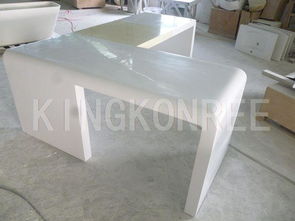
When it comes to integrated sinks, sintered stone offers a compelling alternative to Corian. The manufacturing process for sintered stone allows for the creation of large format slabs with consistent patterns and colors. While not as inherently pliable as Corian in the traditional sense of “heat bending” into complex curves, advanced fabrication techniques allow for the creation of integrated sink basins. These sinks are often fabricated separately from the same sintered stone slab and then expertly bonded to the countertop. The bonding process is crucial, and when executed by skilled professionals, the resulting seam can be incredibly discreet, achieving a near-seamless appearance. Some manufacturers even offer pre-fabricated sintered stone sinks designed to integrate perfectly with their countertop slabs.
The aesthetic appeal of sintered stone is also a major draw. It can perfectly mimic the look of natural materials like marble, granite, or concrete, but without the inherent porosity or maintenance requirements of those materials. This allows designers to achieve the luxurious look of natural stone with the superior performance of an engineered product. The range of finishes available is extensive, from highly polished to matte, brushed, and even textured surfaces, offering a sophisticated and contemporary feel.
So, we have two titans in the realm of integrated sinks: Corian, with its inherent thermoformability and long-standing reputation for seamless integration and repairability, and sintered stone, a modern marvel of durability, heat resistance, and stunning aesthetic replication. The “better” choice hinges on a deeper understanding of how each material performs in the context of a heat-bent integrated sink and what your priorities are for your living space.

Continuing our exploration into the “可丽耐和岩板热弯一体盆哪个好” – the superior choice between Corian and sintered stone for heat-bent integrated sinks – we now pivot to a more granular examination of their practical implications. While both materials offer the coveted seamless sink experience, the nuances of their fabrication, performance, and long-term value present distinct advantages and considerations.
The term “heat-bent” in the context of integrated sinks is where Corian truly shines. As a solid surface material, Corian’s inherent acrylic composition allows it to be heated and molded into curved and complex shapes with relative ease. This means that a Corian sink basin can be seamlessly integrated into a countertop, creating a smooth, flowing transition without any visible joints or adhesives. The entire sink and countertop unit can essentially be sculpted from a single, continuous piece of material. This process results in an exceptionally hygienic surface, as there are no cracks or crevices for bacteria or dirt to accumulate. Cleaning becomes a simple wipe-down, making it ideal for busy households and those who prioritize a pristine environment.
The repairability of Corian is another significant advantage, especially concerning integrated sinks. Accidents happen, and a dropped heavy pot or a sharp object could potentially cause damage. With Corian, minor scratches, chips, or even deeper gouges can often be repaired by sanding and polishing the affected area. In many cases, a professional fabricator can restore the surface to look as good as new, without the need for a complete replacement. This makes Corian a robust and forgiving material for kitchens and bathrooms, where wear and tear are inevitable. The vast array of colors and patterns available for Corian also offers a high degree of personalization, allowing homeowners to achieve a specific aesthetic, from a pure, minimalist white to more complex veined or speckled designs.
However, Corian does have certain limitations. While it is durable, it is not as hard as sintered stone. This means it can be more susceptible to scratching from abrasive materials or sharp knives. It also has a lower heat resistance compared to sintered stone. While it can withstand typical kitchen temperatures, placing extremely hot items directly onto the surface for prolonged periods is not recommended and can lead to discoloration or damage. For integrated sinks, this means being mindful of placing scorching hot pots or pans directly from the stovetop into the sink without a protective mat.
Sintered stone, on the other hand, presents a different kind of seamless integration. While it cannot be “heat-bent” in the same malleable way as Corian, advancements in fabrication technology allow for the creation of integrated sinks that are virtually indistinguishable from the countertop. These sinks are typically manufactured from the same sintered stone slab and then meticulously bonded to the countertop. The bonding process is critical and, when executed by experts, results in an extremely strong and durable joint. Some manufacturers even offer systems where the sink bowl is engineered to interlock or slot into the countertop, creating a remarkably clean and solid integration.
The primary advantage of sintered stone lies in its unparalleled durability and performance. Its extreme hardness makes it virtually impervious to scratches, meaning you can chop directly on the surface (though it’s not advisable for knife longevity) or drag heavy objects across it without causing damage. Its resistance to heat is exceptional; you can place hot pans directly onto a sintered stone countertop or sink without fear of scorching or cracking. This level of resilience makes it an excellent choice for high-demand kitchens where functionality and longevity are paramount. Furthermore, sintered stone is completely non-porous and highly resistant to staining and chemical attack, making it incredibly hygienic and low-maintenance. Even the most aggressive cleaning agents or stubborn spills will not penetrate or damage the surface.
The aesthetic appeal of sintered stone is also a significant factor. It is engineered to mimic the natural beauty of materials like marble, quartzite, or even concrete, often with remarkable fidelity. This allows homeowners to achieve the luxurious look of natural stone without the associated drawbacks of porosity, sealing requirements, and potential for staining. The range of finishes available, from high-gloss polished to sophisticated matte or textured surfaces, provides a wide spectrum of design possibilities.
However, the “heat-bent” aspect of the inquiry takes on a different meaning with sintered stone. Because it’s an ultra-compact, highly compressed material, it is not pliable in the way Corian is. Therefore, creating complex curves or organic shapes for the sink basin relies more on precise cutting and expert bonding rather than thermoforming. While the resulting integration can be incredibly seamless and strong, the process is different and might not offer the same degree of organic, sculpted fluidity that can be achieved with Corian. Furthermore, if a sintered stone countertop or integrated sink does sustain damage that is beyond repair through polishing, replacement of the entire section or slab might be necessary, as its extreme hardness makes repairs more challenging than with solid surfaces.
When considering “可丽耐和岩板热弯一体盆哪个好,” the answer is not a simple one-size-fits-all. If your priority is the ability to achieve truly organic, flowing shapes and a highly repairable surface, and you are willing to be mindful of heat and potential scratching, then Corian is an outstanding choice. Its inherent thermoformability makes creating a visually continuous sink and countertop unit a hallmark of its design capability. The ease with which it can be repaired offers long-term peace of mind.
On the other hand, if your primary concerns are ultimate durability, extreme resistance to heat, scratches, and stains, and you desire the aesthetic of natural stone with superior performance, then sintered stone is likely the better option. The integration achieved with sintered stone is through advanced fabrication and bonding techniques, resulting in a visually seamless and exceptionally robust sink and countertop system. While it may not offer the same degree of “heat-bending” pliability as Corian, the resulting product is arguably more resilient to the rigors of daily use.
Ultimately, the choice between Corian and sintered stone for your integrated sink project is a personal one, guided by your design aspirations, lifestyle, and tolerance for maintenance. Both materials offer a sophisticated and hygienic solution, elevating your kitchen or bathroom from ordinary to extraordinary. Engaging with experienced fabricators who specialize in both materials can provide invaluable insight and help you make an informed decision that will bring beauty and functionality to your home for years to come.









