
Sure, I can help you with that! Here’s a soft article about “一体式台面水盆” (integrated countertop sinks) in English.

In the realm of interior design, the kitchen and bathroom often serve as the heart and soul of a home, spaces where functionality must dance in perfect step with aesthetic appeal. Among the myriad of elements that contribute to these vital areas, the sink stands out as a focal point – a workhorse that sees constant use, yet also a design statement that can elevate or detract from the overall ambiance. For years, traditional undermount and drop-in sinks have dominated the landscape, offering distinct advantages in terms of installation and style. However, a more refined and sophisticated solution has steadily gained traction, capturing the imagination of designers and homeowners alike: the integrated countertop sink, or as it’s known in its native Chinese, “一体式台面水盆” (yītǐ shì táimiàn shuǐpén).
The concept behind the “一体式台面水盆” is elegantly simple yet profoundly impactful. It represents a departure from separate sink bowls and countertops, instead opting for a unified, flowing form. Imagine a countertop that seamlessly transitions into a basin, creating a single, continuous surface. This is the essence of the integrated sink. It’s not merely a sink on a countertop, but a sink as part of the countertop. This intrinsic connection eliminates the often-problematic seams and edges that plague traditional sink installations, ushering in an era of unparalleled cleanliness, sophisticated aesthetics, and remarkable durability.
The allure of the integrated sink lies in its inherent minimalism and sleekness. In an age where clean lines and uncluttered spaces are highly prized, the “一体式台面水盆” is a natural fit. It embodies a modern, contemporary aesthetic that can adapt to a variety of design styles, from ultra-modern and minimalist to more transitional or even Scandinavian-inspired interiors. The absence of a visible rim or grout line creates a sense of expansive continuity, making even smaller spaces feel larger and more open. This visual fluidity is particularly striking in bathrooms, where it can transform a mundane vanity into a sculptural piece of functional art.
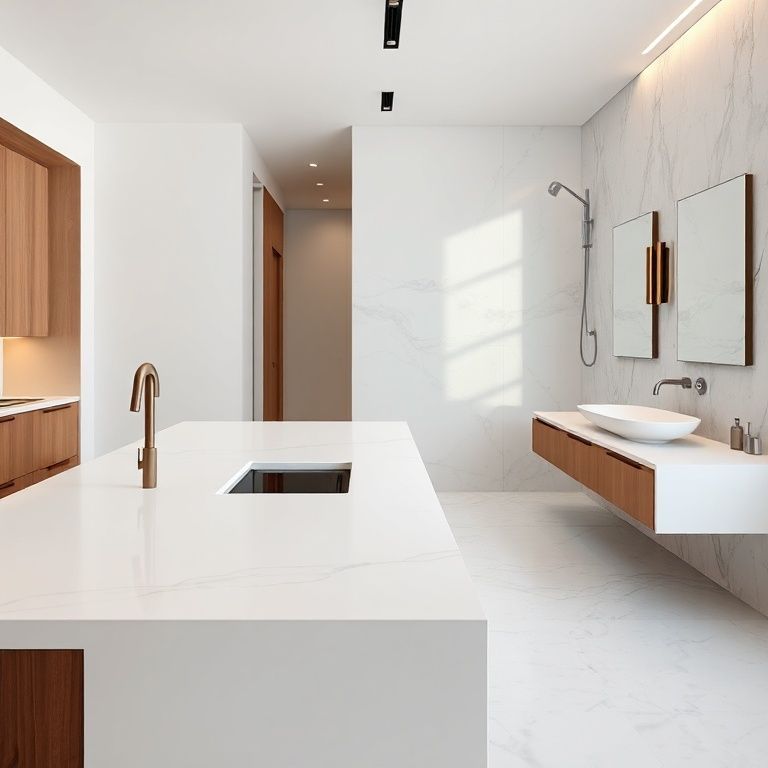
Beyond its undeniable aesthetic appeal, the practical benefits of an integrated sink are substantial, and perhaps even more compelling. The most significant advantage is the elimination of crevices where dirt, grime, and bacteria can accumulate. In traditional setups, the junction between the sink and the countertop is a notorious breeding ground for mildew and requires meticulous scrubbing. With an integrated design, this problem is entirely circumvented. The smooth, unbroken surface can be wiped down with effortless ease, ensuring a hygienic environment with minimal effort. This is a game-changer for anyone who values both a pristine living space and the luxury of less time spent on cleaning.
The material choices for integrated sinks are as diverse as they are innovative, contributing to their versatility and appeal. Solid surface materials, such as Corian, quartz composites, and engineered stone, are popular choices, offering a non-porous and highly durable surface that can be molded into virtually any shape. These materials are resistant to stains, scratches, and impact, making them ideal for the demanding environment of a kitchen or bathroom. Porcelain and ceramic are also frequently used, offering a classic, vitreous finish that is both beautiful and easy to maintain. For those seeking a truly luxurious statement, natural stone options like granite or marble can be fabricated to create stunning integrated basins, though these often require more specialized care.
The manufacturing process for “一体式台面水盆” involves sophisticated techniques to ensure a flawless fusion of countertop and sink. This often includes seamless bonding or the casting of the entire unit from a single piece of material. This meticulous craftsmanship results in a product that is not only aesthetically pleasing but also structurally sound and built to last. The absence of separate components also means fewer potential points of failure, contributing to the overall longevity of the fixture.
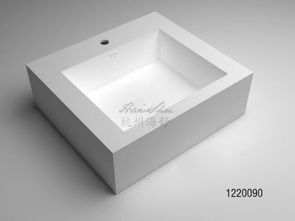
When considering an integrated sink, it’s important to understand the different types available. While the “一体式台面水盆” typically refers to a sink that is an integral part of the countertop material itself, the broader category encompasses designs where the sink is seamlessly molded or bonded to the countertop. This can include sinks that appear to grow out of the countertop material, or those that are made from the same solid surface material and flawlessly joined. The key differentiator is the absence of a distinct rim or lip separating the sink from the countertop. This offers a visual and functional departure from traditional undermount sinks, where a subtle edge is still present, or drop-in sinks, which sit visibly on top of the counter.
The impact of an integrated sink on a kitchen or bathroom renovation cannot be overstated. It’s a design choice that speaks volumes about a commitment to modern living, effortless elegance, and uncompromising hygiene. It’s a decision that simplifies daily routines while simultaneously elevating the perceived value and sophistication of the entire space. As we delve deeper into the world of “一体式台面水盆”, we’ll explore the specific advantages, installation considerations, and the sheer breadth of aesthetic possibilities that these remarkable fixtures offer, proving that true beauty often lies in seamless integration and thoughtful design.
The journey into the world of “一体式台面水盆” (integrated countertop sinks) reveals a compelling narrative of innovation and design evolution, moving beyond the purely functional to embrace the truly sublime. As we’ve touched upon, the fundamental appeal of these fixtures lies in their seamless integration, a concept that translates into tangible benefits for both the aesthetic and practical aspects of a home. This fusion of countertop and sink is not merely a trend; it’s a sophisticated solution that addresses long-standing challenges and elevates the user experience in our most frequented spaces.

One of the most profound advantages of the “一体式台面水盆” is the unparalleled ease of cleaning it affords. Think about the typical kitchen or bathroom sink. Even with diligent wiping, persistent grime, soap scum, and mineral deposits inevitably find their way into the crevice where the sink meets the countertop. This narrow, often difficult-to-reach space becomes a magnet for bacteria and mildew, demanding constant attention and often yielding only partial victories in the battle for cleanliness. An integrated sink eradicates this problem entirely. The continuous, unbroken surface means there are no edges to trap debris. A simple swipe of a cloth or sponge effortlessly glides from the countertop directly into the basin, taking all the mess with it. This makes daily maintenance a breeze, freeing up precious time and ensuring a more hygienic environment for you and your family. For those who prioritize a spotless home and appreciate the luxury of low-maintenance living, the integrated sink is an absolute revelation.
The aesthetic impact of this seamless design is equally transformative. In kitchens, an integrated sink can lend a sleek, minimalist look to your work surfaces, making them appear more expansive and streamlined. Imagine a beautiful quartz countertop that flows uninterrupted into a matching quartz basin – it’s a look of pure elegance and modern sophistication. This visual continuity is particularly effective in smaller kitchens, where it can create an illusion of greater space and openness. In bathrooms, the effect is even more pronounced. A master bathroom vanity with an integrated sink transforms the entire area into a spa-like sanctuary. The absence of a bulky rim or exposed caulking lends an air of refined luxury and architectural simplicity. It’s a design choice that whispers, rather than shouts, about your discerning taste and appreciation for quality.
The diversity of materials available for “一体式台面水盆” further enhances their adaptability to various design schemes and functional requirements. Solid surface materials, like acrylic resins blended with mineral fillers, are a popular choice due to their non-porous nature, inherent flexibility in design, and durability. They can be molded into a vast array of shapes and sizes, allowing for highly customized solutions. Quartz composite, a blend of natural quartz and resins, offers exceptional hardness, resistance to stains and scratches, and a luxurious appearance that mimics natural stone. Engineered stone, another composite material, provides similar benefits, often at a more accessible price point. These materials are chosen not only for their beauty but also for their resilience in the face of daily wear and tear, making them perfect for the demanding environments of kitchens and bathrooms.
Beyond solid surface options, you’ll also find integrated sinks crafted from porcelain and ceramic. These materials offer a classic, timeless appeal with a smooth, vitreous finish that is inherently hygienic and easy to clean. While often associated with more traditional designs, modern manufacturing techniques allow for sleek, contemporary integrated sinks in these materials as well. For those seeking the ultimate in natural luxury, some high-end integrated sinks are available in natural stone, such as granite or marble. These offer unparalleled beauty and a unique character, though they typically require more careful maintenance and can be more susceptible to staining or etching.
The installation of an “一体式台面水盆” is generally more straightforward than one might initially assume, especially when compared to the complexities of achieving a perfect seal with traditional undermount sinks. Because the sink and countertop are either formed as a single piece or flawlessly bonded, the potential for leaks and installation errors is significantly reduced. For sinks cast from a single material, installation often involves setting the unit into a pre-cut opening in the cabinetry and securing it from beneath. When the sink and countertop are made from different but compatible materials that are seamlessly joined, the installation process will also prioritize ensuring a durable and watertight bond. It is always advisable to consult with a professional fabricator and installer to ensure the optimal outcome, particularly when dealing with custom designs or complex materials.
When considering the types of integrated sinks, it’s helpful to differentiate them from other popular styles. Unlike a traditional drop-in sink, which has a visible rim that sits on top of the countertop, or a standard undermount sink, which is attached beneath the countertop and leaves a slight edge or lip, the “一体式台面水盆” presents a unified, uninterrupted surface. Some designs are truly monolithic, meaning the entire sink and countertop are cast or molded from a single block of material. Other designs involve a sophisticated bonding process that creates an imperceptible seam, making it appear as one continuous piece. This distinction is crucial to understanding the unique advantages of the integrated approach.
The enduring appeal of the “一体式台面水盆” lies in its ability to harmonize form and function, creating spaces that are not only visually stunning but also exceptionally practical and easy to maintain. It represents a forward-thinking approach to design, one that prioritizes cleanliness, durability, and a sophisticated aesthetic. Whether you are embarking on a full kitchen or bathroom renovation, or simply looking to update a vanity, the integrated countertop sink offers a compelling solution that is sure to impress and to simplify your life, proving that sometimes, the most beautiful and functional designs are those that are truly unified.









