The allure of artificial marble lies in its ability to mimic the natural beauty of stone while offering enhanced durability and a more predictable aesthetic. It’s a popular choice for countertops, flooring, and decorative elements, bringing a touch of sophistication to modern interiors. However, a question that sometimes surfaces, sparking concern and curiosity, is: can artificial marble change color? The answer, with a nuanced yet definitive, is yes, it can, and understanding why is key to appreciating and preserving its beauty.
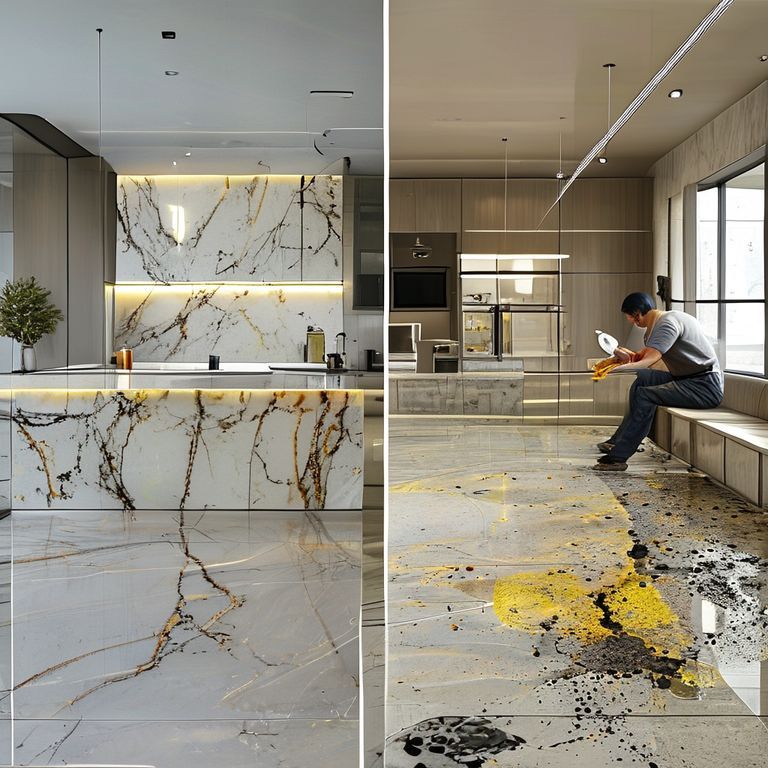
The very nature of artificial marble, also known as cultured marble or engineered stone, is what makes it susceptible to these chromatic shifts. Unlike its natural counterpart, which is forged over millennia by geological processes, artificial marble is a manufactured product. It’s typically composed of a resin binder (often polyester or epoxy) combined with mineral fillers, such as bauxite (aluminum trihydrate), and a carefully selected array of pigments to achieve the desired color and veining. This composite structure, while offering numerous advantages, also presents specific vulnerabilities.
One of the primary culprits behind artificial marble’s color transformation is ultraviolet (UV) radiation. Sunlight, and even strong artificial lighting, can break down the polymer chains within the resin binder over time. This degradation process can lead to a subtle yellowing or a general dulling of the surface. Imagine the way a vibrant red plastic toy left in the sun for too long starts to fade – a similar, albeit more gradual, process can occur with artificial marble. The pigments themselves can also be affected, becoming less intense or shifting in hue. This is particularly true for certain organic pigments that are more sensitive to light exposure. The extent of this fading depends on several factors, including the quality of the resin used, the type and concentration of pigments, and the intensity and duration of UV exposure. Rooms with large windows that receive direct sunlight for extended periods are more prone to experiencing this type of discoloration.
Heat is another significant factor. Artificial marble, especially those with polyester resins, can be sensitive to high temperatures. Placing hot pans or appliances directly on the surface, even for short periods, can cause localized heat damage. This can manifest as yellowing, darkening, or even a permanent change in the resin’s structure, altering its color. Certain types of chemical reactions can also be initiated or accelerated by heat, further contributing to discoloration. While most modern artificial marbles are designed with some level of heat resistance, extreme and prolonged exposure can overwhelm these protective measures. It’s a common misconception that artificial marble is entirely impervious to heat; while it’s more resistant than many natural stones or laminates, it’s not fireproof.
Chemical exposure, even in seemingly benign forms, can also lead to discoloration. Many household cleaning products, while effective at removing dirt, can contain harsh chemicals that react with the resin or pigments in artificial marble. Acids, alkalis, and strong solvents can etch the surface, dull its shine, and, in some cases, cause the color to fade or change. For instance, bleach, while a powerful disinfectant, can lighten or discolor certain pigments. Similarly, abrasive cleaners containing gritty particles can scratch the surface, making it appear duller and more susceptible to staining and further discoloration. Understanding the chemical composition of cleaning agents and opting for pH-neutral, non-abrasive options is paramount in preventing such damage.
Staining is perhaps the most common and visible form of discoloration that artificial marble can experience. Porous materials naturally absorb liquids, and while artificial marble is generally less porous than natural stone, it’s not entirely non-porous, especially if its protective sealant wears down over time. Spills of highly pigmented liquids like red wine, coffee, curry, or certain fruit juices can penetrate the surface and leave behind stubborn colored marks. The resin matrix, while designed to be durable, can still absorb these substances, leading to a permanent stain if not cleaned promptly and effectively. The color of the stain will, of course, depend on the color of the spilled substance. Some stains might appear as a faint shadow, while others can be quite prominent, detracting from the overall appearance of the material. The underlying color of the artificial marble itself can also influence how visible a stain is. Lighter colors may show dark stains more readily, while darker colors might hide some spills, but can conversely show lighter discoloration from chemical reactions more prominently.
The quality of the manufacturing process also plays a role. Inconsistent mixing of resin and fillers, insufficient curing of the material, or the use of lower-grade pigments can all contribute to a product that is more prone to premature discoloration. Manufacturers strive for uniformity and durability, but variations can occur, and these can manifest as subtle differences in color stability over time. Understanding the reputation of the manufacturer and the quality of the specific product being used can offer insights into its long-term performance. It’s a complex interplay of material science, environmental factors, and everyday usage that dictates whether your artificial marble will retain its original hue or embark on a colorful journey of transformation.
The journey of artificial marble from a pristine installation to a potentially discolored surface is a fascinating intersection of material science and practical application. While the causes of color change—UV radiation, heat, chemical reactions, and staining—are significant, they are not insurmountable obstacles. A proactive approach, grounded in understanding and proper care, can significantly extend the life and beauty of your artificial marble surfaces.
Preventing UV-induced discoloration primarily involves managing light exposure. If your artificial marble is installed in an area that receives direct sunlight, consider using window treatments such as blinds, curtains, or UV-filtering films. These can significantly reduce the intensity of UV rays reaching the surface without compromising the natural light in the room. For outdoor applications, which are less common for most artificial marble but do exist in some decorative elements, selecting products specifically formulated for exterior use and with enhanced UV resistance is crucial. Regularly cleaning the surface can also help. While cleaning won’t reverse existing UV damage, it removes surface contaminants that might, in combination with light, accelerate degradation.
Managing heat exposure is equally vital. A fundamental rule for any countertop material, including artificial marble, is to use trivets or hot pads under hot cookware, bakeware, or electrical appliances that generate heat. This simple habit creates a protective barrier, preventing direct thermal shock to the surface. Never slide hot items across the surface; always lift them. For areas prone to humidity and steam, such as around sinks or in bathrooms, ensure adequate ventilation. While steam itself might not cause immediate discoloration, prolonged exposure to heat and moisture can weaken the resin over time, making it more susceptible to other forms of damage. When it comes to cleaning, avoid using boiling water directly on the surface for extended periods. While occasional contact is unlikely to cause harm, repeated exposure to extreme temperatures should be avoided.
The key to preventing chemical-induced discoloration lies in mindful cleaning practices. Always consult the manufacturer’s recommendations for cleaning agents. Generally, a mild dish soap mixed with warm water is sufficient for routine cleaning. For tougher spots, a pH-neutral cleaner specifically designed for solid surfaces or engineered stone is advisable. Avoid abrasive cleaners, scouring pads, and harsh chemicals like ammonia, bleach, strong acids, or solvents. If you accidentally spill something acidic or alkaline, wipe it up immediately with a damp cloth and then rinse the area thoroughly with clean water. This prompt action minimizes the time the chemical has to react with the material. For stubborn stains that appear to be surface-level, a paste of baking soda and water can sometimes be used as a mild abrasive, but it’s always best to test this in an inconspicuous area first and use gentle circular motions.
Tackling stains requires a combination of prompt action and the right technique. The moment a spill occurs, blot it immediately with a soft, absorbent cloth. Do not wipe, as this can spread the stain. For most common stains, after blotting, a gentle cleaning with soap and water should suffice. If a stain persists, consult the manufacturer’s guidelines for specific stain removal techniques. For organic stains (like wine or coffee), a diluted solution of hydrogen peroxide might be effective, but again, test this in a hidden spot first. For oil-based stains, a degreaser or mineral spirits might be necessary, but extreme caution and thorough rinsing are essential. For deep-set stains that cannot be removed with standard methods, professional restoration might be the only option.
Beyond prevention, understanding repair options can restore the appearance of discolored artificial marble. Minor surface scratches or dullness can often be addressed with a polishing compound specifically designed for solid surfaces. For more significant issues like deeper scratches, chips, or noticeable discoloration that cannot be cleaned, professional repair services are available. These technicians can often buff out imperfections, fill small chips, and even re-finish the surface to blend seamlessly with the surrounding material. In some cases, entire panels or sections might need to be replaced if the damage is extensive or widespread.
The longevity and appearance of artificial marble are not solely dependent on the material itself but also on the diligence of its caretakers. By understanding the potential causes of discoloration and implementing preventative measures and appropriate cleaning techniques, you can ensure that your artificial marble surfaces remain a beautiful and integral part of your home for years to come. The occasional color shift, while perhaps initially concerning, often serves as a reminder of the material’s interaction with its environment, a subtle narrative etched onto its surface, which can be managed with knowledge and care.