
The Shifting Hues of Solid Surface: Unraveling the Mystery of Artificial Marble Discoloration
The allure of artificial marble, also known as solid surface, lies in its chameleon-like ability to mimic the opulence of natural stone while offering a host of practical advantages. From sleek kitchen countertops to seamless bathroom vanities, these engineered materials have become a staple in modern interior design, celebrated for their durability, non-porosity, and the endless palette of colors and patterns they offer. But beneath this polished exterior, a subtle transformation can occur. The question on many minds, especially those who have invested in these beautiful surfaces, is: “Can artificial marble change color, and if so, why?” The short answer is a resounding yes, and understanding the underlying mechanisms is key to appreciating the material’s lifecycle and ensuring its longevity.
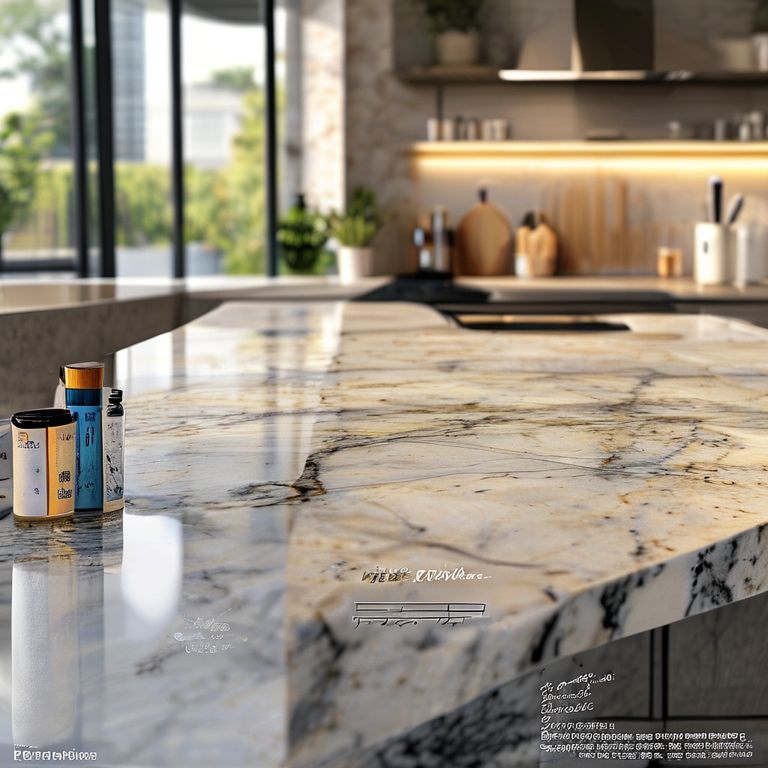
At its core, artificial marble is a composite material, typically made from a blend of acrylic resins or polyester resins, combined with mineral fillers such as alumina trihydrate (ATH). Pigments are meticulously added to achieve the desired aesthetic, replicating everything from the veining of Calacatta marble to the deep, uniform hues of granite. The magic of solid surface lies in its manufacturing process, which allows for a homogeneous composition throughout its thickness. This means that unlike laminate countertops, where the color and pattern are confined to a thin top layer, any scratches or damage to solid surface can often be repaired by sanding and polishing, restoring its original appearance. However, this uniformity also means that any change in color is not superficial; it’s a transformation happening within the material itself.
One of the primary culprits behind discoloration in artificial marble is exposure to ultraviolet (UV) light. Sunlight, or even prolonged exposure to artificial lighting with high UV output, can initiate photochemical reactions within the acrylic or polyester resins. These resins, while robust, are organic compounds. Over time, UV radiation can break down the chemical bonds within the polymer chains, leading to a process called photodegradation. This degradation can manifest as yellowing or a general fading of the original color. Think of it like how a brightly colored plastic toy left in the sun for months starts to look dull and faded. The same principle applies to solid surface materials. The pigments, too, can be affected by UV light, losing their vibrancy and contributing to the overall color shift.
The extent of UV-induced discoloration depends on several factors. The type and concentration of pigments used play a significant role. Some pigments are inherently more resistant to UV light than others. For instance, inorganic pigments derived from metal oxides tend to be more stable than certain organic pigments. Manufacturers often incorporate UV stabilizers into the resin formulation to mitigate this effect. These stabilizers work by absorbing UV radiation and dissipating it as heat, or by scavenging free radicals that are formed during the photodegradation process. However, even with these protective measures, complete immunity to UV damage over extended periods is rarely achieved. Certain colors, particularly lighter shades or those containing specific pigment combinations, may show the effects of UV exposure more readily than others.
Another common cause of discoloration is heat. Artificial marble, while heat-resistant to a degree, can be damaged by direct contact with hot objects. Placing scorching hot pans or electrical appliances directly onto the surface can lead to thermal degradation of the resin. This can result in localized yellowing or browning, often appearing as a faint discoloration or a more pronounced scorch mark. The intense heat can break down the polymer structure and even cause some of the fillers and pigments to undergo chemical changes, altering their color. It’s important to remember that while solid surface is a durable material, it’s not indestructible. Using trivets and heat pads for hot cookware is a simple yet effective way to prevent such damage.
Beyond light and heat, chemical exposure can also lead to discoloration. Certain household cleaners, solvents, and even some food products can react with the resin and pigments. For example, strong acids or alkalis, found in some abrasive cleaners or drain unblockers, can etch the surface or cause chemical reactions that alter the color. Similarly, prolonged contact with staining agents, such as red wine, coffee, or certain dyes, can penetrate the material and leave a permanent mark, especially if the surface is not properly sealed or cleaned promptly. While solid surface is non-porous, meaning it doesn’t absorb liquids in the same way natural stone does, deep-seated stains can still occur if spills are left unattended.
The composition of the solid surface itself is a critical factor in its susceptibility to discoloration. There are two main types of solid surface materials commonly used: those based on acrylic resin and those based on polyester resin. Acrylic-based solid surfaces, often referred to as 100% acrylic or pure acrylic, generally offer superior UV resistance and color stability compared to polyester-based counterparts. This is due to the inherent properties of acrylic polymers, which are more resistant to photodegradation. Polyester-based solid surfaces, while often more cost-effective, may be more prone to yellowing over time, particularly when exposed to UV light or certain chemicals. Understanding the specific type of solid surface installed in your home can provide valuable insight into its potential for color change.
The manufacturing quality also plays a role. Reputable manufacturers invest in high-quality resins, pigments, and UV stabilizers. They also adhere to stringent quality control processes to ensure a homogeneous mixture and proper curing of the material. Lower-quality products might cut corners on these aspects, leading to a higher likelihood of premature discoloration or other issues. Therefore, choosing well-known brands and purchasing from reputable suppliers can offer greater assurance of the material’s performance and longevity. The aesthetic appeal of artificial marble is undeniable, but its functional longevity hinges on understanding its composition and its interaction with its environment. The subtle shifts in hue are not necessarily a sign of failure, but rather a testament to the material’s journey through light, heat, and daily life.
Continuing our exploration into the fascinating world of artificial marble, we delve deeper into the nuances of discoloration and, crucially, how to maintain the pristine beauty of these versatile surfaces. While the inherent properties of solid surface materials make them prone to certain changes over time, a proactive approach to care and maintenance can significantly mitigate these effects and ensure your countertops and vanities remain as stunning as the day they were installed. The question of “why” artificial marble changes color is answered by understanding the interplay of its constituent materials – resins and pigments – with environmental factors like UV light, heat, and chemical agents. Now, let’s turn our attention to the “how” of preserving their original splendor.
The role of pigments in the discoloration of artificial marble cannot be overstated. Pigments are the very essence of the material’s color, and their stability is paramount. As mentioned, inorganic pigments, often derived from mineral compounds, generally exhibit superior resistance to fading and chemical attack compared to organic pigments. However, even inorganic pigments can be susceptible to changes under extreme conditions. For instance, certain metallic pigments can react with aggressive chemicals, leading to a shift in their hue. The concentration of pigment also matters. Higher pigment loads can sometimes lead to a deeper color, but they can also make the material more susceptible to fading if the pigments themselves are not highly UV-stable. Manufacturers carefully balance color depth with pigment stability to achieve the desired aesthetic while optimizing for durability.
One of the most common forms of discoloration, particularly in lighter-colored solid surfaces, is yellowing. This can be attributed to a combination of factors. As discussed, UV exposure is a primary driver, initiating photo-oxidation in the acrylic or polyester resins. This process creates chromophores – molecular groups that absorb and reflect light – which often have a yellowish tint. Over time, the accumulation of these chromophores can subtly alter the perceived color of the material. Heat can also contribute to yellowing. When the resin is exposed to temperatures exceeding its recommended limits, it can undergo thermal degradation, leading to a similar yellowing effect. This is why avoiding direct contact with hot pots and pans is so crucial, not just to prevent scorching, but also to maintain the original color integrity.
Chemical reactions are another significant contributor to discoloration. Many common household cleaning products contain harsh chemicals, such as ammonia, bleach, or solvents, which can react with the resin and pigments in solid surface materials. While solid surface is non-porous and resistant to most stains, prolonged exposure to aggressive chemicals can lead to etching or chemical changes that manifest as discoloration. For example, leaving a spill of a highly acidic or alkaline substance on the surface for an extended period without cleaning can lead to localized dulling or a change in color. Similarly, some food products, like mustard or turmeric, contain potent dyes that, if left to sit, can create staining. Prompt cleaning is the most effective defense against such issues.
The type of artificial marble also influences its propensity to discolor. As noted, 100% acrylic solid surfaces generally offer better UV resistance and color stability than those made with a higher proportion of polyester resins. If your solid surface is installed in an area that receives significant direct sunlight, such as near a south-facing window, opting for a high-quality acrylic product with good UV stabilizers would be a wise choice. The manufacturer’s reputation and the quality of the resins and pigments used are also important considerations. Investing in a product from a reputable brand with a proven track record in material science and manufacturing excellence will significantly reduce the risk of premature discoloration.
Stains, while not technically discoloration of the material itself, can certainly make a surface appear discolored. Because solid surface is non-porous, it resists absorption of most liquids. However, certain colored substances, especially if left to sit for a prolonged period, can adhere to the surface and leave a visible mark. This is particularly true for materials with a matte finish, which can be slightly more susceptible to surface staining than those with a high gloss. The good news is that most stains on solid surface can be removed with appropriate cleaning techniques. Mild abrasive cleaners, when used sparingly and in conjunction with a soft cloth, can often lift stubborn stains. For more persistent marks, a magic eraser or even light sanding with fine-grit sandpaper, followed by polishing, can often restore the surface to its original condition.
Preventative measures are the cornerstone of maintaining the vibrant appearance of artificial marble. Regularly cleaning the surface with a mild soap and water or a pH-neutral cleaner is essential. This removes surface contaminants that could otherwise react with the material or contribute to staining. For areas exposed to direct sunlight, consider using UV-protective window films or curtains to filter out harmful rays. Always use trivets and cutting boards to protect the surface from excessive heat and sharp objects. Wipe up spills immediately, especially those involving colored liquids or chemicals. Regular polishing with a soft cloth can help maintain the sheen and remove any light surface marks that might otherwise accumulate.
In instances where discoloration has occurred, it’s important to assess the severity and cause. If it’s a minor surface stain, a thorough cleaning or light abrasion might suffice. For more ingrained discoloration, such as yellowing from UV exposure or heat, the situation becomes more complex. If the material is 100% acrylic and the discoloration is uniform across a larger area, it may be possible to resurface the material through sanding and polishing to remove the discolored layer and reveal fresh material underneath. However, this is a process best left to professionals, as improper sanding can lead to uneven finishes or damage. For deep-seated or widespread discoloration, especially in polyester-based solid surfaces, the discoloration might be irreversible without replacement.
Ultimately, artificial marble is a testament to human ingenuity, offering a beautiful and functional alternative to natural stone. While it is not immune to the passage of time and the effects of its environment, understanding the factors that contribute to discoloration – UV light, heat, chemical exposure, and pigment stability – empowers us to make informed choices. By selecting quality materials, employing diligent maintenance practices, and acting swiftly to address spills and potential damage, you can ensure that your artificial marble surfaces retain their captivating color and elegance for years to come, continuing to be a source of aesthetic pleasure and pride in your home.









