
In the quest for modern, sleek, and durable surfaces, artificial stone and Corian have emerged as popular choices for kitchens, bathrooms, and beyond. Their appeal lies in their seamless appearance, resistance to stains and scratches, and the sheer aesthetic versatility they offer. Yet, beneath this polished exterior, a less visible concern lurks: the potential for formaldehyde emissions. This volatile organic compound (VOC) is a known irritant and a suspected carcinogen, making its presence in our homes a matter of growing importance. When we talk about “artificial stone” in a broad sense, we’re often referring to a category of engineered materials made from mineral fillers bound together by resins. Corian, on the other hand, is a specific brand of solid surface material, manufactured by DuPont. While both fall under the umbrella of “man-made” surfacing, their composition and manufacturing processes can lead to differing levels of formaldehyde release. Understanding these nuances is not about creating alarm, but about equipping ourselves with knowledge to make conscious decisions about the materials we bring into our living environments.

The term “artificial stone” itself is quite broad and encompasses a range of products, each with its unique blend of components. Generally, these materials are created by combining natural mineral fillers, such as quartz, granite, or bauxite, with binders. The binders are typically polymer resins, most commonly polyester or epoxy resins. It’s within these resin systems that the concern for formaldehyde arises. Formaldehyde is a fundamental building block in the production of many resins, including urea-formaldehyde (UF) and melamine-formaldehyde (MF) resins, which are widely used in the manufacturing of composite materials. Even if formaldehyde isn’t directly added as a component, it can be present as an impurity from the manufacturing process of the resins themselves, or it can be released over time through the degradation of the resin binder. The amount of formaldehyde released is influenced by several factors. The type of resin used is paramount. For instance, unsaturated polyester resins, often employed in lower-cost artificial stones, may contain residual formaldehyde or can degrade to release it. The curing process of the resin also plays a significant role. Incomplete curing can leave more free formaldehyde within the material. Furthermore, the fillers themselves can sometimes adsorb or react with formaldehyde, influencing its release. Surface treatments and finishes applied to artificial stone can also impact its porosity and the rate at which any trapped formaldehyde can escape. Higher quality artificial stones, particularly those designed for demanding applications and with stringent quality control, often utilize lower-VOC resins or advanced curing techniques to minimize formaldehyde emissions. However, the market is diverse, and without explicit certification or detailed product specifications, discerning the exact formaldehyde potential can be challenging. Consumer awareness often hinges on manufacturer transparency and the presence of third-party certifications, which are not always readily available or understood.
Corian, as a proprietary solid surface material, has a more defined composition. It is typically composed of a blend of acrylic polymer and alumina trihydrate (ATH), derived from bauxite ore. The acrylic polymer, often polymethyl methacrylate (PMMA), is a different class of resin than those commonly found in many artificial stones. While formaldehyde is a precursor in the production of some acrylic polymers, the manufacturing processes for high-quality acrylics like those used in Corian are often optimized to minimize residual formaldehyde. The key difference lies in the absence of formaldehyde-based resins like UF or MF as primary binders. Instead, the acrylic polymer provides the binding properties. This inherent difference in chemical structure suggests a potentially lower inherent risk of formaldehyde off-gassing compared to materials that rely heavily on formaldehyde-based resins. However, it’s not an absolute guarantee of zero formaldehyde. Trace amounts can still be present as byproducts of the acrylic polymerization process, or from other minor additives used in the formulation. The manufacturing environment and quality control are also crucial for Corian. Reputable manufacturers invest in processes that ensure thorough curing and minimize impurities. The physical structure of Corian, being a non-porous solid material, also plays a role. Once cured and finished, it presents a relatively impermeable surface, which can help to contain any residual volatile compounds. Nevertheless, like any manufactured product, the specific formulation and manufacturing standards can vary even within the Corian brand over time or across different product lines. The durability and longevity of Corian are also factors; as the material ages, microscopic changes could theoretically occur that might influence off-gassing, though this is generally considered to be a very slow process for well-maintained solid surfaces.
When we approach the question of which has higher formaldehyde content, it’s important to avoid generalizations. The landscape of “artificial stone” is vast and varied. Some higher-end engineered quartz countertops, for example, might use advanced resin systems with very low formaldehyde emissions, potentially rivaling or even surpassing some generic solid surface materials. Conversely, lower-quality, unbranded “artificial stone” products, especially those that rely on cheaper resin formulations, are more likely to be sources of significant formaldehyde release. The key differentiator often boils down to the binder. If formaldehyde-based resins are a significant component, the risk is higher. If the binder is primarily an acrylic polymer or a specialized low-VOC resin, the risk is generally lower.
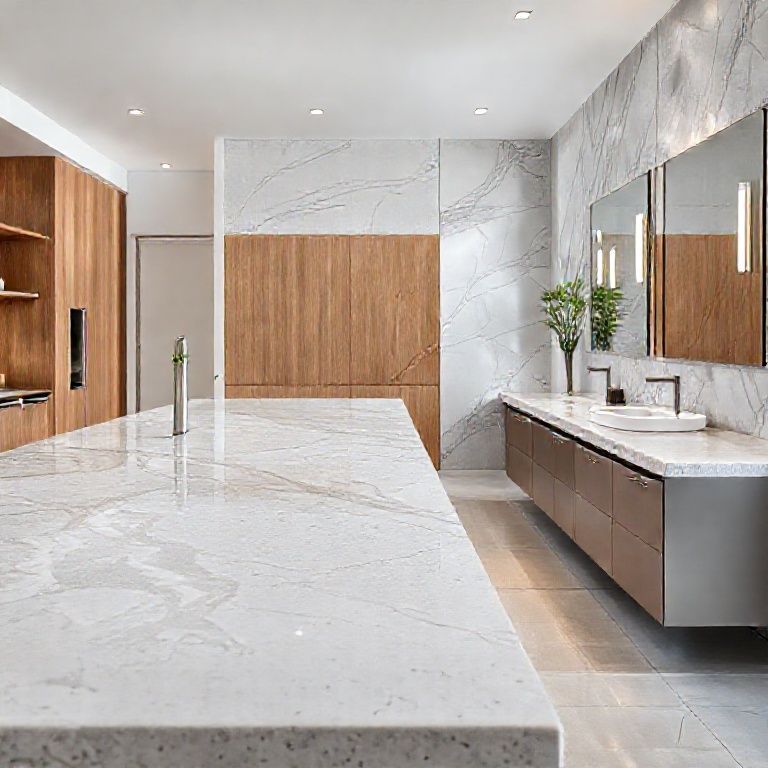
The implications of formaldehyde in our homes extend beyond mere air quality. Formaldehyde is known to cause irritation to the eyes, nose, and throat, and can exacerbate respiratory conditions like asthma. Prolonged exposure has been linked to more serious health concerns. In the context of kitchen countertops, while direct contact with food is generally not a concern due to the non-porous nature of these materials, the air quality in the living space is directly affected. Kitchens are often central hubs of the home, and the air we breathe there impacts our overall well-being. Furthermore, the initial off-gassing period, often referred to as the “new material smell,” can be particularly intense in the weeks or months following installation. Understanding the material composition and its potential to off-gas is a proactive step in creating a healthier indoor environment. It’s about understanding the subtle, yet significant, ways in which the materials we choose can influence our daily lives.
The crucial question, then, is how to navigate this landscape and make an informed decision. For “artificial stone,” the heterogeneity of the market presents a significant challenge. Manufacturers of high-quality engineered stone, particularly those with certifications like GREENGUARD or NSF, are often more transparent about their material composition and emissions. These certifications indicate that the products have been tested for VOCs, including formaldehyde, and meet specific indoor air quality standards. When considering artificial stone, looking for these seals of approval is a wise starting point. Beyond certifications, inquiries directly with the manufacturer or distributor about the specific resin system used and any formaldehyde testing data can provide valuable insights. Some premium brands may use advanced resin formulations that are specifically designed to minimize off-gassing, often employing techniques like UV curing or specialized additives to bind residual formaldehyde. The density and thickness of the artificial stone can also play a minor role; denser materials may trap volatile compounds more effectively, but this is not a definitive indicator of low emissions. The quality of the installation is also important. Proper ventilation during and after installation can help dissipate any initial off-gassing. However, if the material itself is a significant source of formaldehyde, ventilation alone will not solve the problem long-term.
Corian, as a well-established brand with a standardized manufacturing process, generally has a more predictable formaldehyde emission profile. DuPont, the manufacturer of Corian, has invested in research and development to ensure their products meet stringent health and environmental standards. Corian has often been a leader in promoting healthier building materials. Many Corian products carry certifications like GREENGUARD and GREENGUARD Gold, which are robust indicators of low VOC emissions. GREENGUARD Gold, in particular, signifies that the product is suitable for use in sensitive environments like schools and healthcare facilities, suggesting a very low level of formaldehyde and other harmful chemicals. The acrylic polymer base of Corian, as previously discussed, inherently relies on a different chemistry than formaldehyde-based resins, contributing to its generally lower formaldehyde potential. However, even with Corian, it’s always prudent to check for specific product certifications and to ensure you are purchasing from an authorized dealer to guarantee genuine product quality and adherence to the brand’s manufacturing standards. While the likelihood of high formaldehyde emissions from Corian is considerably lower than from many generic artificial stones, no material is entirely free of all trace compounds.
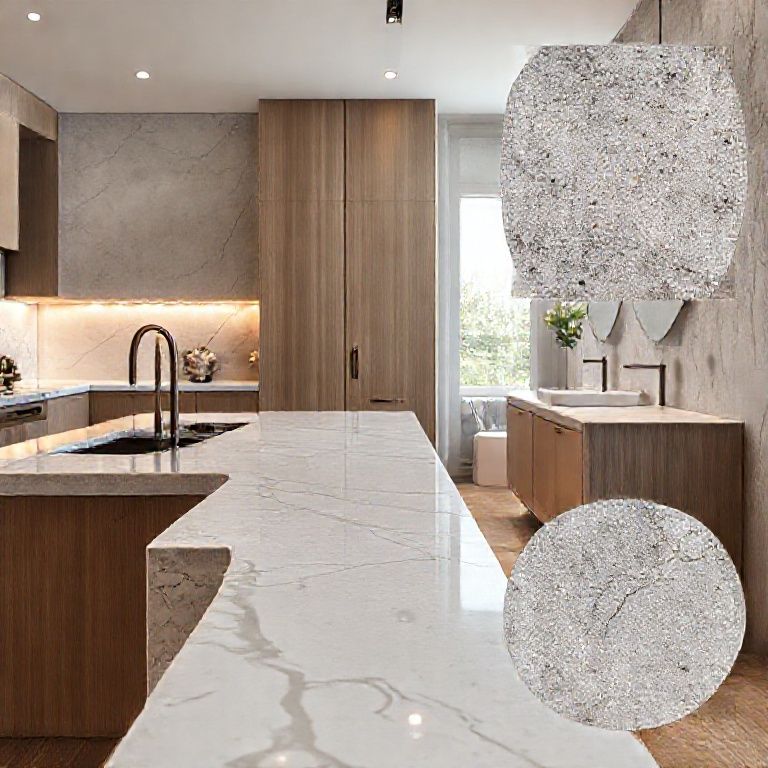
When comparing directly, the general consensus and available data suggest that well-manufactured Corian tends to have lower formaldehyde emissions than a broad spectrum of artificial stone products. This is primarily due to the difference in the primary binder used. However, this is not to say all artificial stones are problematic, nor that Corian is infallibly free of all formaldehyde. A premium, certified artificial stone could potentially perform as well or even better than a lower-specification Corian product, though the latter is less common given Corian’s established reputation and stringent manufacturing controls. The key takeaway is to look beyond the generic label. “Artificial stone” is a vast category, and its formaldehyde content can vary dramatically. Corian, being a specific, branded product with a consistent manufacturing philosophy, offers a more reliable baseline for low formaldehyde emissions.
The decision between artificial stone and Corian, therefore, becomes a nuanced one, balancing aesthetics, durability, cost, and importantly, health considerations. If formaldehyde emission is a primary concern, seeking out certified products is paramount. For artificial stone, this means looking for GREENGUARD or NSF certifications and inquiring about resin types. For Corian, these certifications are also readily available and a strong indicator of quality. The price point can also be a subtle indicator. Materials that are significantly cheaper often cut corners in material selection and manufacturing processes, which can sometimes translate to higher VOC emissions. Investing in a reputable brand and a certified product, regardless of whether it’s an engineered stone or a solid surface like Corian, is often the most effective way to ensure a healthier home environment.
Furthermore, the concept of “off-gassing” is a dynamic process. While initial emissions are often the most pronounced, materials can continue to release trace amounts of VOCs over their lifespan. The non-porous nature of both high-quality artificial stone and Corian helps to mitigate this by physically containing the compounds. However, factors like extreme heat or exposure to certain cleaning agents can, over time, potentially affect the surface integrity and release rates. This reinforces the importance of proper care and maintenance, as recommended by the manufacturers, to preserve the material’s properties and minimize any potential for off-gassing.
Ultimately, the choice is personal, and a balance must be struck. For those prioritizing peace of mind regarding formaldehyde and other VOCs, Corian often presents a more straightforward and reliable option due to its established composition and rigorous manufacturing standards, frequently backed by leading indoor air quality certifications. However, for consumers who are deeply committed to researching and seeking out the highest quality, certified artificial stone products, there are certainly excellent options available that can offer comparable or even superior performance in terms of formaldehyde emissions. The guiding principle remains consistent: informed choices, backed by certifications and transparent manufacturing practices, are the cornerstones of building a healthier, safer, and more beautiful home. The silent invader, formaldehyde, can be managed, and knowledge is our most effective tool.









