
In the grand theatre of home design, where every material plays a role in orchestrating the overall aesthetic and functionality, a new star has emerged, quietly yet confidently stealing the spotlight: sintered stone. More than just a surface, these expansive porcelain slabs, often referred to as “rock slabs,” have redefined the expectations for sink countertops, particularly in the discerning realms of kitchens and bathrooms. For those contemplating a renovation or embarking on a new build, the question of “Is sintered stone good for sink countertops?” echoes with the promise of an answer that balances cutting-edge innovation with timeless elegance.

The allure of sintered stone begins with its very genesis. Born from a sophisticated fusion of natural minerals – quartz, feldspar, mica, and clay – subjected to an intense process mimicking geological formations, it’s essentially earth’s ancient artistry reimagined through advanced technology. This high-pressure, high-temperature manufacturing process, often involving a technique called “sintering,” binds these raw materials together at a molecular level, creating a solid, non-porous, and incredibly resilient material. This isn’t your grandmother’s ceramic tile; this is a material engineered for the demands of modern life, yet possessing a primal connection to the earth from which it originates.
One of the most compelling arguments for sintered stone as a sink countertop material lies in its remarkable durability. Imagine a surface that shrugs off the daily onslaught of spills, stains, and the occasional accidental drop of a heavy pot. Sintered stone is precisely that. Its non-porous nature is a game-changer, especially around sinks where water is a constant companion. Unlike natural stones like granite or marble, which can absorb liquids and harbor bacteria if not properly sealed, sintered stone presents an impenetrable barrier. This means that red wine, olive oil, coffee, and even harsh cleaning chemicals are unlikely to leave a lasting mark. Spills can be wiped away effortlessly, preserving the pristine beauty of your countertop for years to come.
Beyond stain resistance, sintered stone boasts an impressive resistance to heat and scratches. While it’s always prudent to use trivets and cutting boards, the material can generally withstand moderate heat exposure without scorching or discoloration. Similarly, its hardness makes it remarkably resistant to everyday scratches from knives, keys, and other common kitchen or bathroom implements. This inherent resilience translates into a countertop that not only looks good but also performs admirably under pressure, a crucial consideration for surfaces that are as utilitarian as they are decorative.
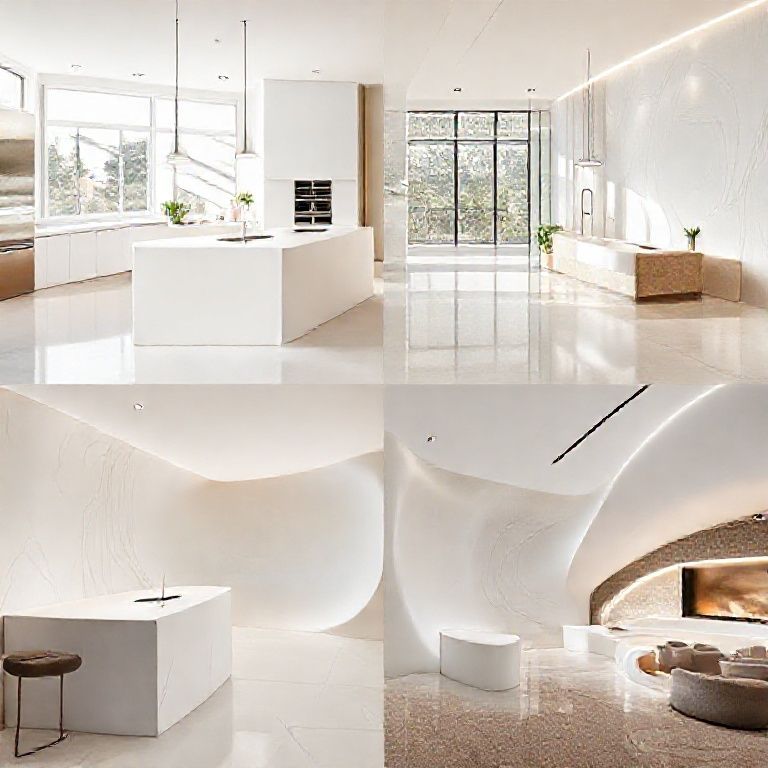
The aesthetic versatility of sintered stone is another major draw. The manufacturing process allows for an extraordinary range of designs, colors, and finishes. Whether you’re drawn to the classic veining of Calacatta marble, the rich depth of a dark granite, the subtle texture of concrete, or a bold, contemporary hue, sintered stone can replicate it with astonishing fidelity. The large format slabs mean that intricate patterns and veins can flow seamlessly across expansive surfaces, minimizing grout lines and creating a visually uninterrupted landscape. This ability to mimic the natural beauty of other materials while offering superior performance is a significant advantage, allowing designers and homeowners to achieve a high-end look without the associated maintenance challenges or costs of some natural stones.
The sheer scale of sintered stone slabs also contributes to its elegance. Unlike smaller tiles, these large-format pieces create a sense of spaciousness and continuity. When used as a sink countertop, this can translate into a sleek, minimalist look, particularly with integrated sinks where the countertop material flows directly into the basin. This seamless integration not only enhances the visual appeal but also eliminates unsightly seams where dirt and grime can accumulate, making cleaning even more straightforward. The absence of numerous grout lines, a common issue with tile installations, further contributes to a cleaner, more sophisticated appearance.
When considering the environmental aspect, sintered stone often presents a compelling case. While the manufacturing process is energy-intensive, the raw materials are natural and abundant. Furthermore, its exceptional durability means it has a long lifespan, reducing the need for frequent replacement and the associated waste. Many manufacturers are also increasingly focused on sustainable production methods, using recycled materials and optimizing energy consumption. For the environmentally conscious homeowner, sintered stone offers a way to embrace modern design without compromising on ecological principles.
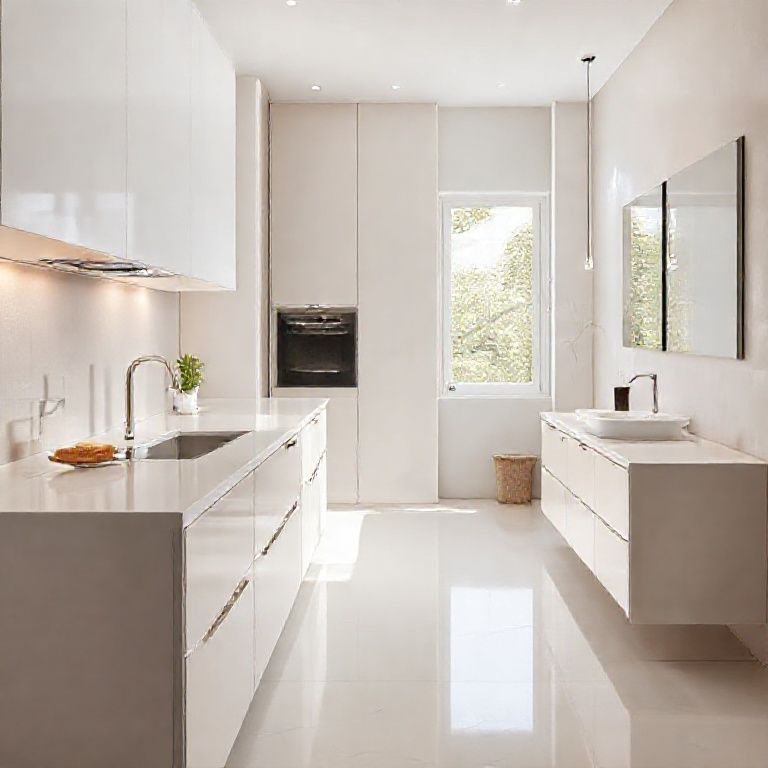
The installation of sintered stone, while requiring specialized tools and expertise due to its hardness and weight, is generally straightforward once the material is prepared. Because the slabs are manufactured to precise dimensions, they fit together well, and the minimal need for sealing post-installation streamlines the process. This attention to manufacturing precision ensures that what you see in the showroom or on the sample board is very close to what you will get in your home, offering a predictable and reliable outcome for your renovation project.
In essence, the “goodness” of sintered stone for sink countertops is rooted in a powerful combination of factors: its unparalleled durability and resistance to daily wear and tear, its vast aesthetic potential allowing for personalization and the realization of diverse design visions, and its hygienic, easy-to-maintain surface. It represents a sophisticated evolution in surface materials, offering a luxurious feel with a practical backbone, capable of enhancing both the beauty and the functionality of any kitchen or bathroom. As we delve deeper into the intricacies of its performance and practical applications, the case for sintered stone becomes increasingly clear – it is not merely a countertop material, but a statement of refined living.
Continuing our exploration into the realm of sintered stone sink countertops, we now shift our focus from the foundational strengths to the nuanced practicalities and long-term advantages that solidify its position as a premier choice for modern homes. The initial impression of sintered stone is one of uncompromised beauty and resilience, but its true value unfolds in the everyday interactions and the enduring satisfaction it brings.
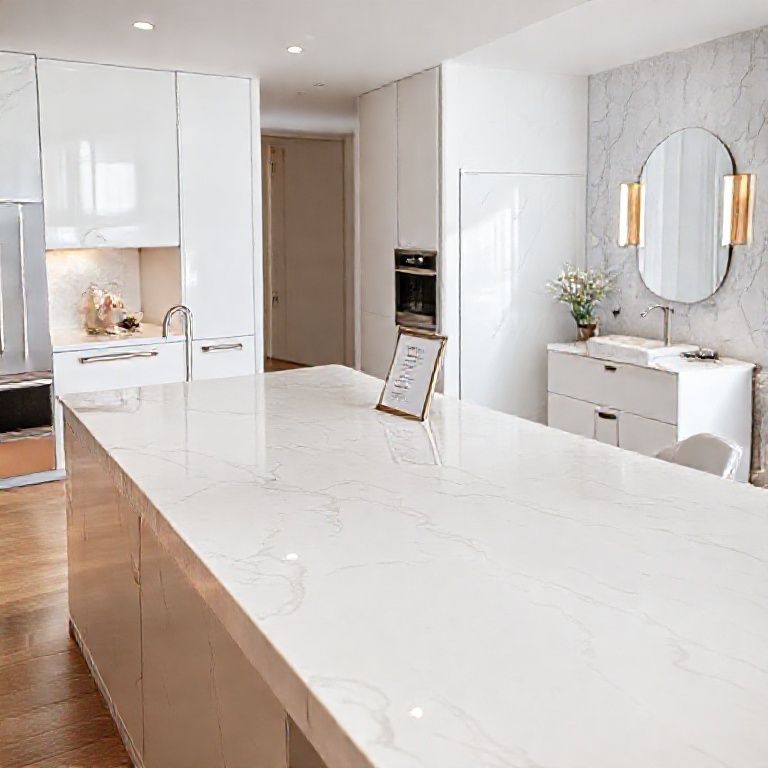
Let’s revisit the aspect of hygiene and maintenance, which, especially around a sink, is paramount. The non-porous nature of sintered stone means that it actively resists the absorption of liquids and the proliferation of bacteria and mold. This is a significant advantage over many other countertop materials, including some natural stones and laminates, which can develop unsightly stains and harbor germs if not meticulously maintained. For kitchens, where food preparation is a constant activity, this feature offers peace of mind. For bathrooms, it ensures a consistently clean and sanitary environment. Cleaning is typically a simple affair, requiring nothing more than warm water, a mild detergent, and a soft cloth. Harsh abrasives and strong chemicals are generally unnecessary, which not only simplifies upkeep but also contributes to the longevity of the surface, preventing etching or dulling that can occur with more sensitive materials.
The thermal resistance of sintered stone also warrants further discussion. While it’s not advisable to place extremely hot pots directly onto any countertop, sintered stone can generally withstand temperatures that would cause damage to other materials. This means that a hot pan placed on a trivet for a moment, or a steaming cup of coffee, is unlikely to cause thermal shock or discoloration. This robustness is particularly beneficial in busy kitchens where efficiency and speed are often prioritized. The ability to withstand temperature fluctuations without compromising structural integrity or aesthetic appeal adds another layer to its practical value.
When it comes to visual integration and design continuity, sintered stone truly excels. The availability of large slabs means that designers can create seamless surfaces that extend across the entire countertop area, minimizing joints and creating a sleek, monolithic appearance. This is especially impactful when paired with an integrated sink, where the countertop material flows directly into the basin, creating a unified, minimalist look that is both visually stunning and incredibly easy to clean. The absence of prominent grout lines, a common aesthetic drawback of tile installations, contributes to a cleaner, more sophisticated feel. Furthermore, the realistic replication of natural materials like marble and granite means that homeowners can achieve the luxurious look they desire without the inherent porosity, staining, or veining variations that can plague natural stone. This offers a predictable and controlled aesthetic that is often highly sought after.
The impact of sintered stone on property value is also a factor to consider. As a material that is perceived as high-end, durable, and modern, it can enhance the appeal and perceived value of a home. Prospective buyers often associate premium materials like sintered stone with quality craftsmanship and a well-maintained property, making it a wise investment for those looking to renovate with an eye towards future resale.
The environmental considerations surrounding sintered stone are multifaceted. While the manufacturing process is energy-intensive, the raw materials are natural and abundant. The exceptional durability translates into a long product lifespan, reducing the need for frequent replacements and thus minimizing waste over time. Many manufacturers are also actively pursuing more sustainable production methods, incorporating recycled materials and optimizing energy efficiency. For those concerned with the ecological footprint of their homes, understanding these nuances allows for an informed decision. The longevity of the material itself is a significant environmental benefit, as it avoids the cycle of consumption and disposal associated with less durable options.
Installation, while requiring specialized skills due to the material’s hardness and weight, is ultimately a testament to its quality. Professional fabricators and installers are equipped to handle sintered stone, ensuring precise cuts and a perfect fit. This professional installation process guarantees that the material’s inherent strengths are fully realized and that the finished product is both beautiful and structurally sound.
The question of “Is sintered stone good for sink countertops?” is answered with a resounding affirmative by its performance characteristics and aesthetic capabilities. It offers a sophisticated blend of natural beauty and engineered resilience, providing a surface that is not only visually captivating but also exceptionally practical for the demands of daily life. Its resistance to stains, heat, and scratches, coupled with its hygienic and easy-to-maintain surface, makes it an ideal choice for both busy kitchens and elegant bathrooms. The ability to achieve seamless designs and replicate the look of natural materials with superior performance further elevates its appeal. For homeowners and designers seeking a material that delivers on both form and function, sintered stone stands as a testament to innovation, offering a durable, beautiful, and sophisticated solution that promises enduring satisfaction and enhances the value and enjoyment of any home. It is, in essence, a material that allows you to embrace the practicalities of life without sacrificing the luxury and beauty you desire.









