
The quest for the perfect surface for kitchens, bathrooms, and commercial spaces often leads to the intriguing world of artificial stone, and DuPont™ stands as a prominent name in this arena. Renowned for its durability, seamless aesthetics, and versatile applications, DuPont™ artificial stone has graced countless homes and businesses. However, a closer look reveals a fascinating divergence in its offerings: the distinction between domestically produced and imported variants. This isn’t merely a geographical footnote; it can translate into tangible differences in quality, price, and even the very character of the material. Understanding these nuances is key to unlocking the full potential of your design vision and ensuring a lasting investment.

At its core, DuPont™ artificial stone, often recognized by brand names like Corian®, is a composite material typically made from acrylic polymers and alumina trihydrate (ATH), a derivative of bauxite ore. This composition grants it a non-porous nature, making it resistant to stains and bacteria, and allowing for seamless integration through inconspicuous seams. The magic lies in its ability to mimic the look of natural stone, from the veining of marble to the speckled charm of granite, all while offering superior performance in terms of maintenance and longevity. But when you venture into the market, you’ll encounter products that hail from different manufacturing origins. The implications of this can ripple through various aspects of your selection process.
One of the primary considerations when comparing domestic and imported DuPont™ artificial stone revolves around manufacturing standards and quality control. While DuPont™ is a global entity with a reputation for excellence, manufacturing facilities in different regions may adhere to slightly varying production protocols or be subject to different regulatory environments. Domestic production, in many cases, implies a closer alignment with stringent local quality assurance measures and potentially more direct oversight from the parent company’s core research and development teams. This can translate to a more consistent product, with less variation in color, pattern, and physical properties from batch to batch. Imagine embarking on a large-scale renovation; the assurance of consistent material across all your countertops and backsplashes is invaluable.
Conversely, imported variants, while still bearing the DuPont™ name and likely adhering to a high global standard, might originate from manufacturing hubs where production costs are lower. This can influence the final price point, making imported options potentially more budget-friendly. However, it’s crucial to investigate the specific quality control processes employed at these overseas facilities. Are they as rigorous as their domestic counterparts? Do they undergo the same level of material testing and performance evaluation? While many imported materials are excellent, a deeper dive into the manufacturer’s certifications and any third-party accreditations can offer peace of mind. It’s akin to choosing between a locally sourced artisanal cheese and a widely distributed, though still good, international brand – both can be delicious, but the journey and the specific craft might differ.
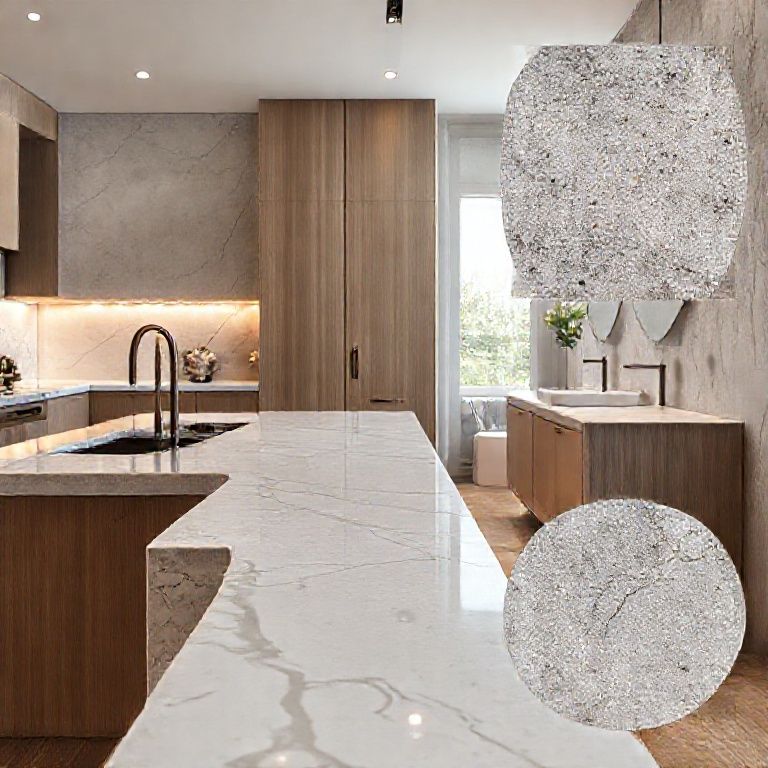
The availability of specific color palettes and patterns also presents a point of differentiation. Global product lines are vast, and sometimes, certain collections or limited-edition designs might be exclusive to particular markets. Domestic production might focus on popular, readily available colors and patterns that cater to the local aesthetic preferences, ensuring a quicker turnaround and easier sourcing for local fabricators. Imported options, on the other hand, might offer access to a wider, perhaps more avant-garde or niche, range of designs that have gained traction in their region of origin. If you’re seeking a very specific look that’s trending in a different part of the world, an imported DuPont™ product might be your gateway to that unique aesthetic.
Furthermore, the logistics of sourcing and the lead times involved can be markedly different. Domestic production generally means shorter shipping distances, leading to quicker delivery times and potentially lower transportation costs. This is particularly beneficial for projects with tight deadlines or for smaller renovations where immediate availability is paramount. Imported materials, by their very nature, involve longer transit times, potential customs delays, and the associated shipping expenses. While these factors might not deter a discerning buyer, they are practical considerations that can impact project timelines and overall budget. For a contractor managing multiple projects simultaneously, the predictability of domestic sourcing can be a significant advantage, minimizing the risk of unforeseen delays that could cascade through the entire construction schedule.
The texture and finish of the artificial stone can also exhibit subtle variations. While DuPont™ offers a range of standard finishes, the preferred finishes and surface treatments might differ between regions. Some imported materials might arrive with a factory finish that is optimized for specific regional tastes or fabrication techniques. Understanding these subtle differences is important. For instance, a highly polished finish might be more prevalent in one market, while a matte or textured finish might be favored in another. When selecting your material, it’s always best to examine physical samples in the intended lighting conditions of your space to truly appreciate the visual and tactile qualities. The tactile experience of a surface can profoundly influence its perceived quality and how it integrates into the overall design narrative.
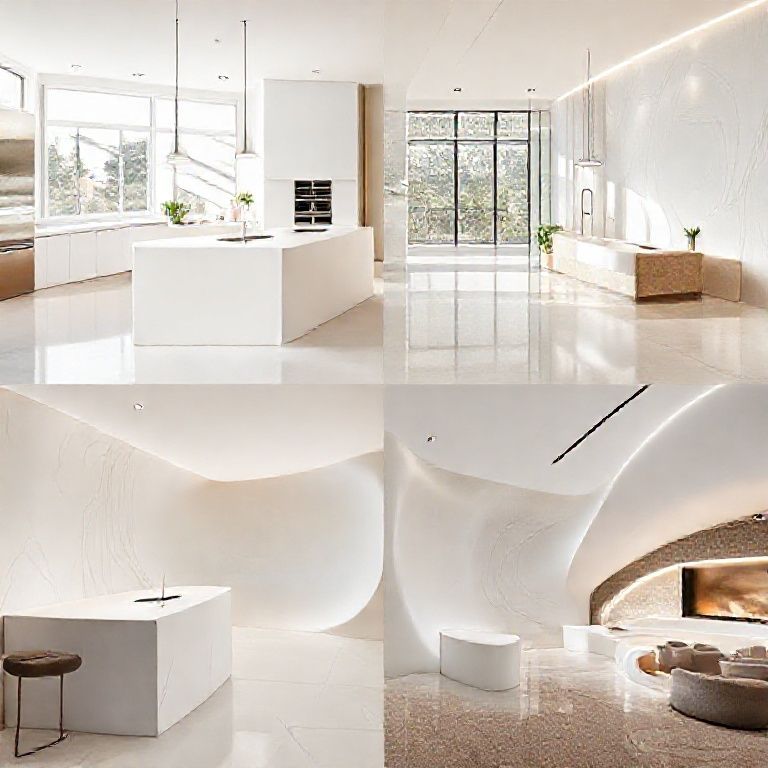
Finally, and perhaps most importantly, the warranty and after-sales support can differ. While DuPont™ generally offers comprehensive warranties on its artificial stone products, the specifics of these warranties, including coverage periods and claim procedures, might be tailored to regional regulations and distribution networks. Domestic products might offer a more streamlined warranty process with local representatives readily available for support and addressing any potential issues. For imported materials, understanding the warranty terms and the process for lodging a claim can require more diligence. It’s always advisable to clarify these details with your supplier and to ensure that the warranty is valid in your specific region. A robust warranty is not just a safety net; it’s a testament to the manufacturer’s confidence in their product’s longevity and performance.
Delving deeper into the practical implications of choosing between domestic and imported DuPont™ artificial stone, we find that the differences extend beyond mere origin. Fabrication and installation, two critical stages in bringing your surface to life, can be influenced by the material’s provenance. Furthermore, the long-term performance and the value proposition of each option warrant a thorough examination. It’s about understanding not just what you’re buying, but how it will be transformed and how it will endure over time.
Fabrication, the process of cutting, shaping, and finishing the artificial stone to precise specifications, is an art form in itself. While DuPont™ artificial stone is engineered for relatively straightforward fabrication compared to natural stone, subtle variations in material composition or density between domestic and imported products could potentially affect the ease and precision of this process. For instance, a slightly different resin-to-filler ratio might influence how easily the material cuts or sands. Highly skilled fabricators are adept at working with a wide range of solid surfaces, but a more consistent domestic product might offer a slight advantage in terms of predictability and speed for a fabrication shop. Conversely, some imported materials might be manufactured using specific techniques or tooling that are more readily understood and utilized by fabricators in their region of origin.
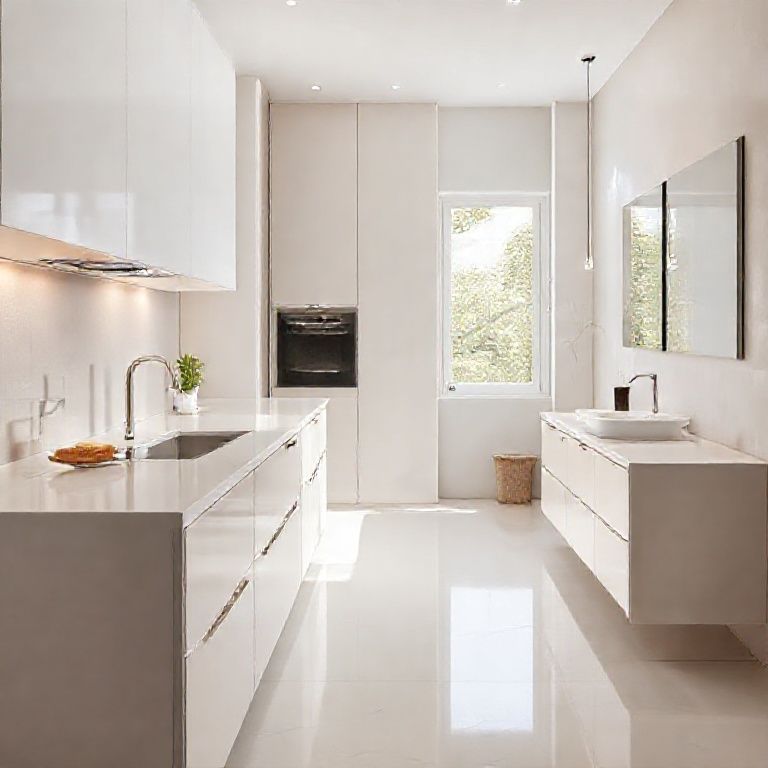
The installation process, too, can be influenced by the material’s consistency and the availability of specific installation guidelines or support from the manufacturer. Seamless integration, a hallmark of artificial stone, relies on precise application of specialized adhesives. If there are minor differences in the material’s porosity or expansion/contraction properties between domestic and imported batches, an experienced installer will account for this. However, exceptionally consistent materials tend to make the installer’s job more straightforward, reducing the margin for error and ensuring a truly flawless finish. This is particularly relevant for complex designs or large installations where maintaining aesthetic continuity is paramount.
When considering the economic aspect, the price difference between domestic and imported DuPont™ artificial stone is often a significant driver of choice. Generally, imported materials can be more cost-effective due to lower labor and manufacturing overheads in their countries of origin. This can make a high-end aesthetic, like that offered by DuPont™ artificial stone, accessible to a broader range of budgets. However, it’s crucial to weigh this immediate cost saving against potential long-term factors. The perceived value of a product is not solely tied to its initial price tag; it encompasses durability, maintenance, and aesthetic appeal over its lifespan. A slightly more expensive domestic product that offers superior consistency and potentially a more robust warranty might prove to be a better long-term investment.
The durability and longevity of artificial stone are renowned, but subtle manufacturing differences could theoretically impact these characteristics over many years. While both domestic and imported DuPont™ products are designed to withstand daily wear and tear, environmental factors like UV exposure, temperature fluctuations, and cleaning regimens can interact differently with materials that have minor compositional variations. Researching the specific performance data and any independent testing conducted on both domestic and imported variants can provide valuable insights. For applications in harsh environments, such as laboratories or high-traffic commercial kitchens, understanding these subtle performance differences becomes particularly important.
The aesthetic range and customization potential are also areas where origin can play a role. While DuPont™ strives for global uniformity in its core product lines, regional preferences can lead to the development of unique colorways or textural finishes that may not be available everywhere. If you’re drawn to a specific design that has emerged from a particular market, an imported option might be your only avenue to achieving that look. Conversely, domestic production often caters to prevailing local design trends, ensuring that you have access to a curated selection that is already proven to resonate with the local clientele. For those seeking a truly unique statement piece, exploring the full breadth of global offerings, both domestic and imported, is advisable.
Furthermore, the ease of obtaining samples and experiencing the material firsthand can vary. Domestic suppliers might have more readily accessible showrooms or local distributors that can provide larger, more representative samples. This allows for a more confident assessment of color accuracy and finish quality under your project’s specific lighting conditions. For imported materials, obtaining physical samples might involve longer wait times or relying on digital representations, which can sometimes be less accurate. Seeing and touching the material is an indispensable part of the decision-making process, and the accessibility of this experience can be a deciding factor.
Ultimately, the choice between domestic and imported DuPont™ artificial stone boils down to a careful evaluation of your priorities, budget, and project requirements. If paramount consistency, readily available technical support, and potentially faster project timelines are your main concerns, a domestically produced option might be the more straightforward choice. If cost savings are a primary driver, and you are diligent in researching the specific quality assurance and warranty for imported variants, then those options can offer excellent value. It’s not about one being inherently superior to the other, but rather about understanding the subtle yet significant differences that can impact your project’s success. Consulting with fabricators and installers who have experience with both types of materials can also provide invaluable practical advice, helping you navigate the landscape and make a solid choice for your enduring surfaces. The beauty of DuPont™ artificial stone lies in its versatility and quality, and with informed consideration, you can ensure that you select the perfect variant to bring your vision to life.









