
The quest for the perfect countertop is a journey that often leads to a crossroads, and for many, that junction is marked by the names Corian and DuPont. These two titans of the surfacing world have long been synonymous with innovation, durability, and aesthetic appeal. But when it comes down to it, which one truly deserves the coveted spot in your kitchen or bathroom? This isn’t just a simple “better or worse” scenario; it’s about understanding the nuances, the legacies, and the specific advantages each brings to the table – or, rather, to your countertop.

Let’s start by unraveling the Corian story. Corian, a brand name owned by DuPont, has become almost a generic term for solid surface material. It’s a testament to its ubiquity and its enduring appeal. Born from DuPont’s extensive research and development in the 1960s, Corian was a revolutionary material, designed to offer a non-porous, hygienic, and seamless alternative to traditional materials like laminate, stone, or tile. Its composition – a blend of acrylic polymer and alumina trihydrate (ATH) derived from bauxite ore – gives it a unique set of properties.
One of the most celebrated attributes of Corian is its seamlessness. Because it’s a solid, homogeneous material throughout, seams can be virtually invisible when installed by skilled fabricators. This means no grout lines to scrub, no awkward joints where grime can accumulate. For kitchens and bathrooms, where hygiene is paramount, this is a colossal advantage. Spills, splashes, and everyday messes can be wiped away with ease, making it an incredibly low-maintenance option. Think of those dreaded moments when red wine meets your white countertop – with Corian, a quick clean-up is usually all it takes.
Beyond its hygienic qualities, Corian boasts an impressive range of colors and patterns. From solid, minimalist whites and grays to intricate, veined designs that mimic natural stone, the design palette is vast. This versatility allows homeowners and designers to achieve a wide array of looks, whether they’re aiming for a sleek, modern aesthetic or a more traditional, earthy feel. The color is consistent throughout the material, meaning that if a minor scratch or chip occurs, it can often be repaired by sanding and buffing, restoring it to its original glory without any visible patching. This reparability is a significant factor in its long-term value and sustainability.
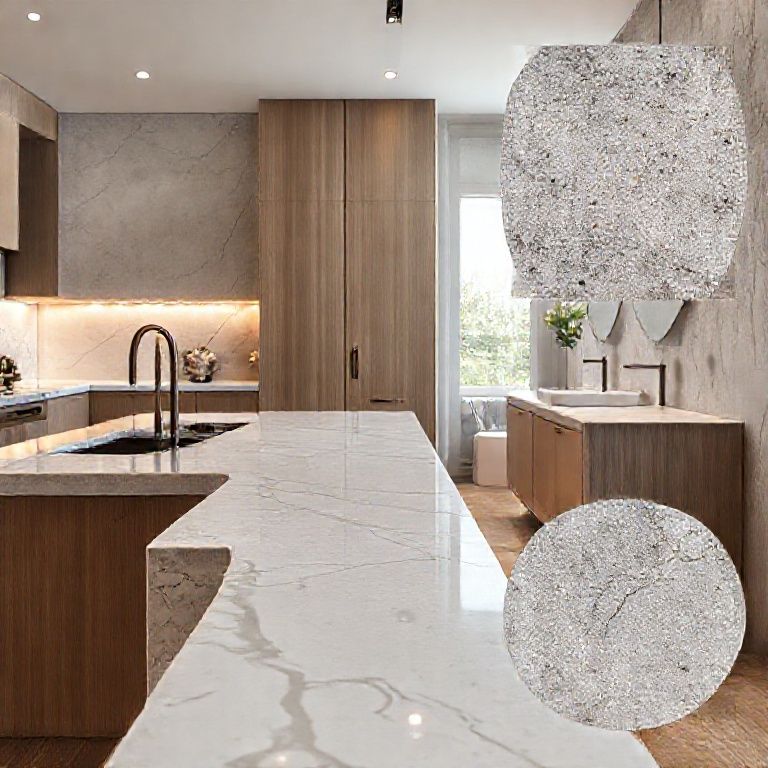
The malleability of Corian is another key selling point. Unlike stone, which is rigid and prone to breaking, Corian can be thermoformed. This means it can be heated and bent into curves, custom shapes, and even three-dimensional forms. This opens up a world of design possibilities for architects and interior designers, allowing for integrated sinks that flow seamlessly into the countertop, curved breakfast bars, or even unique decorative elements. This ability to create bespoke solutions is a hallmark of high-end design and contributes to Corian’s reputation as a premium surfacing material.
However, no material is without its drawbacks, and Corian is no exception. While it’s durable, it’s not impervious to damage. Its acrylic base, while offering flexibility, can be more susceptible to scratching than granite or quartz. Heavy pots and pans, or dragging sharp objects across the surface, can leave marks. While these are often repairable, it does mean that a certain level of care is still required. Similarly, prolonged exposure to very high heat can cause scorching or discoloration. Using trivets for hot pans is a wise precaution, a standard practice for many countertop materials.
The cost of Corian can also be a consideration. While it falls into a mid-to-high price range, it’s often less expensive than premium natural stones like granite or marble, and can sometimes be comparable to high-quality quartz. The final price, of course, depends heavily on the complexity of the installation, the edge profiles chosen, and any integrated features like sinks.
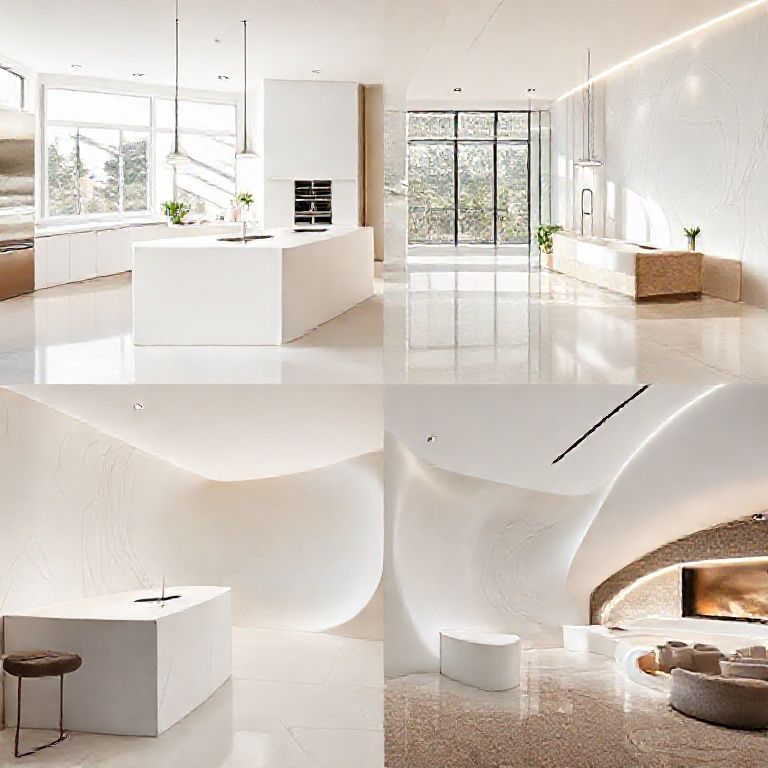
Now, let’s turn our attention to DuPont, the company that pioneered Corian. While “DuPont” itself isn’t a specific product in the same way “Corian” is, it represents a legacy of material science and innovation. DuPont has a broad portfolio of surfacing solutions, and Corian is its flagship solid surface brand. However, understanding DuPont in this context means acknowledging its history, its commitment to research, and the broader range of materials it has developed or been associated with in the surfacing industry.
DuPont’s involvement in solid surfaces began with a desire to create a material that overcame the limitations of existing options. Their scientific expertise allowed them to engineer a product with specific, desirable characteristics. This historical context is important because it explains the genesis of Corian and the meticulous attention to detail that went into its development. DuPont’s continued investment in research and development means that their materials, including Corian, are constantly evolving, with new formulations and aesthetic options being introduced.
When people talk about “DuPont” in the context of countertops, they are often referring to the quality and reliability that the DuPont name has come to represent. It evokes a sense of trust in the engineering and manufacturing processes. This brand equity is invaluable, assuring consumers that they are investing in a product backed by decades of expertise.
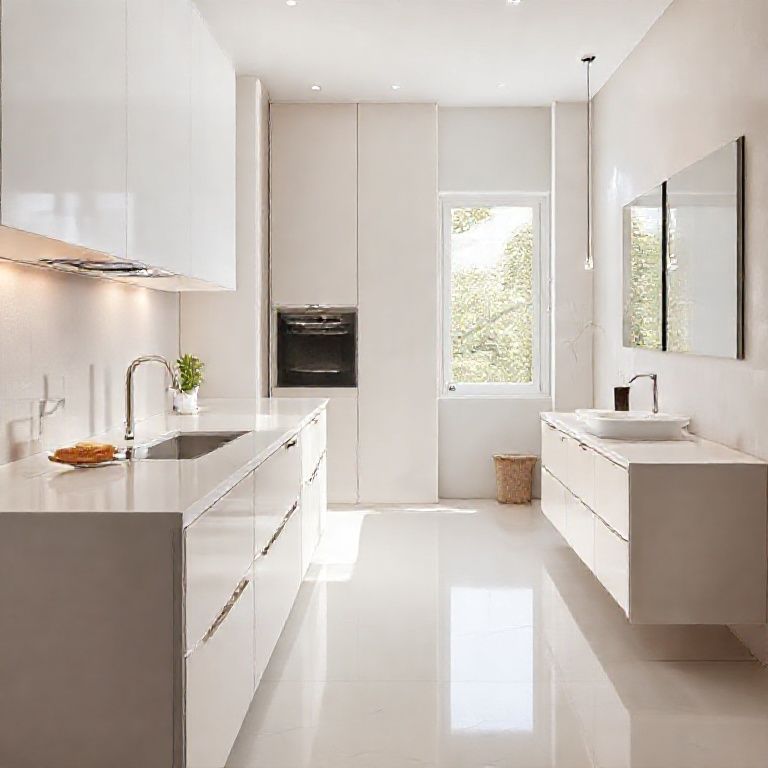
In essence, when comparing Corian and DuPont, it’s a bit like comparing a specific car model to the car manufacturer. Corian is the renowned model, a direct descendant of DuPont’s pioneering spirit in solid surfaces. Therefore, much of the comparison will inevitably circle back to the characteristics of Corian itself, as it is DuPont’s primary offering in this category. However, understanding DuPont’s overarching commitment to material science adds another layer to the appreciation of Corian’s quality and innovation. It’s a relationship of brand and product, where the brand’s reputation significantly enhances the perceived value of the product.
The choice between different solid surface options, with Corian being the most prominent, often boils down to specific project requirements, aesthetic preferences, and budget. The seamlessness, hygienic properties, design flexibility, and reparability of Corian are its standout features. These are the aspects that have cemented its position as a leading choice for kitchens, bathrooms, healthcare facilities, and commercial spaces where performance and appearance are equally critical. The legacy of DuPont underpins these qualities, providing a foundation of trust and innovation.
Continuing our deep dive into the world of solid surfaces, the Corian versus DuPont conversation often hinges on the very qualities that have made Corian a household name. As we established, Corian is a specific product line under the umbrella of DuPont’s extensive material science endeavors. So, to truly understand what makes one “better” than the other, we must dissect the strengths and consider the potential weaknesses of Corian as the primary representative of DuPont’s solid surface offerings.
The non-porous nature of Corian is, arguably, its most significant advantage, particularly in hygiene-sensitive environments. Unlike natural stone, which can have microscopic pores that absorb liquids and harbor bacteria, Corian is inherently impermeable. This means that common kitchen and bathroom culprits like water, oils, juices, and even strong cleaning agents don’t penetrate the surface. This makes it exceptionally easy to clean and maintain, a crucial factor for busy households or commercial settings where cleanliness is a top priority. The lack of porosity also means that staining is significantly reduced. While spills should still be wiped up promptly, the risk of permanent discoloration from red wine, coffee, or curry is minimal. This ease of maintenance translates into less worry and more enjoyment of your living space.
The aesthetic versatility of Corian cannot be overstated. The material is available in a staggering array of colors, patterns, and textures. Whether you’re a minimalist seeking a pristine white surface, a maximalist drawn to bold, vibrant hues, or someone who appreciates the natural beauty of stone, there’s likely a Corian option to match your vision. The color is consistent throughout the entire thickness of the material. This is a game-changer for repairs. If a scratch or chip occurs, it doesn’t reveal a different color underneath. A skilled fabricator can often sand down the affected area, effectively removing the imperfection and restoring the surface to its original condition. This inherent reparability contributes to its longevity and can be a significant cost-saver over time compared to materials that require replacement when damaged.
Furthermore, the design flexibility afforded by Corian is truly remarkable. As a thermoformable material, it can be heated and shaped into virtually any form. This allows for the creation of seamless integrated sinks, coved backsplashes that eliminate the need for grout, curved countertops, and even intricate artistic installations. This ability to create truly custom, fluid designs sets Corian apart from more rigid materials like granite or quartz. The seamless integration of a sink, for instance, not only offers a sleek aesthetic but also eliminates a common collection point for dirt and grime, further enhancing its hygienic credentials.
However, the very properties that make Corian so appealing also come with certain considerations. While durable, Corian is not indestructible. Its acrylic composition means it can be more susceptible to scratching than harder materials like granite or quartz. Daily use with knives, abrasive scrubbers, or dragging heavy cookware can leave marks. While these are often repairable, it does mean that mindful use is advised. Using cutting boards and trivets is a good practice, much like with most countertop materials, to preserve its pristine appearance.
Heat resistance is another area where Corian requires careful handling. While it can withstand moderate temperatures, direct contact with extremely hot pots or pans can cause thermal shock, leading to scorching, discoloration, or even cracking. Therefore, the use of trivets and heat pads is essential to protect the surface from prolonged exposure to high heat. This is a common requirement for many laminate and engineered stone surfaces as well.
The installation of Corian is also a critical factor. Due to its seamless joining capabilities and thermoforming potential, it requires specialized tools and expertise. This means that professional installation by certified fabricators is highly recommended, and often required by the warranty. While this ensures a high-quality finish, it can also contribute to the overall cost of the project. The quality of the fabricator can significantly impact the final look and durability of the countertop, so choosing a reputable installer is paramount.
When considering “DuPont” as a broader entity, it’s important to remember that their innovation extends beyond just Corian. DuPont has been a pioneer in material science for decades, and their research has led to the development of various high-performance materials. While Corian is their flagship solid surface product, the principles of engineering and quality that underpin it are a reflection of DuPont’s overall commitment to pushing the boundaries of what materials can achieve. This means that when you choose Corian, you are, in a way, investing in the legacy of innovation and quality that the DuPont name represents.
So, which is “better”? It’s not about a simple win or loss, but about alignment with your needs. If your priorities are hygiene, seamless design, incredible color and pattern variety, and the ability to create unique shapes, then Corian often emerges as a leading contender. Its reparability offers a long-term advantage, and its non-porous nature simplifies maintenance considerably. The fact that it is a DuPont product means it’s backed by a company with a long history of material innovation and a commitment to quality.
For those who prioritize extreme scratch resistance or the ability to place scalding hot pans directly on the surface without concern, other materials might offer superior performance. However, for the vast majority of homeowners and designers looking for a beautiful, functional, and hygienic surfacing solution that offers unparalleled design flexibility, Corian remains a compelling and often superior choice. It’s a material that allows for creativity without compromising on practicality, a balance that is hard to achieve. The enduring legacy of DuPont in developing such a versatile and effective material only reinforces its standing in the competitive world of surfacing. The choice, ultimately, is yours, but understanding these nuances will undoubtedly guide you towards the surface that best suits your lifestyle and aesthetic aspirations.









