
Sure, I can help you with that! Here’s a soft article comparing Corian solid surface and DuPont’s other offerings, written in English and adhering to your specified format.

When embarking on a home renovation or a new build, the choices for surfacing materials can feel as endless as a starry night. Among the plethora of options, solid surfaces have carved out a significant niche, prized for their seamless aesthetics, durability, and versatility. At the forefront of this category, and often synonymous with solid surfaces themselves, is Corian, a brand that has become a household name. But DuPont, the company behind Corian, is no one-trick pony. They’ve continually innovated, offering a spectrum of advanced material solutions. So, when faced with the decision, how does Corian stack up against the broader landscape of DuPont’s material innovations? Let’s embark on a journey to understand the nuances, weigh the pros and cons, and ultimately, guide you toward the best choice for your unique vision.
The very name “Corian” evokes a sense of modern elegance and practical resilience. Developed by DuPont in the late 1960s, Corian was revolutionary. It’s a composite material, primarily made of acrylic polymer and alumina trihydrate (ATH), a derivative of bauxite ore. This unique composition gives Corian its distinctive characteristics. One of its most celebrated features is its non-porous nature. Unlike natural stones such as granite or marble, Corian doesn’t have tiny pores where bacteria, mold, and mildew can take root. This makes it exceptionally hygienic, a crucial advantage in kitchens and bathrooms where cleanliness is paramount. Spills, from wine to juice, can be wiped away without staining, and the smooth, solid surface means no grout lines or seams to trap dirt and grime.
Beyond its hygienic properties, Corian boasts an unparalleled ability to be fabricated seamlessly. This means that countertops, sinks, backsplashes, and even entire wall panels can be created with virtually invisible seams. This not only contributes to a sleek, continuous aesthetic but also enhances its hygienic qualities. The material can be thermoformed – heated and molded into gentle curves and complex shapes, allowing for incredible design flexibility. Imagine a waterfall countertop that flows seamlessly to the floor, or a custom-designed sink integrated perfectly into the vanity. This malleability opens up a world of creative possibilities that are often constrained with more rigid materials.
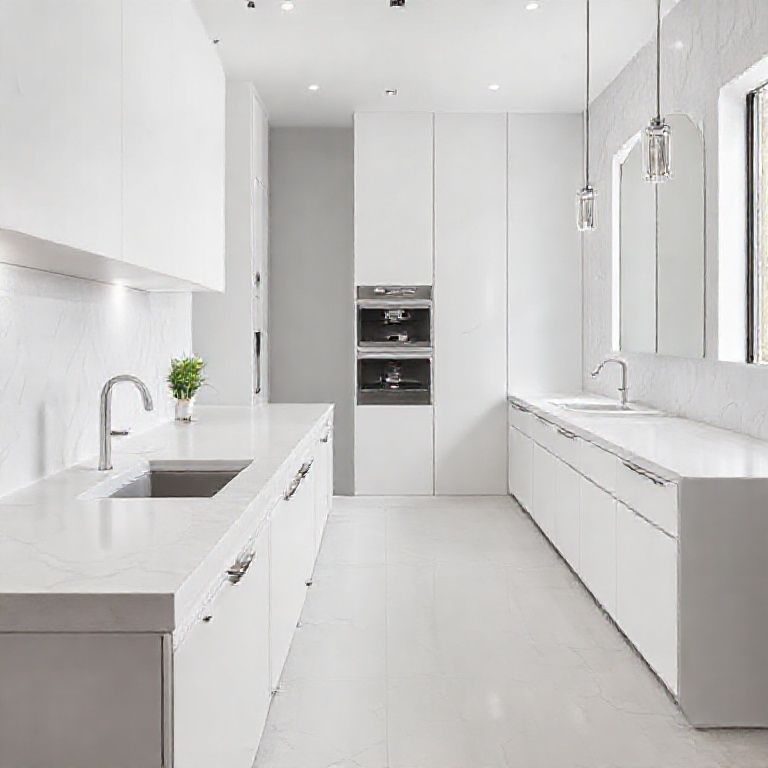
The aesthetic appeal of Corian is another strong suit. It comes in a vast array of colors and patterns, from classic whites and subtle earth tones to vibrant hues and convincing imitations of natural stone. This extensive palette ensures that there’s a Corian option to complement virtually any interior design style, from minimalist modern to rustic charm. Furthermore, its matte finish can be polished to a higher sheen, offering another layer of customization.
However, it’s important to acknowledge that Corian, while durable, is not indestructible. Its acrylic nature means it can be susceptible to scratches from sharp knives or abrasive scrubbing. While these scratches are often superficial and can be buffed out or repaired by a professional, it’s a factor to consider for those who are particularly hard on their surfaces. Similarly, prolonged exposure to very high heat can cause damage, so using trivets for hot pots and pans is a wise precaution.
Now, let’s broaden our gaze to the wider universe of DuPont’s material science. While Corian remains a flagship product, DuPont has been a powerhouse of innovation, developing and refining a range of other materials that cater to different needs and applications. These often build upon the foundational strengths of solid surfaces while introducing new properties or optimizing existing ones for specific environments.
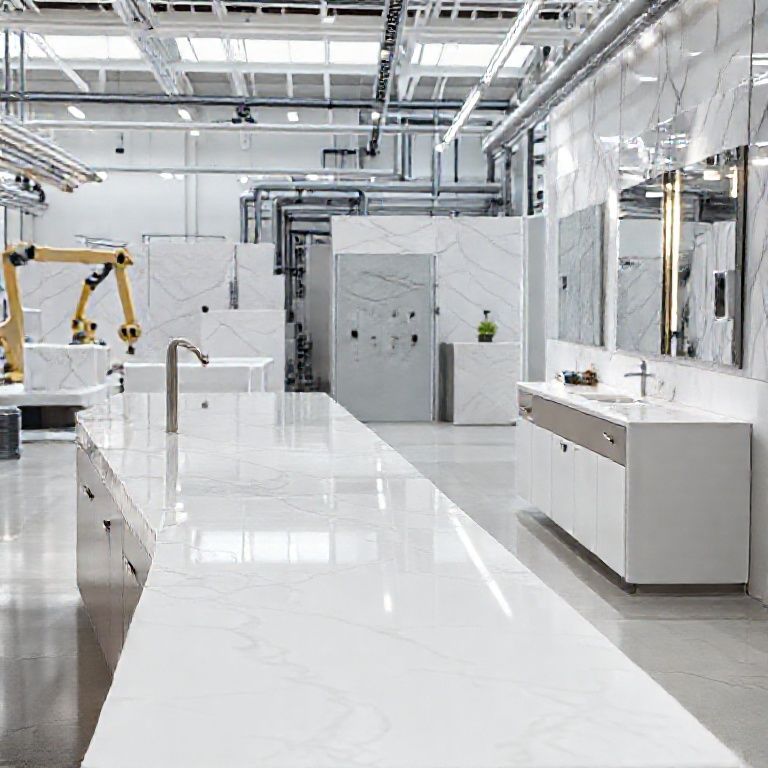
One significant area of DuPont’s expertise lies in engineered quartz. Brands like Zodiaq, another DuPont product, represent a different approach to creating beautiful and durable surfaces. Engineered quartz is made from about 90-95% ground natural quartz crystals mixed with polymer resins and pigments. This composition results in a material that is exceptionally hard and dense, even more so than granite. The hardness of quartz makes it highly resistant to scratches, impact, and heat. For many, this superior scratch and heat resistance is a compelling advantage over traditional solid surfaces like Corian, especially in high-traffic kitchen environments where culinary endeavors can be demanding.
The non-porous characteristic that makes Corian desirable is also a hallmark of engineered quartz. This inherent density means that Zodiaq, for instance, does not require sealing and is highly resistant to staining from common household liquids. This translates to lower maintenance and peace of mind, as you don’t have to worry about sealing the surface periodically like you might with some natural stones.
Aesthetically, engineered quartz offers a wide range of stunning designs. While it can mimic the look of natural stone with remarkable accuracy, it also excels in creating consistent patterns and vibrant colors that are not possible with natural materials. The manufacturing process allows for greater control over the final appearance, leading to uniform veining and color distribution, which many designers find appealing for its predictability and modern appeal. The choice between Corian and engineered quartz often comes down to a preference for the specific aesthetic and the degree of resilience desired. If a perfectly seamless, thermoformable, and repairable surface is the priority, Corian shines. If uncompromising scratch and heat resistance, coupled with a consistent, polished look, is the goal, engineered quartz becomes a very attractive contender.
DuPont’s material science extends beyond these two popular categories, venturing into advanced composites and specialty polymers that might find applications in more specialized architectural or industrial settings. While these may not be as directly comparable for a typical home countertop, they underscore DuPont’s commitment to pushing the boundaries of material engineering. Understanding this broader context helps to appreciate the depth of expertise that underpins products like Corian. The company’s ongoing research and development mean that the materials available today are often the result of decades of refinement and a deep understanding of material properties and their real-world performance.
In essence, the initial exploration into Corian and DuPont’s broader material innovations reveals a landscape rich with options, each offering a unique set of advantages. Corian stands out for its seamless fabrication, repairability, and design flexibility, making it a fantastic choice for those who value a truly integrated and customizable aesthetic, coupled with excellent hygiene. On the other hand, DuPont’s engineered quartz, like Zodiaq, presents a compelling case for those prioritizing ultimate scratch and heat resistance, alongside a consistently beautiful and low-maintenance surface. The decision isn’t about one being definitively “better” than the other in an absolute sense, but rather about understanding which set of characteristics aligns best with your lifestyle, aesthetic preferences, and the specific demands of the space you are creating. This initial dive into the material properties sets the stage for a deeper dive into specific applications and considerations.
Continuing our exploration of DuPont’s material innovations, moving beyond the foundational comparison of Corian solid surfaces and engineered quartz, we delve deeper into the practical implications for your home. The choice between these sophisticated materials isn’t just about technical specifications; it’s about how they perform in the daily theatre of home life and how they contribute to the overall ambiance and functionality of your living spaces. We’ll examine their suitability for various applications, the nuances of their aesthetics, and the critical aspect of long-term value and maintenance.
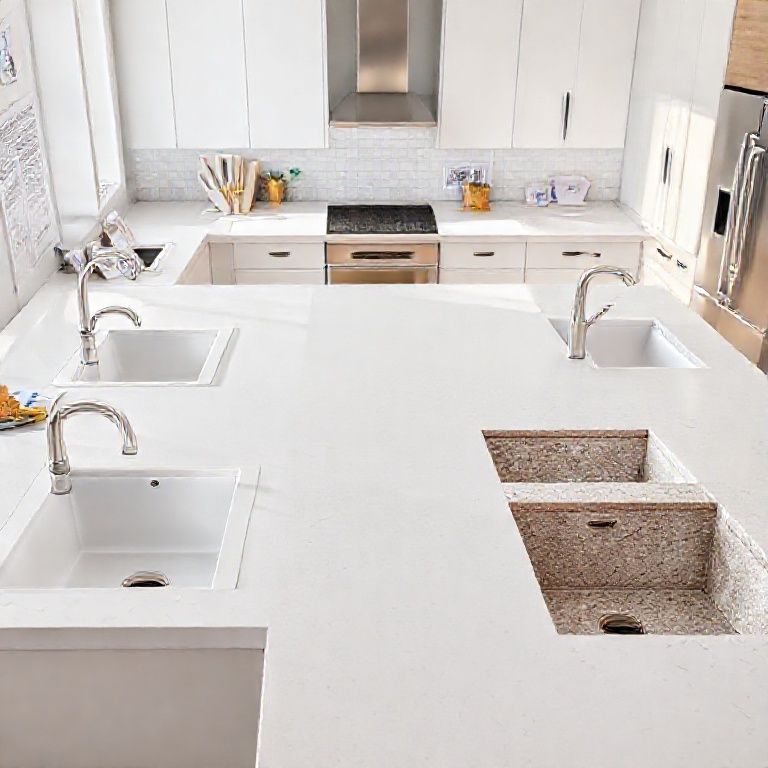
When considering countertops, the heart of many kitchens and bathrooms, both Corian and engineered quartz offer compelling solutions, yet with distinct personalities. Corian’s inherent ability to be formed into sinks that are seamlessly integrated into the countertop is a significant advantage for many. This creates a smooth, unbroken surface that is incredibly easy to clean, eliminating the collection points for grime that often plague traditional undermount or drop-in sinks. Furthermore, if a custom-shaped sink is desired – perhaps a particular radius or a shallow basin for a powder room – Corian can accommodate this with ease. This level of integration offers a sophisticated, streamlined look that is hard to achieve with other materials.
However, for those who frequently engage in culinary activities that involve high heat, such as placing hot pans directly from the stove or oven, engineered quartz like Zodiaq often takes the lead. While Corian can tolerate moderate heat and will not typically scorch from a hot plate left for a short period, it is not impervious to thermal shock or damage from prolonged exposure to extreme temperatures. Engineered quartz, on the other hand, boasts superior heat resistance. While it’s always advisable to use trivets for any countertop material, quartz can handle higher temperatures with less risk of discoloration or cracking. This added resilience can provide invaluable peace of mind in a busy kitchen.
The aesthetic considerations are equally important. Corian offers a more subdued, matte finish as its standard, though it can be polished to a higher sheen. This allows for a more subtle integration into a design, avoiding the sometimes-reflective glare that can occur with highly polished materials. Its ability to be thermoformed also allows for softer edges and more organic shapes, which can be a boon for contemporary or minimalist designs seeking a fluid feel. The color palette of Corian is vast, and its subtle, mottled patterns can be very appealing, providing depth without being overly busy.
Engineered quartz, conversely, often presents a more consistently veined or speckled appearance, particularly when emulating natural stone. This consistency can be a double-edged sword: it provides predictable design outcomes but may lack the unique, organic variations found in natural materials. However, this predictability is also a strength, allowing designers to create a perfectly balanced and symmetrical look. The typical finish for quartz is a high polish, which refracts light beautifully and can make a space feel brighter and more luxurious. For those who love the look of marble or granite but desire the enhanced durability and consistency of an engineered product, quartz is often the preferred choice.
Let’s talk about durability beyond heat and scratches. Both materials are resistant to moisture and stains, making them excellent choices for bathrooms and kitchens. Corian’s non-porous nature is a significant factor in its hygienic properties, preventing the absorption of liquids and the growth of bacteria. This makes it an excellent choice for environments where hygiene is a top priority, such as healthcare facilities or homes with young children. Engineered quartz, with its inherent density and minimal resin content, is also non-porous and highly resistant to staining.
Maintenance is another key differentiator. Both Corian and engineered quartz are low-maintenance materials. Corian, due to its solid, homogenous composition, can be repaired relatively easily. Minor scratches, chips, or even burns can often be sanded out or filled by a certified fabricator, restoring the surface to its original condition. This repairability is a significant advantage, offering a long-term solution that can be maintained over many years. Engineered quartz, while incredibly durable, is generally not repairable in the same way. If a significant chip or crack occurs, it often requires replacement of the affected section. However, the likelihood of such damage is considerably lower due to its hardness. For routine cleaning, both materials simply require a mild soap and water or an ammonia-based cleaner. Harsh abrasives or strong chemical cleaners should be avoided for both.
When considering the investment, the price point for both Corian and engineered quartz can vary significantly based on the specific color, pattern, and complexity of the fabrication. Generally, they fall into a similar mid-to-high range for countertop materials, positioned above laminate but often more accessible than high-end natural stones like exotic granites or marbles. The long-term value proposition for both is strong. Corian’s repairability can extend its lifespan and maintain its aesthetic appeal for decades, offering excellent value through its longevity and adaptability. Engineered quartz’s sheer resilience means it’s likely to withstand the rigors of daily use with minimal wear and tear, also providing excellent long-term value through its durability and low maintenance requirements.
Ultimately, the decision between Corian solid surface and other DuPont innovations like engineered quartz comes down to a careful consideration of your priorities. If your heart is set on a perfectly seamless, integrated look, with the ability to thermoform unique shapes and the assurance of repairability for minor imperfections, Corian is an exceptional choice. It excels in creating a fluid, hygienic, and customizable environment. If, however, your primary concerns are the utmost resistance to scratches and heat, a highly polished finish, and the consistency of design, then engineered quartz might be the more fitting option. It offers a level of toughness and low maintenance that is hard to beat for busy households.
DuPont’s legacy in material science means that both Corian and its other advanced surfacing materials are backed by extensive research, rigorous testing, and a commitment to quality. They represent the pinnacle of modern material engineering, offering homeowners and designers a wealth of choices to create spaces that are not only beautiful but also exceptionally functional and enduring. By understanding the unique strengths and characteristics of each, you can confidently select the material that best aligns with your vision, your lifestyle, and the long-term aspirations for your home. The “better” choice is not a universal decree, but a personalized conclusion drawn from the interplay of your needs and the remarkable capabilities of these advanced surfacing solutions.









