
The allure of stone is undeniable. It speaks of permanence, of the raw, untamed beauty of nature, and of a certain gravitas that elevates any space. For centuries, natural stone has been the benchmark, quarried from the depths of the earth, bearing the whispers of geological time. Think of the majestic marble that adorned Roman villas, or the rugged granite that built ancient fortifications – these materials carry an inherent history, a story etched into their very being.

Natural stone, in its myriad forms, offers an unparalleled aesthetic. Each slab is a unique masterpiece, a testament to the earth’s artistic prowess. Veins of quartz shimmer like frozen lightning in a piece of marble, a testament to its metamorphic journey. The rich, earthy tones of travertine, with its characteristic pores and subtle striations, evoke a sense of ancient warmth and timeless elegance. Granite, known for its robust crystalline structure, presents a dazzling array of colors and patterns, from the speckled grandeur of black galaxy to the subtle blush of pink and grey. Quartzite, a metamorphic marvel, boasts breathtaking swirls and dramatic colorations, often surpassing even marble in its visual intensity, yet retaining an impressive hardness. Even the humble slate, with its cleaved layers and rich, varied hues, can bring a touch of rustic sophistication to a hearth or a patio.
The beauty of natural stone lies in its imperfection, its organic variations. No two pieces are ever truly identical. This uniqueness is precisely what draws many designers and homeowners. A natural stone countertop isn’t just a surface; it’s a conversation starter, a piece of art that evolves with the life it supports. The subtle shifts in color, the occasional inclusion, the natural fissures – these are not flaws, but character. They speak of the stone’s origin, its journey from the earth to your home. This inherent individuality infuses a space with a sense of authenticity and soul that is difficult to replicate.
However, this organic beauty comes with its own set of considerations. Natural stone is porous, meaning it can absorb liquids, stains, and oils. This necessitates a commitment to regular sealing and careful maintenance. Spills of red wine, coffee, or olive oil need prompt attention to prevent permanent marks. Depending on the type of stone, certain cleaning agents can also cause damage, necessitating the use of pH-neutral cleaners. While durable in its own right, some natural stones are softer than others. Marble, for instance, while exquisite, is prone to etching from acidic substances like lemon juice or vinegar, and can be scratched more easily than granite. This means that the “wear and tear” of daily life can subtly alter the stone’s appearance over time, a characteristic that some embrace as part of its patina, while others find it a cause for concern.

The quarried nature of natural stone also raises questions about sustainability and environmental impact. Large-scale quarrying can disrupt ecosystems and require significant energy for extraction, transportation, and processing. While many natural stones are incredibly long-lasting, reducing the need for frequent replacement, their initial footprint is a factor to consider in an increasingly eco-conscious world. Furthermore, the sheer weight and density of natural stone can add significant structural load to a building, requiring reinforced supports in certain applications, particularly for countertops. The cost of natural stone can also be a significant hurdle. High-quality slabs, especially those with rare or dramatic patterns, can command premium prices, placing them in the luxury segment of the market. The installation process itself often requires specialized skills and equipment, contributing to the overall investment.
Despite these considerations, the enduring appeal of natural stone persists. Its connection to the earth, its unique artistry, and its timeless elegance continue to captivate. It offers a tangible link to the planet’s history, bringing a sense of groundedness and natural beauty into our modern lives. The choice between the earth’s embrace and the artisan’s craft, however, offers a fascinating duality in the world of stone.
In contrast to the ancient artistry of natural stone, artificial stone, often referred to as engineered stone or composite stone, represents a triumph of human ingenuity and material science. Born from a blend of natural minerals, resins, and pigments, artificial stone is meticulously crafted to offer a harmonious balance of aesthetics, performance, and practicality. This controlled manufacturing process allows for an unprecedented level of customization, offering a canvas for designers to create surfaces that are both beautiful and exceptionally functional.
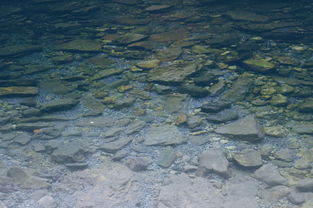
The primary advantage of artificial stone lies in its consistency and predictability. Unlike the inherent variations of natural stone, each slab of artificial stone is manufactured to exacting standards. This means that the color, pattern, and veining are uniform throughout the material. For designers and homeowners seeking a specific look or a seamless continuation of a pattern, artificial stone is an ideal choice. The manufacturing process allows for the replication of virtually any natural stone appearance, from the classic elegance of white marble to the dramatic intensity of black granite, often with fewer imperfections and a more predictable aesthetic. Furthermore, the ability to precisely control the color palette opens up a world of design possibilities, allowing for custom shades and intricate patterns that might be impossible to achieve with natural stone.
Performance is another key area where artificial stone often shines. Composed of crushed natural minerals bound together with polymers, it boasts exceptional durability. These engineered materials are typically non-porous, meaning they are highly resistant to stains, liquids, and bacteria. This makes them an incredibly practical choice for high-traffic areas like kitchen countertops, bathroom vanities, and commercial spaces where hygiene and ease of maintenance are paramount. The non-porous nature also means that artificial stone does not require regular sealing, a significant advantage for those who prefer a low-maintenance lifestyle. It is also highly resistant to scratches, heat, and impact, making it a robust and resilient option for demanding environments. The chemical composition of artificial stone also contributes to its longevity, as it is less susceptible to etching or discoloration from common household substances.
The manufacturing process of artificial stone also offers significant environmental advantages. By utilizing recycled materials and reducing the need for extensive quarrying, it presents a more sustainable option for many applications. The controlled production environment minimizes waste, and the use of modern manufacturing techniques often leads to greater energy efficiency compared to the extraction and transport of natural stone. Furthermore, the consistent dimensions and lighter weight of some artificial stone products can simplify installation, potentially reducing labor costs and the need for extensive structural reinforcement.
The range of artificial stone materials is vast and continues to expand. Quartz surfaces, a dominant player in the engineered stone market, are composed of up to 93% natural quartz, blended with polymers and pigments. This composition provides an unparalleled combination of hardness, stain resistance, and aesthetic versatility. Solid surface materials, often acrylic-based, offer seamless integration and repairability, making them ideal for complex designs and areas requiring a hygienic, continuous surface. Other engineered stones might incorporate recycled glass, concrete, or other composite elements, each offering a unique blend of properties and visual appeal.
However, it’s important to acknowledge that artificial stone is not without its limitations. While durable, extreme heat can still cause damage, and direct contact with very hot pots and pans should be avoided, just as with many natural stones. The resins used in the binding process can be sensitive to certain harsh chemicals, so understanding the recommended cleaning agents is important. While the initial cost of some artificial stones can be competitive with mid-range natural stones, high-end engineered options can approach or even exceed the price of premium natural materials. Furthermore, while artificial stone can mimic the look of natural stone, it can sometimes lack the deep, organic soul and unique character that only the earth can provide. For those who cherish the subtle imperfections and the story behind every vein, engineered stone might feel less “alive.”
Ultimately, the choice between artificial and natural stone is a deeply personal one, guided by a confluence of factors: budget, lifestyle, design aspirations, and an appreciation for the materials themselves. Natural stone offers an unparalleled connection to the earth, a piece of geological history brought into your home, embracing uniqueness and organic beauty. Artificial stone, on the other hand, provides a canvas of predictable perfection, exceptional performance, and a testament to human innovation. Both have their place in shaping beautiful, functional, and enduring spaces, each offering a distinct pathway to realizing your design vision. The soul of stone, whether it whispers from the depths of the earth or is meticulously crafted by human hands, awaits your discerning touch.









