
The allure of stone has captivated humanity for millennia. From the monumental pyramids of Egypt to the intricate carvings adorning ancient temples, stone has been the enduring canvas upon which civilizations have etched their stories. Today, this fascination continues, manifesting in our homes, our workspaces, and the very fabric of our designed environments. Yet, the world of stone has evolved. Alongside the time-honored elegance of natural formations, a new generation of meticulously crafted materials has emerged: artificial stones. This burgeoning landscape presents a delightful, albeit sometimes perplexing, choice for those seeking to imbue their spaces with beauty, resilience, and character. Understanding the fundamental differences between these two distinct categories is not merely an exercise in nomenclature; it’s a crucial step in making informed decisions that will shape the aesthetic and functional heart of your projects for years to come.

Natural stone, in its purest form, is a testament to the Earth’s incredible geological artistry. Think of the majestic veining of marble, whispering tales of ancient seas and colossal pressures. Consider the rugged, speckled beauty of granite, a frozen snapshot of volcanic fury and molten landscapes. These materials are quarried directly from the earth, each slab a unique masterpiece sculpted by billions of years of natural processes. This inherent individuality is, arguably, natural stone’s most compelling attribute. No two pieces are precisely alike. The subtle variations in color, the intricate patterns of veining, the delicate interplay of light and shadow – these are the hallmarks of nature’s unparalleled design. When you choose granite for your kitchen countertops, for instance, you are not just selecting a surface; you are embracing a singular piece of history, a testament to the planet’s raw, untamed power.
The aesthetic appeal of natural stone is undeniably its strongest suit. It exudes a sense of timeless luxury and organic warmth that is incredibly difficult to replicate. Marble, with its creamy translucence and elegant veining, evokes images of opulent palaces and classical sculptures. Granite offers a robust and sophisticated presence, its flecks and patterns creating a dynamic visual interest. Travertine, with its characteristic pits and fissures, lends an earthy, Mediterranean charm. Each natural stone possesses a distinct personality, a soulful character that can elevate any interior design scheme from ordinary to extraordinary. The tactile experience of natural stone is also noteworthy. The cool, smooth surface of polished marble or the subtly textured finish of honed granite invites touch, adding another sensory dimension to its appeal.
However, the very uniqueness that makes natural stone so desirable also presents certain practical considerations. Because it is a product of nature, its composition can vary, leading to differences in porosity and susceptibility to staining or etching. Certain natural stones, like marble, are more porous and can absorb liquids, making them more prone to staining if spills aren’t wiped up promptly. They can also be susceptible to etching from acidic substances like lemon juice or vinegar, which can dull the polished surface. This doesn’t mean these stones are unsuitable for kitchens or bathrooms, but it does mean they require a more attentive approach to maintenance. Regular sealing is often recommended to create a barrier against stains and moisture. Cleaning should typically involve mild, pH-neutral cleaners, avoiding harsh chemicals that could damage the stone’s finish.

Durability is another factor to consider. While granite is renowned for its hardness and resistance to scratches, some softer natural stones, like sandstone, can be more prone to damage from daily wear and tear. The Mohs scale of hardness, a common measure of mineral resistance to scratching, provides a useful benchmark. Diamonds, at the top of the scale, are virtually indestructible, while talc is at the bottom. Granite typically scores between 6 and 7, indicating excellent resistance to scratching, whereas marble, with a score of 3 to 4, is softer and more easily scratched. The presence of fissures or natural fault lines in some quarried slabs can also present potential weak points, although these are often carefully assessed and managed during the fabrication process.
The cost of natural stone can also be a significant consideration. High-end natural stones, particularly those with rare colors or intricate veining, can command premium prices. The quarrying process itself is resource-intensive, and the transportation of heavy slabs from remote locations adds to the overall expense. Fabrication, which involves cutting, polishing, and shaping the stone to fit specific dimensions, also requires specialized skills and equipment, contributing to the final cost. While the initial investment in natural stone might be higher, many homeowners find that its enduring beauty and ability to enhance property value make it a worthwhile long-term decision. The satisfaction of owning a truly unique, naturally formed material, a piece of the Earth’s artistry, is often considered priceless.
The sourcing and sustainability of natural stone are also increasingly important conversations. While stone is a natural resource, the environmental impact of quarrying, transportation, and processing needs to be considered. Responsible quarrying practices aim to minimize disruption to the surrounding environment and often involve reclamation efforts. Many suppliers are also emphasizing locally sourced stones to reduce transportation emissions. The longevity of natural stone, however, can be seen as a sustainable attribute. A well-maintained natural stone surface can last for generations, avoiding the need for frequent replacements, which ultimately reduces waste. The beauty and character of natural stone are not just aesthetic choices; they are an invitation to connect with the planet’s ancient narrative, a reminder of the enduring power and artistry that lies beneath our feet.
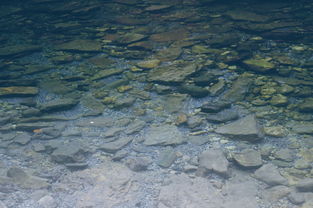
In contrast to the organic, millennia-old origins of natural stone, artificial stone, often referred to as engineered stone, represents a triumph of modern material science and human ingenuity. This category encompasses a diverse range of products, each meticulously designed to mimic, and in some cases surpass, the desirable qualities of their natural counterparts. The most prevalent form of artificial stone, and perhaps the most familiar to consumers, is quartz. Engineered quartz countertops, for example, are a popular choice, and for good reason. They are born from a carefully controlled manufacturing process that combines natural quartz crystals, pigments, and a polymer resin binder. This fusion results in a material that is not only visually appealing but also exceptionally practical.
The primary advantage of engineered quartz lies in its remarkable consistency and uniformity. Unlike natural stone, where each slab is a unique entity, quartz offers predictable aesthetics. The color, pattern, and veining are precisely controlled during manufacturing, allowing for a wide spectrum of design possibilities. Whether you desire a sleek, minimalist white surface, a dramatic black with subtle sparkle, or a convincing imitation of marble or granite, engineered quartz can deliver. This consistency is a boon for designers and homeowners alike, enabling them to achieve a specific look with a high degree of certainty. For larger projects or when precise color matching is essential, the uniformity of quartz is a significant advantage.
The fabrication process for artificial stone, particularly quartz, is also highly refined. The resin binder that holds the quartz crystals together also makes the material non-porous. This is a game-changer when it comes to maintenance and hygiene. Non-porous surfaces do not absorb liquids, which means they are highly resistant to staining from common kitchen culprits like red wine, coffee, or oil. This inherent resistance significantly reduces the need for frequent sealing, a common maintenance task associated with many natural stones. Cleaning engineered quartz is typically straightforward, requiring just soap and water or a mild household cleaner. The absence of porosity also makes it less likely to harbor bacteria, contributing to a more hygienic environment, especially in kitchens and bathrooms.
Durability is another area where artificial stone shines. The combination of hard quartz crystals and a resilient resin matrix results in a material that is exceptionally strong and resistant to scratches and chips. Engineered quartz generally scores very high on the Mohs scale, comparable to or even exceeding that of granite, making it a robust choice for high-traffic areas. The resin binder also provides a degree of flexibility, making it less prone to cracking or breaking during installation or under impact. This robust nature translates into a material that can withstand the rigors of daily life with minimal fuss.
The development of artificial stones has also opened up a world of creative possibilities. Manufacturers can embed metallic flecks, create translucent effects, or develop intricate patterns that are simply not achievable with natural stone. This allows for a level of customization and design flexibility that can cater to even the most avant-garde aesthetic. Beyond quartz, other forms of artificial stone include solid surfaces (often acrylic or polyester based), which are seamless and repairable, and sintered stone, a newer, ultra-compact material that boasts extreme durability and heat resistance. Each type offers a unique set of properties and aesthetic profiles, expanding the palette of available materials for designers.
When considering cost, artificial stone often presents a compelling value proposition. While high-end engineered quartz can approach the price of mid-range natural stones, many options are more budget-friendly. The controlled manufacturing process, combined with the efficient use of raw materials, can lead to more predictable pricing compared to the fluctuations often seen in the natural stone market. Furthermore, the reduced maintenance requirements of artificial stone, such as the elimination of periodic sealing, can translate into lower long-term ownership costs.
Sustainability is a growing consideration in the artificial stone industry. While the manufacturing process involves energy and resources, many companies are investing in more sustainable production methods, including the use of recycled materials and renewable energy sources. The durability and longevity of engineered stone also contribute to its sustainability profile, as it does not need to be replaced as frequently as some other countertop materials. The ability to precisely control material composition can also lead to less waste during fabrication compared to some natural stone quarrying processes.
The choice between natural and artificial stone is ultimately a deeply personal one, influenced by a blend of aesthetic preferences, practical needs, and budgetary considerations. Natural stone offers a connection to the Earth’s ancient artistry, a unique character that cannot be replicated. It whispers tales of time and geology, bringing a sense of organic luxury and unparalleled individuality to any space. However, this beauty often comes with a demand for more attentive care and a greater acceptance of inherent variations. Artificial stone, on the other hand, represents the pinnacle of modern material science, offering predictable beauty, exceptional durability, and low maintenance. It provides a canvas for precise design, catering to a desire for consistent aesthetics and a more hands-off approach to upkeep. Whether you are drawn to the soulful, inimitable essence of a granite slab or the flawless, engineered perfection of a quartz surface, both natural and artificial stones offer compelling pathways to creating spaces that are not only beautiful but also enduring testaments to our design aspirations. The soul of stone, in all its forms, continues to inspire and shape the world around us.









