The quest for the perfect surface often leads us down a path paved with quartz, granite, and a myriad of other luxurious materials. But when we talk about “2公分厚人造石板多钱一平方” (how much does a 2cm thick artificial stone slab cost per square meter?), we’re not just discussing a number; we’re opening a portal into the world of engineered beauty, where innovation meets artistry to create surfaces that are as practical as they are breathtaking. The intrigue of artificial stone, particularly in a substantial 2cm thickness, lies in its ability to mimic the natural world while offering superior performance and often, a more accessible price point. It’s a material that has revolutionized interior design, allowing homeowners and designers alike to achieve high-end aesthetics without compromising on durability or budget.
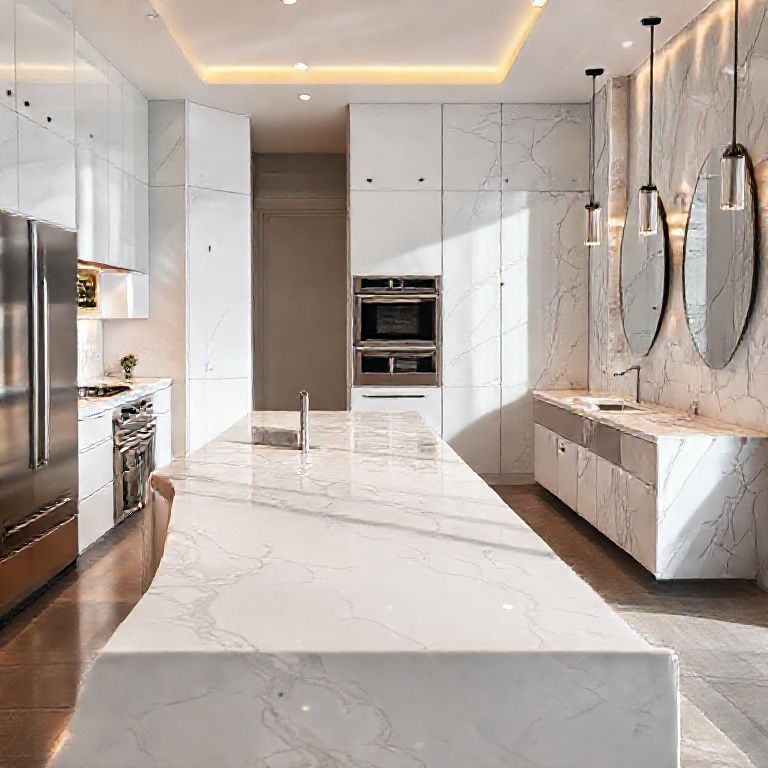
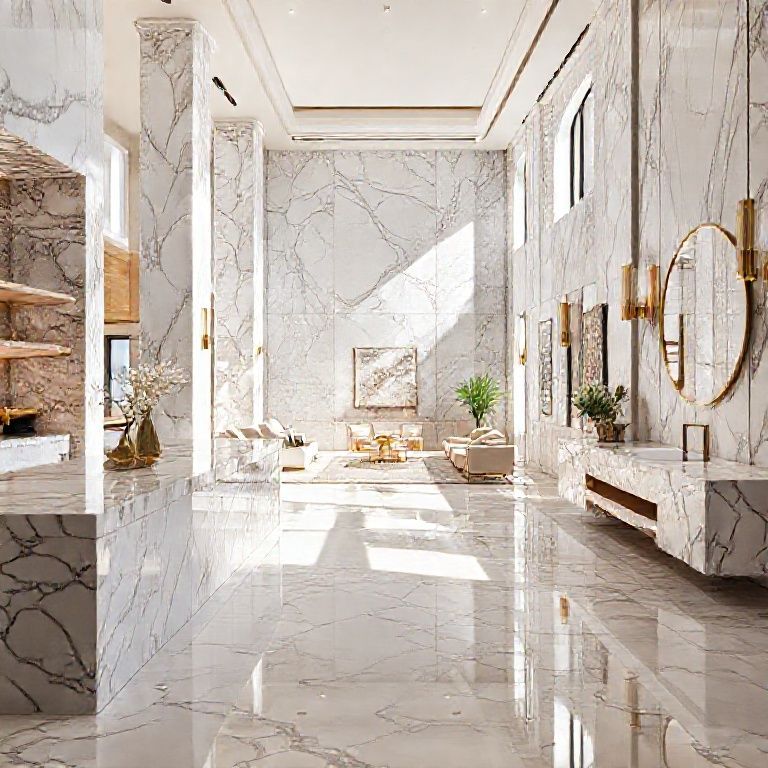
Let’s embark on a journey to understand what influences the “how much” of these magnificent slabs. The price per square meter of 2cm artificial stone is a dynamic figure, shaped by a confluence of factors. At its core, the raw materials play a significant role. Artificial stone, often a blend of quartz crystals, resins, and pigments, sees its cost fluctuate based on the quality and proportion of these components. Higher concentrations of natural quartz, for instance, generally translate to increased durability and a more authentic look, thus influencing the final price. Then there are the pigments and binders. The sophistication of the coloring process, the depth and complexity of the veining, and the overall finish – whether it’s a polished, honed, or brushed effect – all contribute to the artistry involved and, consequently, the cost. A meticulously crafted imitation of Calacatta marble with intricate, realistic veining will naturally command a higher price than a solid, uniform color.
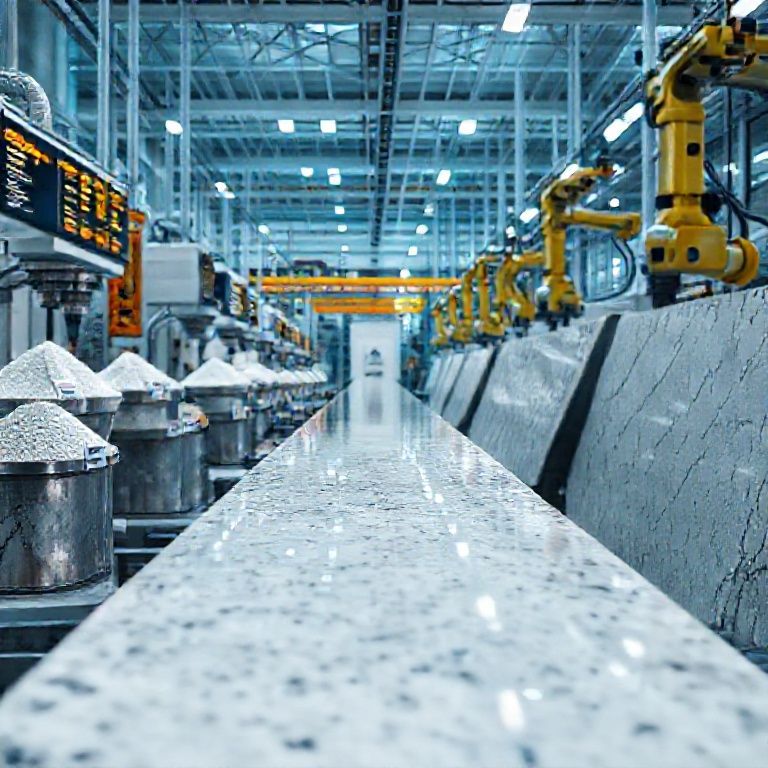
Beyond the inherent composition, the manufacturing process itself is a significant cost driver. Advanced techniques, such as vacuum pressing and high-temperature curing, are employed to create dense, non-porous slabs that are resistant to stains, scratches, and heat. The technology and machinery required for these processes represent a substantial investment for manufacturers, which is then reflected in the material’s price. Furthermore, the brand and the origin of the artificial stone can also play a part. Renowned manufacturers often invest heavily in research and development, quality control, and marketing, leading to a premium price for their products. Similarly, the geographical location of production can impact shipping and logistical costs, which are factored into the per-square-meter price.
The thickness of the slab, specifically the 2cm (approximately 0.78 inches), is a crucial detail. While thinner slabs (around 1.2cm or 0.5 inches) are often used for wall cladding or backsplashes, the 2cm thickness offers a more robust and substantial feel, making it ideal for high-traffic areas like kitchen countertops and bathroom vanities. This increased thickness provides greater structural integrity, reducing the need for extensive support structures and offering a luxurious visual weight. This inherent strength and aesthetic appeal are precisely why many opt for the 2cm dimension, and it’s a factor that contributes to its value proposition, even if it means a slightly higher initial investment compared to thinner alternatives.
When we inquire about “2公分厚人造石板多钱一平方,” it’s also important to consider the broader economic landscape. Global supply chain dynamics, raw material availability, and even currency exchange rates can influence pricing. Periods of high demand, such as during booming construction or renovation cycles, can also see prices rise. Conversely, increased production capacity or market competition might lead to more competitive pricing. It’s a market that’s constantly evolving, influenced by both the intricate details of material science and the broader tides of global commerce.
However, focusing solely on the price per square meter can be a disservice to the true value proposition of 2cm artificial stone. It’s a material that embodies a harmonious blend of form and function. Its non-porous nature is a significant advantage, especially in kitchens and bathrooms where hygiene is paramount. Unlike natural stone, which can be susceptible to staining from liquids like wine, coffee, or oil, artificial stone offers superior resistance, making it incredibly easy to maintain. A simple wipe-down with soap and water is often all that’s needed to keep it looking pristine, saving valuable time and effort in daily cleaning routines.
The durability of 2cm artificial stone is another compelling attribute. Engineered for strength, it can withstand the rigors of daily use, resisting chips, cracks, and scratches. This resilience makes it a long-term investment, capable of maintaining its beauty and integrity for years to come. This robust performance is particularly important for countertops, where hot pots and pans are frequently placed, and where cutting boards are in constant use. While it’s always advisable to use trivets and cutting boards to prolong its life, the inherent resistance of artificial stone provides a significant peace of mind.
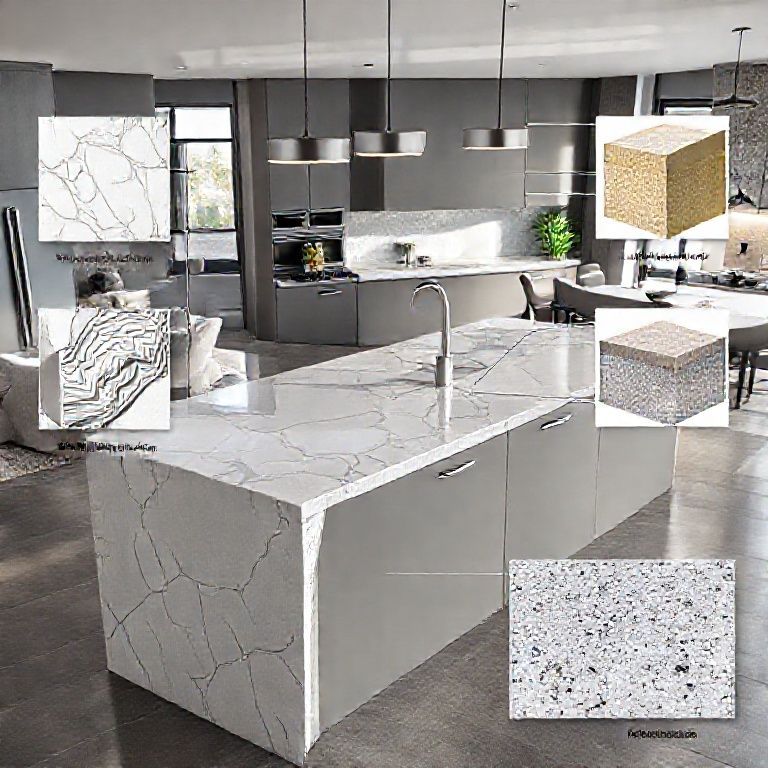
Furthermore, the aesthetic possibilities with 2cm artificial stone are virtually limitless. Designers can select from an extensive palette of colors, patterns, and finishes, allowing for unparalleled customization. Whether you’re aiming for the timeless elegance of marble, the rustic charm of granite, or a sleek, contemporary look with bold geometric patterns, artificial stone can deliver. The uniformity of color and pattern within a slab also eliminates the unpredictability often associated with natural stone, ensuring a consistent and cohesive design outcome. This predictability is a significant advantage for designers and homeowners who have a specific vision in mind. The ability to precisely match slabs and create seamless installations further enhances its appeal, allowing for the creation of truly bespoke living spaces.
The “how much” question, therefore, is a gateway to a deeper appreciation of this remarkable material. It’s not just about the cost per square meter; it’s about the investment in beauty, durability, and effortless maintenance that 2cm artificial stone brings to any home. It’s about understanding the intricate blend of science and art that goes into its creation, and the transformative power it holds for interior spaces.
As we delve deeper into the world of “2公分厚人造石板多钱一平方” (how much does a 2cm thick artificial stone slab cost per square meter?), the conversation naturally extends beyond mere numbers to the practicalities of its installation and its diverse applications. The thickness of 2cm is not merely a measurement; it’s a statement of solidity, a guarantee of a certain gravitas that thinner materials often lack. This substantial presence makes it a prime candidate for surfaces that demand both visual appeal and robust performance, a role it fulfills with exceptional grace.
The installation of 2cm artificial stone is a process that requires skilled hands and meticulous attention to detail. Unlike some natural stones that can be more forgiving, engineered stone, especially at this thickness, demands precision. The cutting, shaping, and fitting of these slabs need to be carried out by experienced fabricators who understand the material’s properties. The cost of installation is an additional factor that must be factored into the overall project budget. This typically includes templating (creating precise measurements of the space), cutting the slabs to size, edge profiling (adding decorative or functional edges), and the final installation and sealing. The complexity of the design, the number of cutouts for sinks or cooktops, and the intricacy of the edge profiles will all influence the labor costs associated with installation. A simple straight edge will be less expensive to fabricate than a bullnose or ogee edge, for example.
When considering the price per square meter, it’s also vital to differentiate between the material cost and the fully installed cost. The quoted price for the slab itself will not include the labor involved in transforming it from a raw slab into a functional and beautiful part of your home. This is a crucial distinction that many homeowners overlook. A seemingly attractive price per square meter for the stone can escalate significantly once fabrication and installation are factored in. Therefore, obtaining comprehensive quotes that detail all aspects of the project – material, fabrication, and installation – is essential for accurate budgeting. It’s also worth noting that different suppliers might have varying pricing structures for fabrication services, so comparing multiple quotes from reputable fabricators is always a wise move.
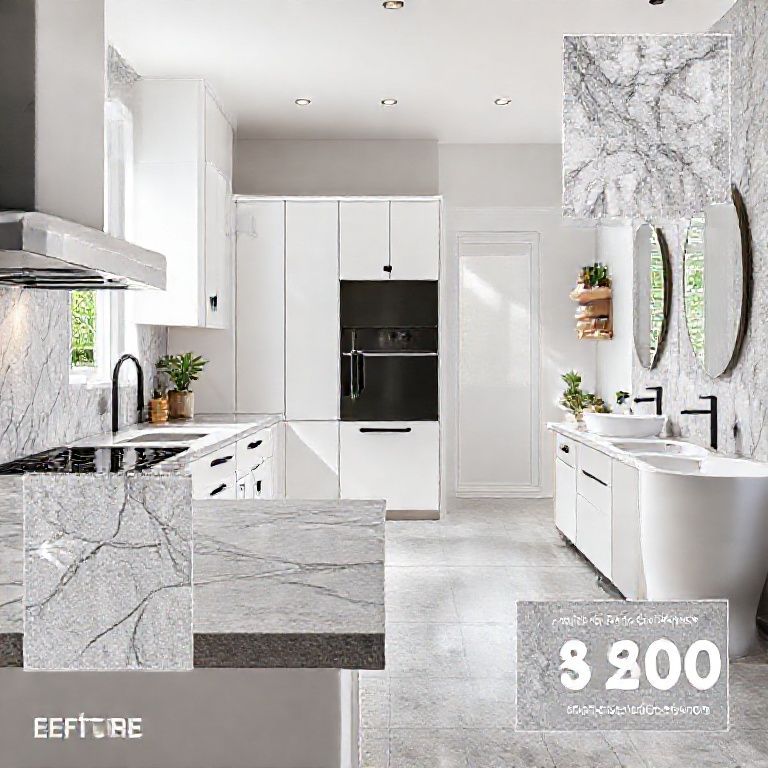
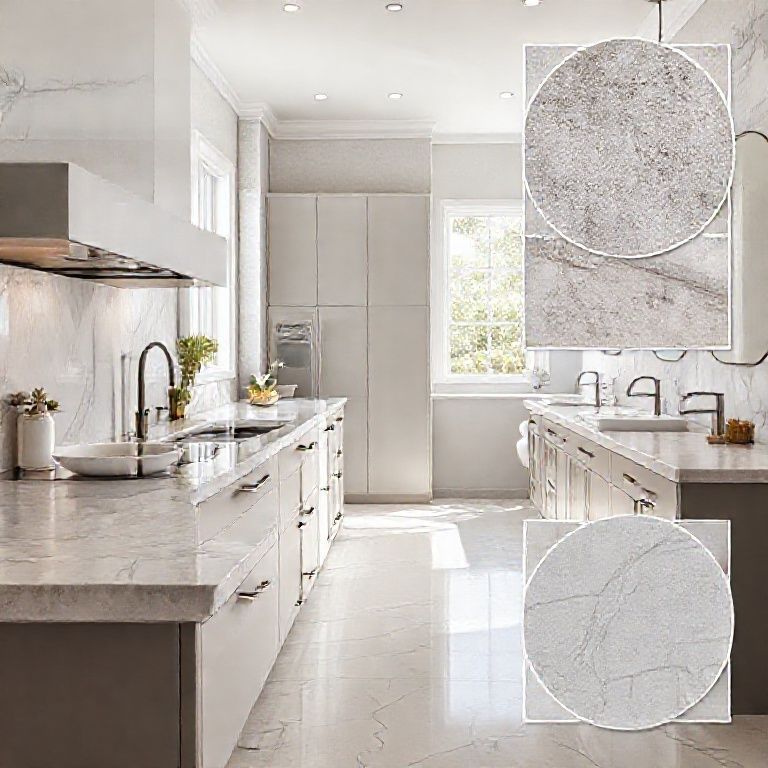
The versatility of 2cm artificial stone is where its true value truly shines. While kitchen countertops and bathroom vanities are its most common haunts, its applications extend far beyond. In the kitchen, beyond countertops, it can be used for statement backsplashes that create a seamless flow from the work surface to the wall, or for integrated sinks that offer a clean, minimalist aesthetic. The non-porous nature makes it exceptionally hygienic for food preparation areas, resisting bacteria and mold growth.
In bathrooms, the durability and water-resistance of 2cm artificial stone make it an excellent choice for shower walls, tub surrounds, and vanity tops. The ability to create large, seamless panels minimizes grout lines, which can be prone to mold and mildew in damp environments. This leads to a more hygienic and easier-to-clean space. The aesthetic possibilities are also immense, allowing for the creation of spa-like retreats with luxurious finishes that mimic natural stone but offer superior performance in a high-humidity environment.
Beyond the wet areas, 2cm artificial stone finds its way into dining tables, coffee tables, and even as feature walls or fireplace surrounds. Its ability to be molded and shaped into various forms opens up creative possibilities for furniture design and architectural accents. Imagine a dramatic fireplace clad in a dramatic, veined artificial stone, or a sleek, modern dining table that’s both stunning to look at and incredibly practical for everyday use. The substantial thickness of the 2cm slabs lends itself beautifully to these applications, providing a sense of permanence and luxury.
The selection process for 2cm artificial stone is an exciting part of the journey. It involves visiting showrooms, touching samples, and envisioning how the material will integrate into your existing or planned design scheme. The way light interacts with the surface, the feel of the edge profile, and the overall visual impact are all important considerations. It’s a tactile and visual experience that goes beyond simply looking at a picture online. Understanding the nuances of different patterns, such as the intensity and spread of veining or the presence of subtle speckling, is key to making an informed decision. Some patterns are more uniform, offering a consistent look, while others are designed to mimic the natural variations found in real stone, providing a more dynamic and organic feel.
When asking “2公分厚人造石板多钱一平方,” it’s also prudent to consider the long-term value. While the initial investment might be higher than some laminate or tile options, the longevity, ease of maintenance, and resistance to damage can make it a more cost-effective choice over time. The need for replacement or extensive repairs is significantly reduced, freeing up future budgets and minimizing disruption. It’s an investment in a material that elevates the perceived value of a home, offering both aesthetic appeal and practical benefits that stand the test of time.
The market for artificial stone is continuously evolving, with new designs, finishes, and technologies emerging regularly. This innovation ensures that the material remains at the forefront of interior design trends. From ultra-realistic marble replicas with intricate veining to bold, abstract patterns and textured finishes, the options are constantly expanding, catering to an ever-wider range of tastes and design sensibilities. The development of improved resin formulations and manufacturing techniques also contributes to enhanced durability and performance, making artificial stone an increasingly attractive option for demanding applications.
Ultimately, the question of “how much does a 2cm thick artificial stone slab cost per square meter?” is an invitation to explore a material that offers a compelling blend of luxury, practicality, and artistic expression. It’s about understanding the factors that contribute to its price, appreciating its diverse applications, and recognizing its long-term value as a transformative element in any living space. The 2cm thickness, in particular, signifies a commitment to quality and a desire for surfaces that are as enduring as they are beautiful, making it a cornerstone of modern, sophisticated design.