
The allure of stone in our living spaces is undeniable. From the sleek, modern lines of a kitchen island topped with a gleaming surface to the timeless elegance of a bathroom vanity, stone offers a sense of permanence and luxury that few other materials can match. But when it comes to choosing the perfect stone, a fundamental question often arises: should you opt for the meticulously crafted beauty of engineered stone, or the raw, untamed grandeur of natural stone? This decision is not merely an aesthetic one; it’s deeply intertwined with economics. The phrase “人造石和天然石价格相差多少” – “How much does artificial stone and natural stone differ in price?” – encapsulates a central dilemma for anyone embarking on a renovation or design project.

Let’s begin by dissecting the contenders. On one side, we have the realm of “人造石” (rén zào shí), artificial stone, most commonly represented by engineered quartz. This isn’t just a simple imitation; it’s a sophisticated composite material. Engineered quartz is typically composed of around 90-95% ground natural quartz crystals, bound together with polymer resins and pigments. The manufacturing process allows for an incredible degree of control over the final product. Colors can be precisely matched, patterns can be engineered to be uniform or even strikingly unique, and finishes can range from a high gloss to a subtle matte. This precision engineering is a significant factor in its pricing. The raw materials – quartz granules, resins, and pigments – are processed and molded under intense pressure and heat. This industrial process, while replicable and scalable, involves significant upfront investment in machinery, research and development, and quality control. The consistent composition also translates into predictable performance characteristics. Engineered quartz is non-porous, making it highly resistant to stains and scratches. It also requires minimal maintenance, often just a wipe with soap and water. This durability and ease of care are selling points that contribute to its perceived value and, consequently, its price.
On the other side of the spectrum stands “天然石” (tiān rán shí), natural stone. This encompasses a breathtaking array of materials, with granite and marble being the most popular choices for residential applications. Granite, quarried directly from the earth, is an igneous rock formed from the slow crystallization of magma below the Earth’s surface. Its formation over millennia imbues it with unique geological histories, resulting in an astonishing diversity of colors, patterns, and veining. No two slabs of granite are ever identical. This inherent uniqueness is a major part of its appeal and a key driver of its price. The process of extracting granite is labor-intensive and requires specialized quarrying techniques. Blocks of stone are cut from the earth, then transported to processing facilities where they are sliced into slabs, polished, and prepared for installation. The geological rarity of certain colors or patterns can significantly influence the cost. A granite with rare mineral inclusions or a particularly striking, sought-after veining pattern will command a higher price than a more common variety.
The price difference between these two types of stone is not a simple, fixed ratio. It’s a dynamic interplay of manufacturing processes, material sourcing, labor, transportation, and market demand. Generally speaking, engineered quartz tends to fall within a mid-to-high price range, while natural stone, particularly granite, can span a much wider spectrum, from moderately priced to exceptionally expensive, depending on its origin and unique characteristics. A common misconception is that “artificial” automatically means “cheaper.” While some simpler forms of artificial stone might be less expensive, the sophisticated engineering of quartz places it in direct competition with, and sometimes even above, the cost of certain natural stones. The cost of engineered quartz is largely driven by the manufacturing process, the quality of the resins used, and the complexity of the patterns produced. For example, a solid white or black engineered quartz might be more affordable than a granite with intricate veining, but a highly complex, marbled-look engineered quartz could easily rival or exceed the price of a common granite.
Furthermore, the installation process plays a role. While both materials require professional installation, the handling and preparation of natural stone slabs can sometimes be more complex due to their weight and the need for precise seam work, especially with irregular patterns. The porosity of natural stone, particularly certain types of granite and marble, also necessitates sealing to protect against stains and etching. While this is a relatively minor additional cost, it’s a factor to consider in the overall ownership expense. The concept of “value” also enters the equation. While engineered quartz offers consistency and low maintenance, many homeowners are drawn to the authentic, one-of-a-kind beauty of natural stone. The inherent imperfections, the story told by its geological formation, and the sense of bringing a piece of the natural world into their homes are intangible qualities that justify a higher price point for many. The market also plays a significant role. High-end residential projects often seek exotic and rare natural stones, driving up demand and prices for those particular varieties. Conversely, engineered quartz manufacturers are constantly innovating, creating new patterns and colors that appeal to a broad market, allowing for economies of scale that can help manage costs. Understanding these foundational differences is the first step in navigating the financial landscape of stone surfaces.
Continuing our exploration into the price disparity between artificial and natural stone, we must delve deeper into the nuances that influence cost. The phrase “人造石和天然石价格相差多少” isn’t just about the initial purchase price; it’s a multifaceted question encompassing the entire lifecycle of the material, from quarry to countertop and beyond. When we consider engineered quartz, its price is largely dictated by the sophistication of its manufacturing and the proprietary formulas employed by different brands. The quality of the quartz crystals, the type and amount of resin binder, and the precision of the color and pattern integration all contribute to the final cost. Brands that invest heavily in research and development to create realistic marble-like veining or unique, artistic patterns will naturally command higher prices. Think of it like high fashion versus ready-to-wear – both are garments, but the design, materials, and craftsmanship lead to vastly different price points. The consistency of engineered quartz is a double-edged sword for pricing. On one hand, it allows for efficient mass production, which can keep costs relatively stable. On the other hand, its predictable nature means that unique, one-of-a-kind attributes that drive up the price of natural stones are absent.
The sourcing and extraction of natural stone, conversely, introduce a level of unpredictability that directly impacts its price. Granite, for instance, is a global commodity. Deposits vary wildly in their geological composition, rarity, and ease of extraction. A granite quarried from a readily accessible, abundant deposit in one region might be significantly less expensive than a similar-looking granite from a remote, difficult-to-access quarry in another continent. The process of quarrying itself is a significant cost factor. Blasting, sawing, and carefully extracting massive blocks of stone from the earth requires specialized heavy machinery, skilled labor, and rigorous safety protocols. Once extracted, these blocks are transported to processing facilities, where they are cut into manageable slabs. The thickness of these slabs, the precision of the cuts, and the quality of the polishing all contribute to the final price. A perfectly polished, book-matched slab (where two slabs are cut from the same block and opened like a book to create a mirrored pattern) will be more expensive than two randomly cut, polished slabs.
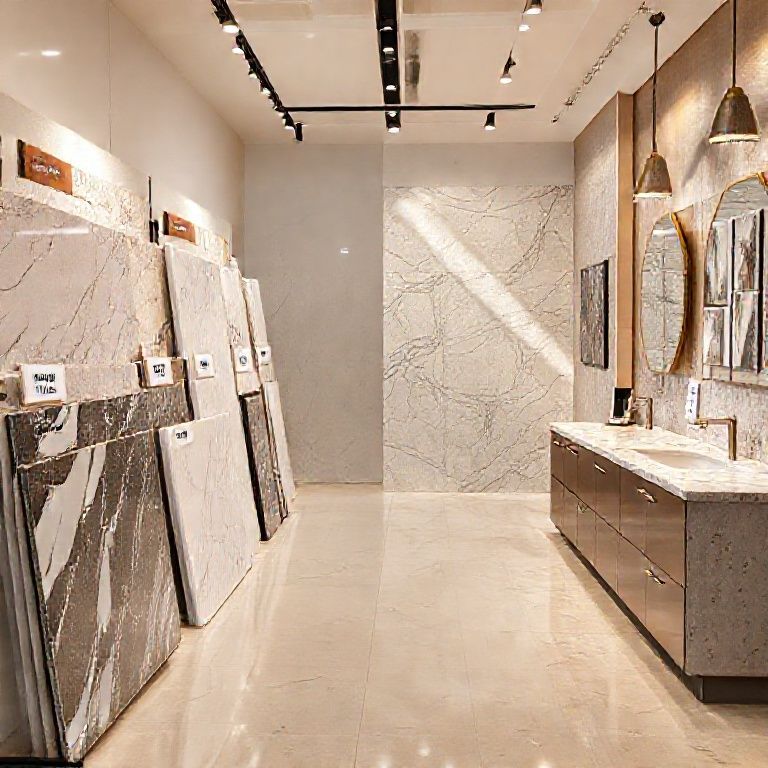
The aesthetic appeal of natural stone is inherently tied to its uniqueness. This uniqueness can translate into higher prices. A granite with a rare mineral composition that creates a striking, unusual color – think of deep blues or vibrant reds – will naturally be more costly than a more common beige or grey granite. Similarly, intricate and dramatic veining patterns in marble or quartzite can significantly increase their value. This is where the “wow factor” of natural stone comes into play, and consumers are often willing to pay a premium for a surface that is truly one of a kind, a piece of art crafted by nature. Engineered quartz, while capable of mimicking these natural looks with impressive fidelity, still lacks the inherent geological story. Its beauty is a testament to human ingenuity rather than geological time.
The market dynamics for each material also play a crucial role in price differentiation. Engineered quartz is a manufactured product, and its price is heavily influenced by brand reputation, marketing, and production volumes. Major manufacturers can achieve economies of scale, making their products competitive. The warranty offered by the manufacturer is also a factor; a longer, more comprehensive warranty can justify a higher price. Natural stone, on the other hand, is subject to the vagaries of supply and demand for specific types and colors. Exotic or highly sought-after natural stones can see their prices fluctuate significantly based on trends in interior design and architectural preferences. A surge in popularity for a particular type of marble, for example, can lead to increased demand and, consequently, higher prices from quarries and fabricators.
Beyond the initial material cost, consider the fabrication and installation expenses. Both engineered quartz and natural stone require skilled fabricators to cut, shape, and polish the slabs to fit the specific dimensions of your project. However, the handling of natural stone can sometimes be more delicate due to its inherent variations. For instance, some natural stones might be more prone to chipping or cracking during fabrication if not handled with extreme care, potentially leading to higher labor costs or the need for replacement pieces. The installation of natural stone might also involve specialized techniques to ensure proper support and sealing, especially for very heavy or porous materials.
When comparing “人造石和天然石价格相差多少,” it’s not simply a matter of a percentage difference. It’s a spectrum. A basic, solid-color engineered quartz might be less expensive than a mid-range granite. However, a high-end, complex-patterned engineered quartz could easily be on par with, or even exceed, the cost of many common granite varieties. Rare or exotic natural stones, such as certain types of marble or semi-precious stones, will almost always be significantly more expensive than even the most premium engineered quartz. The decision, therefore, becomes a balancing act between budget, desired aesthetics, and lifestyle needs. If durability, uniformity, and low maintenance are paramount, engineered quartz often offers excellent value. If the desire is for the unparalleled beauty, unique character, and natural artistry of a geological masterpiece, then natural stone, with its potentially higher price tag, might be the choice that truly speaks to the heart of your home. The “price difference” is not just a number; it’s a reflection of the journey from earth to home, and the artistry involved in both natural formation and human innovation.









