
Choosing the right countertop material is a significant decision in any home renovation. Among the popular choices, quartz has carved out a substantial niche, celebrated for its durability, low maintenance, and stunning aesthetic appeal. However, within the realm of quartz, there’s a detail that often gets overlooked but carries considerable weight: the thickness. Specifically, the difference between 1.5cm and 2cm quartz countertops. While it might seem like a minor detail, this seemingly small variation can impact everything from the visual harmony of your space to its practical performance and even your budget. Let’s embark on a journey to demystify this crucial distinction and empower you to make an informed choice.

At first glance, the thickness difference might appear insignificant, perhaps even negligible. After all, we’re talking about a mere half a centimeter – roughly the thickness of a few stacked coins. However, in the world of interior design and material selection, these subtle nuances can often be the difference between a good design and a truly exceptional one. The thickness of your quartz countertop directly influences its perceived weight, its structural integrity, and how it integrates with cabinetry and other design elements.
Consider the visual impact. A thicker countertop, like the 2cm option, often conveys a sense of solidity and luxury. It has a more substantial presence, which can be particularly desirable in larger kitchens or spaces where a statement piece is intended. The edge profile also plays a role here. A thicker slab allows for more elaborate and dramatic edge treatments, such as ogee or waterfall edges, which can elevate the overall design aesthetic. These thicker edges can add a touch of traditional elegance or a modern, sculpted look, depending on the chosen profile. In contrast, 1.5cm quartz, while still sleek and elegant, presents a lighter, more delicate profile. This can be an advantage in smaller kitchens or bathrooms where a less imposing countertop might prevent the space from feeling cluttered. It can also complement a minimalist or contemporary design scheme, where clean lines and understated elegance are paramount. The thinner profile can contribute to an airy, open feel, making smaller spaces appear more expansive.
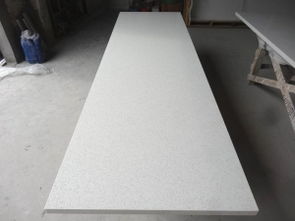
Beyond aesthetics, the functional implications of thickness are also worth exploring. Durability is a cornerstone of quartz’s appeal, and both 1.5cm and 2cm options offer excellent resilience. However, there’s a general perception, and often a reality, that thicker materials possess greater inherent strength. A 2cm slab is inherently more robust and less prone to chipping or cracking, especially at the edges, compared to its 1.5cm counterpart. This added thickness provides a greater buffer against accidental impacts. For households with young children or in high-traffic areas where the countertops might be subjected to more rigorous use, the added peace of mind that comes with a 2cm thickness can be a significant factor.
However, it’s crucial to understand that quartz is a engineered stone, and its strength is not solely dependent on thickness. The manufacturing process, the quality of the resins and pigments used, and the overall density of the slab all contribute to its durability. High-quality 1.5cm quartz can still be exceptionally strong and perform admirably for many years. The key is to not solely rely on thickness as the sole indicator of durability. Instead, consider it as one component of a larger picture that includes the manufacturer’s reputation and the specific product’s specifications.

Installation is another area where thickness can play a role. Heavier, thicker slabs of 2cm quartz will require more robust support from the cabinetry. This might mean reinforcing existing cabinets or opting for stronger cabinet construction, especially for island countertops that may require cantilevered sections. While this might add to the overall cost of installation, it also ensures the long-term stability and safety of your countertops. Conversely, 1.5cm quartz is lighter and can often be installed directly onto existing cabinetry with less concern for structural reinforcement, potentially simplifying the installation process and reducing labor costs. This can be a considerable advantage if you’re working with a tighter renovation budget or if your existing cabinetry is not designed to bear the weight of heavier materials.
The cost factor is, of course, a paramount consideration for most homeowners. Generally speaking, 2cm quartz countertops tend to be more expensive than 1.5cm options. This price difference stems from several factors. Firstly, the manufacturing process for thicker slabs requires more raw materials, directly increasing production costs. Secondly, the transportation of heavier slabs can incur higher shipping fees. Finally, as mentioned earlier, the installation of thicker quartz may necessitate additional labor and structural reinforcements, further contributing to the overall expense. Therefore, if budget is a primary concern, 1.5cm quartz can offer a more economical solution without a significant compromise on the inherent beauty and functionality of quartz. It allows homeowners to achieve the desired quartz aesthetic at a more accessible price point, making it a compelling option for those seeking to maximize value.
In summary, the distinction between 1.5cm and 2cm quartz countertops is not merely a technicality; it’s a design choice with tangible implications. While 2cm offers a sense of robust luxury and enhanced durability, 1.5cm provides a lighter, more budget-friendly, and potentially more adaptable option, particularly in certain design contexts. Understanding these differences is the first step towards making a selection that perfectly aligns with your vision, your lifestyle, and your financial parameters.
Continuing our exploration into the nuances of quartz countertop thickness, let’s delve deeper into how these distinctions translate into practical application and long-term satisfaction. While the initial aesthetic and structural considerations are vital, the ongoing performance and integration of your chosen quartz also warrant careful examination.
One aspect to consider is the longevity and resistance to wear and tear. As mentioned, 2cm quartz generally offers a greater degree of inherent strength. This translates to a superior ability to withstand the rigors of daily use. Imagine the scenario of placing a heavy pot directly onto the countertop, or the accidental impact of a dropped utensil. While quartz is engineered to be highly resistant to these types of incidents, a thicker slab provides an extra layer of protection. This is particularly relevant in kitchens, which are often the busiest hubs of a home, subjected to constant activity. For those who entertain frequently or have a large family, the enhanced durability of 2cm quartz might be a significant deciding factor, offering greater peace of mind and a reduced likelihood of encountering chips or cracks over time.
However, it’s crucial to reiterate that the quality of the manufacturing process plays an equally, if not more, important role in the overall durability of quartz. A premium-quality 1.5cm quartz from a reputable manufacturer can often outperform a lower-quality 2cm slab. Therefore, when comparing options, it’s always advisable to look beyond just the thickness and research the brand, the warranty offered, and the specific composition of the quartz. Many manufacturers offer extensive warranties that cover defects and performance issues, providing an additional layer of assurance regardless of the thickness.
The integration of your countertops with your cabinetry and overall kitchen or bathroom design is another area where thickness makes a difference. As previously touched upon, 2cm quartz allows for more dramatic edge profiles. This can be a powerful design tool, enabling you to create a focal point with a statement edge. For instance, a mitered edge or a double-thickness edge can create the illusion of an even more substantial slab, adding a luxurious depth to the countertop. This is often desired in high-end kitchens and bathrooms where a sophisticated and bespoke feel is sought. The visual weight of a thicker edge can anchor a design and contribute to a sense of permanence and quality.
On the other hand, 1.5cm quartz lends itself beautifully to contemporary and minimalist designs. Its slimmer profile can complement sleek cabinetry and create a streamlined look. For instance, a simple eased edge or a pencil edge on a 1.5cm slab can maintain a clean, uncluttered aesthetic. In smaller spaces, this lighter visual presence is often preferred, as it prevents the countertops from overwhelming the room and contributes to an airy, open atmosphere. Furthermore, 1.5cm quartz can be an excellent choice for applications where the countertop needs to integrate seamlessly with other thinner design elements, such as backsplashes or floating shelves, maintaining a consistent visual language throughout the space.
Let’s consider the practicalities of fabrication and installation. While 1.5cm quartz is lighter and generally easier to handle, both thicknesses can be fabricated into a wide range of shapes and sizes. However, certain complex designs, such as integrated sinks or elaborate waterfall features, might be more straightforward to execute with the inherent structural stability of a 2cm slab. For waterfall edges, where the countertop material flows down the side of the cabinetry, a thicker slab naturally provides a more robust and visually pleasing transition. The seamless flow from the horizontal surface to the vertical drop is often enhanced by the substantial presence of a 2cm material.
The choice between 1.5cm and 2cm also impacts the potential for customization and integration with other materials. For instance, if you are considering a countertop that incorporates a specialized inlay or a contrasting material detail, the slightly greater surface area and structural integrity of a 2cm slab might offer more design flexibility. However, for many standard applications, 1.5cm quartz is perfectly capable of accommodating a wide array of design features.
When it comes to budget, the cost savings associated with 1.5cm quartz can be significant. Not only is the material itself often less expensive per square foot, but the reduced weight can also translate to lower transportation and installation costs. This makes 1.5cm quartz an attractive option for homeowners undertaking larger renovations or those who are looking to achieve a high-end look without exceeding their budget. It allows for a more democratic approach to luxury, making the desirable qualities of quartz accessible to a broader range of homeowners.
Ultimately, the decision between 1.5cm and 2cm quartz countertops is a personal one, guided by a blend of aesthetic preferences, functional requirements, and budgetary considerations. There is no universally “better” option; rather, there is the option that is best suited to your individual needs and circumstances.
If you prioritize a sense of substantial luxury, maximum durability against impacts, and the possibility of more dramatic edge profiles, 2cm quartz is likely the superior choice. It offers a reassuring solidity and can serve as a grand statement piece in your kitchen or bathroom.
Conversely, if you are drawn to a lighter, more minimalist aesthetic, have a more constrained budget, or are working with smaller spaces where visual lightness is key, 1.5cm quartz presents a compelling and often more practical solution. It delivers the inherent beauty and low maintenance of quartz in a sleeker, more accessible package.
Before making your final decision, it is always recommended to consult with reputable countertop fabricators and designers. They can provide expert advice based on your specific project, showcase samples of both thicknesses, and help you visualize how each option will integrate with your existing or planned cabinetry and overall design scheme. By carefully weighing the aesthetic, functional, and budgetary implications, you can confidently select the quartz thickness that will best enhance your home for years to come.









