
The Allure of Acrylic: Seamless Beauty and Adaptability
Imagine a countertop that flows as smoothly as water, seamlessly integrating into your kitchen or bathroom. This is the magic of acrylic, often referred to as solid surface. It’s a material that has captured the imagination of designers and homeowners alike, thanks to its unique blend of aesthetics and practicality. Its name, “acrylic,” might conjure images of shiny, somewhat fragile plastics, but in the realm of countertops, it’s a far more sophisticated and robust material. Think of it as the chameleon of the countertop world – adaptable, versatile, and capable of transforming any space into a vision of modern elegance.

One of the most striking advantages of acrylic countertops is their unparalleled seamlessness. Unlike natural stone or even many types of artificial stone, acrylic sheets can be joined with special adhesives that create invisible seams. This means you can have vast, sweeping countertops, integrated sinks that appear to sprout directly from the surface, and even curved or intricate designs that would be impossible with other materials. This lack of visible joints not only contributes to a sleek, minimalist aesthetic but also has practical benefits. Those pesky grout lines where dirt and grime love to accumulate simply don’t exist. Cleaning becomes a breeze, making acrylic an excellent choice for kitchens where hygiene is paramount, or for bathrooms where a spa-like, immaculate finish is desired.
Beyond its seamless nature, acrylic boasts an impressive spectrum of colors and patterns. From pristine whites and sophisticated grays to vibrant hues and convincing imitations of natural stone, the design possibilities are virtually endless. Manufacturers can even embed particles, such as metallic flecks or subtle textures, to create truly unique looks. This versatility allows you to match your countertops precisely to your existing décor or to create a bold, statement-making centerpiece for your room. Whether you’re aiming for a minimalist haven, a playful pop of color, or an earthy, natural feel, acrylic can deliver.

The tactile experience of acrylic is another point of appeal. It’s warmer to the touch than granite or quartz, which can be a welcome sensation, especially in colder climates. It also has a subtle, pleasant sheen that can be customized. While often seen with a matte or satin finish, it can also be polished to a high gloss. This adaptability in finish means you can tailor the look and feel of your countertops to your precise preferences, further enhancing the personalized aspect of designing with acrylic.
When it comes to durability, acrylic holds its own. It’s non-porous, meaning it won’t absorb liquids, making it highly resistant to stains from common culprits like wine, coffee, or oil. This inherent resistance also means it’s less likely to harbor bacteria, contributing to a more hygienic surface. While it is a solid material, it’s important to understand its specific characteristics. Unlike granite, which is exceptionally hard and scratch-resistant, acrylic can be susceptible to scratching from sharp objects. However, this is often a manageable drawback. Minor scratches can usually be buffed out or repaired by a professional, and with careful use – employing cutting boards and avoiding dragging abrasive items across the surface – the longevity of your acrylic countertops can be significantly extended.
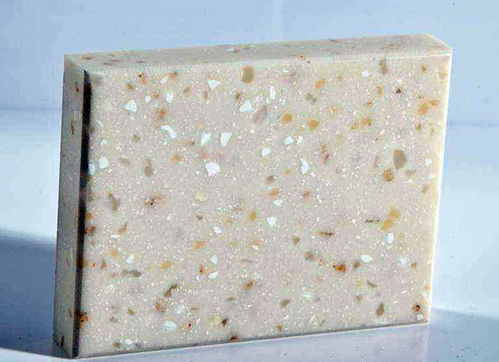
Repairability is another significant advantage. Should a chip or a deeper scratch occur, acrylic can often be repaired on-site by a skilled technician, restoring the surface to its former glory. This ability to be refreshed and rejuvenated sets it apart from materials that might require complete replacement in case of significant damage. This inherent repairability can translate into long-term cost savings and a reduced environmental footprint, as it extends the lifespan of the material.
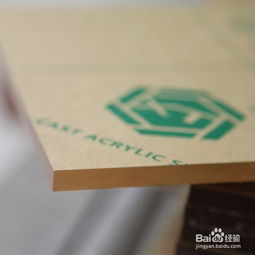
The fabrication and installation process for acrylic is also noteworthy. Because it’s manufactured in sheets and can be thermoformed (heated and bent into curves), it offers incredible design flexibility. This allows for more complex shapes and integrated elements, such as seamless backsplashes or waterfall edges, which contribute to the modern, cohesive look that acrylic excels at. The installation is typically less demanding than for heavy natural stone, which can sometimes simplify the renovation process.
Considering its properties, acrylic is a material that truly shines in applications where a seamless, hygienic, and highly customizable surface is desired. It’s a modern solution that blends aesthetic appeal with practical benefits, offering a clean, sophisticated, and adaptable choice for a wide range of interior design projects. From sleek kitchens to tranquil bathrooms, acrylic provides a canvas for creativity and a surface that’s as beautiful as it is functional. It’s a material that invites touch, inspires design, and promises a lasting, elegant presence in your home.
The Enduring Strength of Artificial Stone: Elegance Meets Resilience
While acrylic offers a world of seamless possibilities, artificial stone, most notably quartz, presents a compelling alternative for those seeking an exquisite blend of natural beauty and engineered resilience. This category encompasses a range of manufactured materials, but for the purpose of a direct comparison with acrylic, we’ll primarily focus on quartz. It’s a material that has surged in popularity, becoming a benchmark for luxury and durability in kitchen and bathroom design. If acrylic is the adaptable artist, then artificial stone, particularly quartz, is the master craftsman, delivering unparalleled strength, timeless aesthetics, and a surface that’s built to endure.
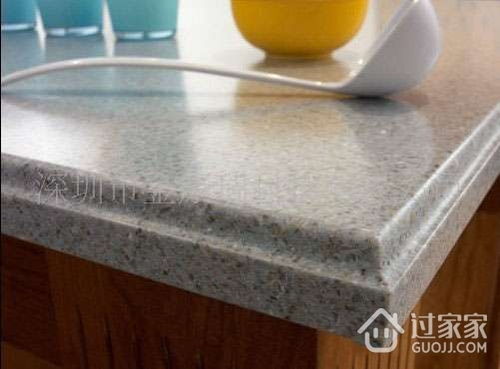
The defining characteristic of quartz countertops is their exceptional durability. Engineered from approximately 90-95% natural quartz crystals bound together with polymer resins and pigments, quartz boasts a formidable hardness. This makes it highly resistant to scratches, chips, and cracks. Unlike granite, which can be porous and susceptible to staining, quartz is inherently non-porous due to the resin binder. This means it’s impervious to liquids, effectively preventing stains from wine, coffee, juice, or cooking oils. This low maintenance and stain resistance make it an ideal choice for busy kitchens where spills are common, or for bathrooms where a pristine appearance is constantly maintained.
The aesthetic appeal of artificial stone, especially quartz, is another significant draw. It can meticulously mimic the look of natural stones like granite and marble, often with greater consistency and fewer imperfections than their natural counterparts. Manufacturers can control the patterns, colors, and veining, allowing for a predictable and refined appearance. Whether you desire the dramatic swirls of a Calacatta marble or the speckled depth of a granite, quartz can replicate these looks with stunning accuracy. Furthermore, quartz offers a broader palette of colors and finishes than many natural stones, including solid colors, subtle textures, and contemporary designs that might be difficult or impossible to achieve with quarried materials. This design flexibility allows for a highly customized look that perfectly complements your home’s style.
The manufacturing process of quartz also contributes to its uniformity and quality. Because it’s a controlled environment, manufacturers can ensure consistent color, pattern, and structural integrity across different batches. This means you can be confident that the slab you choose will look precisely as you expect, and that you can source additional material for future projects with a high degree of color matching.
Maintenance for quartz countertops is remarkably straightforward. Due to its non-porous nature, daily cleaning is as simple as wiping down with a damp cloth and mild soap. There’s no need for regular sealing, which is often required for natural stone. This ease of care makes it a practical choice for households that value low-maintenance surfaces. While it’s incredibly durable, it’s worth noting that extreme heat can pose a risk. Prolonged exposure to very hot pots and pans directly from the stovetop or oven can potentially scorch or discolor the resin. Therefore, using trivets and hot pads is always recommended.
When it comes to installation, artificial stone slabs are typically quite heavy. This means professional installation is almost always required, and the existing cabinetry must be strong enough to support the weight. While this might seem like a downside, professional installation also ensures the material is handled correctly, joints are expertly fitted, and the countertop is securely in place, contributing to its long-term stability and performance. The seams in quartz countertops are generally less visible than in many natural stones, but they will be present. The skill of the fabricator plays a crucial role in minimizing their appearance.
The cost of artificial stone, particularly quartz, can be a factor. It generally falls into the mid to high-end price range for countertop materials. However, when you consider its exceptional durability, low maintenance, and timeless aesthetic, many find it to be a worthwhile investment that adds significant value to their home. Its longevity means it’s a surface that can last for decades with minimal upkeep, often outperforming less durable materials over time.
In summary, artificial stone, especially quartz, offers a powerful combination of resilience, beauty, and low maintenance. It’s a material that appeals to those who seek the elegance of natural stone without the inherent challenges, or who desire a highly engineered surface that can withstand the rigors of daily life. Its strength, stain resistance, and consistent quality make it a top-tier choice for kitchens and bathrooms, providing a surface that is both a joy to behold and a pleasure to use. It’s a testament to modern material science, offering a luxurious and practical solution that stands the test of time.









