
Sure, I can help you with that! Here’s a soft article comparing acrylic solid surface and artificial stone, written in English as requested.

When embarking on a home renovation or designing a new space, one of the most impactful decisions you’ll make revolves around the surfaces you choose. From kitchen countertops that bear the brunt of culinary adventures to bathroom vanities that serve as personal sanctuaries, the materials selected not only dictate functionality but also profoundly influence the aesthetic appeal and overall ambiance of your home. In this arena of material marvels, two contenders often rise to the forefront: acrylic solid surface and artificial stone. While both promise durability, style, and a departure from traditional materials like natural stone or laminate, they are, in fact, distinct entities with their own unique sets of advantages and considerations. Understanding these differences is key to unlocking the perfect surface for your needs.
Let’s begin by unraveling the essence of acrylic solid surface. At its core, this material is a composite, a carefully engineered blend primarily composed of acrylic polymers and a high concentration of alumina trihydrate (ATH), a mineral derived from bauxite ore. This unique formulation imbues acrylic solid surface with a remarkable set of properties. One of its most celebrated attributes is its non-porous nature. Imagine a surface so seamless that liquids simply bead up and roll off, resisting stains from coffee, wine, or tomato sauce. This inherent impermeability makes it exceptionally hygienic, as it provides no breeding ground for bacteria or mold. This is a significant advantage, particularly in high-traffic areas like kitchens and bathrooms where cleanliness is paramount.
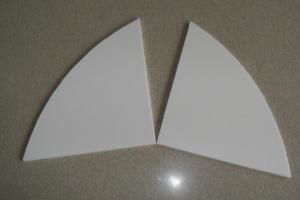
Beyond its hygienic credentials, acrylic solid surface boasts an unparalleled ability to be seamlessly fabricated. This is where its “solid” moniker truly shines. Unlike materials that require visible seams to join pieces, acrylic solid surface can be thermoformed, cut, and joined with specialized adhesives to create virtually invisible seams. This means you can achieve expansive, flowing countertops, integrated sinks that appear to grow organically from the surface, and intricate curved designs that would be impossible with other materials. The visual continuity achieved through seamless construction lends an air of sophistication and modern elegance to any design. Furthermore, if a minor scratch or scuff does appear over time, acrylic solid surface can often be repaired and refinished to its original glory, extending its lifespan and maintaining its pristine appearance.
The versatility of acrylic solid surface extends to its aesthetic possibilities. It is available in an astonishing array of colors, patterns, and textures. From solid, vibrant hues that make a bold statement to subtle, marble-like veining and granite-inspired speckles, the design palette is vast. This allows for incredible customization, enabling homeowners and designers to perfectly match their vision, whether it’s a minimalist modern aesthetic, a classic farmhouse charm, or something entirely unique. Its inherent translucency in certain formulations also opens up exciting possibilities for backlighting, creating dramatic and atmospheric effects.

However, like any material, acrylic solid surface has its considerations. While it is durable, it is not entirely impervious to heat. Prolonged exposure to very high temperatures, such as from a hot pot or pan placed directly on the surface, can cause discoloration or even damage. Therefore, the use of trivets and hot pads is a wise precaution. Similarly, while resistant to most common stains, abrasive cleaners or harsh chemicals can potentially dull its finish. Gentle cleaning with mild soap and water is usually sufficient to maintain its luster. The cost can also be a factor; while generally more affordable than natural stone, it can be a more significant investment than laminate or tile. Yet, the longevity, seamless appearance, and repairability often justify the initial outlay.
Now, let’s shift our focus to the other compelling option: artificial stone. This term itself can be a little broad, encompassing a range of engineered materials. However, when most people refer to “artificial stone” in the context of countertops, they are typically thinking of quartz surfaces, also known as engineered stone. This is a highly popular and sophisticated material that has captured the attention of homeowners and designers alike. The composition of quartz surfaces is quite different from acrylic solid surface. It is a composite material made from approximately 90-95% natural quartz crystals, bound together with a small percentage of polymer resins and pigments. This high proportion of natural quartz is what gives it its exceptional hardness and durability.
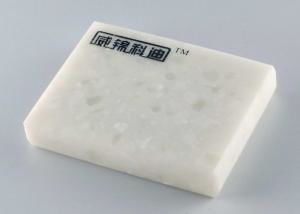
The strength and resilience of quartz surfaces are arguably their most defining characteristics. Natural quartz is one of the hardest minerals found in nature, second only to diamond. This translates into countertops that are incredibly resistant to scratches, chips, and cracks. It can withstand the rigors of daily kitchen use, including chopping directly on the surface (though using a cutting board is still recommended to preserve the life of your knives), and the occasional dropped item. This inherent toughness makes it a very low-maintenance choice for busy households.
Furthermore, the manufacturing process for quartz surfaces involves compressing these quartz crystals with resins under immense pressure and heat. This process creates a non-porous surface, much like acrylic solid surface, which means it is highly resistant to stains. Spills from wine, coffee, oil, or other common culprits are unlikely to penetrate the surface, making cleanup a breeze. This also contributes to its hygienic qualities, as it does not harbor bacteria.
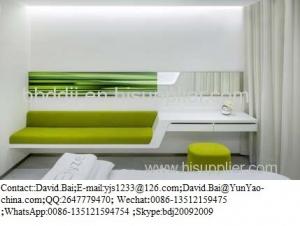
The aesthetic appeal of artificial stone, particularly quartz surfaces, is another significant draw. The beauty of natural quartz is harnessed and enhanced through the manufacturing process. The pigments and resins allow for a wide spectrum of colors, from pristine whites and deep blacks to earthy tones and vibrant hues. What sets quartz surfaces apart visually is often their ability to mimic the look of natural stone, such as marble and granite, with remarkable accuracy. You can achieve the luxurious veining of Calacatta marble or the rich speckling of black galaxy granite, often at a more consistent and predictable price point than their natural counterparts. The patterns are typically more uniform and controlled than natural stone, which can be appealing for those who prefer a more curated look.
However, as with acrylic solid surface, artificial stone comes with its own set of considerations. While exceptionally durable, its inherent hardness also means it is less forgiving than acrylic. If a heavy, sharp object is dropped at a precise angle, it can chip or crack, and unlike acrylic, repairs to quartz surfaces are often more challenging and may not be as seamlessly invisible. The heat resistance of quartz is generally very good, but it’s still advisable to use trivets for extremely hot items to prevent potential thermal shock, which could cause discoloration or cracking. While non-porous, the resin binders used in its construction can be susceptible to damage from harsh chemicals or solvents, so it’s best to stick to mild cleaning solutions. In terms of cost, quartz surfaces often fall into a mid-to-high price range, comparable to or sometimes exceeding higher-end acrylic solid surfaces, depending on the specific brand and design.
In essence, both acrylic solid surface and artificial stone (primarily quartz) offer compelling solutions for home surfaces, each with its own unique story to tell. The choice between them often boils down to prioritizing specific attributes and understanding where each material excels.
Continuing our exploration into the nuanced world of surface materials, we’ve established that both acrylic solid surface and artificial stone (predominantly quartz) offer attractive and functional alternatives to traditional options. However, their divergent compositions lead to distinct performance characteristics and application potentials. Delving deeper into these differences will help paint a clearer picture for your design decisions.
One of the most significant differentiators lies in their inherent flexibility and fabrication capabilities. As mentioned, acrylic solid surface, due to its acrylic polymer base, possesses a degree of thermoformability. This means that when heated to a specific temperature, it can be bent and molded into curved shapes. This opens up a world of design possibilities that are simply not achievable with quartz. Think of waterfall countertops that flow seamlessly from the horizontal surface to the floor, bespoke curved reception desks, or even sculptural furniture elements. The ability to create organic, flowing lines and integrate complex shapes without visible joints is a hallmark of acrylic solid surface. This level of design freedom is invaluable for architects and designers aiming for truly unique and custom spaces. Furthermore, the repair process for acrylic solid surface is a major advantage. Minor scratches, dull spots, or even small chips can often be sanded down and polished to restore the surface to its original condition. This “repairability” is a significant long-term benefit, offering peace of mind and potentially saving costs on extensive replacements over the life of the material. Imagine a kitchen countertop that, after years of use, can be brought back to a near-new state with a professional refinishing.
Artificial stone, specifically quartz, on the other hand, is known for its rigidity and inherent strength. While it can be cut and shaped, it cannot be thermoformed in the same way as acrylic. Its fabrication typically involves precise cutting and edge profiling. The joints in quartz surfaces, while often very fine and well-executed, are generally more visible than those in acrylic, particularly when viewed at an angle or under certain lighting conditions. The strength of quartz means it is less prone to accidental damage during installation or heavy daily use, which can be a significant advantage in high-traffic commercial environments or homes with young children and pets. However, its hardness, while a strength, also means it is more brittle. If a heavy object is dropped from a significant height, particularly on an edge or corner, it can chip or crack. Repairing these damages in quartz can be more complex and costly, often requiring specialized fillers that may not perfectly match the original pattern or color, thus potentially leaving a visible scar. While many modern quartz designs offer excellent resistance to scratching, the inherent nature of the material means that extremely sharp objects can, under certain circumstances, leave a mark.
When considering hygiene and maintenance, both materials present strong offerings, but with subtle differences. Both acrylic solid surface and quartz are non-porous, which is a crucial factor in preventing the growth of bacteria, mold, and mildew. This makes them excellent choices for kitchens and bathrooms where moisture and food contact are common. Routine cleaning for both is straightforward: a soft cloth, warm water, and mild soap are generally all that’s needed. However, the susceptibility to heat is a point of divergence. Acrylic solid surface has a lower heat threshold. Direct contact with very hot pots, pans, or heating elements can cause permanent damage, including scorching or discoloration. Therefore, the consistent use of trivets and hot pads is non-negotiable for maintaining the integrity of an acrylic surface. Quartz, while also not entirely immune to heat damage, generally possesses a higher heat resistance. It can typically withstand brief contact with hot items without immediate detrimental effects, though it is still recommended to use protective measures for prolonged or extreme heat exposure to prevent thermal shock, which can lead to hairline cracks or discoloration.
The chemical resistance also presents a slight variation. Acrylic solid surface is generally resistant to a wide range of common household chemicals. However, strong solvents or abrasive cleaners can etch its surface or dull its finish. On the other hand, quartz surfaces, due to the resin binders, can be more susceptible to damage from aggressive chemicals, particularly solvents, bleach, and drain cleaners. Prolonged exposure to these can degrade the resin, leading to discoloration or surface damage. Therefore, for quartz, it’s vital to avoid harsh cleaning agents and opt for manufacturer-recommended cleaning solutions.
The aesthetic spectrum is another area where the two materials offer distinct advantages. Acrylic solid surface’s advantage lies in its ability to be manufactured in translucent shades, which allows for backlighting effects. Imagine a kitchen island with a softly glowing countertop or a feature wall that emits a gentle, ambient light. This creates a dramatic and modern design element that is unique to acrylic. Furthermore, the seamless integration of sinks and backsplashes with acrylic solid surface creates a monolithic and fluid appearance. The color palette for acrylic is also vast, offering deep, saturated colors and patterns that can sometimes be harder to achieve consistently with natural stone.
Artificial stone, particularly quartz, excels in its ability to authentically replicate the appearance of natural stones like marble and granite. The precision of modern manufacturing allows for highly realistic veining, speckling, and color variations, often with greater consistency than what is found in nature. This offers the luxurious look of premium natural stone without the inherent porosity, maintenance, and potentially higher cost associated with natural options. The patterns in quartz are typically more uniform and predictable, which appeals to those who prefer a more controlled and refined aesthetic. While quartz can be made in a variety of colors, it generally doesn’t offer the same degree of translucency for backlighting as acrylic.
In terms of cost, the comparison can be complex and varies significantly based on brand, color, thickness, and complexity of fabrication. Generally, mid-range to high-end acrylic solid surfaces can be priced comparably to mid-range quartz surfaces. However, some premium acrylics with complex designs or specialized features can be more expensive, while basic quartz options might be more affordable than their acrylic counterparts. When considering the total cost of ownership, the repairability of acrylic solid surface can offer long-term savings. Conversely, the inherent durability and low maintenance of quartz can also translate to value over time.
Ultimately, the choice between acrylic solid surface and artificial stone (quartz) hinges on your priorities. If design flexibility, seamless integration, seamless sinks, repairability, and the potential for unique aesthetic effects like translucency and backlighting are paramount, acrylic solid surface is an exceptional choice. It offers a canvas for truly bespoke designs and a forgiving surface for everyday life. If unparalleled hardness, scratch resistance, exceptional stain resistance, and a sophisticated, natural stone-like appearance with consistent patterns are your primary concerns, then artificial stone (quartz) is likely the superior option. It provides a robust and elegant solution that demands minimal upkeep for a busy lifestyle. Both materials represent significant advancements in surface technology, offering beauty, durability, and functionality that can elevate any home. By understanding their individual strengths and weaknesses, you can confidently select the material that best aligns with your vision, lifestyle, and budget, creating a space that is both beautiful and enduring.









