
In the realm of contemporary design and fabrication, the ability to manipulate materials into seamless, flowing forms is a highly sought-after skill. For decades, designers and architects have dreamed of creating curved countertops, intricate wall panels, and bespoke furniture pieces that defy traditional construction limitations. Enter the world of solid surface materials, renowned for their non-porous nature, durability, and aesthetic appeal. But how do you achieve those captivating curves and complex shapes with such a material? This is where the ingenuity of specialized machinery comes into play, and the concept of a “Corian thermoforming machine” or, more broadly, a solid surface thermoforming machine, emerges as a pivotal tool.

The term “Corian thermoforming machine” might conjure an image of a single, monolithic device. However, the reality is a sophisticated interplay of technology and process. Thermoforming, in essence, is the process of heating a thermoplastic material to a pliable state and then forming it over a mold or using vacuum pressure. When applied to solid surface materials like Corian, which is a blend of acrylic polymers and alumina trihydrate, this process unlocks a remarkable degree of design freedom. These machines are not just about bending plastic; they are about enabling the creation of truly unique and integrated architectural and design elements.
At its core, the thermoforming process for solid surface involves several key stages. First, the solid surface sheet, often pre-cut to size, is placed within a specialized oven. These ovens are designed to heat the material evenly and to a precise temperature, which is crucial for achieving the desired plasticity without compromising the material’s integrity. Unlike some other plastics that can be susceptible to scorching or uneven softening, solid surface materials require careful temperature control. The heating element is typically a convection or radiant system, ensuring that the entire sheet reaches the optimal working temperature. This temperature range is carefully calibrated, as going too low will result in insufficient pliability, while overheating can lead to discoloration, bubbling, or permanent damage.
Once the solid surface sheet has been heated to the correct degree, it becomes pliable, almost like a thick, malleable dough. This is the critical juncture where the magic of forming begins. The softened sheet is then carefully transferred to a pre-prepared mold. These molds are the architects’ and fabricators’ blueprints, dictating the final shape of the product. They can be constructed from a variety of heat-resistant materials, such as MDF, plywood, or specialized composites, and are meticulously crafted to ensure accuracy and a smooth finish for the final product. The precision of the mold is paramount; any imperfection will be faithfully replicated in the formed solid surface.
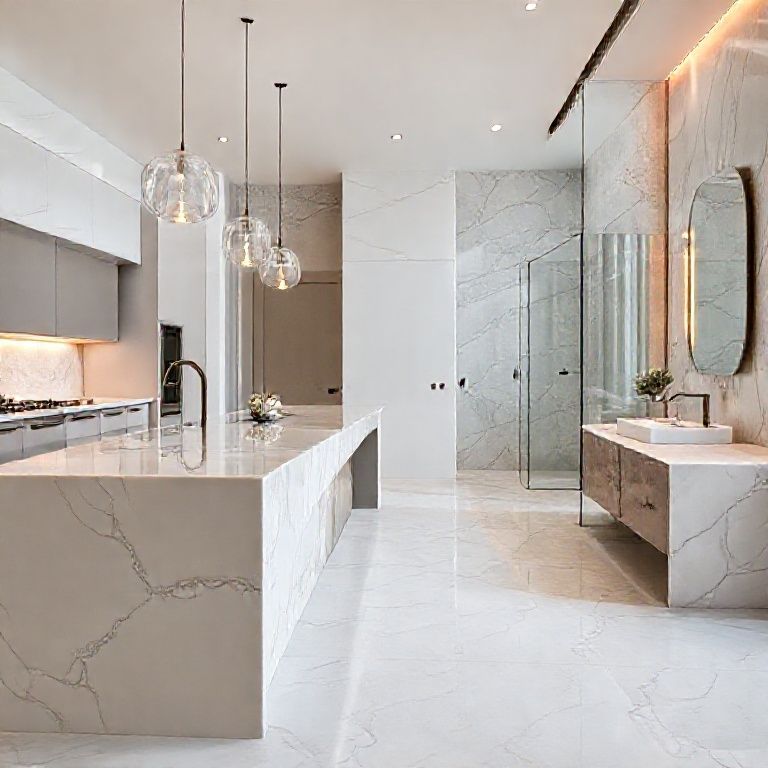
The forming itself is typically achieved through one of two primary methods, or often a combination thereof, facilitated by the thermoforming machine’s associated systems. The first is vacuum forming. In this scenario, the softened sheet is draped over the mold, and a vacuum is applied. This powerful suction draws the pliable material down and tightly against the contours of the mold, ensuring a perfect fit. The vacuum needs to be substantial and consistent to pull the material into even the most intricate details of the mold. Advanced vacuum thermoforming machines often feature sophisticated vacuum chambers and pumps that can achieve deep draws and complex curves with precision.
The second method is pressure forming. While less common for standard solid surface thermoforming of sheets, it can be employed in more advanced applications, often involving positive male molds and significant pressure. However, for typical applications like countertops and backsplashes, vacuum forming is the dominant technique. The beauty of vacuum forming is its ability to create a seamless, integrated look, eliminating the need for visible joints or adhesives in many curved sections.
The “Corian thermoforming machine” and its counterparts are not merely ovens and vacuum pumps. They are integrated systems that often include specialized clamping mechanisms to hold the sheet securely during heating and forming, precise temperature sensors and controllers, and robust vacuum systems. Furthermore, many modern machines are integrated with CNC (Computer Numerical Control) technology. This allows for the precise cutting of the solid surface sheets to the exact dimensions required for the mold, as well as the intricate design and creation of the molds themselves. CNC routers can carve complex curves and details into mold materials with remarkable accuracy, ensuring that the thermoformed piece will be a perfect replica of the digital design.
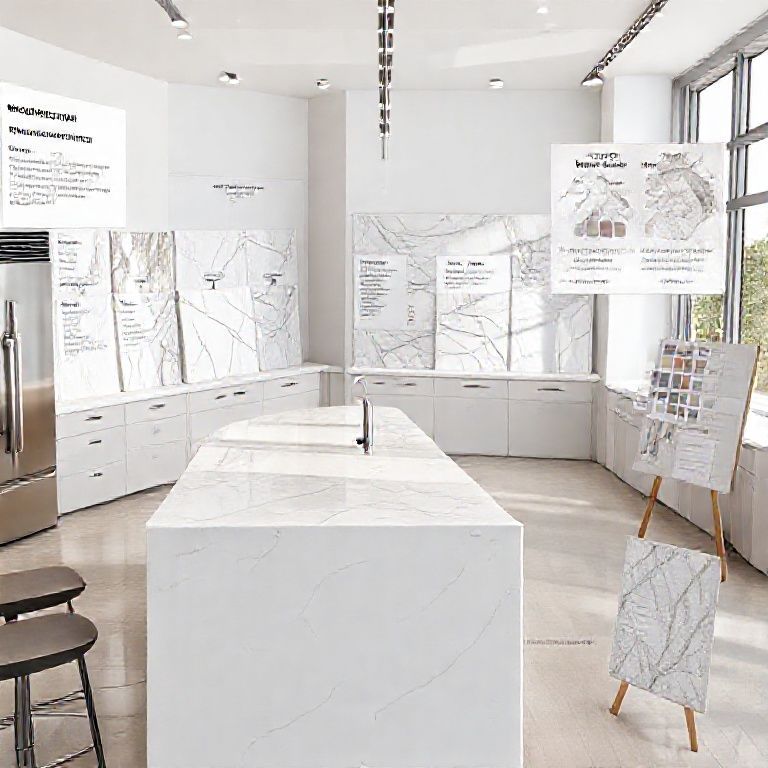
The benefits of employing such sophisticated machinery are manifold. Firstly, it allows for the creation of continuous, flowing surfaces that are impossible to achieve with traditional fabrication methods alone. Think of a waterfall edge countertop that seamlessly transitions from the horizontal surface to the vertical leg, or a curved reception desk that welcomes visitors with an organic embrace. These are the hallmarks of well-executed solid surface thermoforming.
Secondly, it significantly enhances the aesthetic possibilities. The ability to create bespoke shapes means that designers are no longer constrained by the limitations of straight lines and right angles. They can explore organic forms, sculptural elements, and intricate patterns that were once only theoretical concepts. This elevates the material from a functional surface to a design statement.
Thirdly, from a practical standpoint, thermoforming can lead to more efficient fabrication. While the initial investment in machinery and mold creation can be significant, the ability to produce complex shapes in a single forming process can reduce labor time and the number of separate components required. This can translate to cost savings in the long run, especially for large-scale projects or repetitive designs.
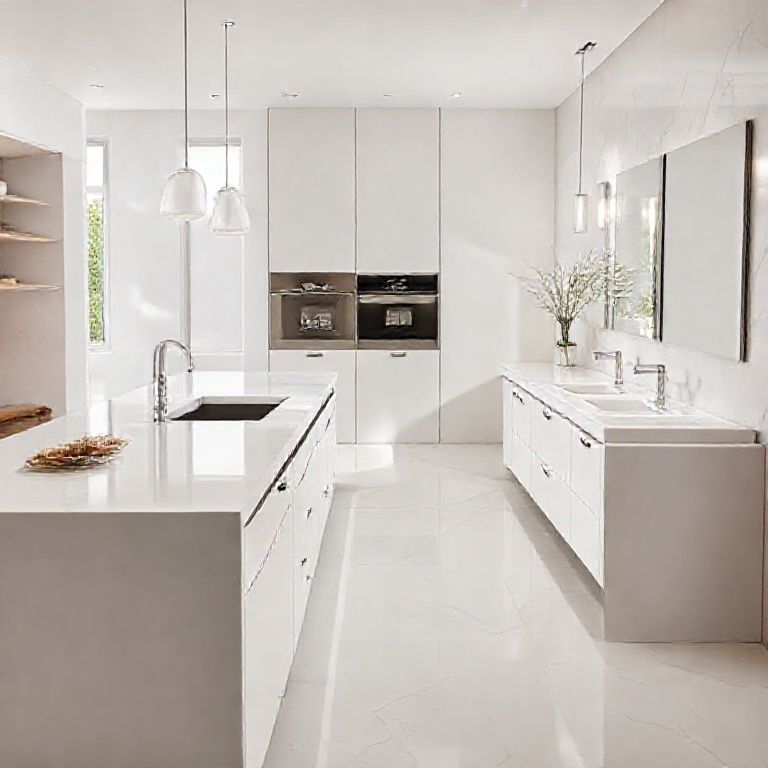
Moreover, the resulting thermoformed pieces often boast enhanced durability and hygiene. Because solid surface is non-porous, the seamless nature of thermoformed elements means fewer grout lines or crevices where bacteria can harbor, making them ideal for environments where hygiene is paramount, such as healthcare facilities or food service areas. The continuous surface also distributes stress more evenly, potentially increasing the longevity of the fabricated piece.
The market for these machines is diverse, catering to a range of scales of operation. From small, independent fabricators looking to expand their capabilities to large manufacturing facilities producing high-volume components, there is a thermoforming solution. The term “Corian thermoforming machine” is often used colloquially, but it represents a broader category of equipment designed for the precise heating and forming of solid surface materials. These machines are not just tools; they are enablers of innovation, pushing the boundaries of what is possible with modern materials and manufacturing techniques. They bridge the gap between ambitious design visions and tangible, beautiful, and functional realities.
Continuing our exploration into the fascinating world of solid surface thermoforming, we delve deeper into the practical applications, the technical considerations, and the future trajectory of this transformative technology. The machines designed to handle materials like Corian, often referred to as solid surface thermoforming machines, are more than just industrial equipment; they are the conduits through which innovative design concepts are brought to life. Their impact extends far beyond the creation of a simple curved edge; they are instrumental in shaping entire environments and defining the aesthetic of spaces.
One of the most significant advantages of utilizing thermoforming technology with solid surface materials is the creation of seamless, integrated designs. In traditional fabrication, achieving a smooth transition between different planes or components often involves visible seams, adhesives, or mechanical fasteners. These can not only detract from the aesthetic appeal but also create potential weak points or areas where dirt and bacteria can accumulate. Thermoforming, however, allows for the creation of single, continuous pieces that flow effortlessly from one form to another. Consider a kitchen countertop that smoothly integrates a built-in sink, or a bathroom vanity with an undermounted basin that appears to grow organically from the surface. This seamlessness contributes to a visually cleaner, more sophisticated look and enhances hygiene, a crucial factor in both residential and commercial settings.
The design flexibility offered by these machines is truly astounding. Architects and interior designers are no longer confined to the standard rectangular forms that are easiest to mill or laminate. With thermoforming, they can specify sweeping curves, complex radiuses, and even three-dimensional sculptural elements. This opens up a world of possibilities for creating bespoke furniture, custom reception desks with unique ergonomic profiles, intricate wall cladding that adds a dynamic visual element to a space, or even decorative architectural features that become focal points. The ability to precisely control the heating and forming process means that even intricate details, such as embossed patterns or subtle contours, can be faithfully replicated, adding another layer of bespoke artistry to the final product.
The technical intricacies of operating a solid surface thermoforming machine are crucial for achieving optimal results. As mentioned, precise temperature control is paramount. Different solid surface formulations may have slightly varying optimal heating temperatures and times. Overheating can lead to material degradation, discoloration, or the formation of undesirable air bubbles within the material. Conversely, insufficient heating will result in a lack of pliability, making it impossible to achieve the desired form without excessive force, which can lead to cracking or stress fractures. Modern machines are equipped with sophisticated digital controls and sensors that allow for exact temperature regulation throughout the heating cycle.
The mold design and material are equally critical. Molds must be able to withstand the elevated temperatures of the heated solid surface sheet and be rigid enough to resist deformation under vacuum pressure. Common mold materials include MDF, plywood, and specialized composite materials. For highly complex or repetitive designs, more durable and precise materials like aluminum or steel may be employed, though these come with a higher initial cost. The surface finish of the mold directly influences the finish of the formed piece. A smooth, polished mold will result in a smooth, polished surface on the solid surface. Any imperfections in the mold will be transferred to the finished product, so meticulous mold preparation and maintenance are essential.
The vacuum system is another vital component. The strength and consistency of the vacuum are directly related to the quality of the formed piece. A deep draw, meaning a significant change in elevation or curvature from the original flat sheet, requires a powerful and reliable vacuum. The vacuum needs to be evenly distributed across the entire surface of the mold to ensure that the material conforms snugly and without voids. Advanced machines often feature multiple vacuum zones, allowing for finer control over different areas of the forming process, particularly beneficial for complex shapes with varying degrees of curvature.
The integration of CNC technology with thermoforming machines has revolutionized the process. CNC routers can precisely cut the solid surface sheets to the exact dimensions needed for the mold, ensuring a perfect fit for the subsequent forming process. Furthermore, CNC technology is indispensable for creating the molds themselves, especially for complex, organic shapes. This digital workflow from design to mold fabrication to the final forming process ensures a high degree of accuracy, repeatability, and efficiency. It significantly reduces the reliance on manual craftsmanship for intricate mold creation, allowing for more complex designs to be economically viable.
Looking ahead, the future of solid surface thermoforming is bright and brimming with potential. Advancements in material science are continually leading to new formulations of solid surface materials with enhanced properties, such as greater heat resistance or improved flexibility, which will further expand the possibilities of thermoforming. We can anticipate machines becoming even more sophisticated, with enhanced automation, intuitive user interfaces, and greater energy efficiency. The integration with digital design tools will continue to deepen, allowing for more complex and customized designs to be realized with greater ease.
The applications are also likely to diversify. Beyond traditional architectural and furniture applications, we may see solid surface thermoforming being used in areas such as automotive interiors, marine design, and even in the creation of medical devices, where the material’s hygienic properties and formability are highly advantageous. The aesthetic appeal and the ability to create seamless, integrated forms will continue to drive its adoption in high-end residential and commercial projects, pushing the boundaries of interior and exterior design.
In conclusion, the machines that facilitate solid surface thermoforming, often colloquially termed “Corian thermoforming machines,” represent a significant leap forward in material fabrication. They empower designers and fabricators to transcend the limitations of traditional methods, enabling the creation of visually stunning, functionally superior, and highly customizable elements. From the precise control of temperature and vacuum to the meticulous design of molds and the integration of cutting-edge CNC technology, every aspect of this process contributes to the realization of design visions. As technology continues to evolve and materials become even more versatile, the impact of solid surface thermoforming on the world of design and manufacturing will only continue to grow, shaping the spaces we inhabit in increasingly innovative and beautiful ways.









