
In the realm of interior design and home renovation, the choice of materials for countertops, vanities, and architectural features plays a pivotal role in defining both the aesthetic appeal and the functional longevity of a space. Among the myriad of options available, solid surface materials have carved out a significant niche, celebrated for their seamless integration, diverse design possibilities, and hygienic properties. When the conversation turns to solid surface, one name that invariably surfaces is Corian®, a brand synonymous with innovation and quality, originally developed by DuPont™. But in a market now brimming with excellent solid surface options, how does Corian® stack up against other, often generically referred to as “artificial stone,” offerings? This exploration aims to shed light on the nuances, benefits, and considerations when weighing Corian® against its counterparts, helping you discern which might be the superior choice for your unique needs.

The very concept of “artificial stone” or “solid surface” is a testament to human ingenuity. These materials are engineered composites, typically made from acrylic polymers and/or polyester resins, combined with natural minerals such as bauxite. This composition imbues them with a unique set of characteristics: they are non-porous, meaning they resist stains and the growth of bacteria and mold, making them exceptionally hygienic. They can be thermoformed, allowing them to be shaped into curves and intricate designs that are difficult or impossible to achieve with natural stone. Furthermore, their color and pattern run through the entire thickness of the material, meaning scratches or minor damage can often be repaired by sanding and refinishing, restoring the surface to its original glory. This reparability is a significant advantage over materials like laminate or even some natural stones that might require more drastic interventions for similar issues.
Corian®, as the pioneering brand, set the benchmark for what a solid surface could be. DuPont™ invested heavily in research and development, establishing rigorous manufacturing standards and a broad palette of colors and patterns. Its proprietary formulation contributes to its well-regarded durability and consistency. The brand’s long history in the market has fostered a deep understanding of application requirements across residential and commercial sectors. This experience translates into a product that is generally trusted for its performance and appearance over time. When you choose Corian®, you are often opting for a material with a proven track record, backed by a globally recognized company. This can provide a sense of security and assurance, especially for larger projects or those where long-term performance is paramount.
However, the landscape of solid surface manufacturing has evolved dramatically. Numerous other manufacturers now produce high-quality solid surface materials, often leveraging similar technological advancements and material compositions. These alternatives, while perhaps not bearing the legacy name of Corian®, can offer compelling advantages. One of the most significant factors is often price. While Corian® can command a premium due to its brand recognition and established reputation, other solid surface brands may present a more budget-friendly option without compromising substantially on core performance characteristics. This doesn’t necessarily mean these alternatives are inferior; rather, it reflects a more competitive market where innovation and quality are no longer exclusive to a single entity.
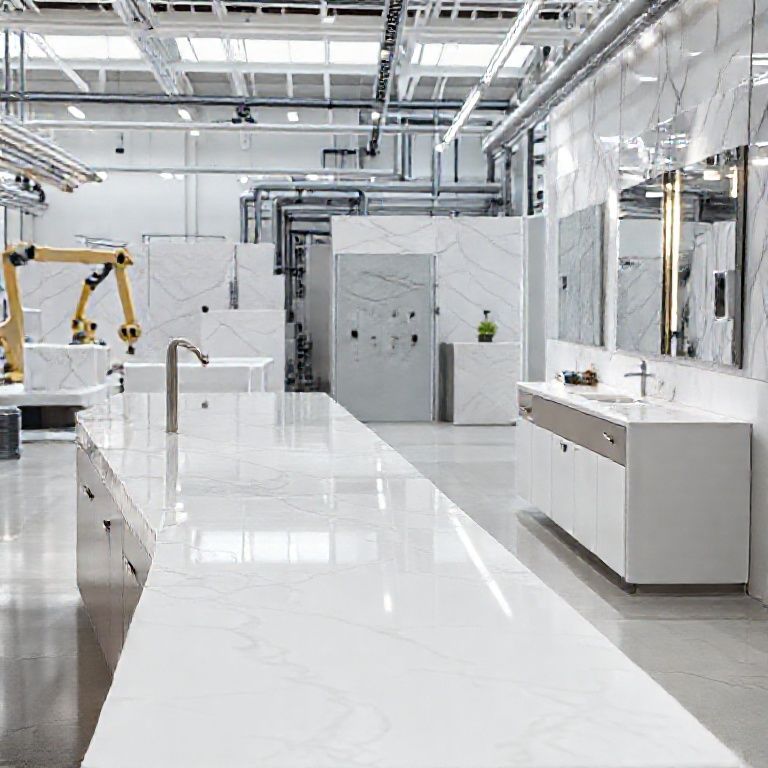
When comparing “可丽耐人造石” (Kělìlài rénzàoshí – Corian® artificial stone) with other “人造石” (rénzàoshí – artificial stone), it’s crucial to look beyond just the brand name. The term “artificial stone” itself is quite broad and can encompass various types of engineered materials, including solid surfaces, engineered quartz, and even some composite granites. For the purpose of this comparison, we are focusing specifically on solid surface materials, which are distinct from engineered quartz. Engineered quartz, for instance, is primarily made from quartz crystals bound with resin, resulting in a harder, more scratch-resistant material, but it cannot be seamlessly joined or thermoformed in the same way as solid surface. Understanding this distinction is key to making an apples-to-apples comparison.
The aesthetics of solid surfaces are a major draw. The ability to create seamless joins means that large countertops, backsplashes, and even integrated sinks can appear as a single, continuous piece of material. This eliminates the grout lines that can harbor dirt and bacteria in tile installations, and the visible seams that can interrupt the visual flow of other countertop materials. Corian® offers a vast array of colors, from subtle, marble-like veining to bold, solid hues and textured finishes. Competitor brands also provide extensive palettes, often mimicking the look of natural stone, offering contemporary minimalist designs, or introducing unique, vibrant patterns. The decision often comes down to the specific visual effect you wish to achieve. Do you prefer the classic, enduring look that Corian® has long championed, or are you drawn to the newer, perhaps more avant-garde designs offered by emerging manufacturers?
The decision-making process should also involve considering the specific application. For a busy kitchen countertop, durability against heat and scratching might be primary concerns. For a bathroom vanity, resistance to moisture and stains is paramount. For a commercial setting, such as a hospital or restaurant, the hygienic properties and ease of maintenance often take precedence. Both Corian® and other reputable solid surface brands are engineered to perform well in these areas, but subtle differences in their specific formulations and manufacturing processes might lead to variations in performance under extreme conditions. For example, while solid surfaces are generally heat-resistant, direct contact with very hot pans can cause damage, and this is a consideration for all solid surface materials, regardless of brand. Some brands might offer slightly better resistance to thermal shock than others, and this is where detailed product specifications become invaluable.
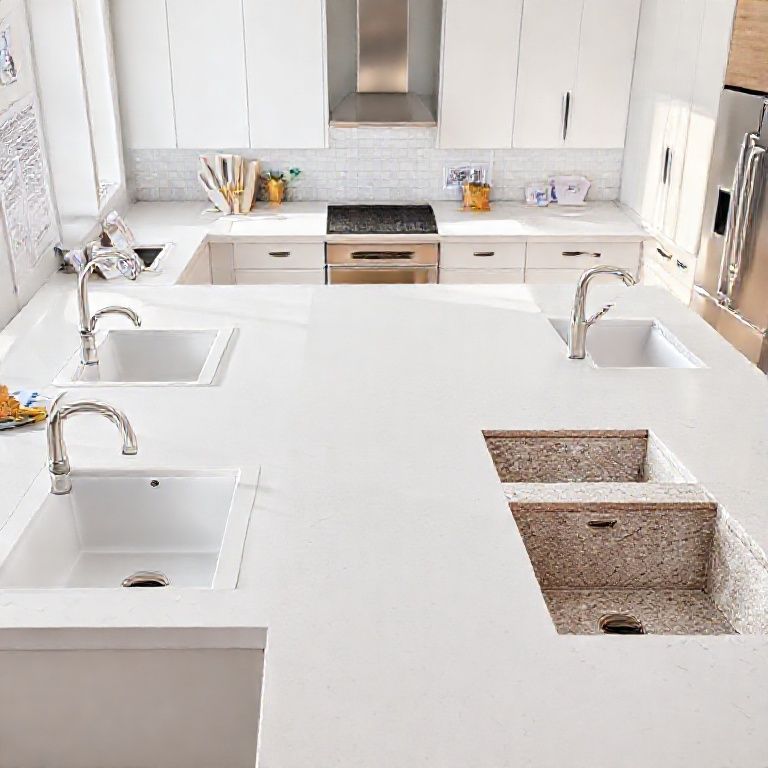
Furthermore, the availability of fabricators and the support network for a particular brand can be a deciding factor. Corian® has a well-established network of certified fabricators, which can ensure professional installation and proper handling of the material. Other brands also work through fabricator networks, and the quality of installation is, arguably, more critical than the brand of the material itself. A poorly installed Corian® countertop can be just as problematic as a poorly installed countertop made from another solid surface brand. Therefore, researching and selecting a skilled fabricator who has experience with solid surface materials, and specifically with the brand you are considering, is an essential step in the process. The “artificial stone” market is diverse, and understanding the nuances between different brands, their technical specifications, and the expertise of the installers available in your region is key to achieving a beautiful and functional outcome.
Continuing our exploration into the fascinating world of solid surface materials, we delve deeper into the practical considerations and comparative advantages when choosing between Corian® by DuPont™ and other reputable “artificial stone” or solid surface options. The initial impression often gravitates towards established names, but a thorough evaluation requires a more granular approach, examining factors that directly impact the user experience and the overall value proposition.
One of the most compelling attributes of solid surface materials, including Corian®, is their inherent non-porosity. This characteristic is fundamental to their appeal in settings where hygiene is critical, such as kitchens, bathrooms, and healthcare environments. Unlike natural stones like granite or marble, which require diligent sealing to prevent staining and bacterial growth, solid surfaces are naturally resistant. This means that spills of wine, coffee, or oil are less likely to leave permanent marks, and the surface can be easily cleaned and disinfected without the need for harsh chemicals. For families with young children or individuals who entertain frequently, this ease of maintenance and hygienic assurance is a significant benefit. Corian® has long championed this attribute, and its formulation is designed to meet stringent industry standards for low VOC emissions and microbial resistance. Many other leading solid surface manufacturers also adhere to similar high standards, offering comparable levels of hygiene and stain resistance. The subtle differences might lie in the specific polymer blends and fillers used, which can influence the material’s resistance to particular types of stains or its long-term color stability under UV exposure.
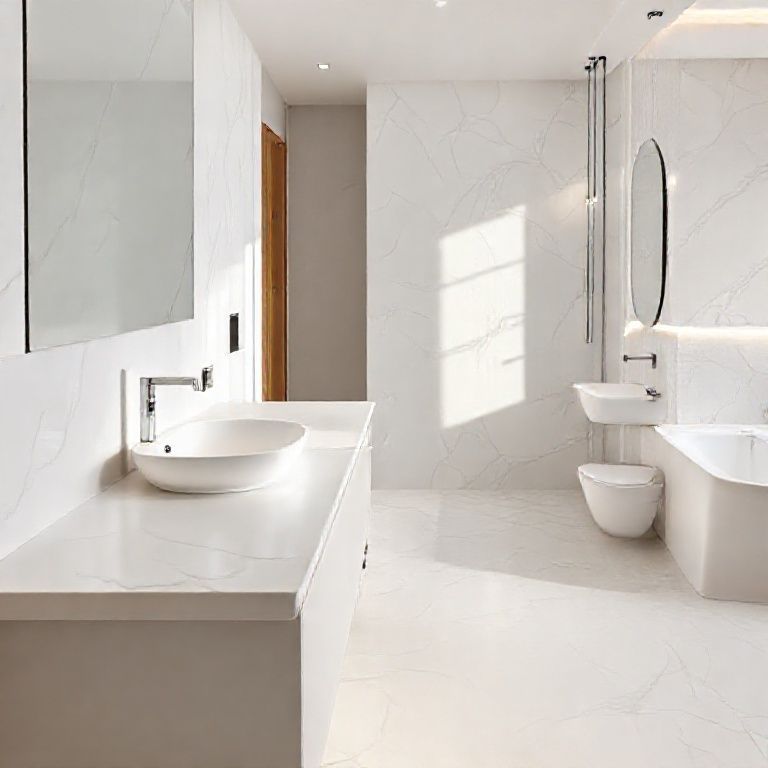
The aesthetic versatility of solid surfaces cannot be overstated. The ability to achieve seamless joints is a design revolution. Imagine a kitchen island with an integrated sink, where the countertop flows uninterrupted into the basin, creating a sleek, monolithic look. This is achievable with solid surfaces because the material can be adhesively bonded with virtually invisible seams. Furthermore, solid surfaces can be thermoformed – heated and bent into curves, waves, or other custom shapes. This opens up a world of design possibilities, allowing for bespoke countertops, integrated backsplashes that curve seamlessly up the wall, or even sculptural elements. Corian® has a rich history of enabling these complex designs, and its extensive color palette, which ranges from subtle, naturalistic patterns to vibrant, contemporary hues, provides designers and homeowners with ample choice. However, it is important to acknowledge that many other solid surface brands have caught up, offering equally impressive ranges of colors, patterns, and customizability. Some may even offer unique textures or visual effects that are not available through Corian®. The key is to explore the full spectrum of offerings from various manufacturers to find the material that best aligns with your specific design vision.
When considering “可丽耐人造石” versus generic “人造石,” it’s beneficial to think about the specific properties that contribute to longevity and performance. While all solid surfaces are generally durable, there can be variations in scratch resistance, impact resistance, and thermal shock resistance depending on the exact formulation and manufacturing process. Corian®, due to its established research and development, is known for a consistent level of quality. However, this does not inherently mean it is superior to all other solid surface brands. Many manufacturers have developed sophisticated formulations that rival or even surpass Corian® in specific performance metrics. For instance, some solid surface materials might offer slightly better resistance to UV degradation, making them a more suitable choice for areas with significant sun exposure. Others might have enhanced scratch resistance, although it’s important to remember that no solid surface is entirely scratch-proof. The key takeaway is to look at the technical specifications and warranty provided by each manufacturer. A longer or more comprehensive warranty can often be an indicator of the manufacturer’s confidence in their product’s durability.
The economic aspect is, of course, a significant consideration for most projects. Corian® often comes with a premium price tag, reflective of its brand heritage and perceived quality. While this premium can be justified for some, especially where brand assurance is a priority, it’s worth investigating other solid surface brands thoroughly. Many manufacturers offer comparable solid surface materials at a more competitive price point. This allows homeowners and designers to achieve a high-end look and superior functionality without exceeding their budget. The savings realized by opting for a different, yet equally high-quality, solid surface brand can be redirected towards other aspects of the renovation, such as more elaborate custom features, upgraded hardware, or enhanced appliances. It is crucial to obtain detailed quotes from multiple suppliers and fabricators, comparing not only the material cost but also the installation costs, as these can vary significantly.
The installation process itself is paramount to the success of any solid surface project. Solid surfaces require specialized fabrication and installation techniques to ensure seamless joints, precise cuts, and proper finishing. This is where the reputation and expertise of the fabricator become more critical than the specific brand of the solid surface material. While Corian® has a robust network of certified fabricators, many other solid surface manufacturers also work with skilled professionals. It is advisable to seek recommendations, review portfolios of past work, and inquire about the fabricator’s experience with the specific brand of solid surface you are considering. A highly skilled fabricator can make even a more budget-friendly solid surface material look and perform like a premium product, while a less experienced installer can compromise the appearance and functionality of even the most high-end material.
Ultimately, the choice between “可丽耐人造石” and other “人造石” solid surface options boils down to a holistic evaluation. It involves understanding the core properties that make solid surfaces so desirable – their non-porosity, seamless integration capabilities, and design flexibility. It requires looking beyond brand recognition to examine technical specifications, aesthetic options, and economic factors. While Corian® offers a legacy of quality and a trusted name, the competitive market has brought forth numerous excellent alternatives that can provide comparable or even superior performance and aesthetics at a potentially more accessible price point. The most effective approach is to define your project’s priorities – whether it’s budget, specific design elements, extreme durability, or a particular aesthetic – and then research the brands and fabricators that best meet those needs. By doing so, you can confidently select a solid surface material that will enhance your space for years to come, regardless of whether it bears the Corian® name or another mark of quality in the evolving world of artificial stone.









